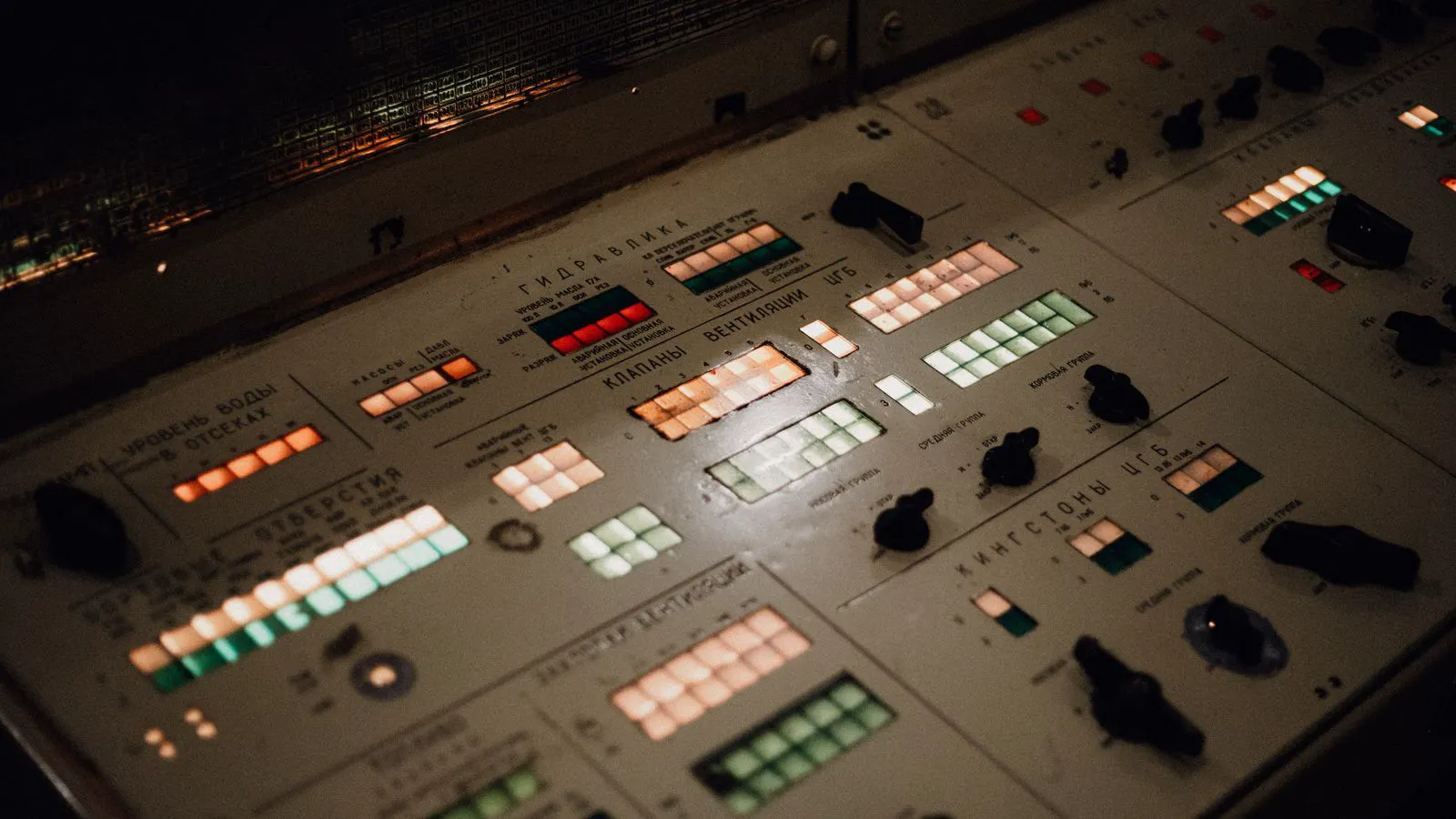
Dyeing & Finishing
Cost Lead Time: Retrofitting Dyeing Machines with IoT
Retrofitting dyeing machines with IoT costs vary by sensor count, control scope, and integration depth. Typical lead times range from several weeks to many months. A
Information on dyeing and finishing equipment, process control, water management, and quality assurance in textiles.
Retrofitting dyeing machines with IoT costs vary by sensor count, control scope, and integration depth. Typical lead times range from several weeks to many months. A
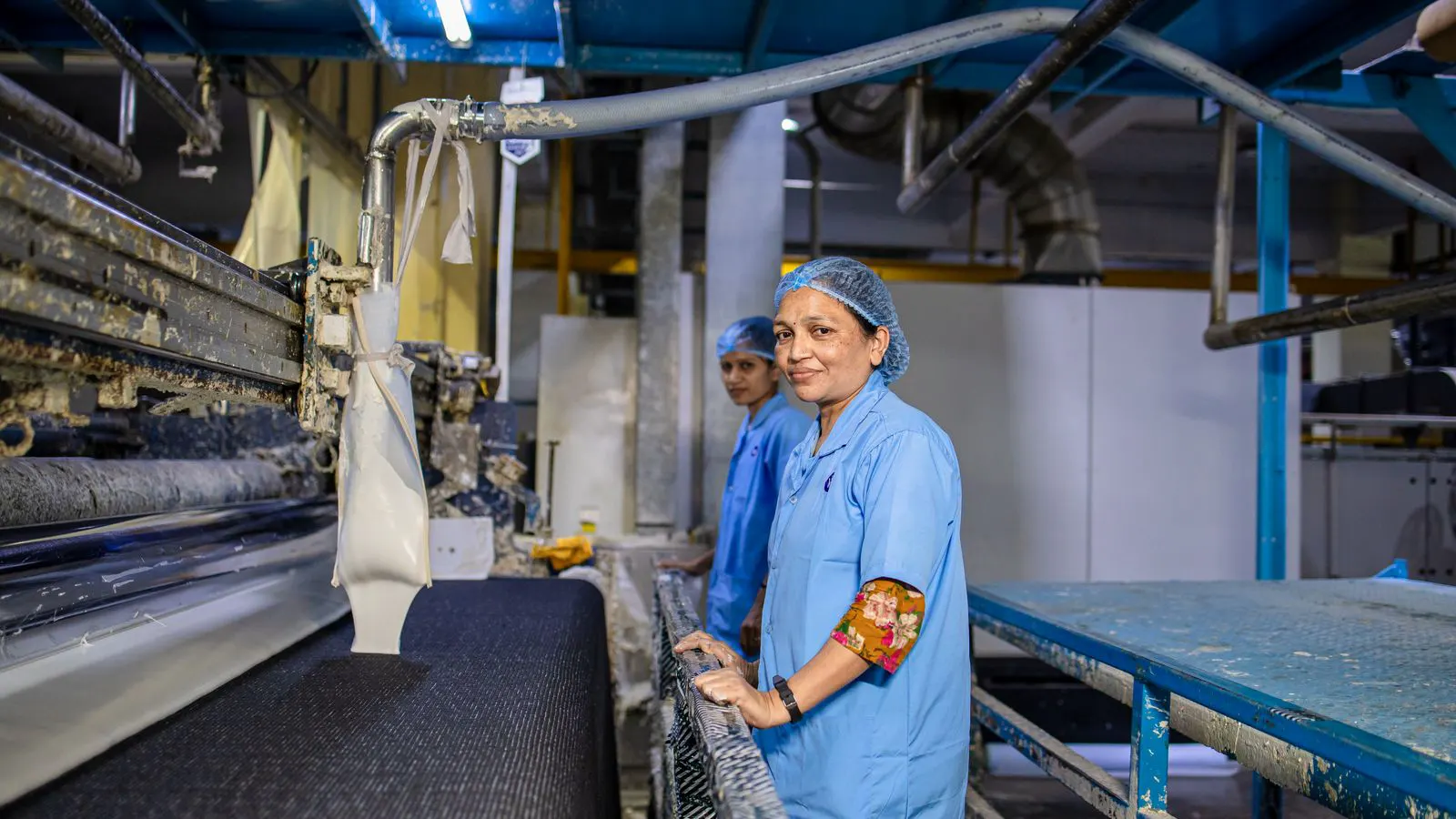
Batch vs continuous dyeing selection depends on fabric type and volume. Batch suits small lots and delicate materials, while continuous handles high throughput. Evaluate
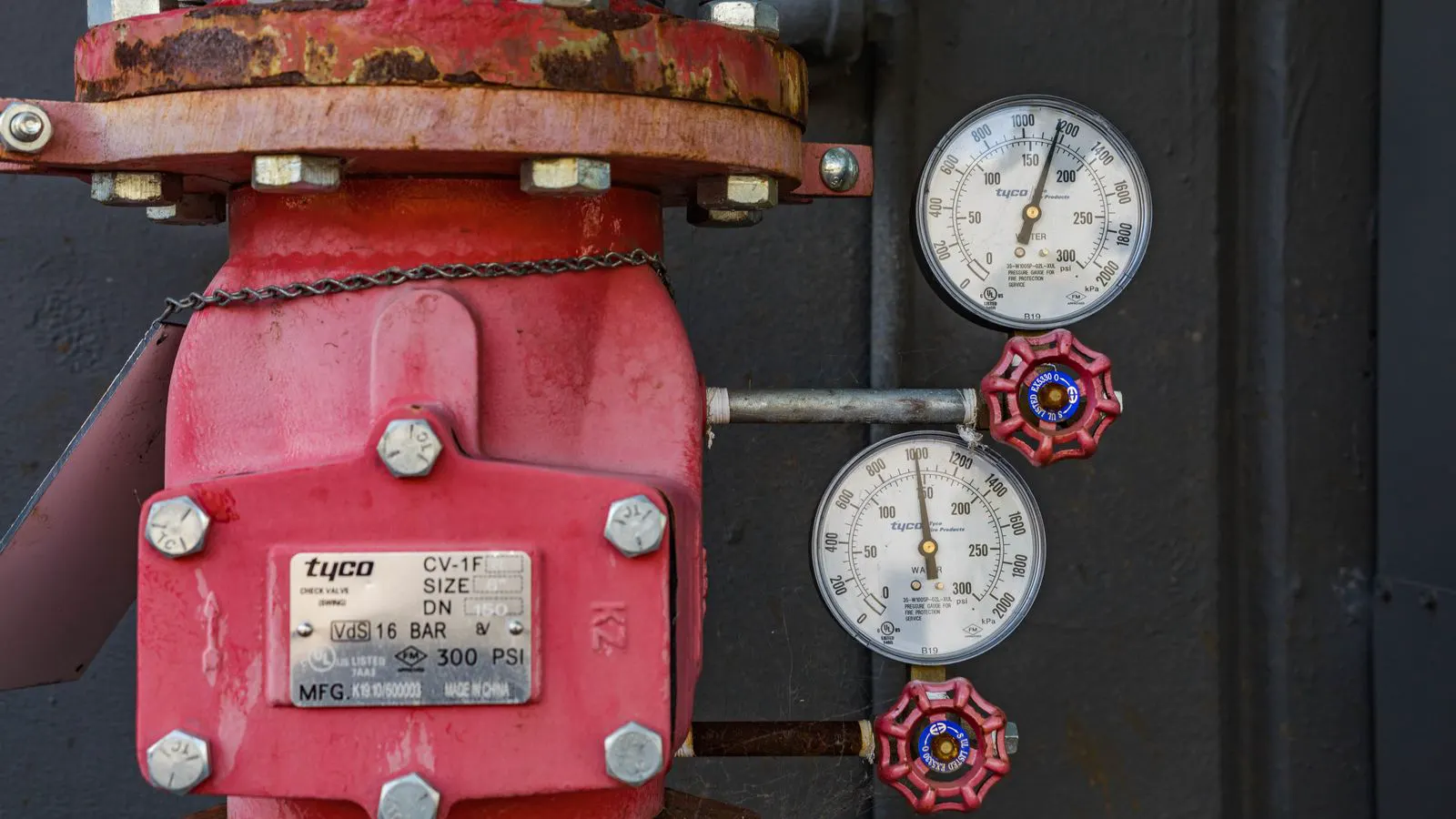
This guide provides a structured checklist for inspecting dyeing machine pumps and valves. It covers fluid circulation, valve sealing, hydraulic pressure, and wear
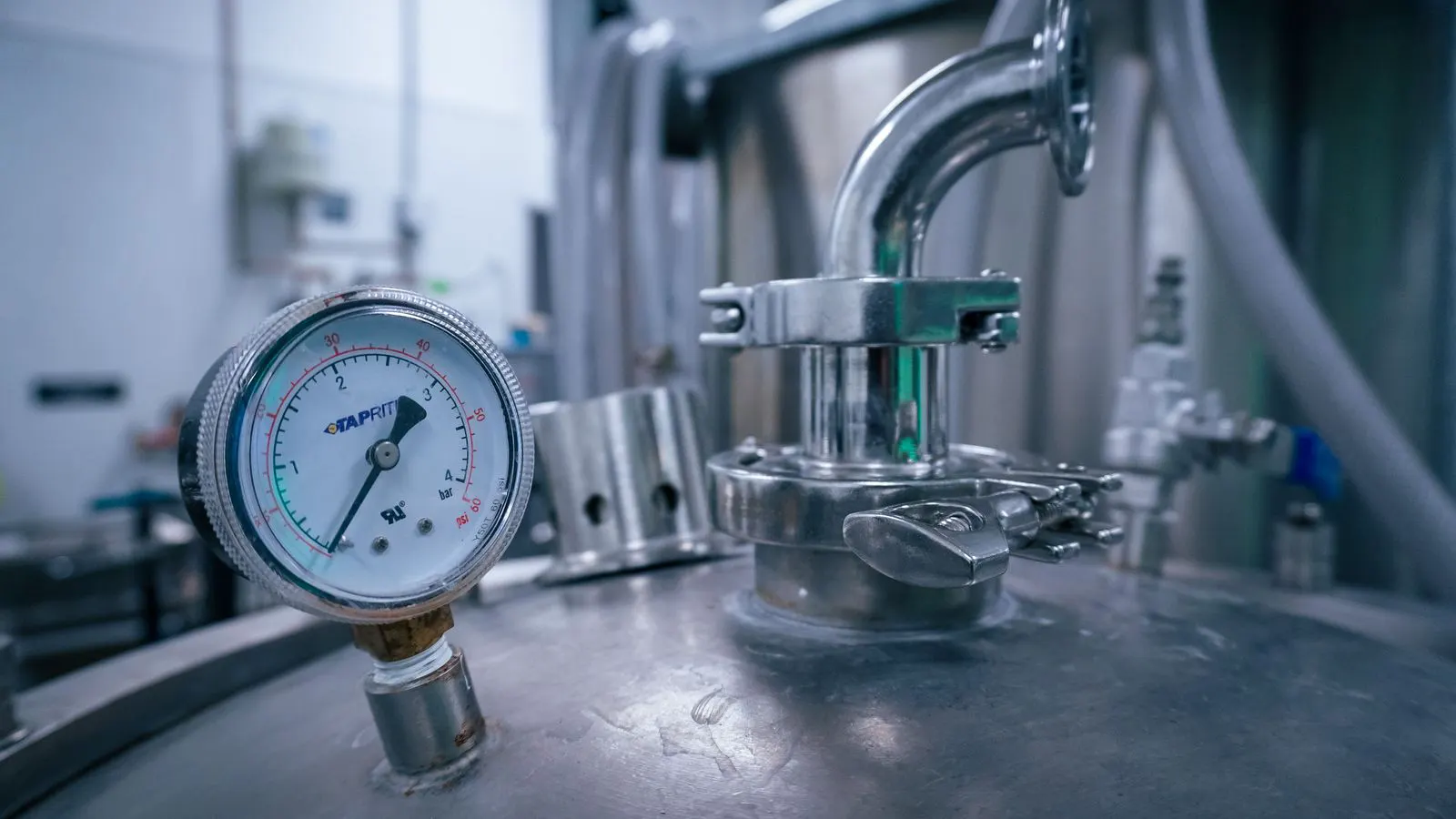
Dyeing machine water reuse systems recirculate process water to reduce fresh intake and effluent discharge. These closed loop designs lower operating costs and simplify
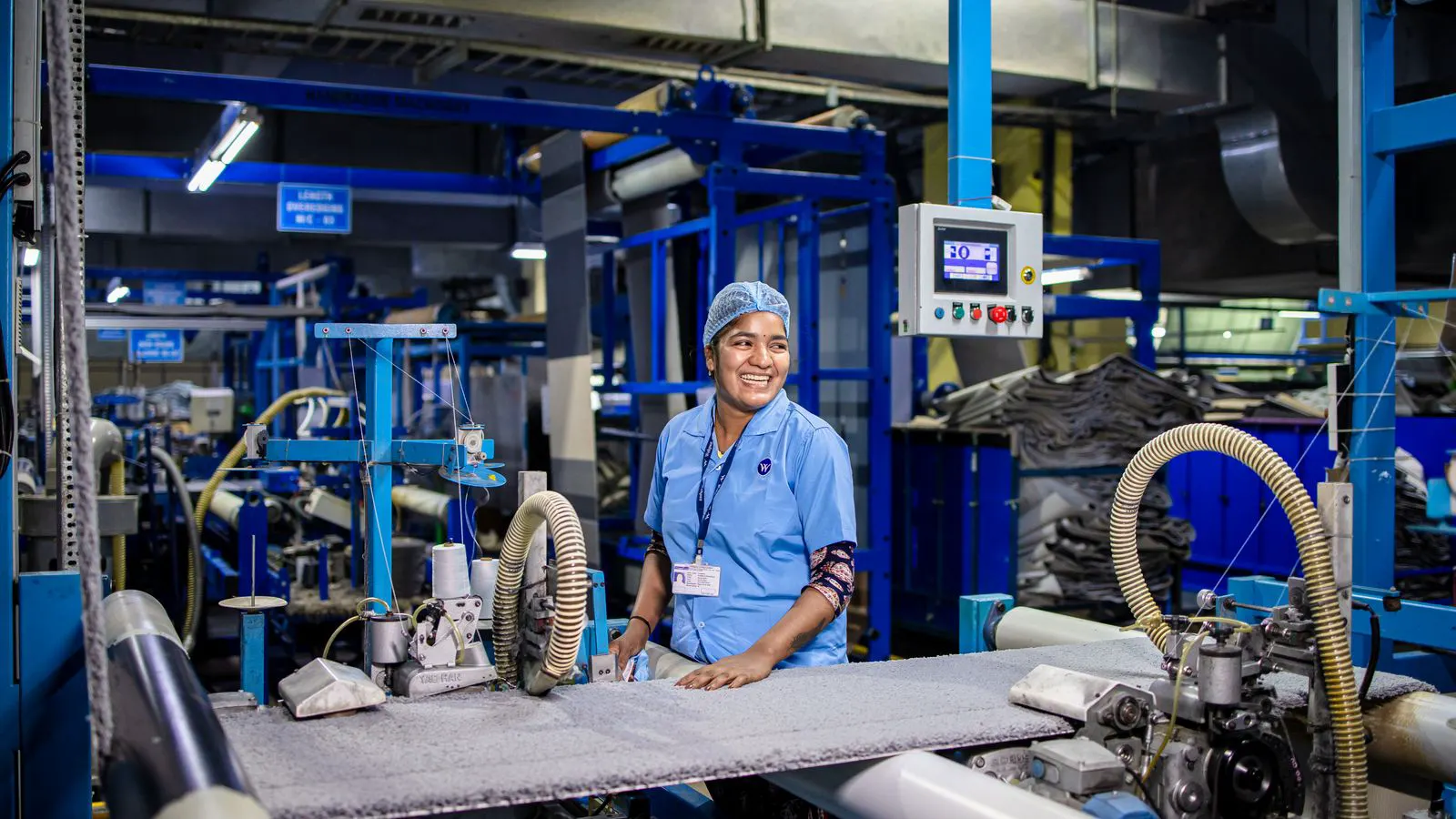
A new finishing line setup requires site preparation, utility alignment, and strict process control. This guide walks through the physical installation and initial
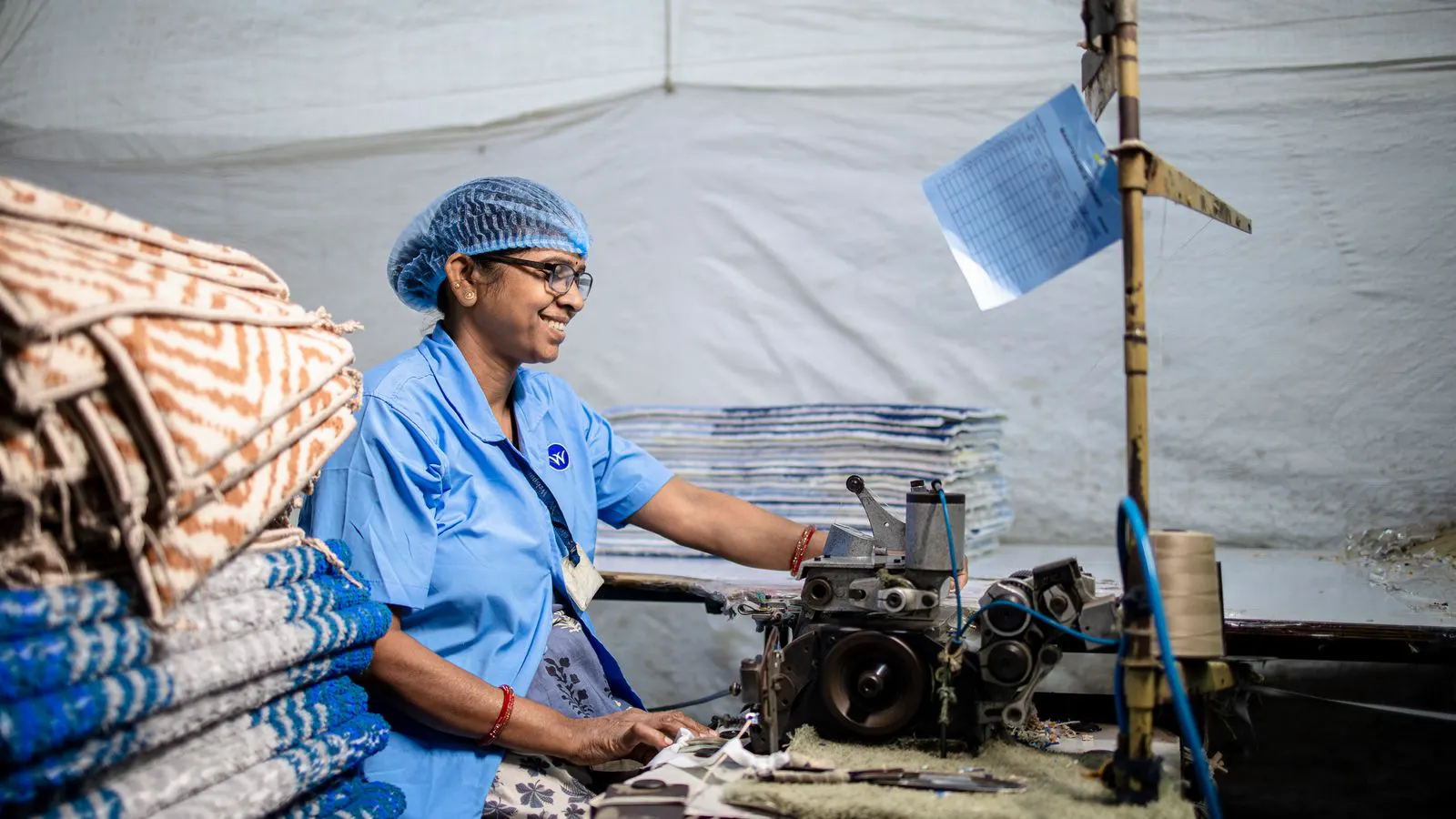
Finishing machine capacity is the maximum output a unit can process in a set time. It depends on machine size, speed, and fabric type. Buying the wrong capacity causes
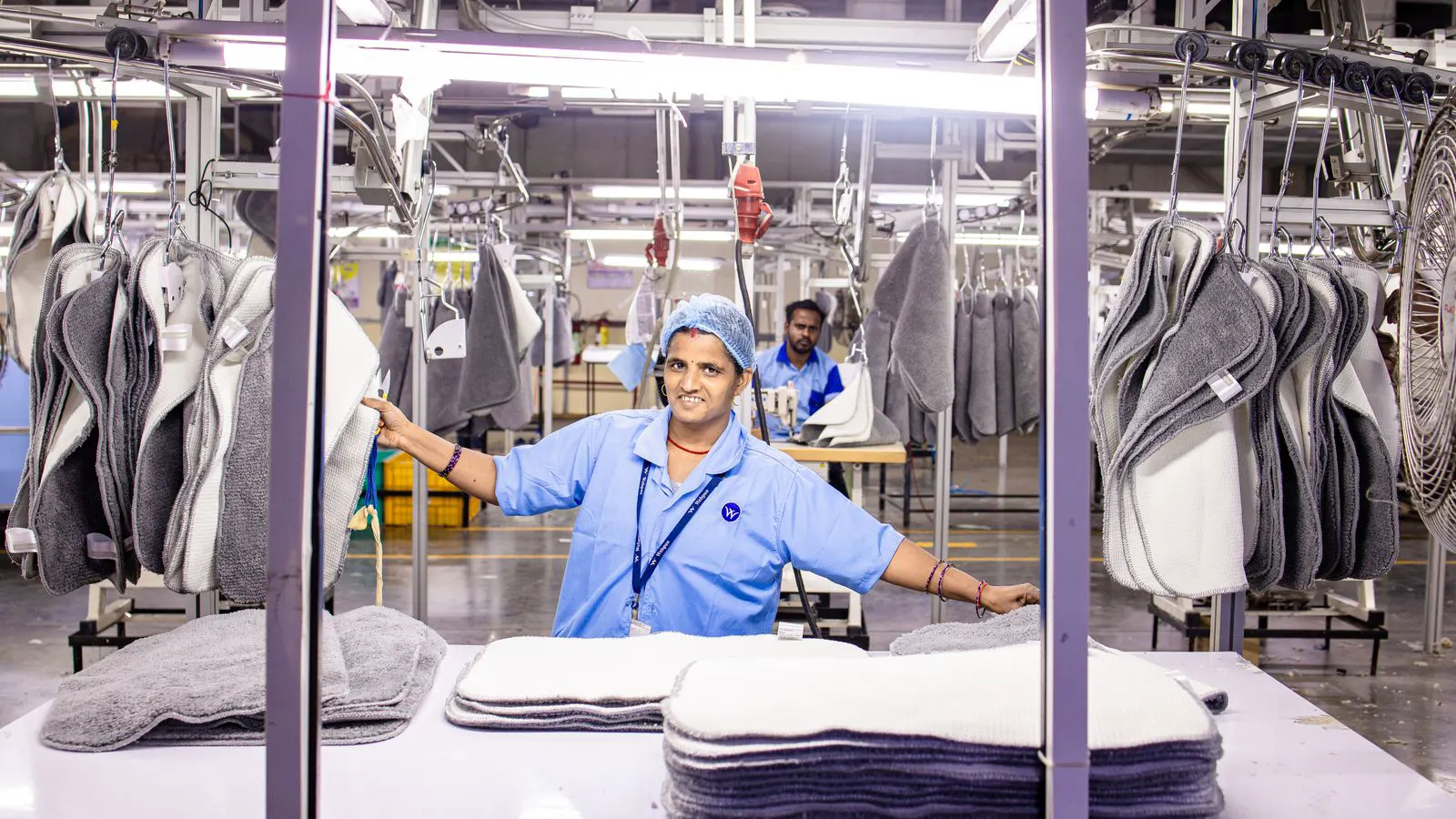
Digital control systems are changing how textile finishing lines operate. Buyers should plan for connected equipment, predictive maintenance, and data-driven process
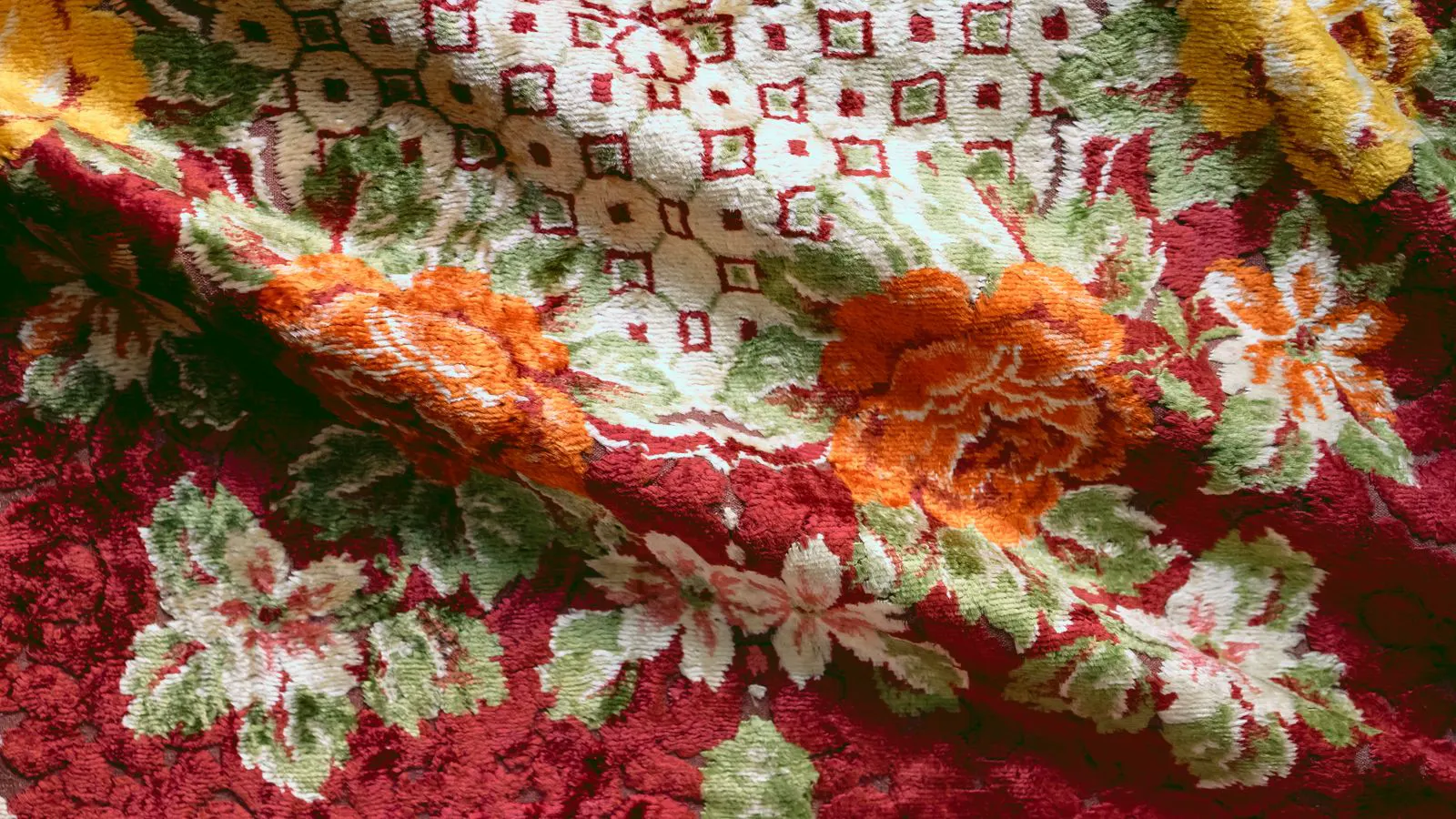
Uneven color in textiles usually stems from poor circulation, inconsistent dye temperature, or mechanical faults. This guide lists common symptoms, their likely causes
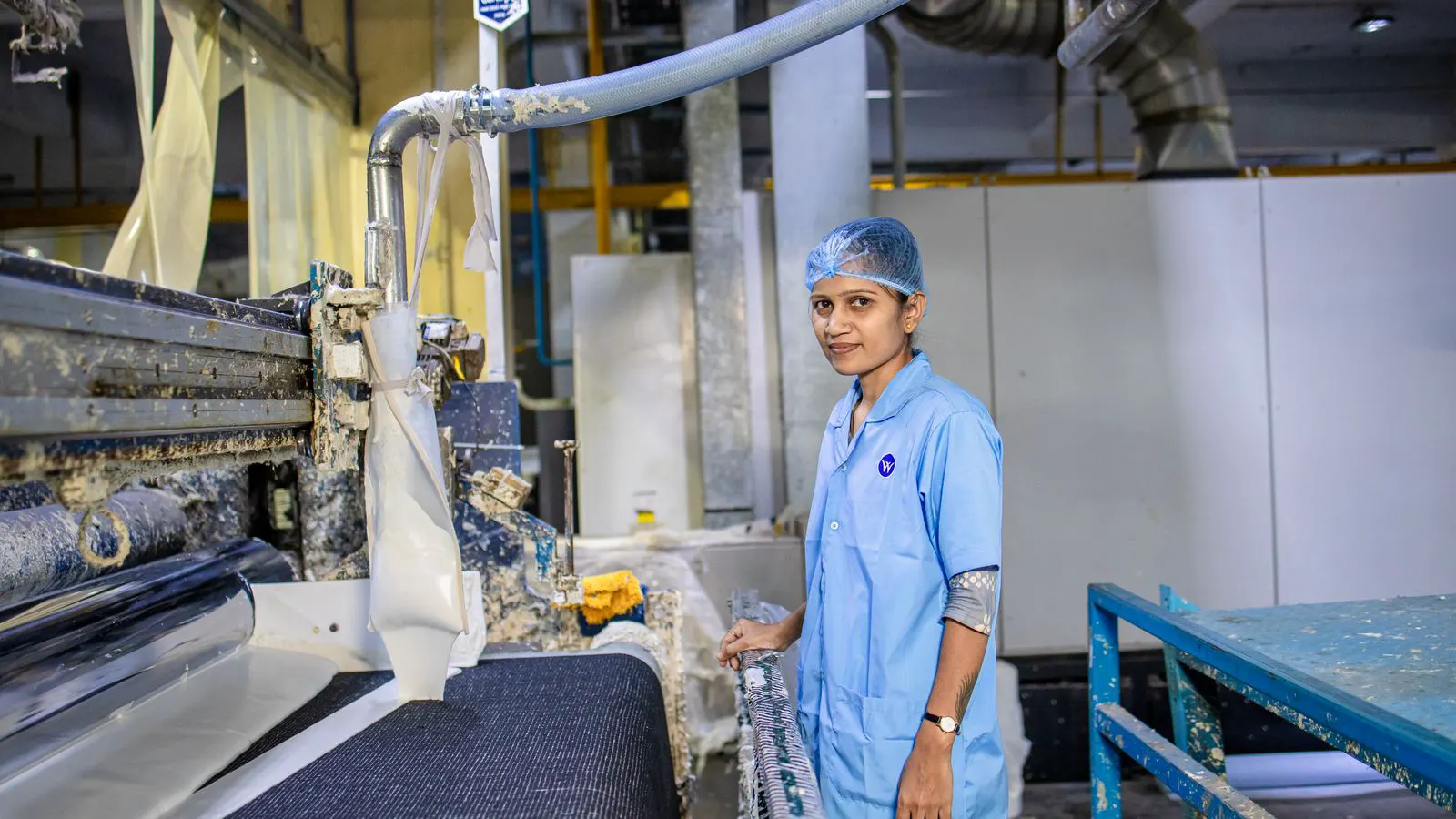
A dyeing water usage audit requires checking flow meters, reviewing dye liquor ratios, and tracing leaks. Use this practical checklist to verify consumption, identify
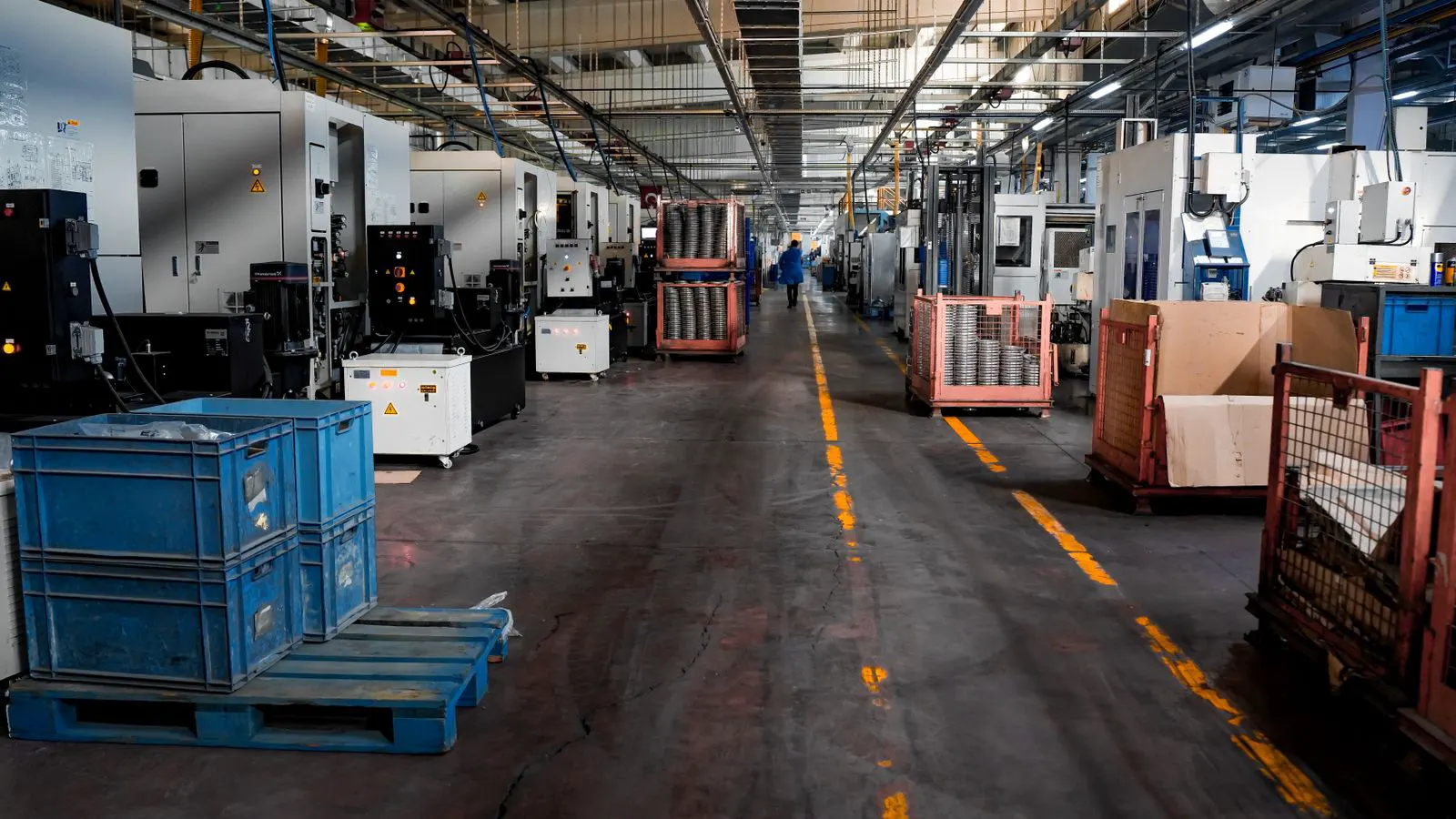
New dyeing machine costs depend on capacity, automation, and material. Lead time is driven by component availability and factory schedules. A clear RFQ helps you compare
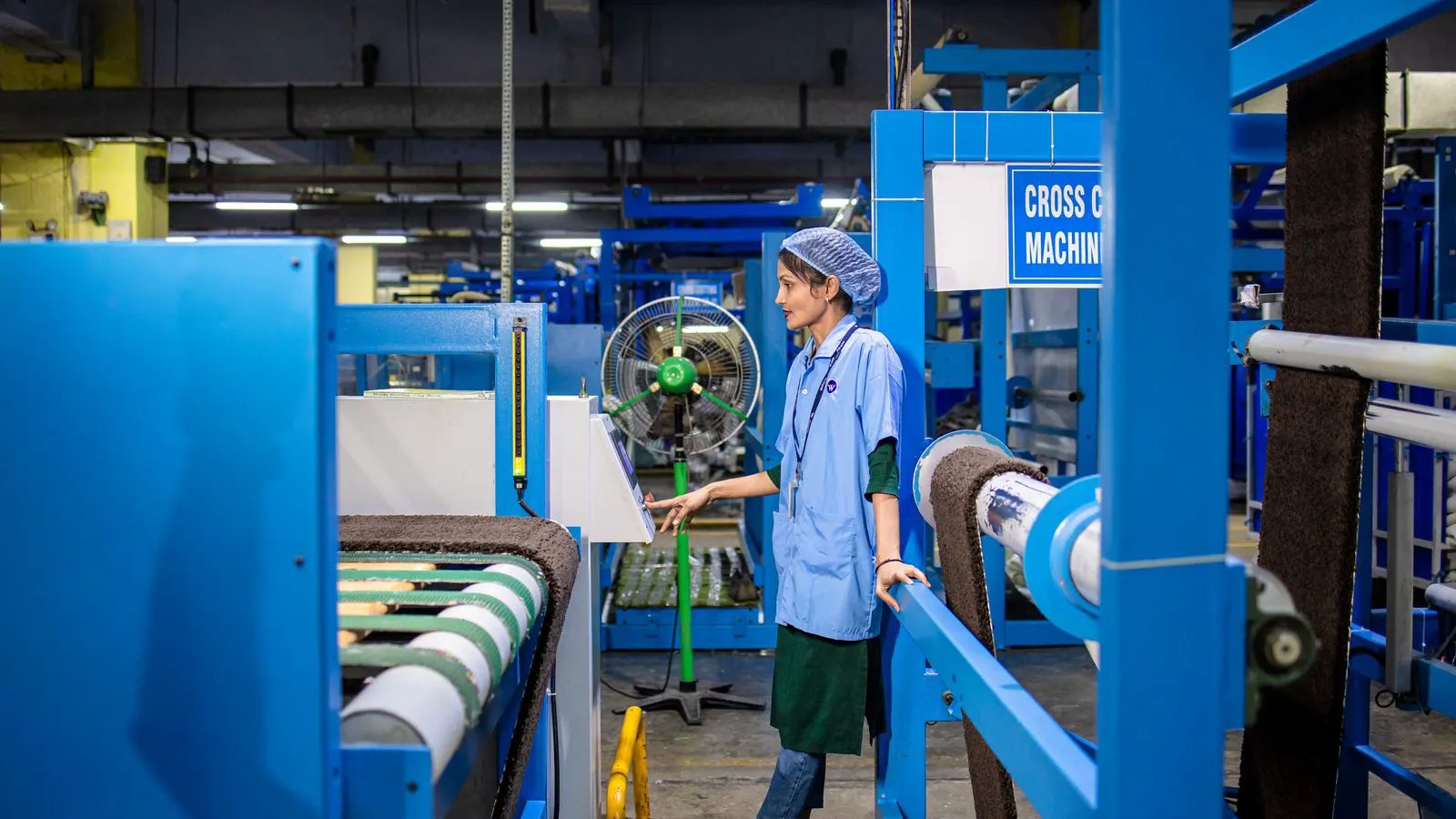
Dyeing machine water usage depends on machine type, fabric load, dye chemistry, and rinsing needs. Tracking each stage helps mills reduce waste and manage textile water
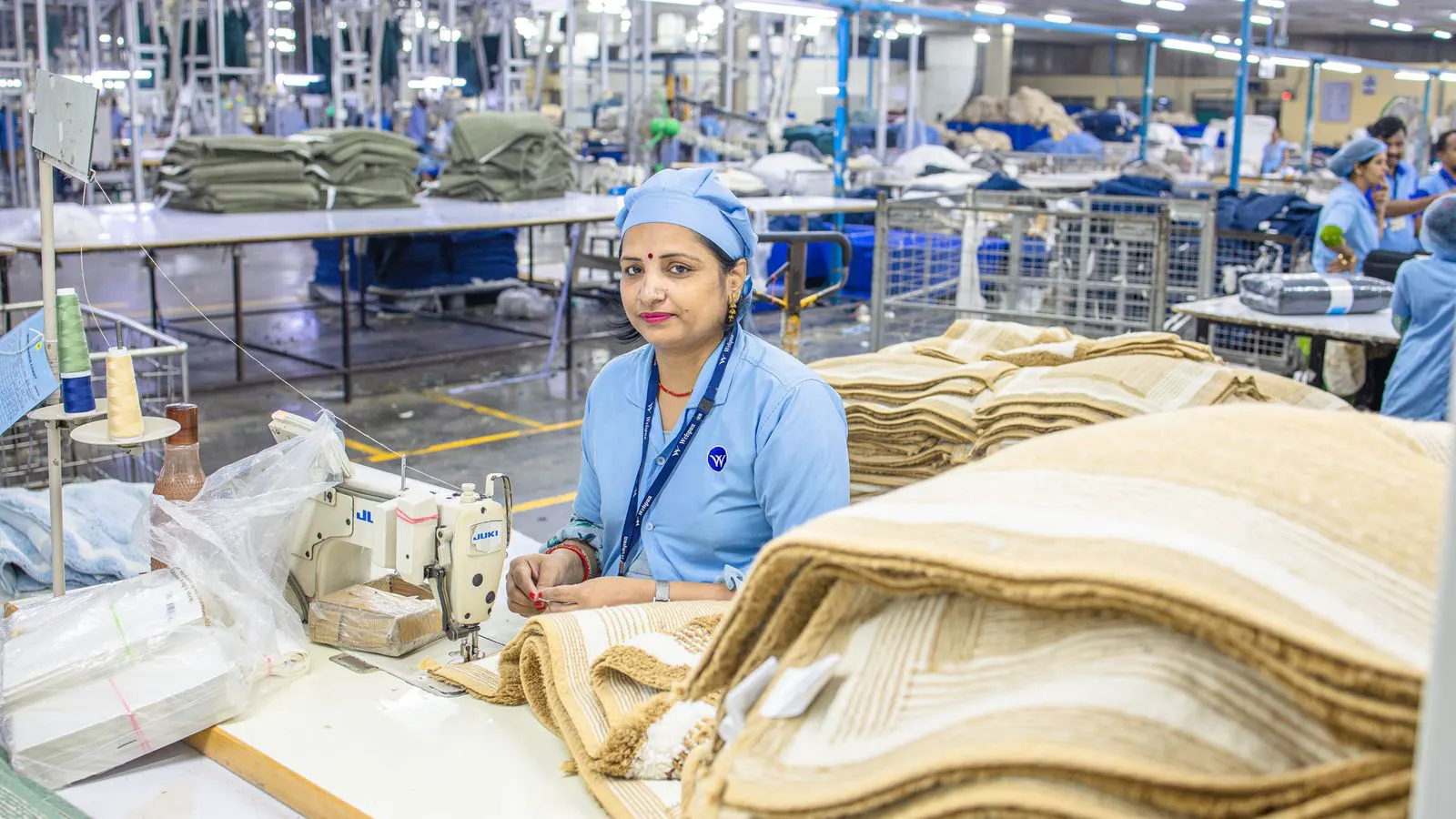
Selecting the right finishing equipment requires matching machine capabilities to your specific fabric type and production goals. This guide outlines key criteria, from