Comparison: Batch vs Continuous Dyeing Machines
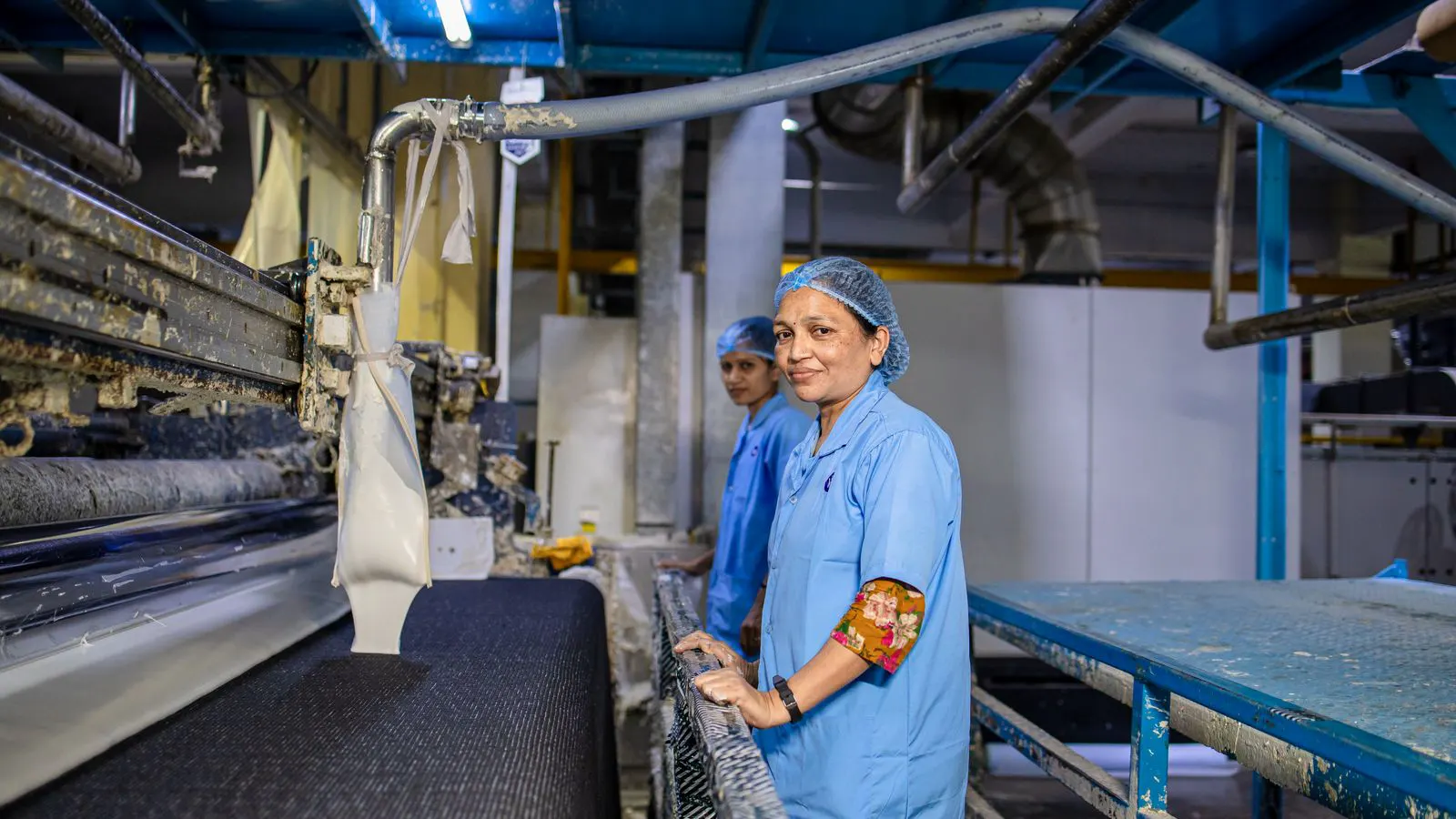
Batch vs continuous dyeing selection depends on fabric type and volume. Batch suits small lots and delicate materials, while continuous handles high throughput. Evaluate equipment efficiency and dyeing process selection based on your specific output needs.
- Batch dyeing fits small lots and delicate fabrics where control matters more than speed
- Continuous dyeing handles high volumes with steady throughput and lower per-unit water use
- Dyeing process selection depends on fabric type, production volume, and equipment efficiency requirements
- Production volume and fabric complexity drive the choice between these two methods
- Evaluate equipment efficiency and maintenance needs before committing to either system
Which method fits your production volume
Production volume is the first variable in dyeing process selection. Small factories running one to three tons per shift lean toward batch systems. These machines handle limited batches, allow manual adjustments between loads, and suit short runs of specialty fabrics. A typical batch tank holds between 0.5 and 5 tons of fabric, depending on the machine design. The operator loads the fabric, adds water, and prepares the dye bath manually or through a semi-automated dosing system. Between loads, the operator drains the tank, rinses the fabric, and prepares the next batch. This cycle repeats throughout the shift. The flexibility comes from the ability to adjust the dye bath composition for each specific load. If a customer requests a specific shade of navy blue for a small order of 500 meters, the operator can fine-tune the dye concentration and temperature to match the sample exactly.
Continuous dyeing lines operate at steady rates. A single machine processes fabric continuously for hours or days. The throughput is higher, often multiple times that of a batch system. This approach works when you run consistent volumes and can maintain a full line of fabric from raw material to finished dye lot. A typical continuous line processes 2 to 8 meters of fabric per minute, depending on the fabric width and machine type. The fabric enters the line as a roll, passes through a series of rollers and baths, and exits as a finished roll. The line runs continuously, so the operator must monitor the system from start to finish. If the line stops for maintenance or a jam, the entire production run is interrupted. This makes continuous dyeing less suitable for small, irregular orders.
If you switch between colors frequently, batch systems give you more flexibility. Changeover time between dye loads is manageable. Continuous lines require more time to purge the system and transition to a new dye. The longer the run, the more the per-unit cost drops. In a batch system, changing from a red dye to a blue dye involves draining the tank and rinsing the fabric. This takes time, but it is straightforward. In a continuous line, changing colors requires flushing the dye baths with water and detergent to remove the old dye. This can take several hours and wastes significant amounts of water and dye. Therefore, continuous dyeing is most efficient when you run the same color for long periods.
How fabric type affects the choice
Not every material responds the same to both methods. Batch dyeing suits delicate fabrics, knits, and specialty blends where temperature and time control matters. You can adjust the dye bath composition per load and monitor each stage closely. For example, a delicate silk fabric requires careful control of temperature and pH to avoid damage. In a batch system, the operator can lower the temperature and extend the dyeing time to ensure even color absorption without stressing the fibers. The fabric remains in a controlled environment, and the operator can inspect it at various stages.
Continuous dyeing works best with woven fabrics, heavy cottons, and synthetic materials that tolerate steady processing. The fabric moves through dye baths at a consistent speed. You need stable tension control and precise temperature management to avoid uneven color. Wovens with tight construction handle continuous dyeing well. The fabric maintains shape as it passes through rollers and baths. The consistent tension prevents distortion and ensures even dye pickup. However, knits and stretch fabrics can be more difficult. They may distort under tension or develop uneven dye pickup if the line speed varies. A knit fabric that stretches slightly in one direction may absorb dye unevenly if the line speed changes. This can result in a visible difference in color across the width of the fabric.
Specialty fabrics with coatings or finishes may need batch treatment. The additional steps require controlled conditions that are harder to manage on a continuous line. For instance, a fabric with a waterproof coating may require a specific sequence of dyeing and finishing steps that are difficult to synchronize on a continuous line. In a batch system, the operator can control each step individually and ensure the coating is applied correctly.
Equipment efficiency in practice
Equipment efficiency differs between the two approaches. Batch machines use more water per kilogram of fabric. Each load requires filling the bath, heating, and rinsing. The water use per cycle is higher. A typical batch machine may use 10 to 30 liters of water per kilogram of fabric, depending on the machine design and the number of rinses required. Continuous lines use less water per unit of fabric. The dye baths circulate and recycle within the system. Water use per kilogram drops significantly. This matters in regions with water restrictions or high treatment costs.
Energy use follows a similar pattern. Batch systems heat and cool the bath multiple times per shift. Continuous lines maintain a steady temperature, reducing energy spikes. The pumps and rollers run constantly, but the per-unit energy cost is lower. In a batch system, the operator must heat the water to the required temperature for dyeing, then cool it for rinsing. This cycling of heating and cooling increases energy consumption. In a continuous line, the water remains at a constant temperature, and the energy is used only to maintain that temperature. The pumps and rollers consume energy, but the overall per-unit energy cost is lower.
Maintenance patterns also differ. Batch machines have more moving parts per cycle. Pumps, valves, and agitation systems cycle on and off. Continuous lines have steady wear. The rollers, tensioners, and pumps run without stops. Batch machines require more frequent cleaning and inspection. The agitation system may accumulate dye residue, and the valves may become clogged. Continuous lines require regular maintenance of the rollers and tensioners to prevent wear and ensure smooth operation.
When to pick batch dyeing
Batch dyeing is the right choice when you run small to medium lots. If your typical order is under two tons, a batch system gives you the control you need. You can match each load to the specific fabric and color requirement. It also fits mixed production. If you alternate between cotton, polyester, and blends within the same week, batch systems handle the variation without major retooling. The dye bath composition changes per load. You do not need to reprogram a continuous line.
Quality control benefits from batch processing. Each load gets individual attention. You can take samples at multiple points in the cycle and adjust the dye bath before the final rinse. This reduces the risk of uneven color on small lots. The operator can inspect the fabric and make adjustments as needed. This level of control is difficult to achieve on a continuous line, where the fabric moves too quickly for detailed inspection.
The trade-off is speed. You cannot match the throughput of a continuous line. If your customers expect fast turnaround on large orders, batch processing may fall short. A batch system may take several hours to complete one load, while a continuous line can process multiple tons in the same time. Therefore, batch dyeing is best suited for operations that prioritize quality and flexibility over speed.
When to pick continuous dyeing
Continuous dyeing suits high-volume operations. If you process several tons per day and run the same fabric type for long periods, a continuous line pays off. The steady throughput lowers the per-unit cost. It works well in export-focused facilities that produce consistent fabric for foreign buyers. The same weave and dye lot repeat weekly. The line runs for days without stopping. The water and energy savings add up over time.
The setup requires more upfront investment. You need a full line of machines: pretreatment, dyeing, rinsing, and finishing. The space is larger than a single batch machine. The installation is more complex. A continuous line requires a significant amount of floor space and careful planning to ensure the fabric moves smoothly from one machine to the next. The installation process may take several months, and the facility must meet specific requirements for water supply, drainage, and ventilation.
If you can maintain a steady feed of fabric and keep the line running, continuous dyeing delivers better efficiency at scale. The per-unit cost drops as volume increases. The operator must ensure that the fabric is loaded correctly and that the line speed is consistent. Any disruption in the fabric supply or a mechanical failure can halt production. Therefore, continuous dyeing requires a reliable supply chain and a well-maintained facility.
Side-by-side comparison
| Option | Best for | Limitations |
|---|---|---|
| Batch dyeing | Small lots, delicate fabrics, mixed production | Higher water use per unit, slower throughput |
| Continuous dyeing | High volume, stable fabric type, export production | Higher upfront cost, less flexible for small changes |
| Hybrid approach | Mixed volumes, some specialty runs | Requires both systems, more floor space |
A hybrid setup gives you flexibility. You run continuous lines for the bulk of your production. You keep a batch machine for specialty orders and small lots. This works if your floor space allows it and your team can operate both systems. A hybrid approach is common in facilities that produce a mix of bulk fabric and specialty items. The continuous line handles the large orders, while the batch machine takes care of the small, custom orders. This setup allows the facility to maximize efficiency while still offering flexibility.
Matching the method to your output
Your production volume determines the baseline. If you run under one ton per shift, batch dyeing makes sense. The cost of a continuous line does not justify the throughput. If you run two to five tons per shift, the decision depends on fabric consistency. If your main product is a single woven type, continuous dyeing becomes attractive. If you switch between several fabric types, batch remains easier.
Above five tons per shift, continuous dyeing usually wins on efficiency. The water and energy savings are significant. The per-unit cost drops. The line can run for long periods without stopping. The operator must ensure that the line runs smoothly and that any issues are addressed quickly to avoid downtime. The facility must have a reliable supply of fabric and dye, and the equipment must be well-maintained to prevent breakdowns.
Final decision points
Check your fabric mix. If you process mostly wovens in one or two types, continuous dyeing fits. If you run knits, blends, and specialty fabrics, batch gives you more control. Look at your water and energy costs. In high-cost regions, the savings from continuous dyeing become more visible. If water is cheap and energy is variable, batch may be easier to manage.
Consider your team. Operating a continuous line requires more attention. The line must run without stops. Any tension problem or dye bath issue affects the entire roll. Batch machines are more forgiving. You can stop and adjust without losing a full day of output. The operator must be trained to monitor the continuous line closely and to respond quickly to any issues. Batch machines require less constant attention, allowing the operator to focus on other tasks.
Review your customer requirements. If your buyers demand specific colorfastness or shade matching, batch dyeing may give you the precision needed. If they accept close-but-not-identical shade, continuous dyeing works. The customer must be informed about any variations in shade that may occur in continuous dyeing. Batch dyeing allows for tighter shade control, which may be necessary for high-end applications.
Batch vs continuous dyeing is not a one-size-fits-all choice. The right method matches your production volume, fabric type, and equipment efficiency goals. Many facilities start with batch and add continuous capacity as output grows. Others run both in parallel. The decision comes down to what your shop can sustain over the next several years, not just the next quarter.
Frequently asked questions
Can I switch from batch to continuous dyeing later?
Yes, many facilities add a continuous line as production volume grows. The transition depends on floor space, utility capacity, and team training.
Is continuous dyeing only for wovens?
No, but wovens handle continuous processing more consistently. Some knits can run on continuous lines if tension and speed are controlled carefully.
How much more water does batch dyeing use?
Batch systems typically use more water per kilogram of fabric than continuous lines. The exact difference depends on the machine design and rinse requirements.
Which method gives better color consistency?
Batch dyeing allows closer control per load, which can improve consistency on small lots. Continuous lines deliver steady output but require stable input fabric.
Do I need a hybrid setup?
Not always. If your production is mostly one fabric type at steady volume, a single continuous line may be enough. If you mix fabric types and lot sizes, a hybrid approach works well.