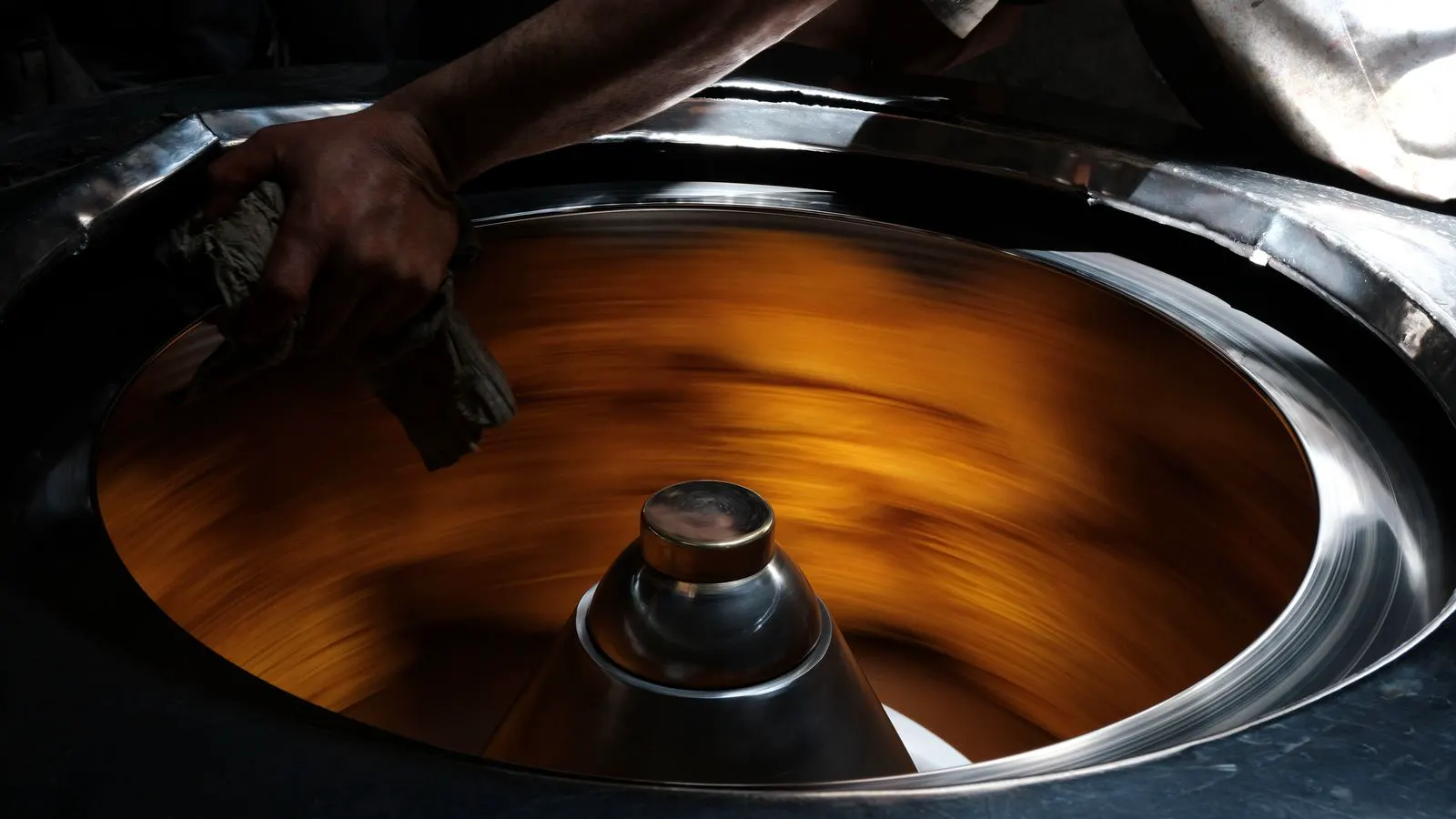
Spinning & Weaving
Explainer: How Yarn Count Affects Spinning Machine Output
Yarn count machine output is driven by how fine the fiber is. Finer yarns require slower spinning speeds and tighter control. This guide explains the relationship
Practical guides on spinning and weaving machinery selection, maintenance, and production efficiency for mills.
Yarn count machine output is driven by how fine the fiber is. Finer yarns require slower spinning speeds and tighter control. This guide explains the relationship
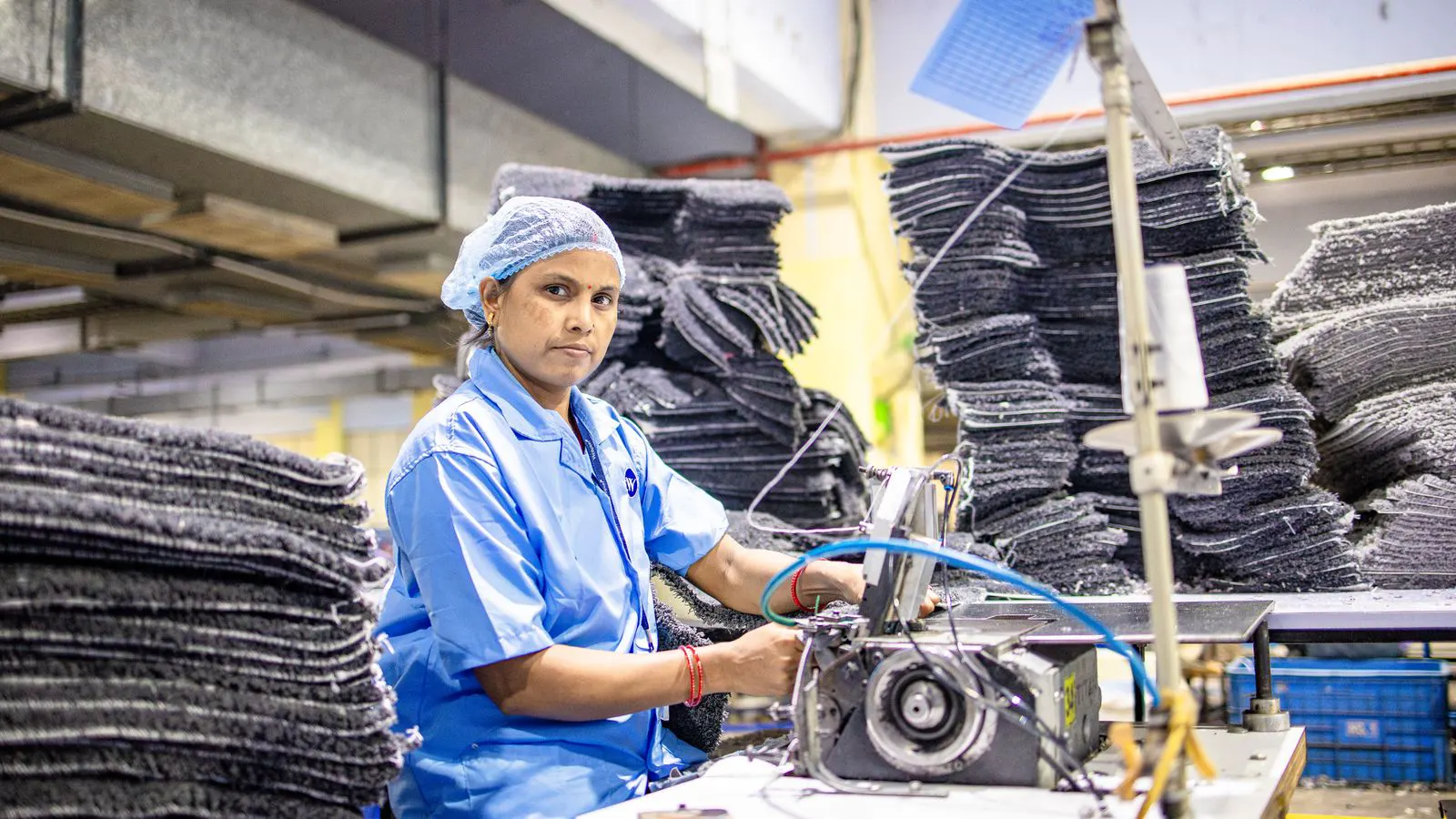
Importing high-speed knitting machines involves significant capital outlay and extended lead times. Costs depend on machine type, gauge, and configuration, while
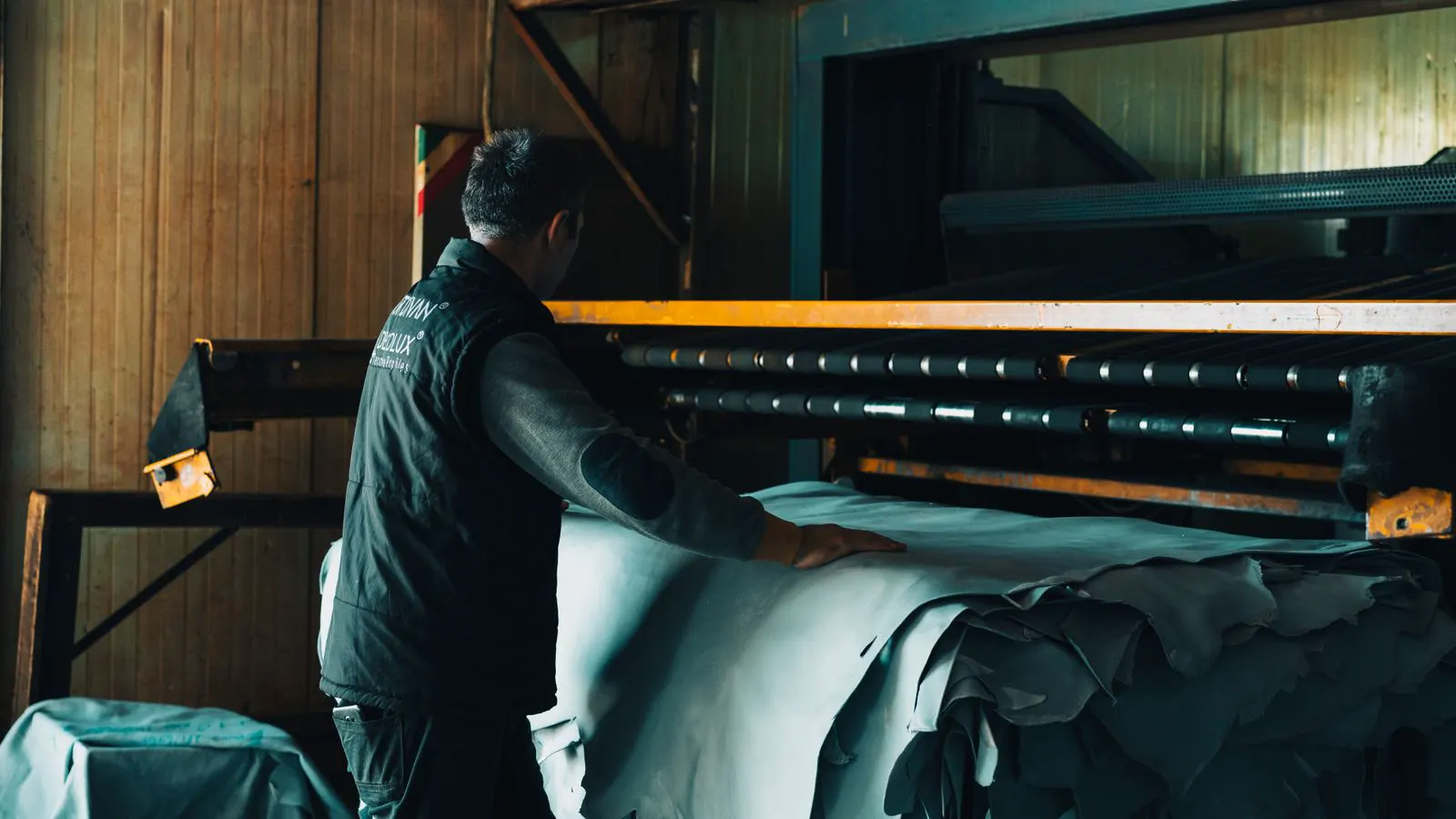
Specialty yarn spinning frames must match fiber type, count, and quality targets. This guide explains how to evaluate drive systems, drafting zones, and control features
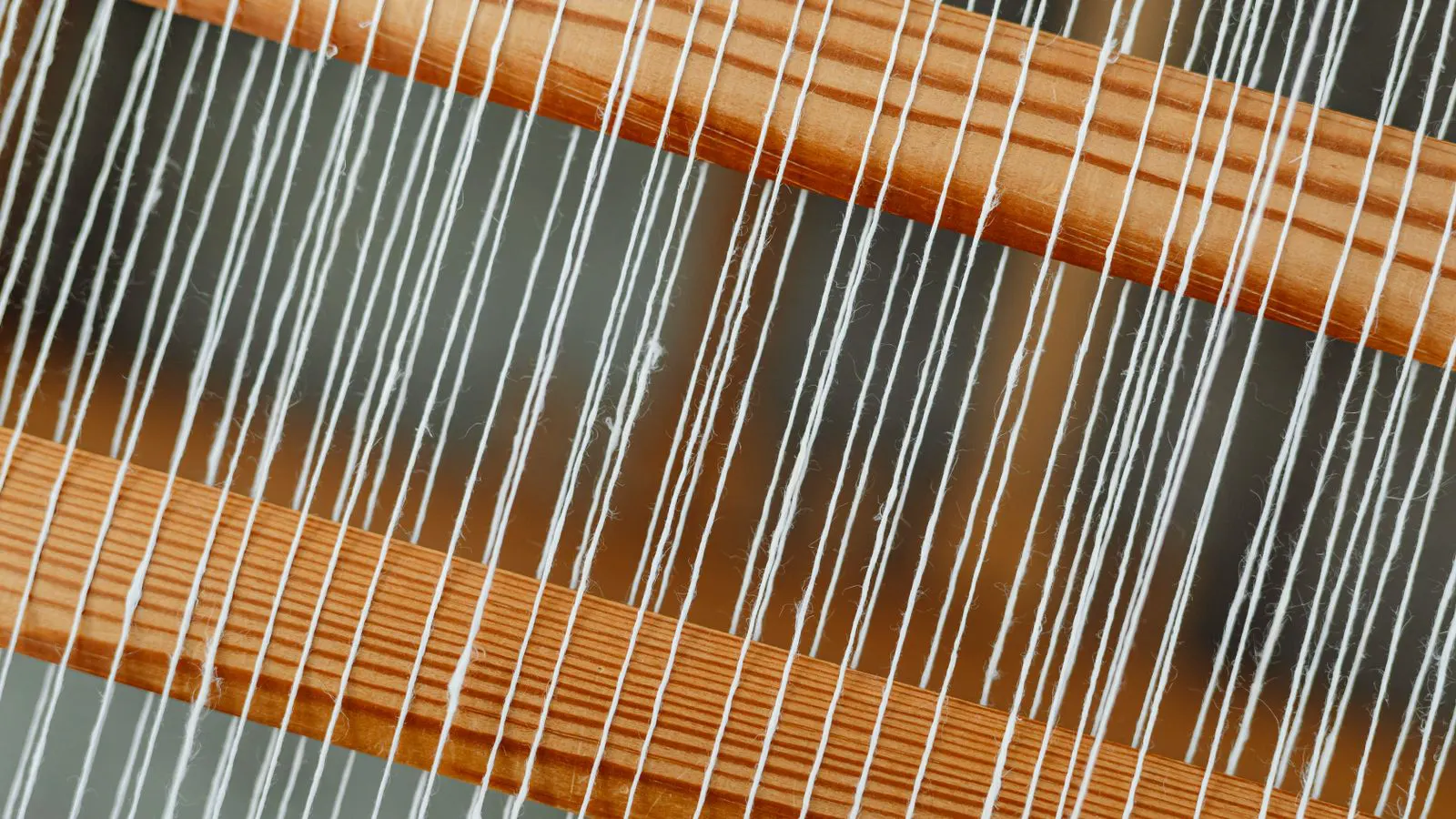
Choose a jacard loom for high pattern complexity and multi-color weaves. Choose a power loom for speed and lower cost on simple or medium patterns. The right choice
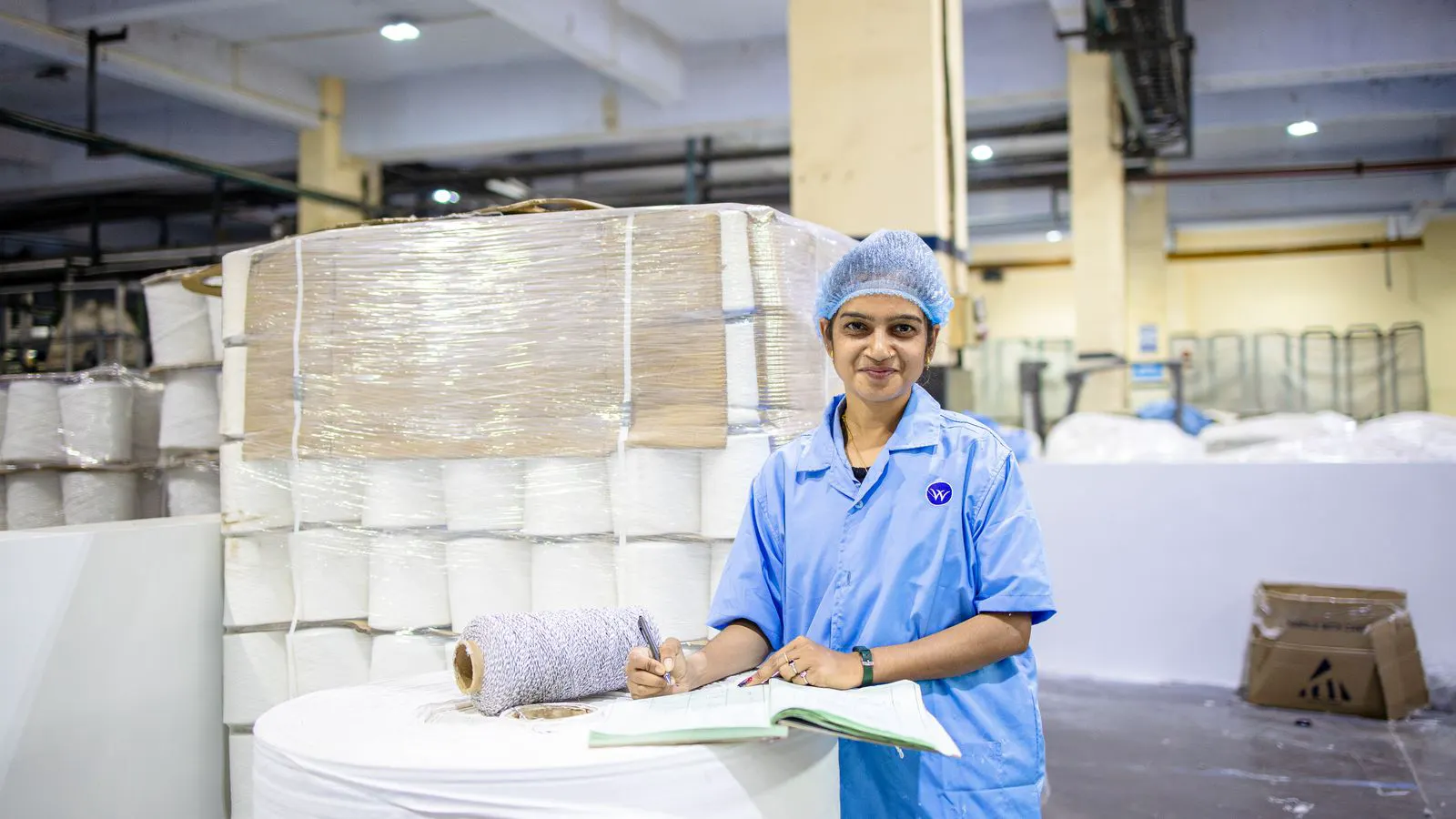
This guide provides a copyable checklist for verifying spinning frame air flow systems. It covers inspection points for filters, nozzles, and dampers to ensure
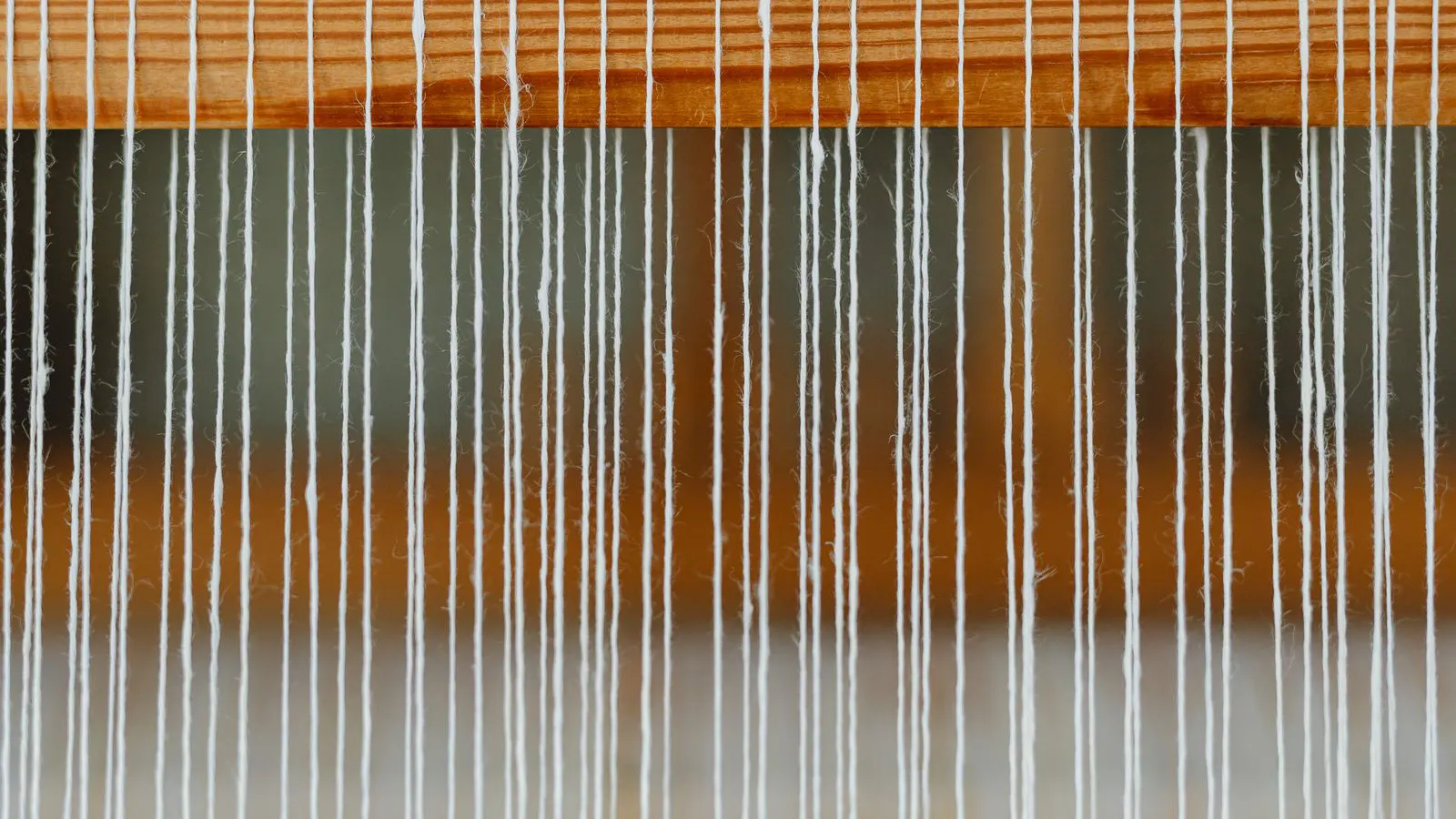
Proper warp feeding on power looms requires accurate loom tension setup and warp tension calibration. Follow these practical steps to verify take-up, check reed
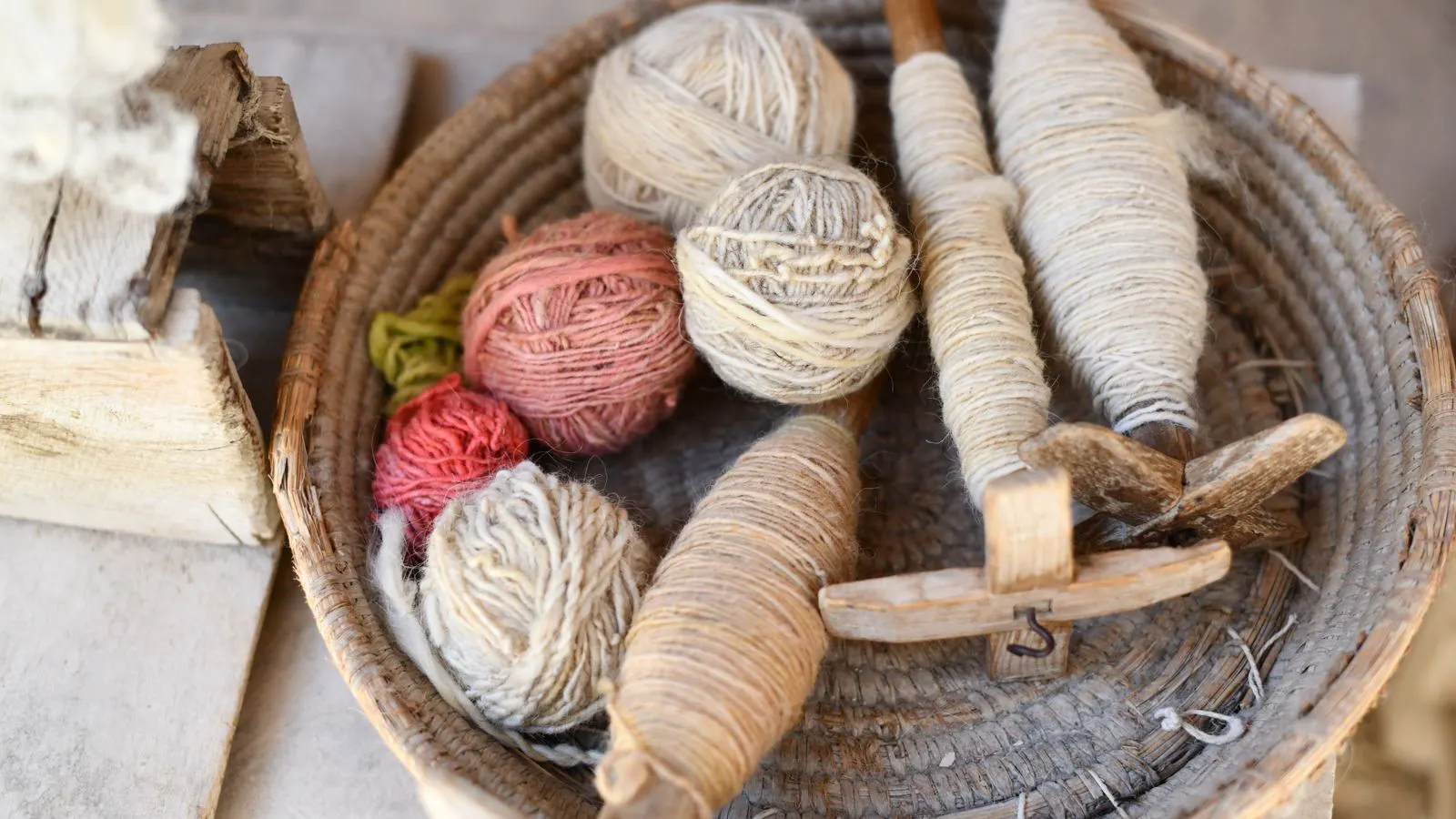
Rotor spinning delivers faster output for high-volume polyamide yarn, while air-jet spinning offers superior fiber control and consistency. Choose rotor for throughput
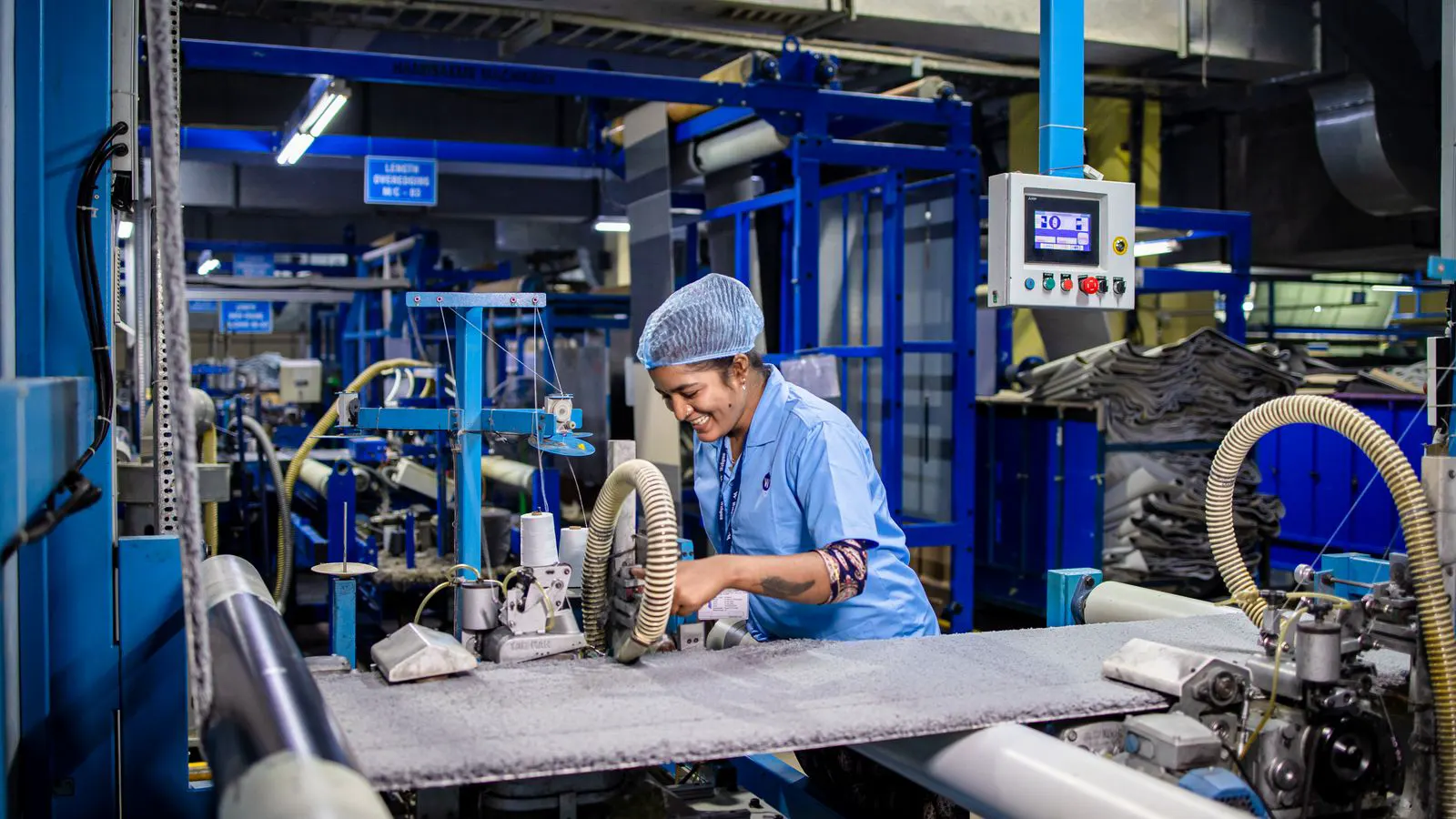
Selecting the right spinning frame for viscose yarn requires balancing yarn count, production volume, and mechanical stability. This guide outlines key criteria
Uneven tension on circular knitting machines usually stems from worn tension discs, misaligned yarn feeders, or damaged needles. This guide lists common symptoms and
A servo drive upgrade replaces mechanical or analog controls with digital motion management. Costs depend on loom type, thread count, and integration depth. Delivery
Spinning frame damping reduces vibration and twist drift. It lowers yarn irregularity and breakage. Buyers must match damping levels to yarn count and machine speed.
Engineers must weigh speed, yarn strength, and capital costs when comparing air-jet vs rotor spinning. Rotor spinning generally produces higher tensile strength with