Comparison: Air-Jet vs Rotor Spinning for Polyamide
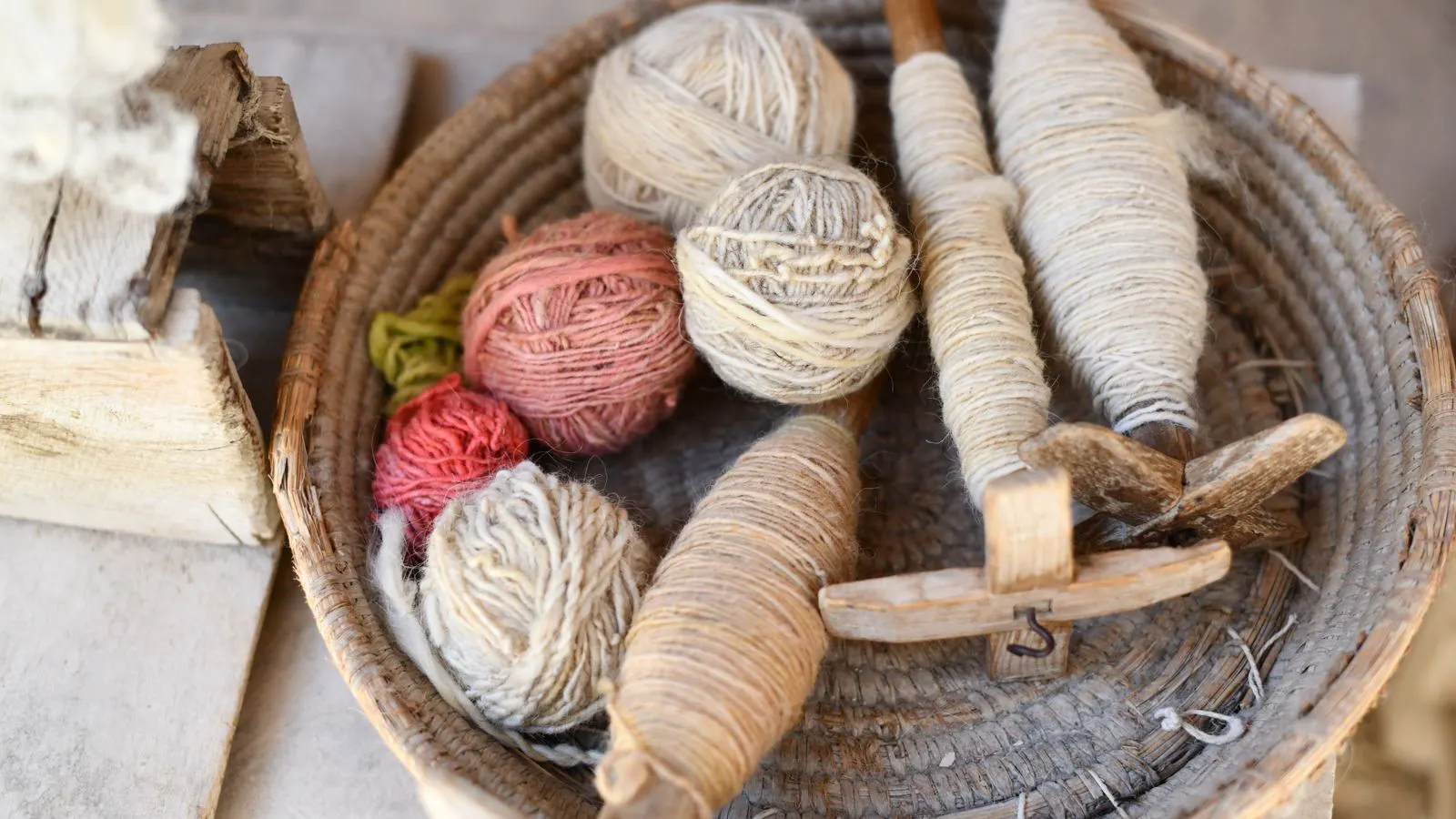
Rotor spinning delivers faster output for high-volume polyamide yarn, while air-jet spinning offers superior fiber control and consistency. Choose rotor for throughput and air-jet for uniformity when producing nylon yarn.
- Rotor spinning generally produces higher linear speed for polyamide, making it suitable for high-volume nylon yarn production.
- Air-jet spinning provides tighter control over fiber orientation, which improves yarn consistency and reduces end formation issues.
- The choice between the two methods depends on target yarn count, required tenacity, and production volume.
- Polyamide's low melting point and high thermal sensitivity require careful temperature and humidity management in both systems.
- Pilot runs are recommended to compare breakage rates and yarn defect density before committing to a full line.
Which Spinning Method Matches Polyamide Properties
Polyamide fibers present specific challenges for spinning operators. The material has a relatively low melting point, high thermal sensitivity, and a tendency to form strong end formation if not handled correctly. These traits influence the choice between air-jet and rotor spinning.
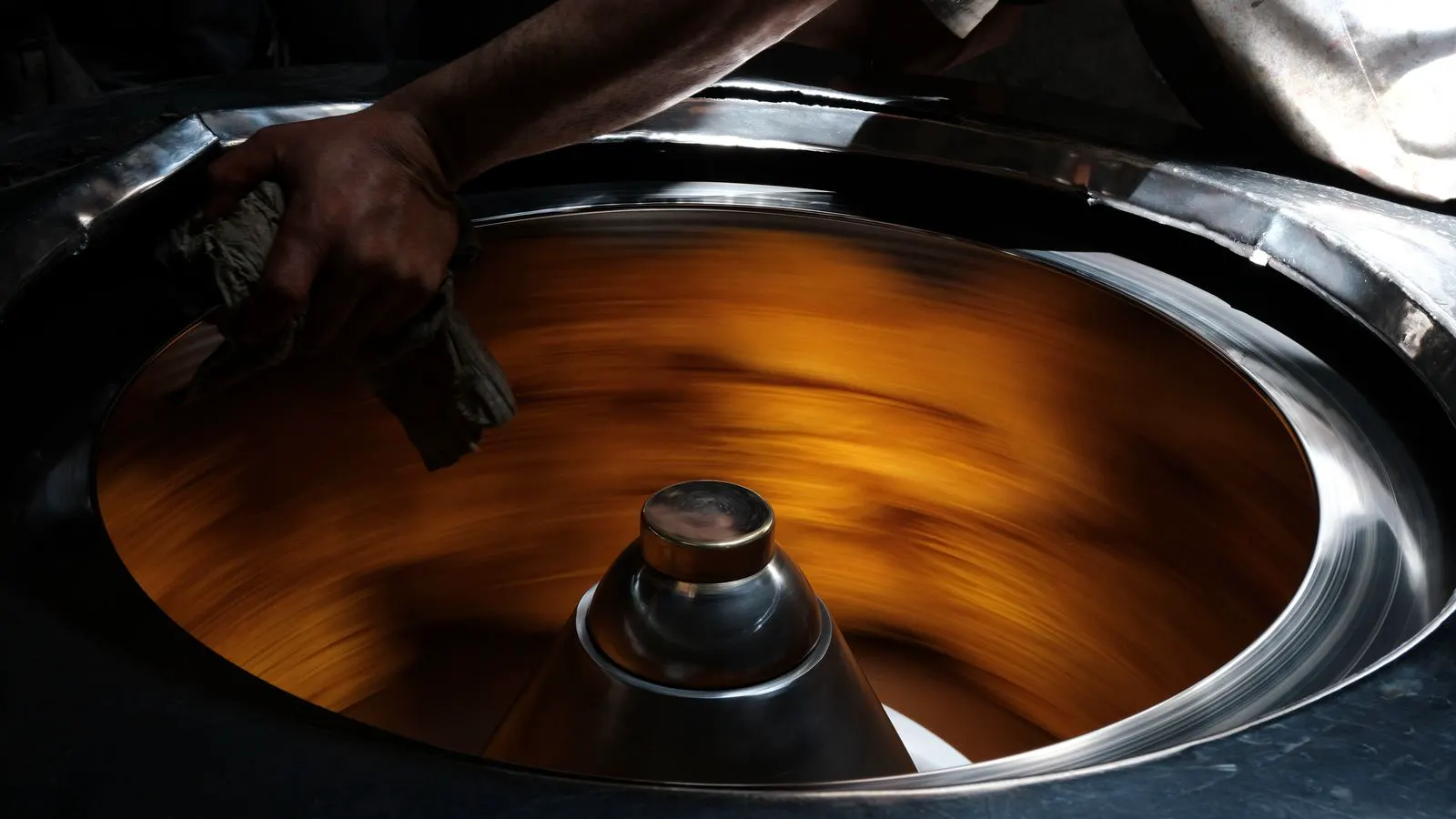
Air-jet spinning relies on compressed air to draw out and twist individual fibers into a continuous strand. The process uses a nozzle to create a high-velocity jet that separates and aligns the fiber bundle. Rotor spinning uses a rotating head with a drafting plate to draw fibers from the package and form the yarn. The yarn then passes through a spindle that adds twist.
Both methods work with polyamide, but the mechanics differ. Air-jet spinning processes fibers one at a time or in small groups, allowing precise control over the fiber path. Rotor spinning drafts multiple fibers simultaneously, creating higher throughput. For polyamide, this difference in speed and control directly impacts yarn quality and production cost.
How Output Quality Differs Between the Two Methods
Yarn quality is measured by consistency, end formation, tenacity, and defect density. Air-jet spinning typically produces yarn with lower variation in yarn thickness because each fiber is drawn separately. The air jet keeps the fibers aligned, reducing the chance of slubs or uneven twist.
Rotor spinning can produce high-quality yarn when parameters are tuned correctly. The drafting plate and guide system must be adjusted to match the polyamide’s stiffness and elasticity. If the drafting is too aggressive, the fibers may break or form ends. If it is too gentle, the yarn may have poor cohesion.
For nylon yarn production, end formation is a common concern. Air-jet spinning reduces this risk because the air jet controls the fiber tip position. Rotor spinning requires careful adjustment of the drafting plate angle and the yarn guide to prevent fiber ends from protruding into the yarn.
Tenacity also varies. Air-jet spinning can achieve higher tenacity in finer yarns because the twist is applied more evenly. Rotor spinning may show lower tenacity in very fine counts due to the draft length. Operators often use rotor spinning for medium to coarse polyamide yarns where higher speed is needed.
Throughput and Production Speed
Throughput is the main advantage of rotor spinning. The machine can draft multiple fibers at once, allowing it to produce more yarn per hour than air-jet spinning. For high-volume polyamide yarn spinning, this speed difference can significantly reduce cost per kilogram.
Air-jet spinning is slower. Each fiber or fiber group must be drawn out individually, which limits the number of yarns produced per minute. However, the slower speed can be an advantage when producing specialty polyamide yarns that require precise control over twist and tension.
The production speed of both methods depends on the yarn count. For coarse polyamide yarns, rotor spinning can run at higher speeds. For fine yarns, air-jet spinning may be more practical because the fibers are easier to control in a small bundle.
Operators should consider the target production volume. If the goal is to produce large quantities of standard polyamide yarn, rotor spinning is often the better choice. If the goal is to produce high-consistency yarn for specific applications, air-jet spinning may justify the lower speed.
Equipment and Maintenance Requirements
Both air-jet and rotor spinning machines require regular maintenance, but the wear patterns differ. Air-jet spinning machines have nozzles, air filters, and tensioning devices that can wear over time. The compressed air system must be kept clean to prevent moisture and oil from contaminating the fibers.
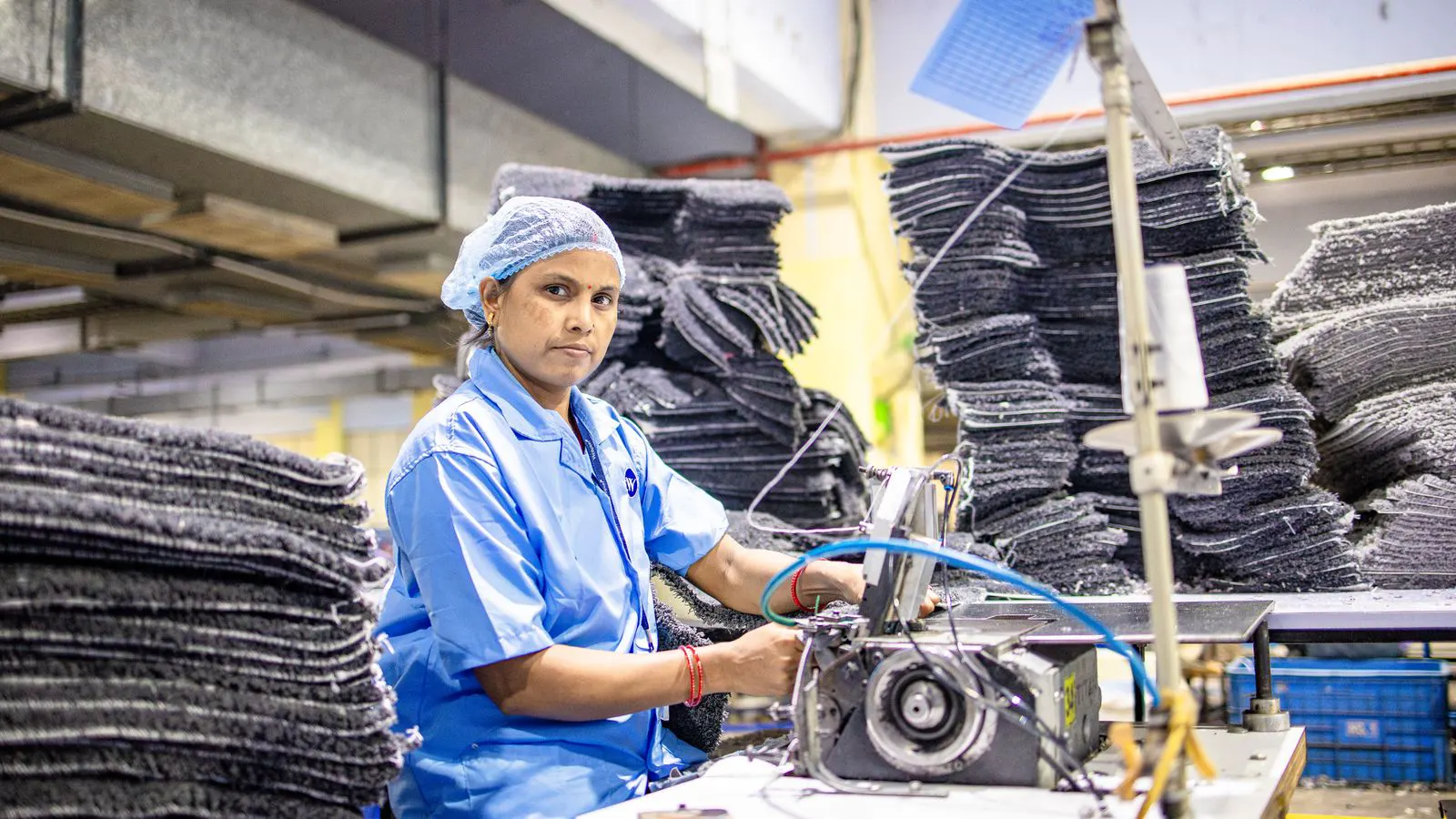
Rotor spinning machines have rotating heads, drafting plates, and spindles. These parts experience high friction and must be lubricated and aligned regularly. The drafting plate angle is a critical setting that affects yarn quality. If it drifts, the yarn may develop uneven twist or higher breakage rates.
For polyamide, temperature and humidity control are important in both systems. Polyamide can soften at lower temperatures, which may affect fiber strength and twist. Air-jet spinning requires stable air temperature to maintain consistent fiber draw. Rotor spinning requires stable ambient conditions to prevent fiber stickiness or excessive stiffness.
Maintenance costs vary by machine design and operating environment. Humid environments may require more frequent cleaning of air filters in air-jet systems. Dusty environments may require more frequent inspection of drafting plates in rotor systems.
When to Pick Air-Jet Spinning
Air-jet spinning is the better choice when yarn consistency is the top priority. It is well suited for producing fine polyamide yarns with high uniformity. The method also works well for specialty nylon yarn production where low end formation and high tenacity are required.
Consider air-jet spinning if you need:
- High yarn consistency for downstream processing.
- Low end formation for applications that require clean yarn surfaces.
- Production of fine polyamide counts where fiber control is critical.
- A system that can maintain stable twist under varying fiber conditions.
The slower speed of air-jet spinning may be acceptable if the yarn commands a premium price or if the quality requirements are strict. It is also a good option for low-volume or trial runs where flexibility and quality control matter more than throughput.
When to Pick Rotor Spinning
Rotor spinning is the better choice when production volume and cost efficiency are the main goals. It is well suited for producing medium to coarse polyamide yarns in large quantities. The high drafting speed allows operators to meet production targets without sacrificing too much quality.
Consider rotor spinning if you need:
- High throughput for standard nylon yarn production.
- A lower cost per kilogram of finished yarn.
- Production of coarse polyamide counts where drafting speed is less critical.
- A system that can be scaled for large factory operations.
Rotor spinning requires careful setup to maintain quality. Operators must monitor drafting plate angle, yarn guide position, and twist ratio closely. If these parameters are not adjusted for polyamide, the yarn may show higher defect density than expected.
Side-by-Side Comparison
| Option | Best for | Limitations |
|---|---|---|
| Air-jet spinning | Fine polyamide yarns, high consistency, low end formation | Lower production speed, higher cost per kilogram, slower changeover between yarn counts |
| Rotor spinning | High-volume production, coarse polyamide yarns, cost efficiency | Higher risk of end formation, sensitive to drafting plate alignment, may show more variation in fine counts |
The table shows the main trade-offs. Air-jet spinning wins on quality control. Rotor spinning wins on speed and volume. The best choice depends on the specific polyamide yarn spinning requirements of your operation.
Practical Selection Steps
Before choosing a spinning method, define your target yarn specifications. Determine the yarn count, tenacity, twist ratio, and acceptable defect density. These numbers guide the decision more than general preferences.
Run a pilot test on both methods if possible. Use the same polyamide fiber source and the same downstream processing conditions. Measure breakage rate, end formation, and yarn thickness variation. The pilot test gives you real data to compare.
Check your facility conditions. Air-jet spinning requires a stable compressed air supply with low moisture. Rotor spinning requires a clean, temperature-controlled environment. If your factory has high humidity or temperature swings, one method may be easier to maintain than the other.
Consider your team experience. Operators who are familiar with rotor spinning may find it easier to manage high-speed production. Operators with a background in air-jet spinning may be better at fine-tuning yarn consistency.
Finally, look at your production plan. If you expect to increase volume over time, rotor spinning may scale better. If you plan to focus on specialty or high-quality polyamide yarns, air-jet spinning may be a better long-term fit.
Final Note on Polyamide Specifics
Polyamide is not a single fiber type. Different grades have different melt strengths, thermal sensitivities, and elasticity. The spinning method that works well for one grade may not work as well for another. Always test the specific polyamide fiber you plan to use.
The choice between air-jet and rotor spinning for nylon yarn production is not about which method is better in general terms. It is about which method fits your yarn target, your volume, and your facility. Use the comparison to narrow your options, then let pilot data confirm the decision.
Frequently asked questions
Can air-jet spinning handle coarse polyamide yarns?
Yes, but it may not be the most efficient choice. Coarse polyamide yarns are easier to draft at high speed, so rotor spinning is often preferred for cost efficiency. Air-jet spinning can still be used if high consistency is required.
Does rotor spinning produce more end formation in polyamide than air-jet?
Generally, yes. The drafting plate in rotor spinning can allow fiber ends to protrude if not adjusted correctly. Air-jet spinning controls the fiber tip with compressed air, which reduces this risk.
Which method is better for fine polyamide counts?
Air-jet spinning is usually better for fine counts because it provides tighter fiber control. The small bundle size and individual fiber draw make it easier to maintain uniformity in thin yarns.
How does temperature affect spinning polyamide?
Polyamide can soften at lower temperatures, which may change fiber stiffness and twist behavior. Both methods require stable temperature and humidity to maintain consistent yarn quality.
Can I switch between air-jet and rotor spinning on the same line?
Not typically. The machines are designed with different drafting and twist systems. Changing from one method to the other usually requires a different machine or major retrofits.