Buyers Guide: Selecting Spinning Frames for Specialty Yarns
Specialty yarn spinning frames must match fiber type, count, and quality targets. This guide explains how to evaluate drive systems, drafting zones, and control features to choose the right configuration for viscose, blends, and fine counts.
- Match frame configuration to fiber behavior and count to avoid tension and quality issues.
- Verify drafting zones and air flow systems before finalizing a purchase.
- Test multiple fiber blends on the frame before committing to full production.
- Review control data logs to confirm consistency across the production run.
How fiber type changes the frame requirements
Fiber behavior is the starting point for any specialty yarn spinning frame selection. Viscose, polyamide, and blended fibers each respond differently to twist, tension, and air flow. A frame that works well for cotton may struggle with viscose because of its higher slipperiness and lower initial strength.
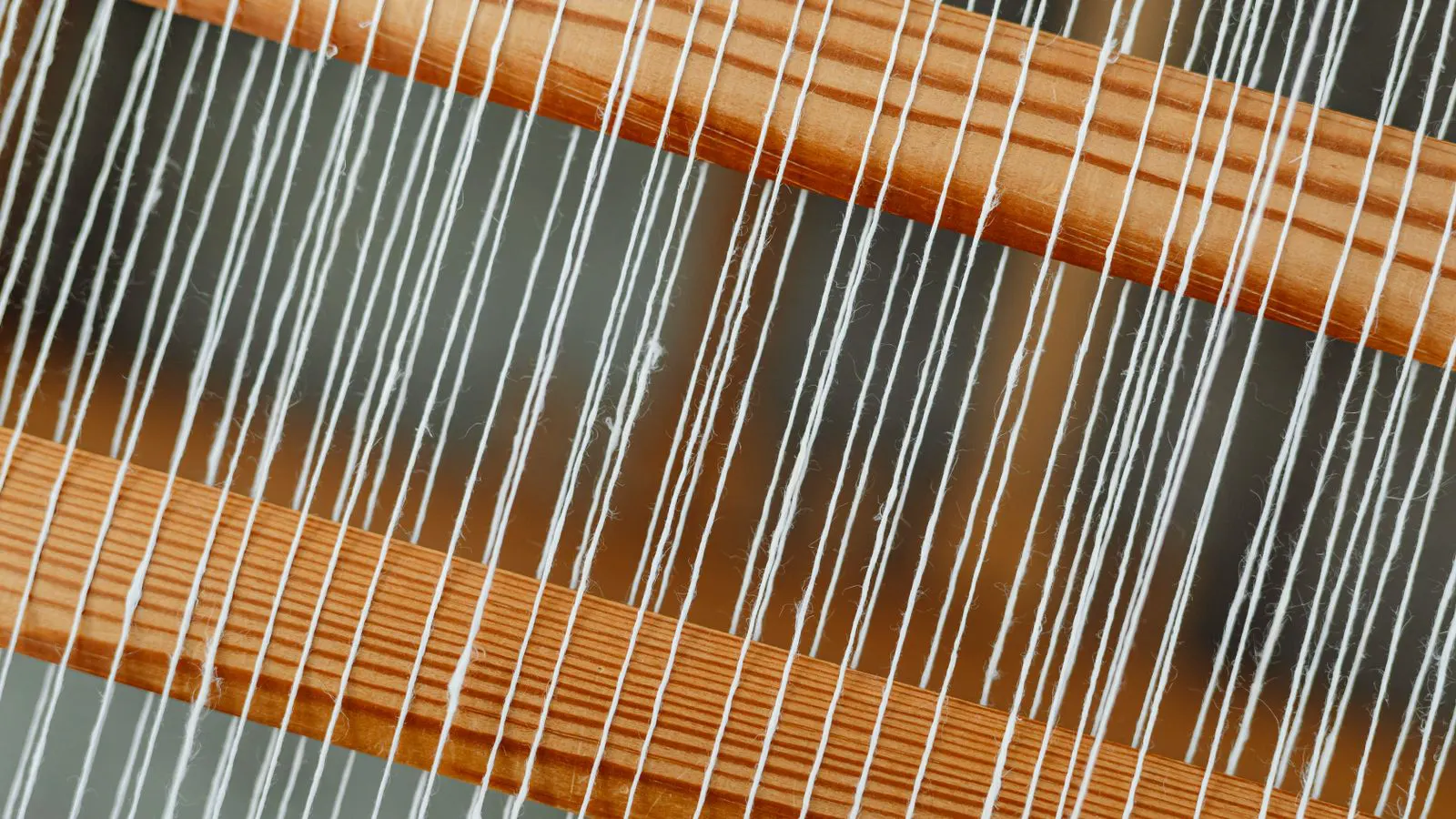
The drafting zone is the first area to scrutinize. This section controls how fibers are aligned and extended before twist is applied. For specialty fibers, the drafting zone must handle variable fiber lengths and lower cohesion without creating lumps or thin spots.
The drive system also matters. Some frames use continuous drive, while others use intermittent drive. Continuous drive maintains a steady production rate but demands tighter tension control. Intermittent drive can be more forgiving on difficult fibers but may reduce efficiency on high counts.
What count and twist influence in frame selection
Yarn count determines the frame capacity and the twist application method. Fine counts require tighter control over twist and less variation in fiber feed. Coarse counts allow more tolerance but still need consistent tension to avoid uneven twist distribution.
The twist application method is a key differentiator. Ring spinning provides high quality and low variation, making it suitable for fine counts. Air jet spinning offers higher speed but requires more precision in drafting and air flow control. Rotor spinning sits between the two, balancing speed and quality.
For specialty yarns, the twist application method must align with the fiber’s resistance to slippage. Viscose, for example, may require a frame with enhanced twist control to prevent breakage. Polyamide may need a frame that manages heat and friction more effectively during high speed operation.
Evaluating the drafting and twist control system
The drafting and twist control system is the heart of the frame. It determines how fibers are aligned and how twist is inserted. For specialty yarns, this system must handle variable fiber behavior without creating defects.
Look at the drafting rollers and their surface material. Smooth rollers reduce friction and help fibers move evenly. Rough rollers can increase drag and cause uneven twist. The roller diameter and gap also affect the drafting zone, with smaller gaps providing tighter control for fine counts.
The twist insertion point is another critical area. For ring spinning, the twist is inserted after the fiber passes through the drafting zone. For air jet spinning, twist is inserted with compressed air. The position and pressure of the air jet determine how well the fibers are aligned.
Air flow and tension management
Air flow and tension management are closely linked. In air jet spinning, the air jet carries twist and also helps align fibers. In ring spinning, air flow is less critical but still affects fiber behavior during drafting.
The air flow system must be able to handle different fiber types. Viscose, for example, may require more controlled air flow to prevent slippage. Polyamide may need less air flow to avoid overheating.
Tension management is equally important. Tension varies along the yarn path, from the drafting zone to the winding section. Each section must be adjusted to maintain consistent tension. Tension sensors and feedback systems help monitor and correct variations in real time.
Quality control and data logging
Yarn quality control is not just about the final product. It is about monitoring the process at every stage. Specialty yarn spinning frames should include sensors and data logging to track twist, tension, and air flow throughout the production run.
The quality control system should be able to detect and log defects such as lumps, thin spots, and excessive twist. These defects can be traced back to specific sections of the frame, helping operators identify and correct issues quickly.
Data logging is also useful for comparing different fiber blends and counts. By analyzing the data, buyers can see how the frame performs under different conditions and make informed decisions about future purchases.
Practical considerations for specialty yarn production
Practical considerations include the frame’s layout, maintenance requirements, and integration with other machinery. Specialty yarn production often involves changing fiber blends and counts, so the frame should be easy to reconfigure.
The layout of the frame affects how operators access the drafting zone and twist insertion point. A well-designed frame allows operators to adjust settings and inspect the yarn without stopping production.
Maintenance requirements also matter. Frames with complex air flow systems may require more frequent cleaning and calibration. Buyers should ask for maintenance schedules and service agreements when evaluating a frame.
Integration with other machinery is another practical concern. The frame must work with the winding machine, quality control system, and any downstream processing. Compatibility with existing systems can save time and reduce costs.
Criteria table for selecting specialty yarn spinning frames
| Criterion | What to look for | Why it matters |
|---|---|---|
| Fiber compatibility | Frame can handle viscose, polyamide, and blended fibers without excessive breakage | Ensures the frame is suitable for specialty yarns and reduces downtime |
| Count range | Frame supports the target count range with minimal adjustment | Allows flexibility for different yarn counts and reduces the need for multiple frames |
| Twist control | Precise twist insertion with sensors and feedback systems | Maintains consistent twist and reduces defects such as lumps and thin spots |
| Air flow system | Adjustable air flow with calibration tools | Controls fiber alignment and prevents slippage or overheating |
| Data logging | Sensors track twist, tension, and air flow with a data log | Helps operators identify and correct issues and compare different fiber blends |
| Ease of reconfiguration | Frame can be adjusted for different fiber blends and counts quickly | Reduces changeover time and increases production efficiency |
Decision checklist
- Confirm the fiber type and count range for the intended production.
- Review the drafting zone design and roller material for the target fiber behavior.
- Check the twist insertion method and control system for the required count.
- Verify the air flow system can handle the fiber type and temperature.
- Test the frame with multiple fiber blends and counts before finalizing the purchase.
- Review the data logging and quality control features for consistency and traceability.
- Assess the frame’s layout, maintenance requirements, and integration with existing machinery.
- Request a trial run on the frame to evaluate yarn quality and production rate.
How to verify the frame during a trial run
A trial run is the best way to verify a specialty yarn spinning frame. Run the frame with the target fiber blend and count for a sustained period. Monitor the yarn for defects such as lumps, thin spots, and excessive twist.
Check the tension and air flow settings throughout the trial run. Adjust the settings as needed and record the changes. Compare the yarn quality from different settings to identify the optimal configuration.
Review the data log after the trial run. Look for patterns in defects and adjust the frame settings to reduce them. If the data log shows consistent issues in a specific section of the frame, investigate that section before proceeding to full production.
Final thoughts on frame selection
Selecting a specialty yarn spinning frame is a process of matching the frame’s capabilities to the fiber, count, and quality targets. The frame must handle the fiber behavior, control twist and tension, and provide reliable quality control.
A well-chosen frame reduces defects, improves production efficiency, and supports consistent yarn quality. By using the criteria table and decision checklist, buyers can evaluate frames with confidence and make informed decisions.
The trial run is a critical step. It allows buyers to verify the frame’s performance under real production conditions and identify any issues before committing to full production.
Frequently asked questions
What is the best frame for viscose yarn?
A frame with enhanced twist control and adjustable air flow is best for viscose yarn. The frame must handle viscose's slippage and lower initial strength without causing breakage.
How do I know if a frame can handle a fine count?
Check the drafting zone design and twist insertion method. Fine counts require tighter control over twist and less variation in fiber feed. Look for sensors and feedback systems that monitor twist and tension.
Can a frame be reconfigured for different fiber blends?
Yes, but the ease of reconfiguration varies by frame. Look for frames with adjustable drafting rollers and twist insertion points that can be changed quickly. Test the frame with multiple fiber blends before finalizing the purchase.
What data should I review after a trial run?
Review the data log for defects such as lumps, thin spots, and excessive twist. Check the tension and air flow settings throughout the trial run and compare the yarn quality from different settings.
How often should I clean the air flow system?
The cleaning frequency depends on the fiber type and production rate. Viscose and polyamide may require more frequent cleaning due to their tendency to shed fibers. Follow the manufacturer's maintenance schedule.