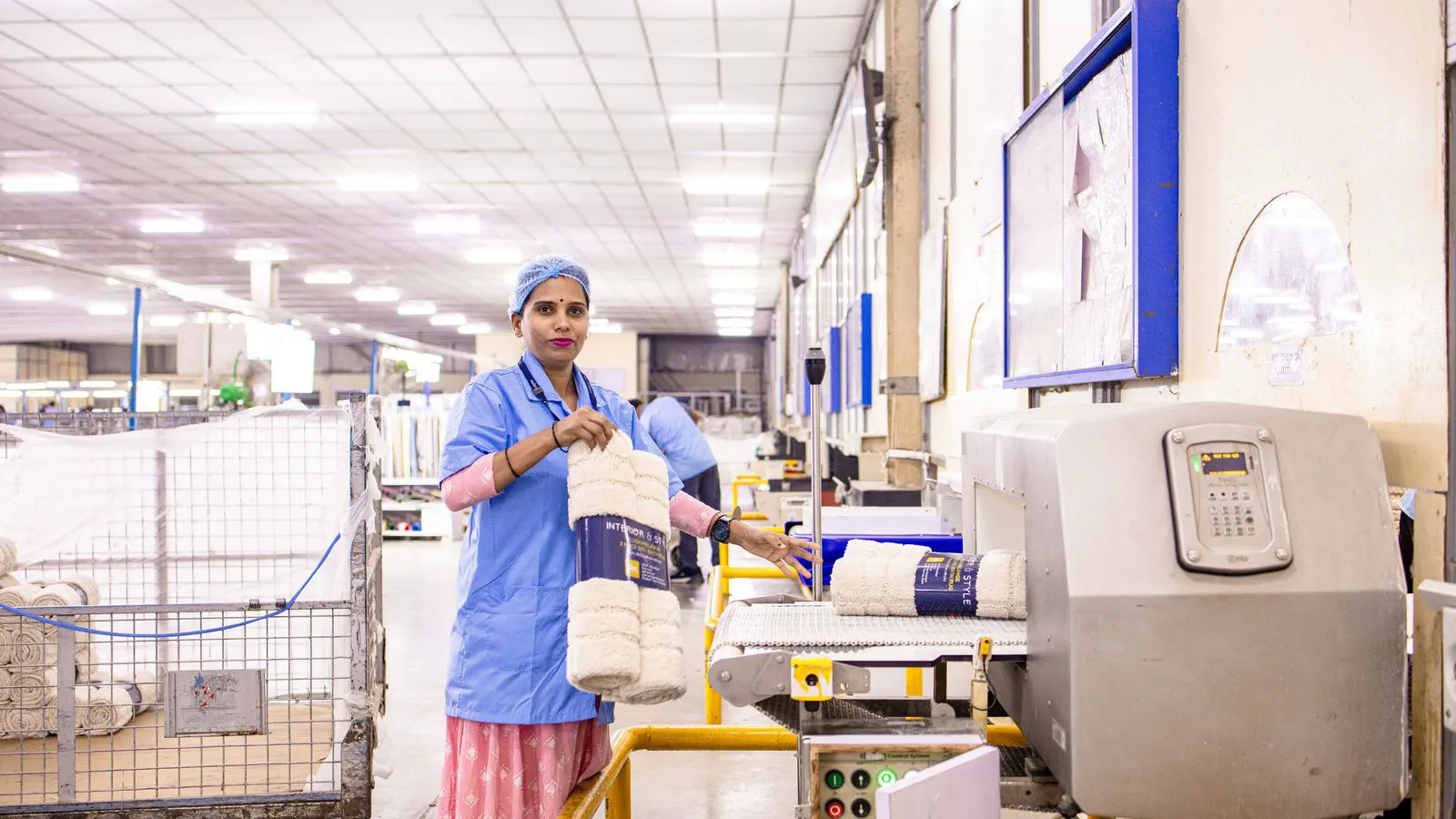
Automation
Outlook: Process Integration in Smart Textile Plants
Process integration moves beyond single-machine automation to connect the entire production floor. This guide outlines five key shifts for smart textile factories and
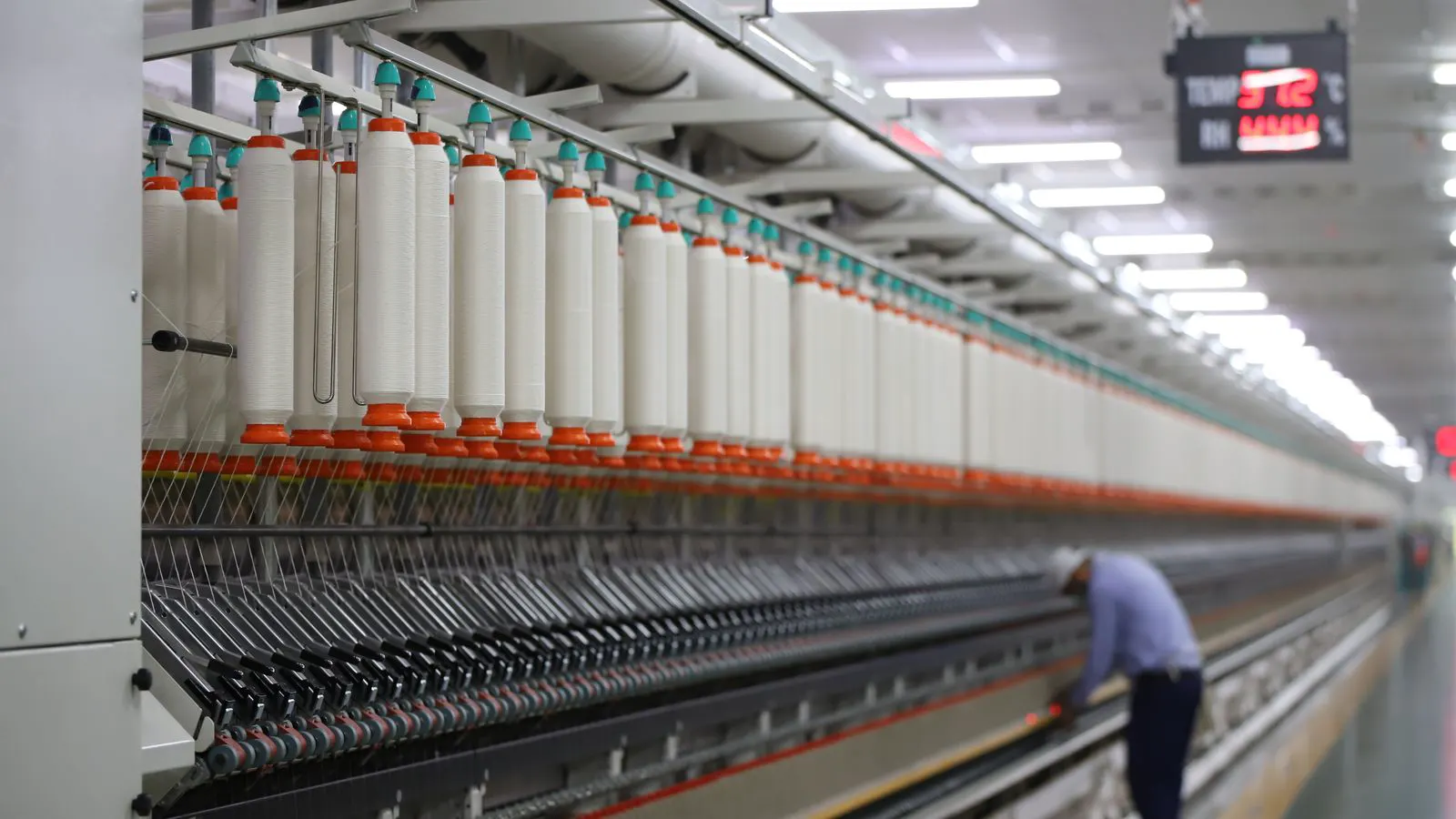
Practical textile machinery knowledge for buyers and engineers
Buyers decide on textile machinery through supplier capability, machine specifications, lead time, and quality checks. This site explains those factors with plain language and practical detail. It covers spinning, weaving, knitting, dyeing, sewing, and automation equipment used across the supply chain.
The content is written for buyers and engineers who need to evaluate options before contacting suppliers. Each section explains how a machine works, what specs matter, and what questions to ask during qualification. The goal is to reduce uncertainty and support better purchasing decisions.
Start with the stage of the sourcing process you are in.
Practical guides on spinning and weaving machinery selection, maintenance, and production efficiency for mills.
Technical insights on knitting machine types, parts, troubleshooting, and capacity planning for apparel manufacturers.
Information on dyeing and finishing equipment, process control, water management, and quality assurance in textiles.
Guides on industrial sewing machines, garment assembly equipment, and line setup for apparel production facilities.
Overview of textile automation solutions, robotic handling, and process integration for modern manufacturing plants.
Practical frameworks for evaluating machine costs, calculating return on investment, and planning textile capital projects.
Checklists and evaluation criteria for selecting textile machinery suppliers, negotiating terms, and ensuring after-sales support.
Process integration moves beyond single-machine automation to connect the entire production floor. This guide outlines five key shifts for smart textile factories and

This checklist guides plant managers through verifying robotic handling lines before activation. It covers safety verification, mechanical alignment, control logic, and
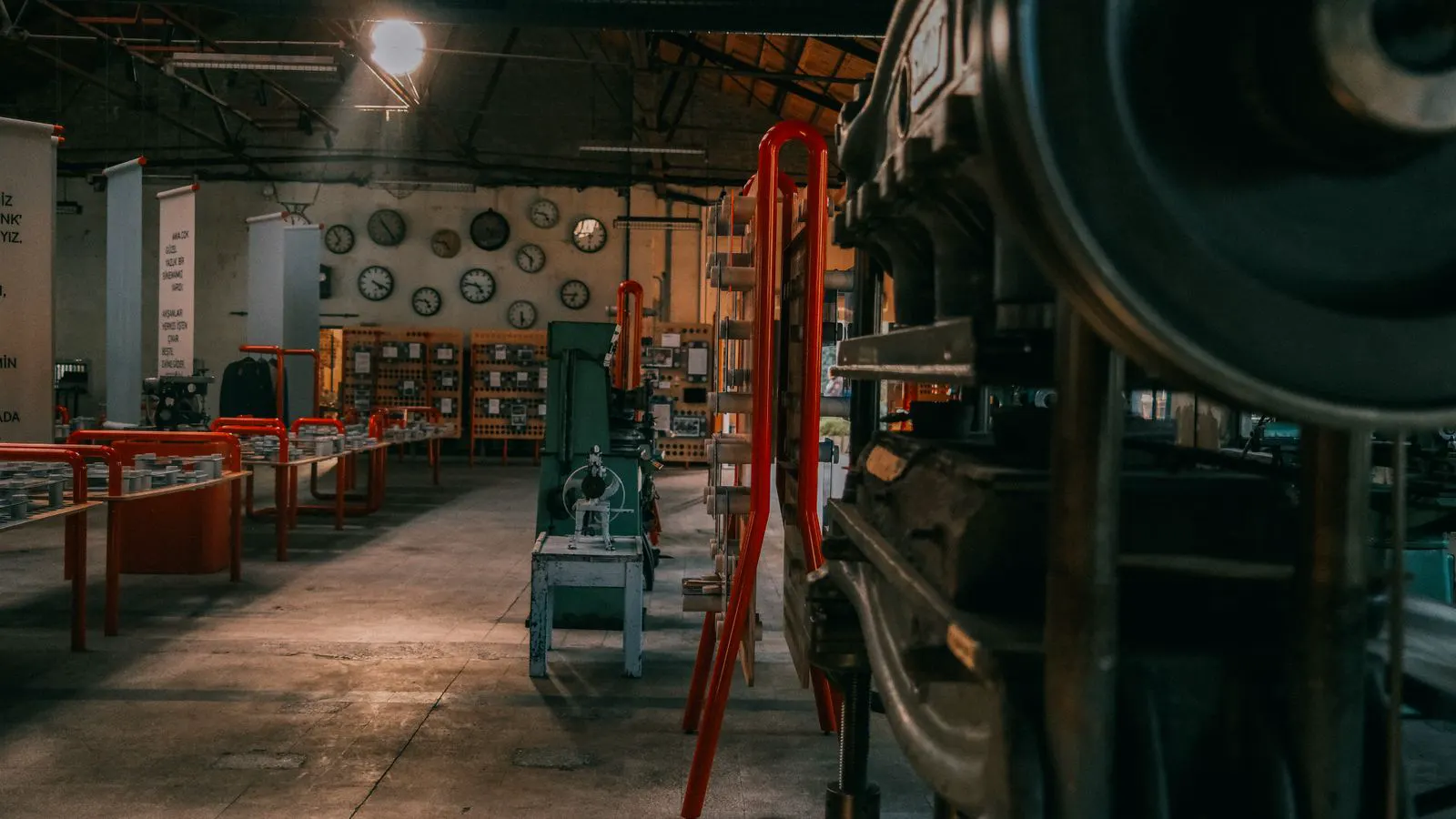
Supplier warranty exclusions define the specific actions, conditions, and environments that remove manufacturer protection from textile machinery. Procurement teams must
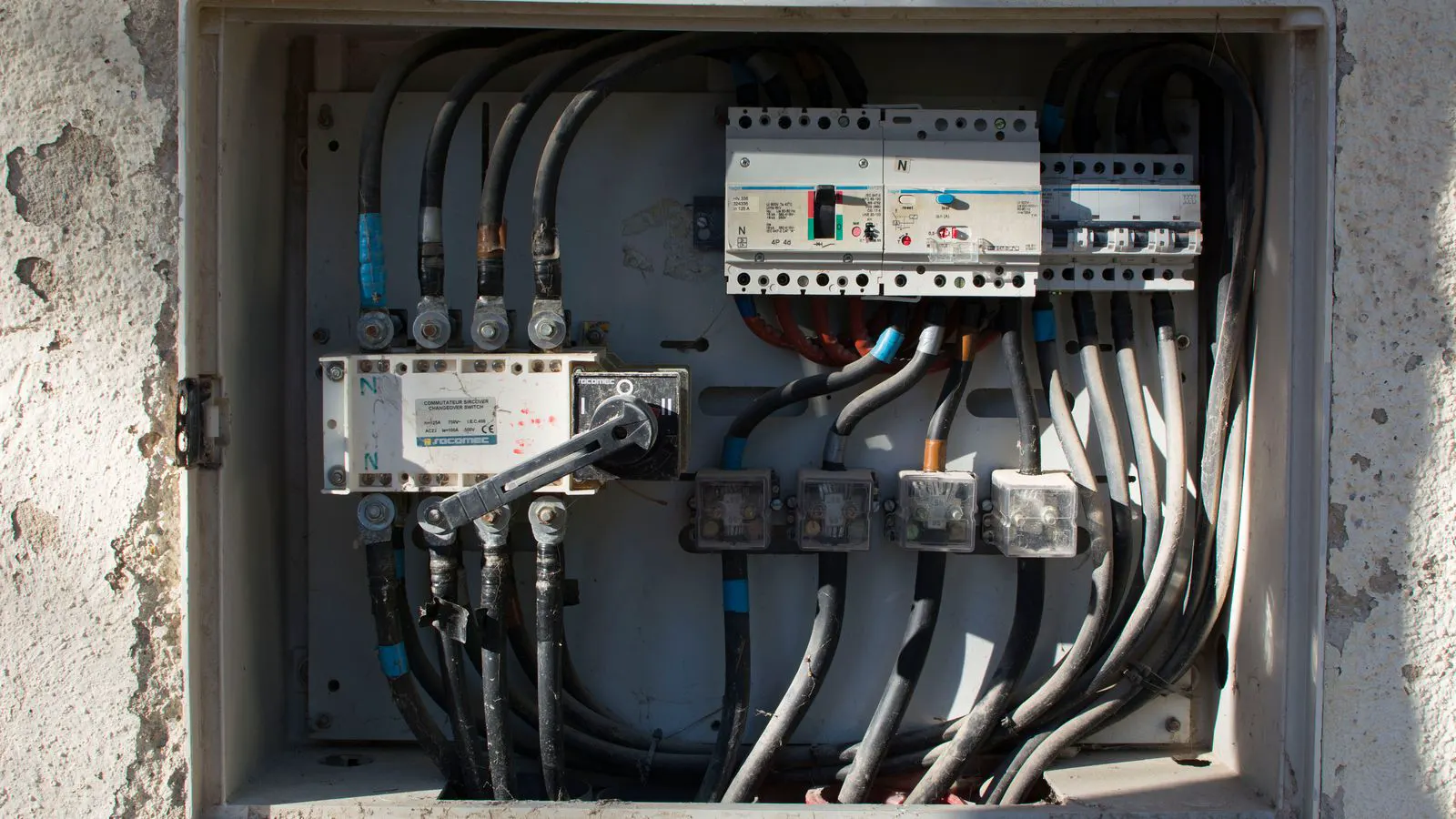
This audit checklist provides a practical list for importers and engineers to verify electrical compliance, insulation, and grounding on new knitting machines. It covers
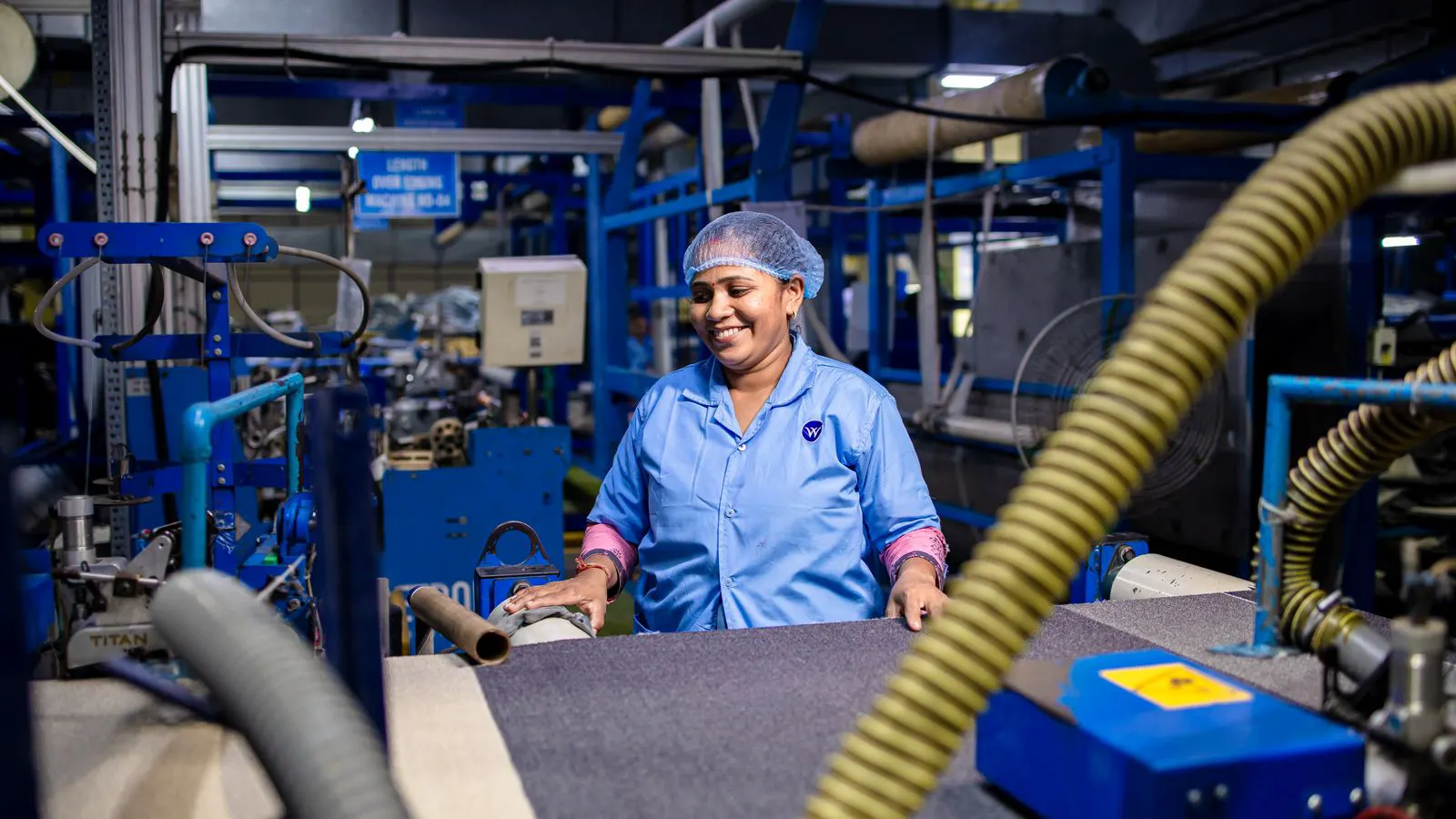
Reduce effluent load by optimizing dyeing machine selection, adjusting water ratios, and implementing water management systems. These practical steps lower wastewater
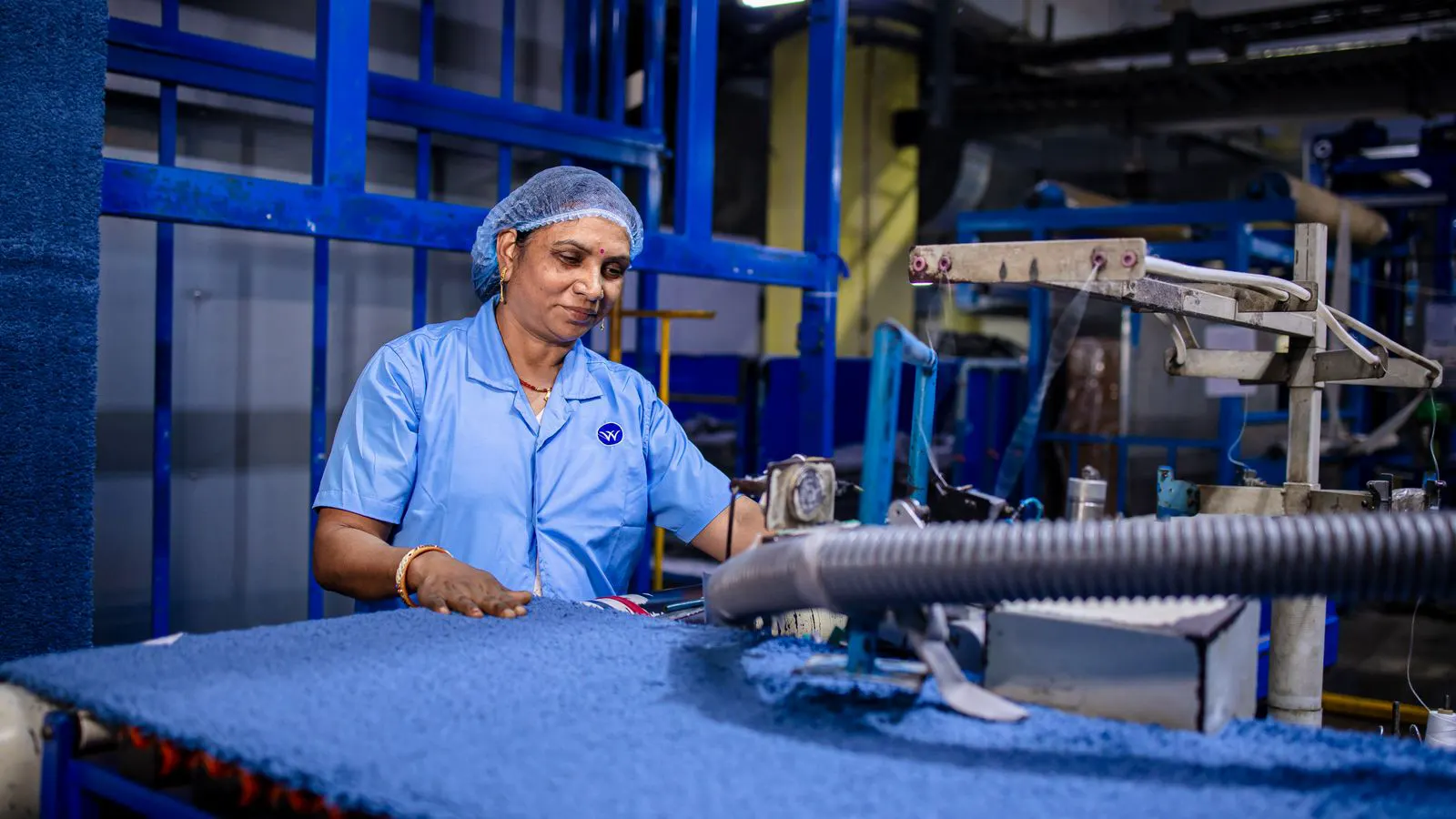
Proper vision system calibration aligns camera geometry, lighting, and sensitivity with fabric properties. This guide provides a step-by-step method for engineers to

A balanced sewing line setup requires matching machine speed to labor capacity and thread feed. By calibrating industrial sewing machines and aligning assembly equipment
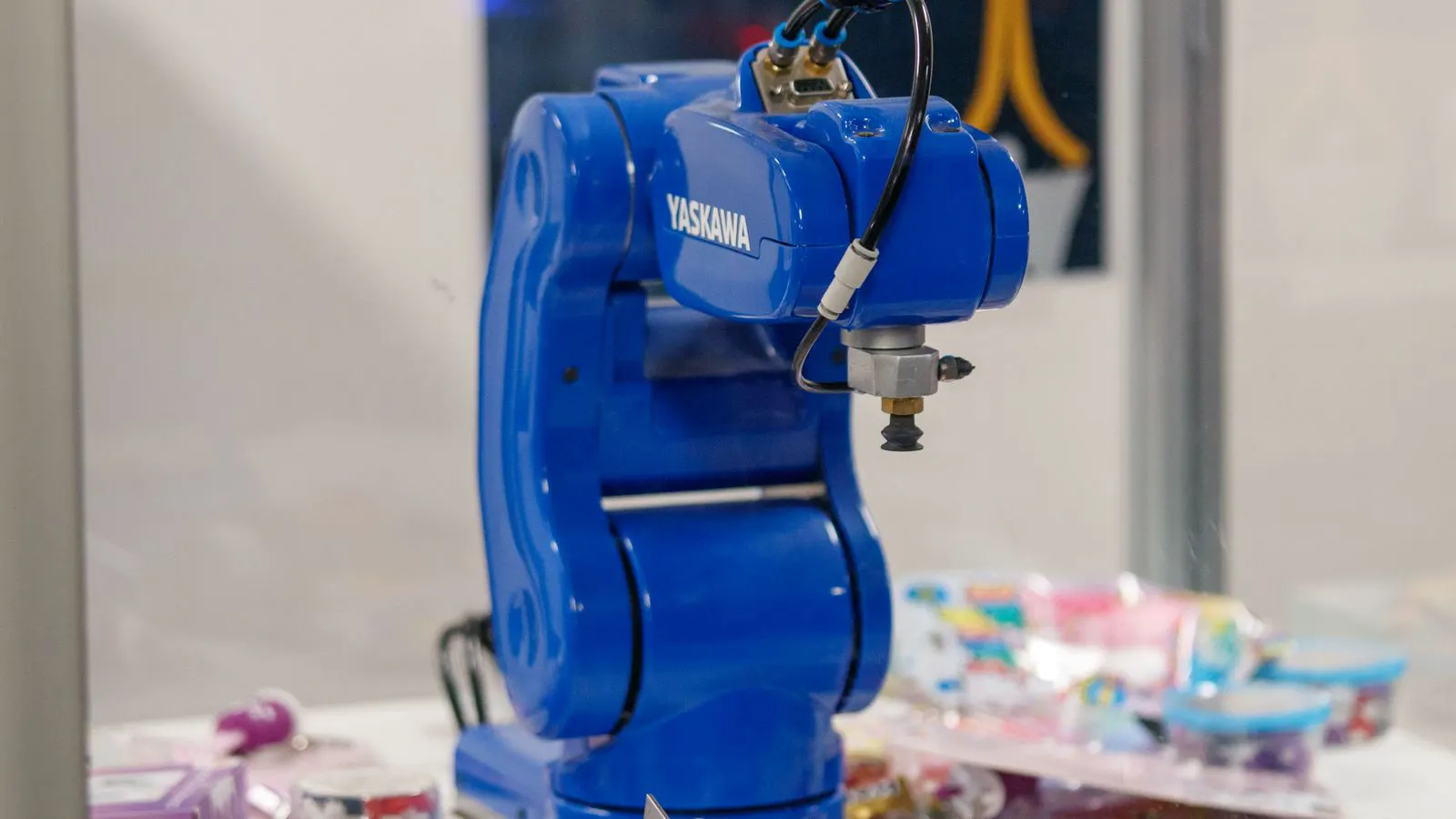
Selecting a robotic palletizer requires matching payload capacity, cycle time, and integration features to your warehouse layout and finished goods mix. This guide
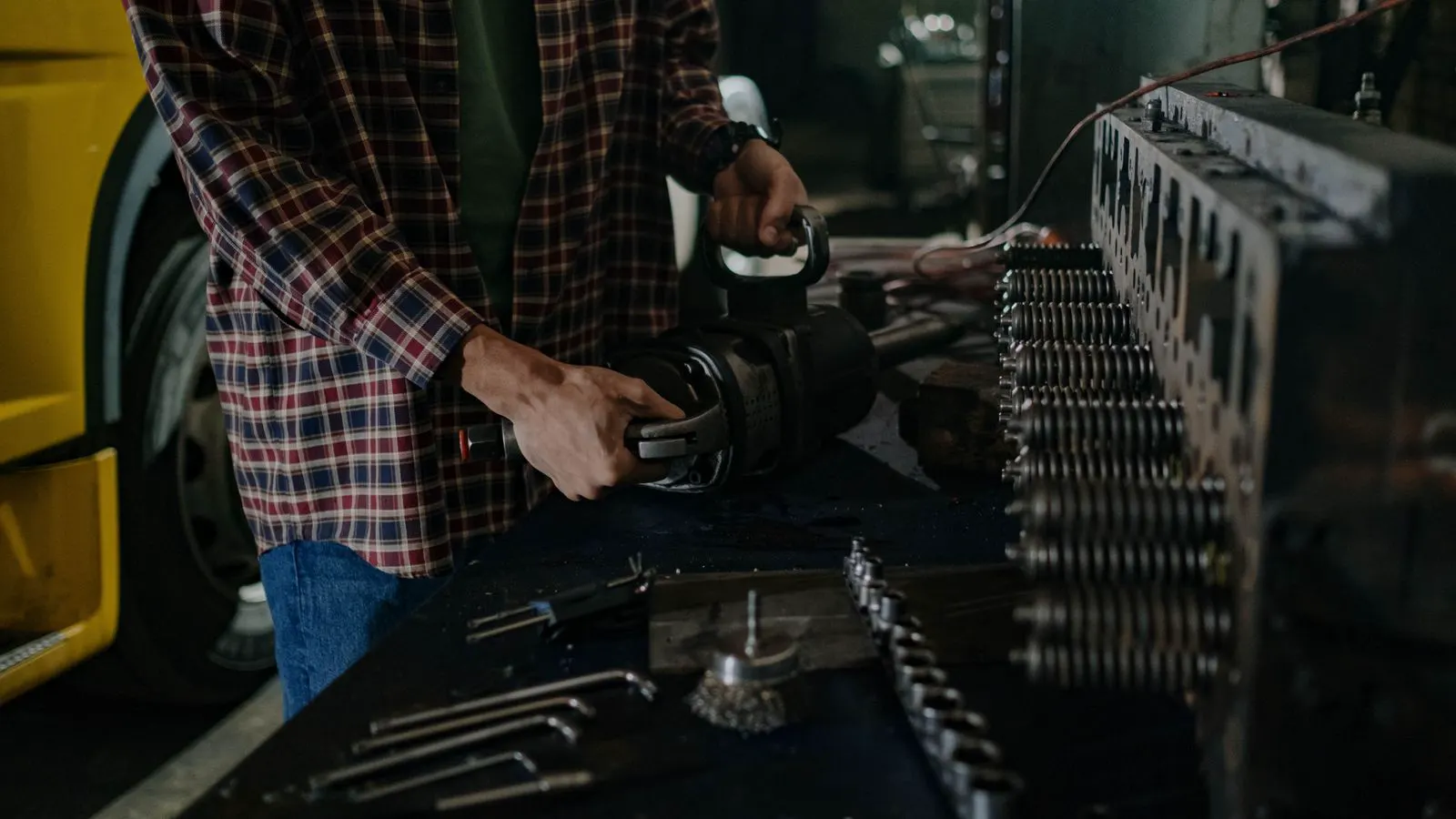
Predictive maintenance is shifting textile mills from reactive repair to condition-based planning. Buyers should expect shorter downtime, longer asset life, and new data
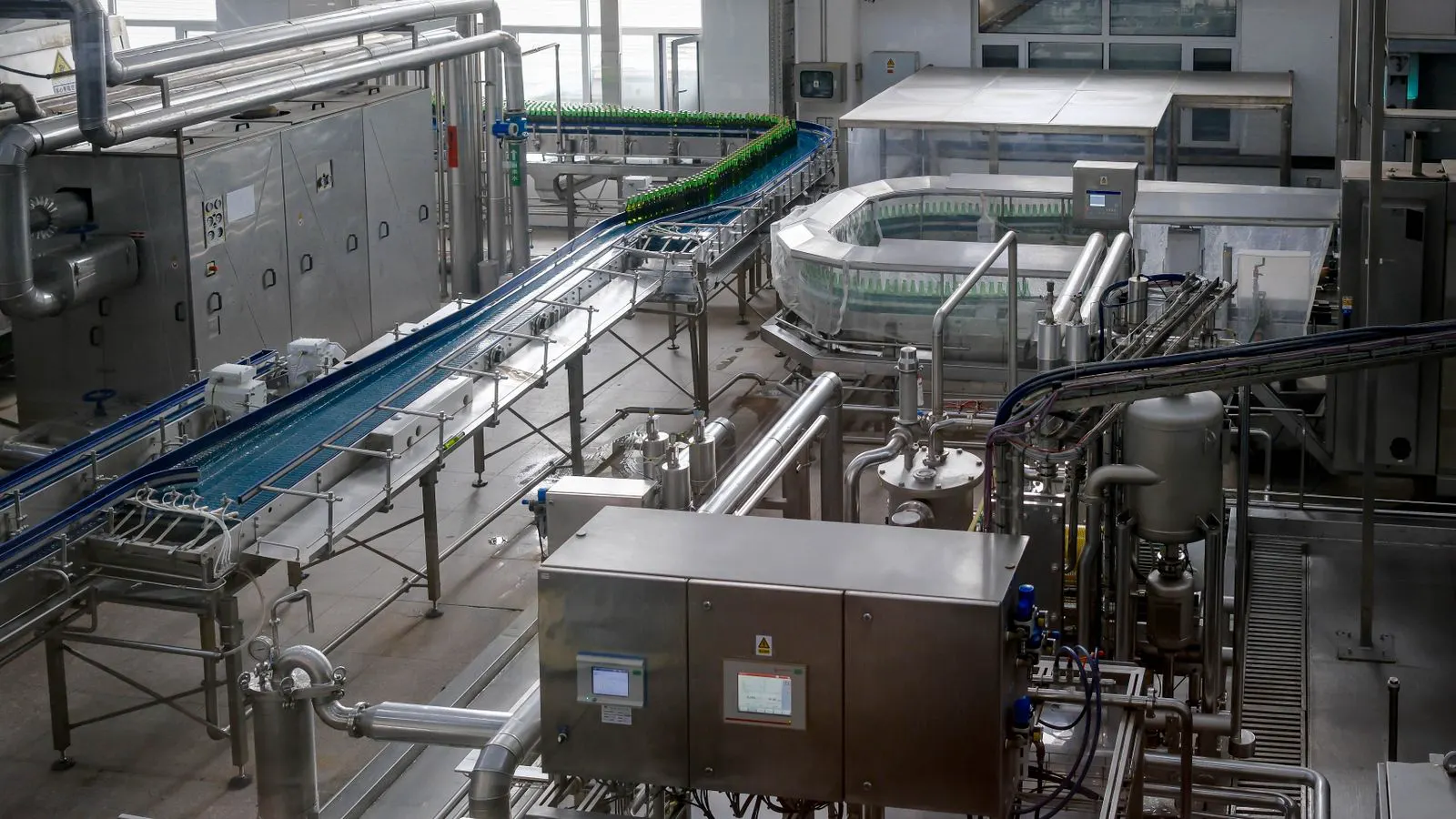
Automated loom pricing and delivery depend on configuration, shipping terms, spare parts, and service coverage. A clear RFQ and structured quote comparison help buyers
Buyers should consider machine specifications, after-sales support, spare parts availability, lead time, and references from other users. Requesting a sample run or factory visit helps verify capability.
Use the same specification sheet for each model. Check thread capacity, speed, power consumption, maintenance intervals, and compatibility with your existing line. Ask suppliers for the same test conditions.
Inspect incoming parts, check calibration, run a short production cycle, and measure output against the stated capacity. Document any defects and agree on replacement terms in the purchase contract.
Cost includes machine price, installation, training, and spare parts. ROI depends on uptime, labor savings, quality yield, and payback period. Calculate both using your actual production data, not brochure figures.
Automation is worth evaluating when labor costs are high, consistency is critical, or manual checks create bottlenecks. Start with one process, measure the benefit, and expand only if the results justify the investment.
Ask for a full specification sheet, maintenance schedule, spare parts list, warranty terms, and user manual. Also request installation and commissioning plans so your team can prepare the site.