How-To: Balancing Sewing Line Production Speed
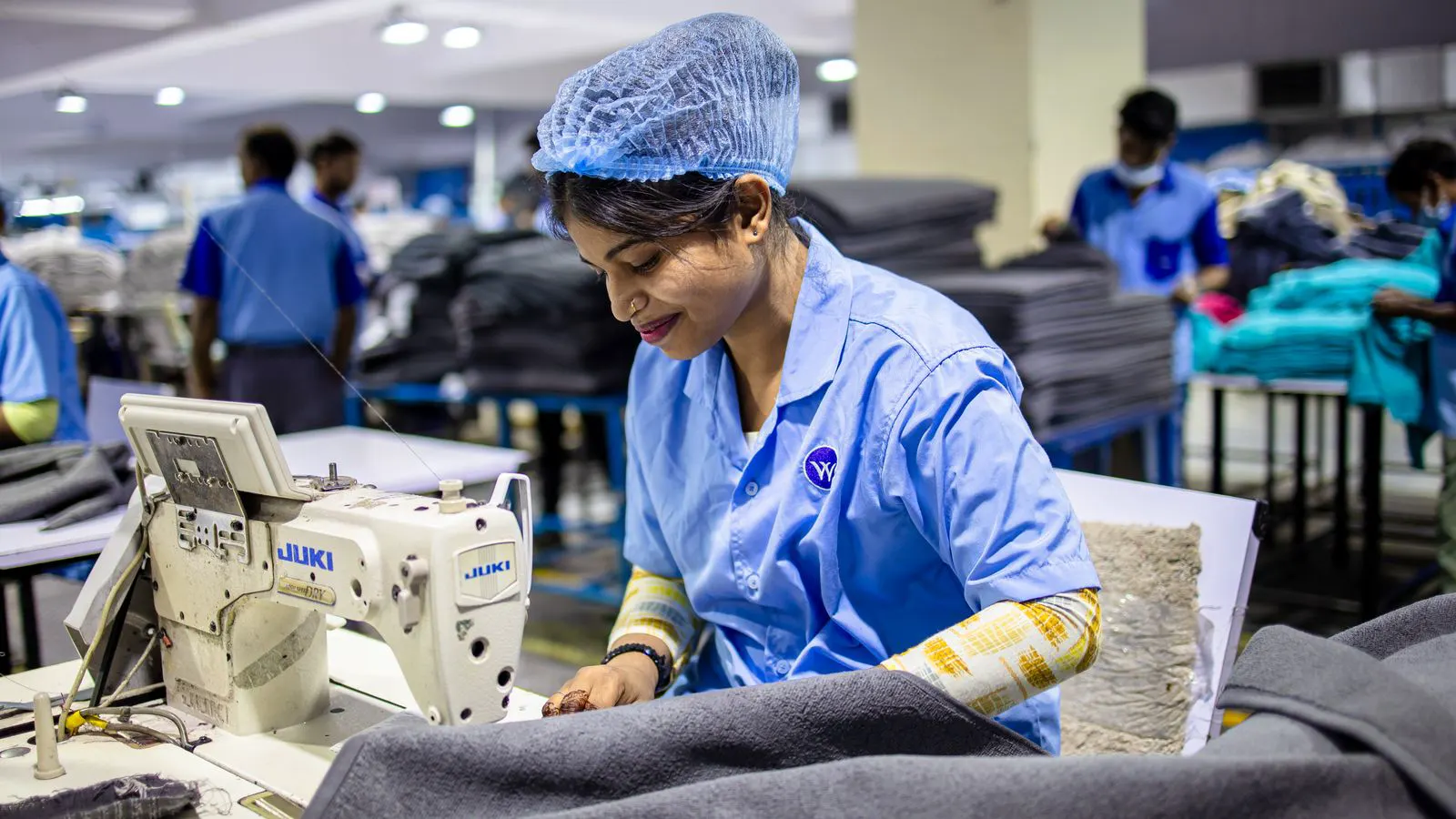
A balanced sewing line setup requires matching machine speed to labor capacity and thread feed. By calibrating industrial sewing machines and aligning assembly equipment with line flow, facility managers can reduce bottlenecks and increase overall production efficiency.
- Match machine speed to operator capability to prevent thread breaks and needle damage.
- Use a line balancing method that accounts for cycle time and labor assignment.
- Regularly verify thread feed and machine calibration to maintain consistent speed.
- Monitor line flow to identify bottlenecks before they impact output.
Start with the Line Layout and Cycle Time
A sewing line setup begins with understanding the physical layout and the theoretical cycle time for each station. Measure the distance between machines and assess where garments move. A line with a long travel path between stations loses time to material handling. Mark each operation, from cutting pieces to final inspection, and assign a target time for each.
The target time should reflect the maximum speed the slowest machine can run without error. If a heavy denim station runs slower than a standard shirt line, the whole line is limited by that bottleneck. Identify the operation with the longest cycle time and use it as the baseline for staffing. This prevents overstaffing at fast stations and understaffing at slow ones.
Before measuring distances, walk the floor with a tape measure and a stopwatch. Record the actual path a garment takes from the cutting table to the first sewing machine. Note any obstacles, such as spool racks or thread dispensers, that force an operator to step aside. A path that requires a 90-degree turn at each station adds seconds that multiply across a full shift.
Cycle time calculation requires isolating the sewing action from the movement action. For a standard collar attachment, measure the time the needle penetrates the fabric. Then measure the time the operator lifts the garment, moves it to the next station, and places it on the table. Sum these values to get the total station time. If the total exceeds the planned takt time, the layout must be adjusted. Move machines closer together or reposition the garment table to reduce handling distance.
Consider the direction of flow. A straight line is faster than a U-shaped line because it minimizes backtracking. However, a U-shaped line may be necessary if the floor space is rectangular. In either case, ensure that the flow moves in one direction only. Backtracking creates confusion and increases the chance of a garment being sent to the wrong station.
Select the Right Machines for Each Station
Sewing machine selection depends on fabric weight, stitch type, and required volume. A station handling thick denim panels needs a machine with higher torque and a reinforced needle bar. A line finishing light knit garments should use machines with faster feed mechanisms and lower stitch density.
Match the machine type to the garment assembly equipment already in the line. Mixing overlock and lockstitch machines in a way that creates handoff delays defeats the purpose of speed. Keep the same stitch type together where possible, and ensure the machine supports the thread weight used at that stage.
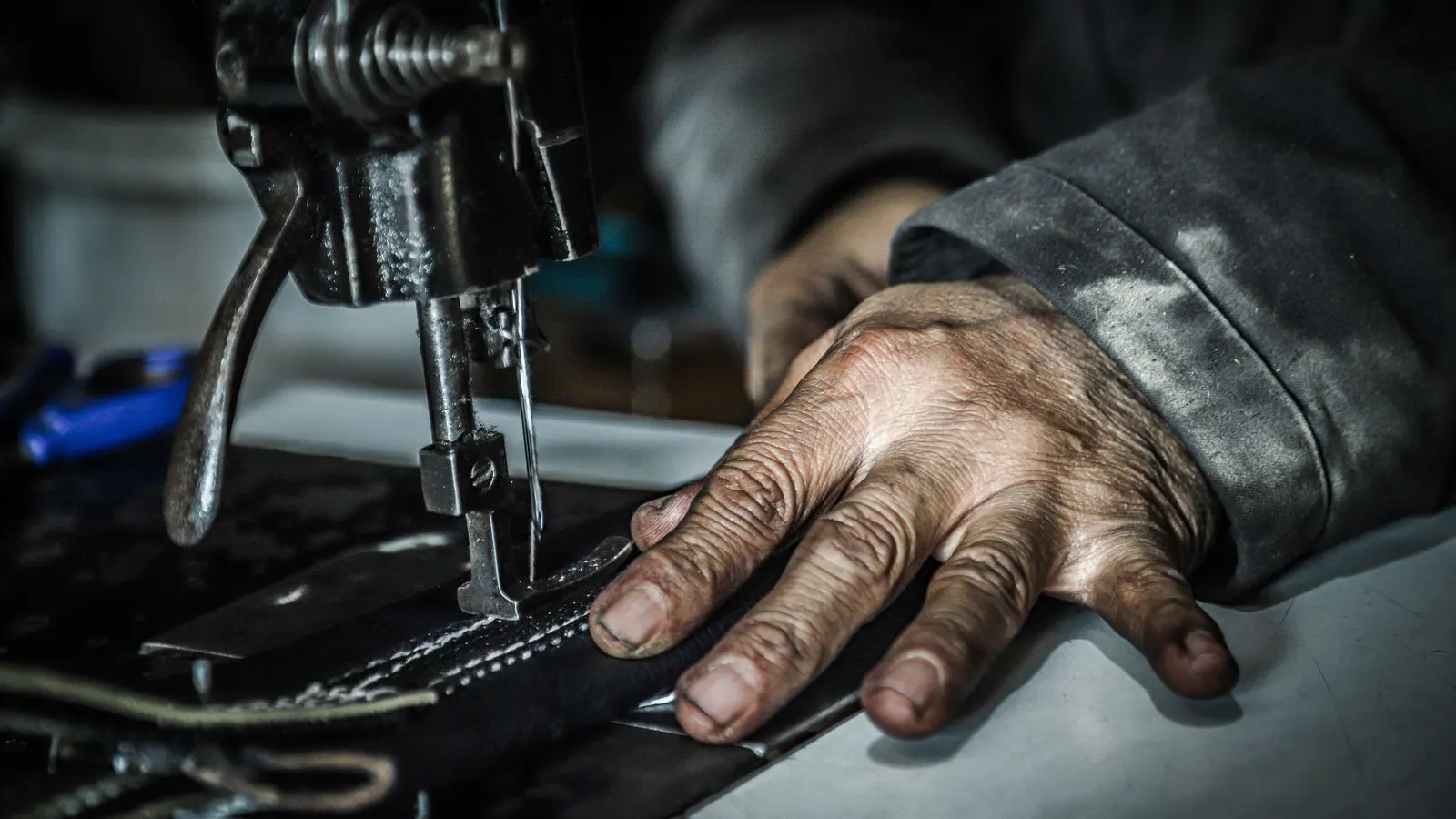
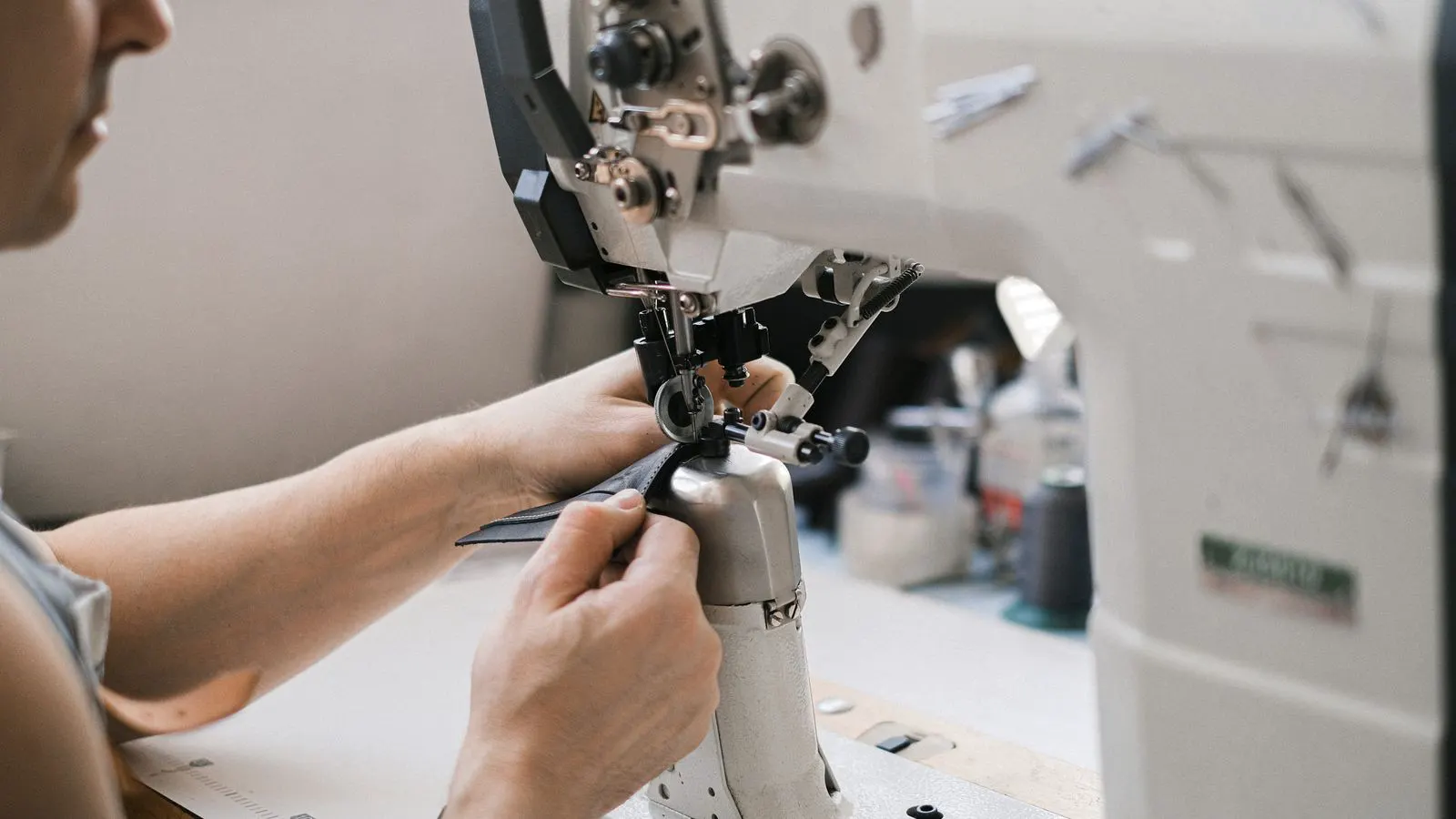
For heavy denim work, select a lockstitch machine with a straight needle bar and a heavy-duty hook assembly. The motor must handle the torque required to pierce through multiple layers of twill. A standard machine may struggle with three-ply thread, causing skipped stitches or needle breakage. Use a machine with a larger thread tension range to accommodate the heavier thread.
For light knits, an overlock machine with differential feed is essential. The differential feed adjusts the tension of the loopers relative to the feed dogs, preventing the fabric from stretching or puckering. If the differential feed is set too high, the fabric bunches up at the needle plate. If it is set too low, the fabric stretches and the seam pulls out of alignment.
Check the needle plate opening size. A standard plate opening works for most wovens, but a small opening is better for knits to prevent fabric from slipping into the hook. A large opening is better for thick fabrics to prevent thread from tangling in the needle plate. Mismatched needle plates cause quality issues that are difficult to fix quickly during a shift.
Assign Operators by Skill and Speed
Not every operator can run a machine at the same rate. Assign operators based on their experience with the specific machine and fabric type. A new operator on a high-speed chainstitch machine will slow the line if the machine is set to its maximum speed. Start new staff on standard speed models and move them to high-speed units only after they meet accuracy thresholds.
Pair faster operators with machines that have shorter cycle times. If one operator can handle two stations, assign them to a station with a higher cycle time to balance the load. This prevents one fast worker from waiting for a slow one, which creates idle time.
Skill assessment should be practical, not theoretical. Test each operator on the specific garment style for the week. Time their cycle at a consistent speed and check the quality of the stitches. An operator who sews fast but produces loose stitches is not faster than an operator who sews slow and produces tight stitches. The line speed is limited by the quality control check, not the needle speed.
Consider the physical demands of each station. A machine that requires the operator to lift the garment over the needle bar every few stitches is more tiring than one that uses a low profile bed. Assign operators with higher stamina to high-effort stations. Rotate staff between stations if a task causes fatigue. Fatigued operators make more errors and work slower, which disrupts the line balance.
Calibrate Thread Feed and Machine Tension
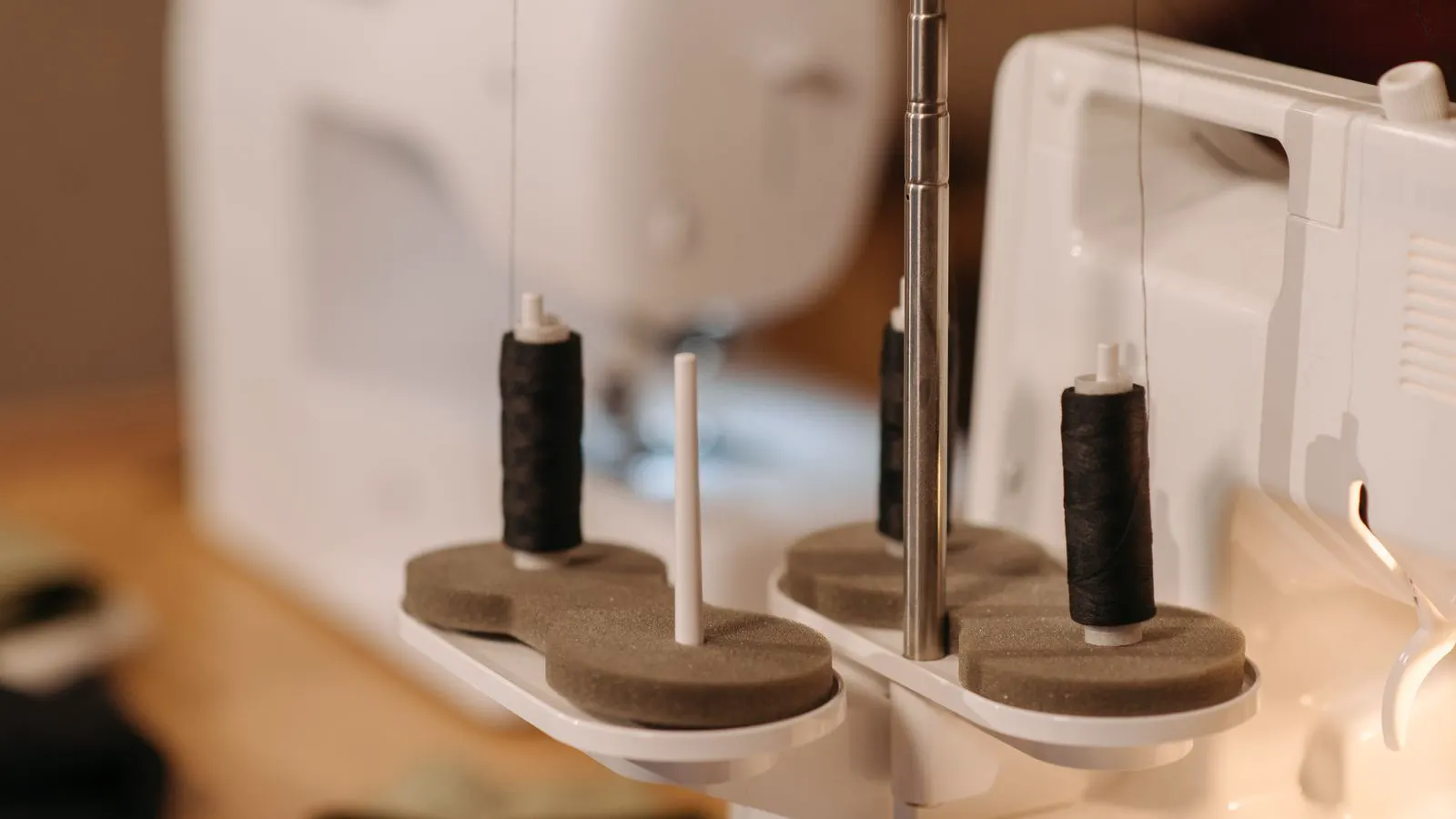
Thread feed calibration affects speed and quality. If the thread feed is set too fast, the machine may pull thread unevenly, causing loops or skipped stitches. If it is too slow, the operator must adjust manually, which breaks the rhythm.
Set the thread feed to match the machine speed for the specific fabric. For example, a machine running at a high speed with thick thread needs a slower feed rate to prevent breakage. Check the tension discs and needle plate for wear. Worn components cause irregular stitch formation, forcing the operator to slow down to fix defects.
Thread feed adjustment is a two-step process. First, adjust the upper thread tension. Pull a thread through the tension discs and measure the force required to pull it out. The force should be consistent and match the manufacturer’s specification for the thread weight. Second, adjust the lower thread tension in the bobbin case. The lower thread tension should be slightly tighter than the upper thread tension to lock the stitch on the back of the fabric.
For thick thread, reduce the feed rate. Thick thread has more bulk and does not feed as smoothly through the needle eye. If the feed is too aggressive, the thread snaps. If the feed is too slow, the operator must push the thread by hand, which creates uneven tension. Test the thread on a scrap piece of the same fabric before starting the production run.
Inspect the tension discs for dirt and wear. Lint builds up between the discs and reduces tension, causing loose stitches. Remove the discs, clean them with a dry cloth, and reassemble them. Check the needle plate for burrs. A burr on the plate edge catches the thread and causes breakage. Polish the burr with a fine stone if necessary.
Establish a Staffing Ratio for Line Flow
The staffing ratio should reflect the number of operations per garment and the time available. If a garment requires ten operations and the line has sixty minutes of shift time, each operation gets six minutes. Assign one operator per operation, but if two operations can be done simultaneously, use a single operator for both.
Create a staffing plan that accounts for breaks and material changes. An operator who leaves for a ten minute break creates a gap in the line. Cross train staff so that one person can cover multiple stations during breaks. This keeps the flow steady and prevents a single station from backing up.
Calculate the takt time first. Divide the total available shift time by the number of garments to be produced. Then divide the takt time by the number of operations per garment to find the time available per operation. If the time per operation is less than the target time, add an operator or reduce the number of operations by combining steps.
Combine operations where possible. A buttonhole and a button sew can often be done by the same operator if the machines are adjacent. A topstitch and a hem sew can be combined if the garment is lightweight and the stitches are simple. Combining operations reduces handling and moves the garment through the line faster.
Account for material changes in the staffing plan. A fabric change requires a machine reset, which takes time. Schedule changes at the end of a shift or during a break. If a change must happen mid-shift, assign an extra operator to cover the line while the machine is reset. This prevents a backlog from forming at the next station.
Monitor Line Flow and Adjust in Real Time
Walk the line during the first hour of each shift. Watch where garments pile up. A pile at a specific station indicates that the next operation is too slow. Adjust the machine speed or reassign an operator to that station.
Use a simple visual signal, such as a colored card, to show when a station is at capacity. This allows the line leader to move an operator from an idle station to a backed-up one without stopping the whole line. Real time adjustments are faster than waiting for end of shift reports.
The first hour is critical because it sets the pace for the rest of the shift. If the line starts with a pile at station three, it will remain backed up for the entire shift. Fix the problem immediately. Check if the machine speed is too high for the operator’s skill. Check if the thread feed is causing breakage. Check if the fabric is feeding correctly.
Observe the operators’ body language. An operator who is constantly looking at the fabric and adjusting the tension is struggling. An operator who is staring at the clock is bored and may make careless errors. An operator who is moving quickly but not looking at the stitch is rushing. Talk to them. Ask what is slowing them down. Often, a small adjustment to the machine or a change in the work instruction solves the problem.
Keep a log of adjustments. Record the time, the station, the problem, and the fix. This log helps identify recurring issues. If a station has a pile every morning, the problem is likely with the machine setup at the end of the previous shift. Fix the setup routine to prevent the issue from recurring.
Final Verification: Run a Timed Test
After setting up the line, run a timed test with a full set of garments. Time each station and record the cycle time. Compare the results to the target time. If any station exceeds the target by more than a few seconds, adjust the machine speed or staffing.
Repeat the test after any change. A small adjustment to thread feed or machine tension can shift the entire line balance. The goal is a line where every station runs at the same pace, with no idle time and no piles of work.
Use a full set of garments that represents the production mix. If the line produces 70% of one style and 30% of another, include both styles in the test. A machine that runs fast on the first style may run slow on the second due to different fabric weights and stitch types.
Time the test with a stopwatch and a data sheet. Record the cycle time for each station for each garment. Calculate the average cycle time. Compare the average to the target time. If the average is within a few seconds of the target, the line is balanced. If the average is significantly higher, adjust the line.
Adjust the line based on the data. If station five is slow, reduce the machine speed at station four. This gives station five more time to catch up. If station two is fast, increase the machine speed at station three. This reduces the backlog at station two. Make small adjustments and retest. Do not make large changes that disrupt the line flow.
Common Mistakes to Avoid
Setting machine speed too high before operators are trained. This causes defects and breaks.
Ignoring thread feed calibration and relying on operator adjustment. This slows the line and damages threads.
Assigning the same operator to too many stations. This creates bottlenecks when one station is backed up.
Not accounting for material changes. Switching from one fabric to another requires a machine reset, which takes time.
Skipping the timed test. Without verification, the line may appear balanced but actually has hidden delays.
Table: Machine Speed and Staffing Recommendations
| Fabric Type | Machine Speed Setting | Staffing Ratio | Thread Feed Adjustment |
|---|---|---|---|
| Light Knits | High | 1 operator per station | Slight reduction in feed rate |
| Woven Cottons | Medium | 1 operator per station | Standard feed rate |
| Heavy Denim | Low to Medium | 1 operator per station | Slower feed rate |
| Blends | Medium | 1 operator per station | Standard feed rate |
| Thick Leather | Low | 1 operator per station | Very slow feed rate |
How to Keep the Line Balanced Over Time
A sewing line setup is not a one time task. Fabrics change, operators learn new techniques, and machine parts wear. Review the line balance every few weeks. Check the thread feed, tension, and machine speed for each station. Adjust the staffing plan as operators improve or as new fabrics are introduced.
Keep a log of cycle times for each operation. If a station consistently runs slower, investigate the cause. It may be a machine issue, a fabric issue, or an operator skill gap. Fixing the root cause keeps the line balanced and prevents recurring bottlenecks.
Frequently asked questions
How often should I recalibrate the thread feed on industrial sewing machines?
Recalibrate after any change in thread type, fabric weight, or machine speed. A quick check at the start of each shift is also a good habit.
What is the best staffing ratio for a garment assembly line?
The ratio depends on the number of operations and the cycle time. Aim for one operator per operation, with cross training to cover breaks and material changes.
Can I increase machine speed without increasing defects?
Only if the thread feed, tension, and operator skill are adjusted accordingly. Speed without calibration leads to skipped stitches and thread breaks.
How do I identify a bottleneck in a sewing line?
Look for piles of garments at one station. The operation immediately before that station is likely too fast, or the operation at that station is too slow.
Should I use different machine models for different fabric types?
Yes. Heavy denim requires higher torque and reinforced parts, while light knits benefit from faster feed mechanisms. Match the machine to the fabric to maintain quality and speed.