Explainer: Lockstitch vs Overlock for Garment Edges
Lockstitch creates flat, durable seams for main garment construction, while overlock covers raw edges with a looped thread to prevent fraying. The choice depends on fabric behavior, edge finish requirements, and production speed.
- Lockstitch is the standard method for joining fabric panels, but it leaves raw edges exposed unless finished separately.
- Overlock trims and finishes edges in one operation, making it the default for knit garments and speed-sensitive lines.
- Choosing the right machine type affects line layout, operator training, and thread consumption.
- A single production line often needs both methods to handle different garment parts correctly.
- Selection should be driven by fabric type, edge visibility, and required durability, not just speed.
How the Two Methods Differ in Structure
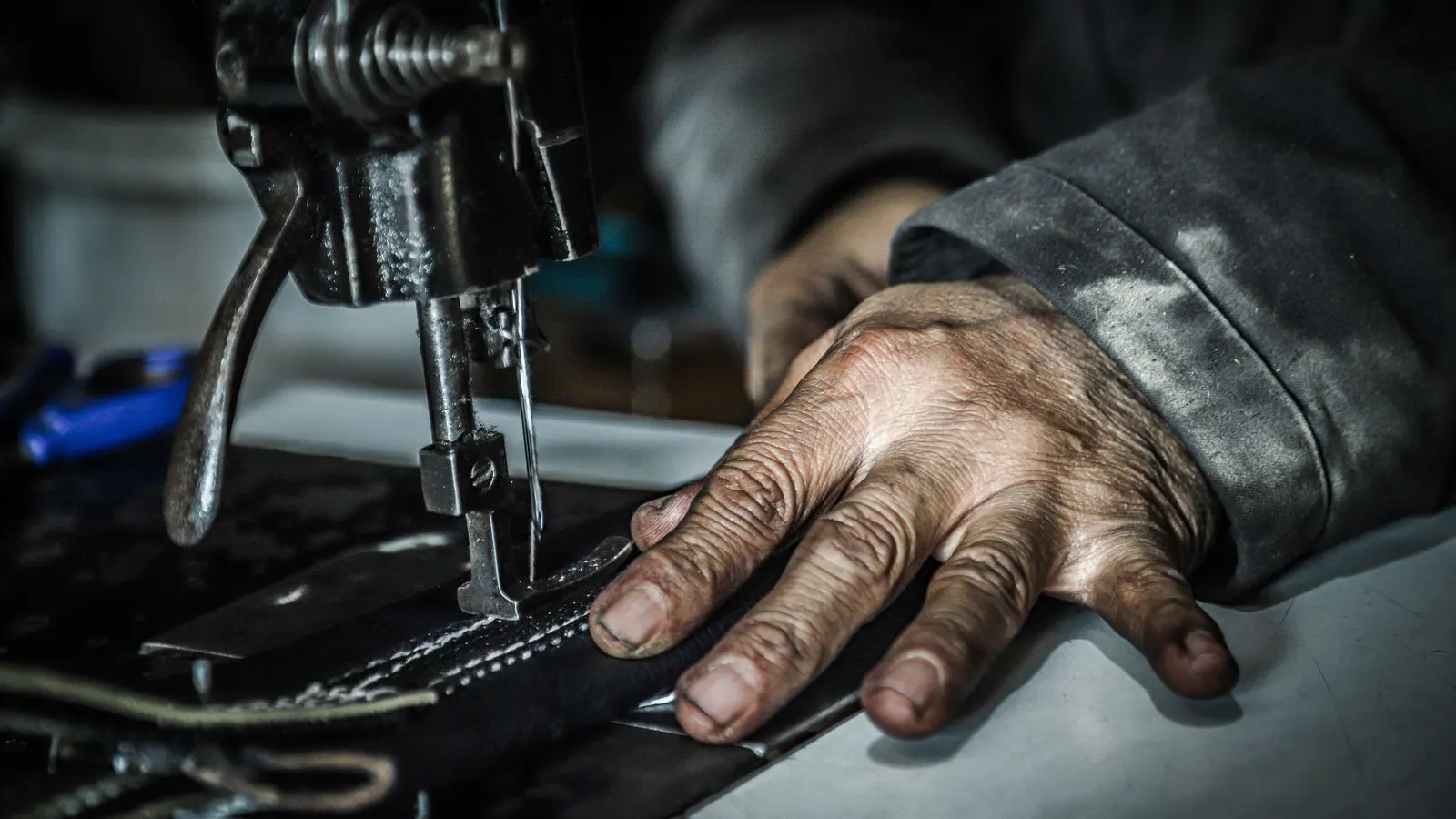
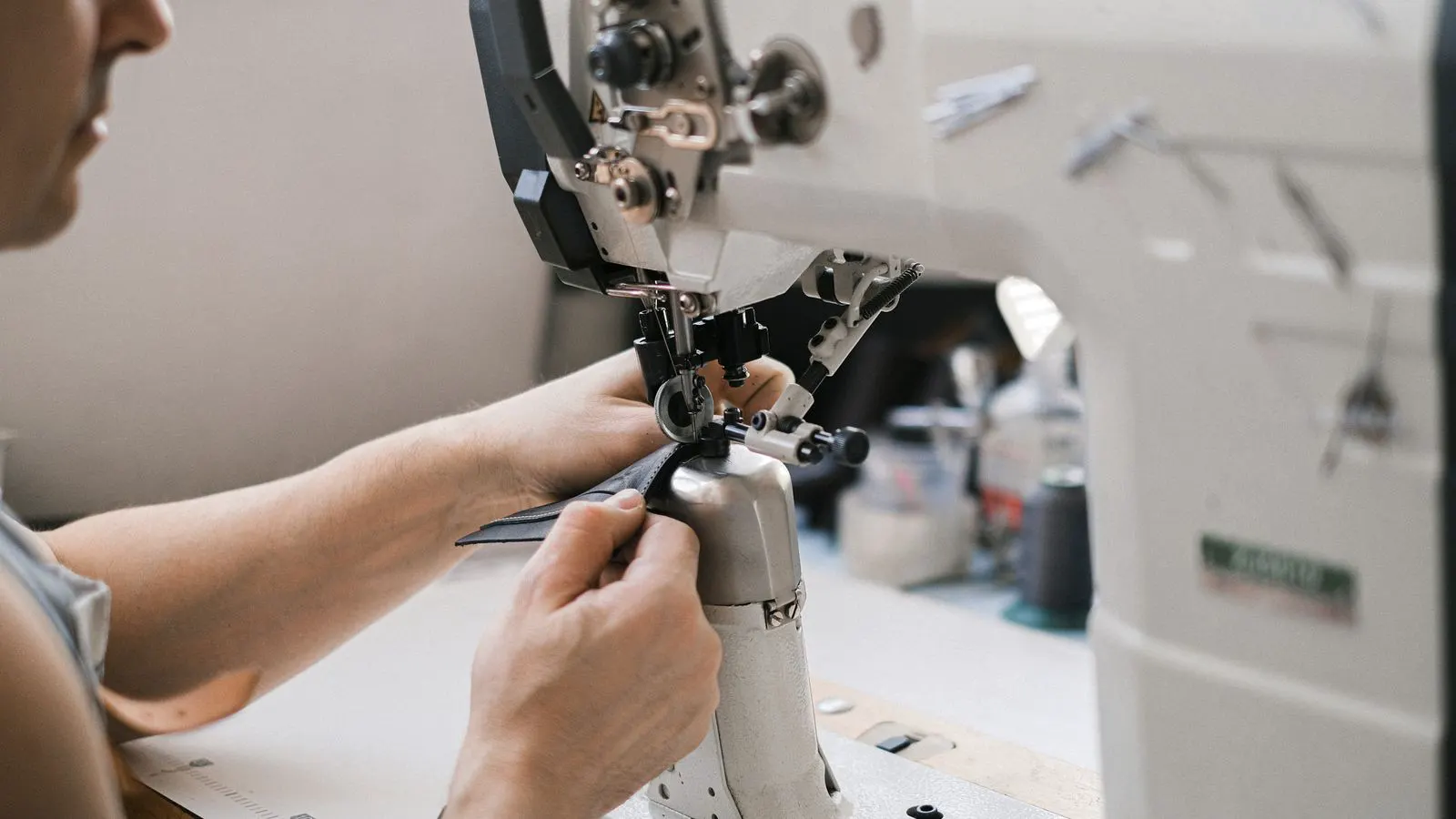
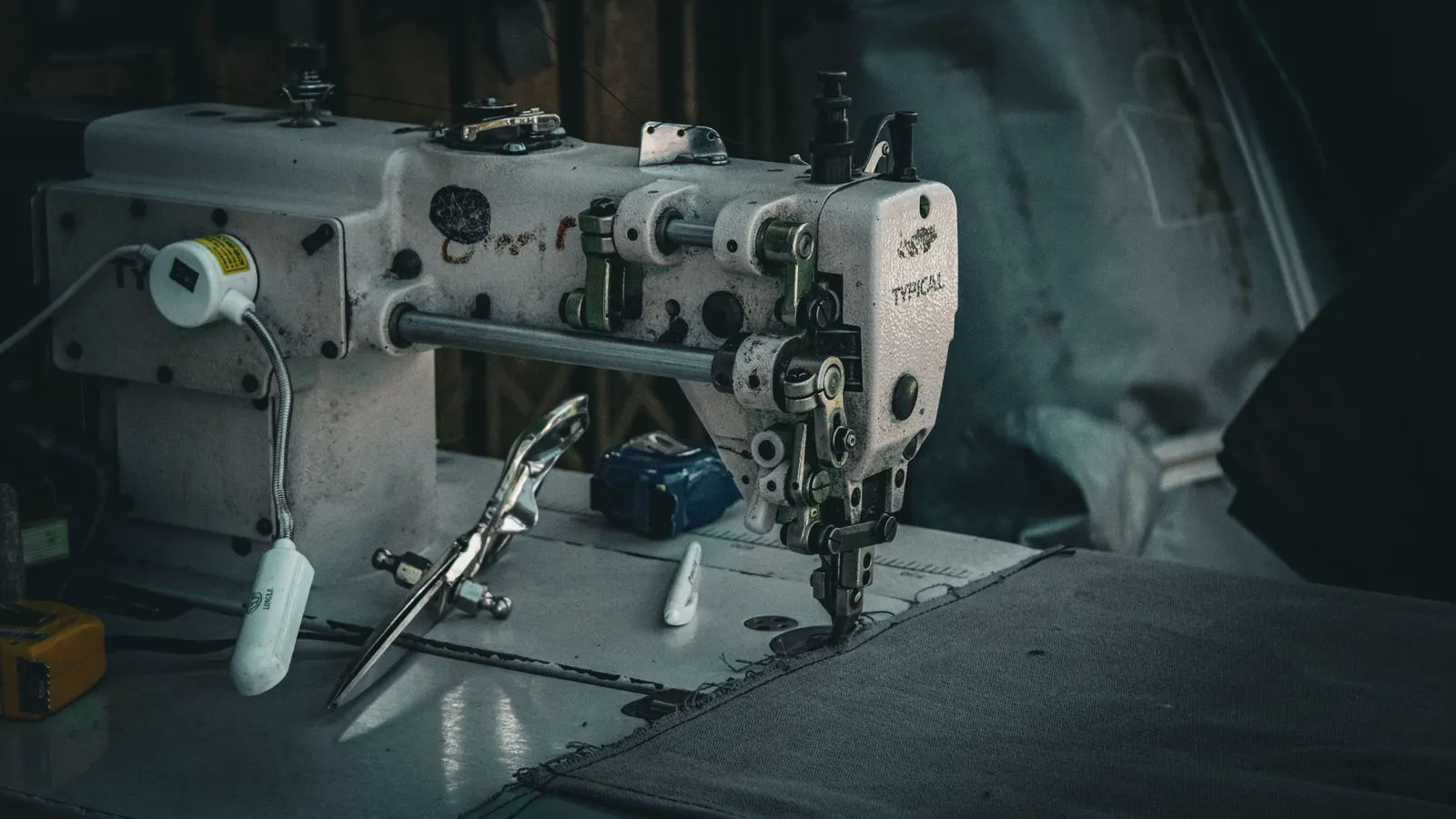
Lockstitch and overlock are the two most common joining methods in garment assembly equipment. They solve different problems on the same production line. Lockstitch uses two or three threads to form a flat stitch on the fabric surface. The thread passes through the fabric in a straight line, creating a seam that looks clean and sits flush. It is the method used for shoulder seams, sleeve hems, and most panel joins in woven garments.
Overlock uses three or five loops of thread to wrap around the cut edge of a fabric. The machine trims the raw edge and simultaneously covers it with thread. The result is a raised, looped edge that prevents unraveling. It is the default method for knit garments because knits stretch and fray quickly if left open.
The structural difference matters for sourcing decisions. A factory that only runs lockstitch must plan for separate edge finishing or accept an unfinished edge. A factory that only runs overlock cannot make a flat, professional seam on a woven shirt front. Most production lines need both.
Which Method Fits Which Garment Part
The choice is usually dictated by the location of the seam. A shirt collar needs a flat, hidden finish. Overlock would be visible and would not withstand the tension of a collar being folded and worn. Lockstitch handles that job correctly.
A t-shirt sleeve hem is different. The edge is visible, the fabric stretches with the arm, and the raw edge would fray within days if left open. Overlock trims and covers the edge in a single pass. It also allows the seam to stretch with the fabric.
A jeans inseam uses lockstitch for the main seam because denim is heavy and does not stretch. The edge is then finished with a topstitch or a separate overlock if required by the design. The point is that one garment often uses both methods. The sourcing team must account for both machine types when building a line.
How Fabric Behavior Drives the Decision
Woven fabrics hold their shape. They do not stretch across the grain the way knits do. Lockstitch works well because the seam does not need to expand. The thread sits in the fabric and the seam stays flat.
Knit fabrics are elastic. They stretch in multiple directions. A lockstitch seam on a jersey fabric would look flat at the start, but after the garment is worn, the seam area would pull and the stitch would show. Overlock is preferred because the looped thread stretches with the fabric. The edge remains finished even after repeated stretching.
Blends and technical fabrics add another layer. A polyester-cotton twill behaves like a woven but may have a synthetic face that shows thread marks. A performance knit behaves like a jersey but has a tighter weave that resists fraying. The selection process must look at the specific fabric, not just the category.
What This Means for Sourcing and Line Layout
When a buyer evaluates garment assembly equipment, the machine type changes the line layout. A lockstitch machine is typically a single-needle or multi-needle unit that runs one fabric layer at a time. It requires a stable base and careful thread tension setup. An overlock machine has a more complex head with multiple needles and loopers. It requires more maintenance access and different thread paths.
The sourcing decision is not just about buying one machine. It is about building a balanced line. A line that makes only t-shirts needs more overlock capacity than a line that makes only tailored shirts. A line that makes both needs a ratio that matches the product mix.
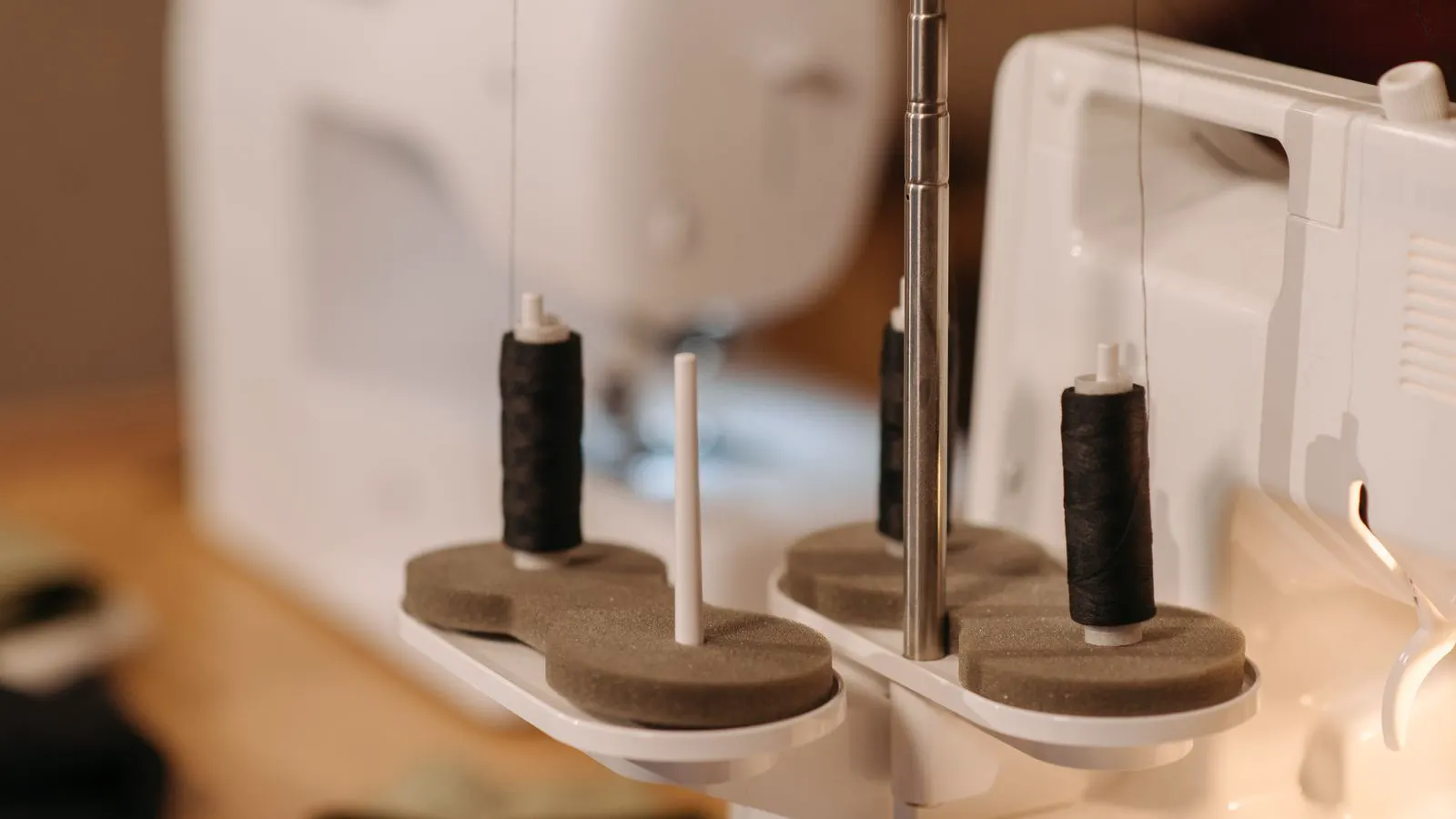
Thread consumption also changes. Overlock uses multiple threads simultaneously. If the line runs five overlock machines and two lockstitch machines, the thread management system must handle more spools and more tension points. The buyer should ask for thread usage data per machine type and factor that into the consumables budget.
Operator skill requirements differ as well. Overlock machines have more moving parts in the head. A loose looper can create a messy edge. A jammed needle can stop the whole line. Lockstitch machines are simpler to adjust. The training cost for overlock operators is higher, and the downtime for maintenance is usually longer.
A Worked Example: Building a Line for a Basic Tees Program
A factory wants to produce a basic t-shirt program. The shirt has a shoulder seam, a side seam, a sleeve hem, and a neck binding.
The shoulder seam and side seam are panel joins. The fabric is a medium-weight knit. The buyer selects an industrial sewing machine for the shoulder and side seams, but chooses a lockstitch method with a differential feed to handle the stretch without puckering. The edge is not visible, so overlock is not needed here.
The sleeve hem is a visible edge. The fabric stretches when the arm moves. The buyer selects an overlock machine that trims the edge and covers it with a three-thread loop. The stitch must stretch with the garment.
The neck binding is a special case. It is a narrow strip of fabric that wraps around the neck. It is usually applied with a lockstitch or a special binding machine. Overlock would be too bulky for the narrow binding.
The line now has three machine types: a lockstitch for the main seams, an overlock for the sleeve hem, and a binding machine for the neck. The sourcing team lists all three. The operator training plan includes lockstitch, overlock, and binding. The thread inventory includes spools for each machine type.
How to Decide When the Two Look Similar
Sometimes both methods produce a finished edge. A lockstitch seam with a separate overlock finish can look similar to a single overlock operation. The difference is in the process and the final structure.
A single overlock operation is faster. It trims and finishes in one pass. The edge is covered, but the seam is not a true joint. The fabric edges are wrapped, not sewn together. For many knit garments, this is acceptable because the stretch is absorbed by the fabric itself.
A lockstitch seam followed by overlock is slower. The panels are joined first, then the edge is trimmed and covered. The result is a stronger joint. The fabric is actually sewn together, and the overlock protects the cut edge. This method is used for heavier knits, for garments that will be worn hard, and for designs where seam strength is a priority.
The buyer should ask the design team which method the spec requires. The technical drawing will show the seam type. If it says “overlock,” the machine type is set. If it says “lockstitch with overlocked edge,” the line needs both machines. If it is silent, the buyer should clarify before ordering equipment.
Common Mistakes in Selection
The most common mistake is choosing the machine based on speed alone. An overlock machine may run faster than a lockstitch machine, but if the garment part requires a flat seam, the overlock will not work. The line will produce defects, and rework will cost more than the initial savings.
Another mistake is ignoring the fabric. A buyer selects a lockstitch machine for a stretchy knit because the spec says “seam,” but the spec does not mention stretch. The seam puckers after the first wash. The buyer should test the fabric on the selected machine before committing to a large order.
A third mistake is underestimating maintenance. Overlock machines require regular cleaning of the looper area. If the buyer does not plan for maintenance, the downtime increases. The line slows down. The buyer should ask the supplier for a maintenance schedule and factor it into the operating cost.
Final Check Before Ordering
Before placing an order for garment assembly equipment, the buyer should run a short checklist.
- List every seam and edge on the garment. Mark each as lockstitch, overlock, or binding.
- Identify the fabric for each seam. Note the weight, stretch, and finish.
- Check the spec for required stitch type and edge finish.
- Match the machine type to the seam list.
- Calculate the number of machines needed based on the production target.
- Confirm the thread types and spool sizes for each machine.
- Plan the operator training for each machine type.
- Ask the supplier for a maintenance schedule and spare parts list.
This checklist turns the selection from a guess into a plan. It gives the buyer a clear path from the design file to the machine order. It also makes it easier to compare quotes from different suppliers because the requirements are specific.
The choice between lockstitch and overlock is not about which is better. It is about which solves the problem for that specific edge. The right answer is usually both, used in the right places. The buyer who plans the line around the garment parts, not around the machine catalog, will get a line that runs cleanly and produces the garment as designed.
Frequently asked questions
Can I use overlock for every edge on a garment?
No. Overlock is not suitable for flat, hidden seams like a collar or a shoulder where the thread would be visible. Lockstitch is the correct method for those parts.
Is lockstitch stronger than overlock?
It depends on the application. A lockstitch seam joins two panels together, creating a structural joint. An overlock edge wraps the fabric but does not join two separate pieces. For a panel seam, lockstitch is stronger. For a single edge, overlock is the standard finish.
How do I know if my fabric needs an overlock?
Test the fabric by cutting a small strip and pulling it gently. If the threads unravel quickly, the fabric needs an overlock or another edge finish. If the edges hold their shape, a lockstitch may be sufficient.
What is the difference in thread usage between the two?
Overlock machines typically use three to five threads at once. Lockstitch machines use two to three threads. The overlock machine will consume thread faster and require more spools on the line.
Can I convert a lockstitch machine to run overlock?
No. The machine heads are different. A lockstitch machine has a needle bar and a bobbin case. An overlock machine has multiple needles and loopers. They are separate machines.