Buyers Guide: Industrial Sewing Machines for Heavy Denim
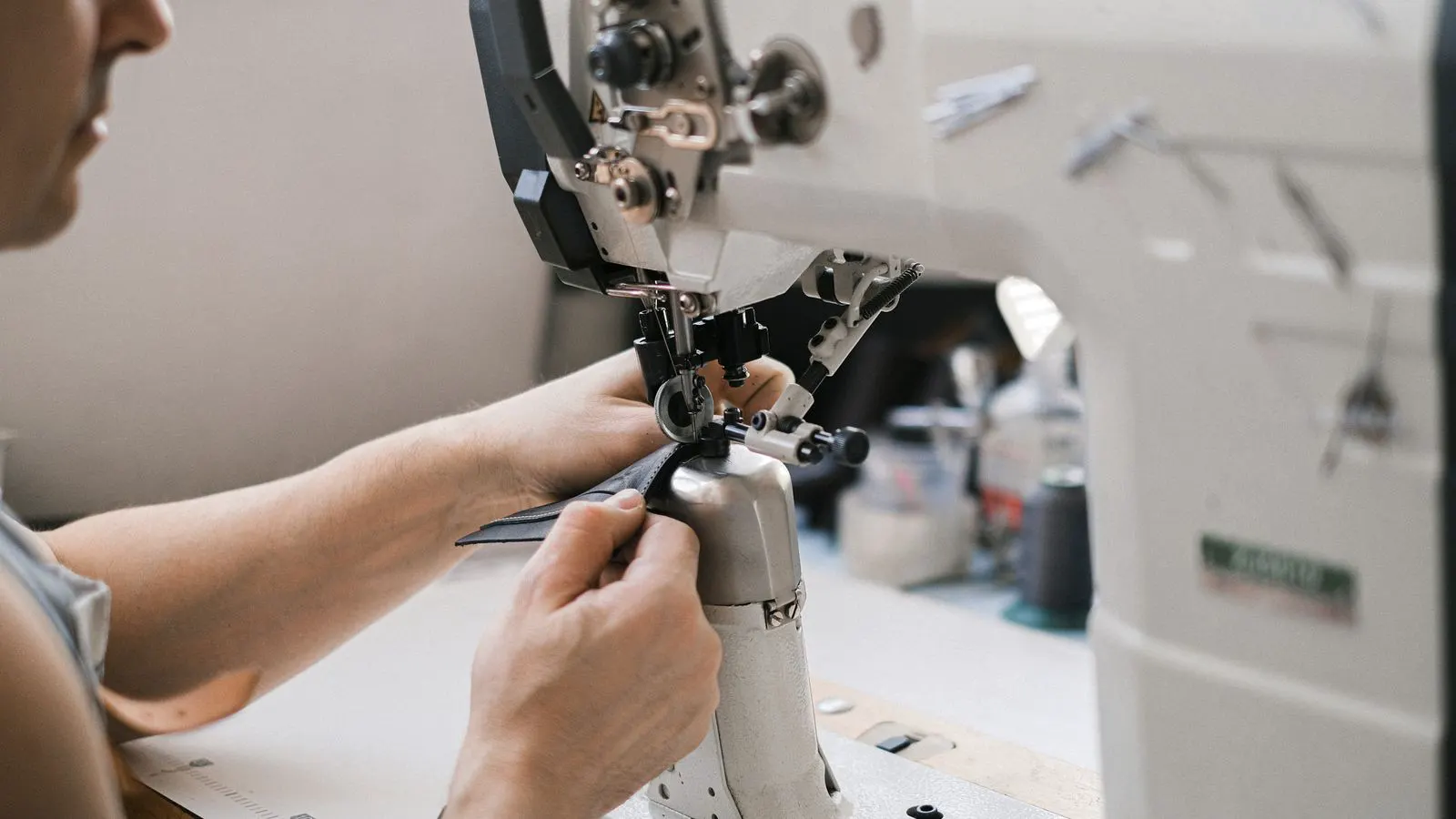
Procurement managers select industrial sewing machines for heavy denim by verifying motor torque, frame construction, and presser foot pressure. This guide lists specific criteria to evaluate high stress production requirements and avoid common mechanical failures in garment facilities.
- Verify the motor torque rating matches the weight of the denim and thread tension required.
- Check the frame material and pinning method to ensure the machine handles high stitch counts without flex.
- Evaluate presser foot pressure settings and needle selection to prevent skipped stitches on thick seams.
- Prioritize serviceability and spare parts availability when choosing between standard and heavy duty industrial sewing machines.
Why Standard Machines Fail on Denim
Denim is not just a fabric. It is a high stress material that tests every moving part of an industrial sewing machine. Most production lines use standard units for general apparel. Those units often struggle when they encounter heavy twill, double needle operations, or thick seam allowances.
The failure points are predictable. Needles bend. Threads snap. Presser feet slip. The frame flexes. These issues slow the line and increase scrap. A buyer must understand the specific mechanical demands of denim before selecting equipment.
This guide focuses on the technical criteria that distinguish a heavy duty sewing machine from a standard unit. It covers motor capacity, frame construction, feed mechanisms, and maintenance requirements. The goal is to provide a clear checklist for procurement managers and engineers evaluating new equipment.
Motor Capacity and Torque Requirements
The motor is the heart of the system. Denim requires significant power to pull multiple layers through the feed dog mechanism. A standard motor may handle light cotton or synthetic blends. It often lacks the torque for thick denim or canvas.
Buyers should check the motor nameplate. Look for the horsepower rating and the duty cycle. A continuous duty motor is required for high volume production. Intermittent duty motors are designed for short bursts. They overheat under constant load.
The torque curve matters more than the peak horsepower. Denim sewing requires steady, low speed power. The motor must maintain RPM without dropping when the fabric is thick. If the motor struggles, the thread tension changes. This causes skipped stitches and uneven seam strength.
A practical check is to observe the machine under load. Run a sample of heavy denim through the machine for an extended period. Listen for whining or stalling. Watch the thread tension. If the upper thread loosens during a straight stitch, the motor may be underpowered for the task.
Frame Construction and Structural Rigidity
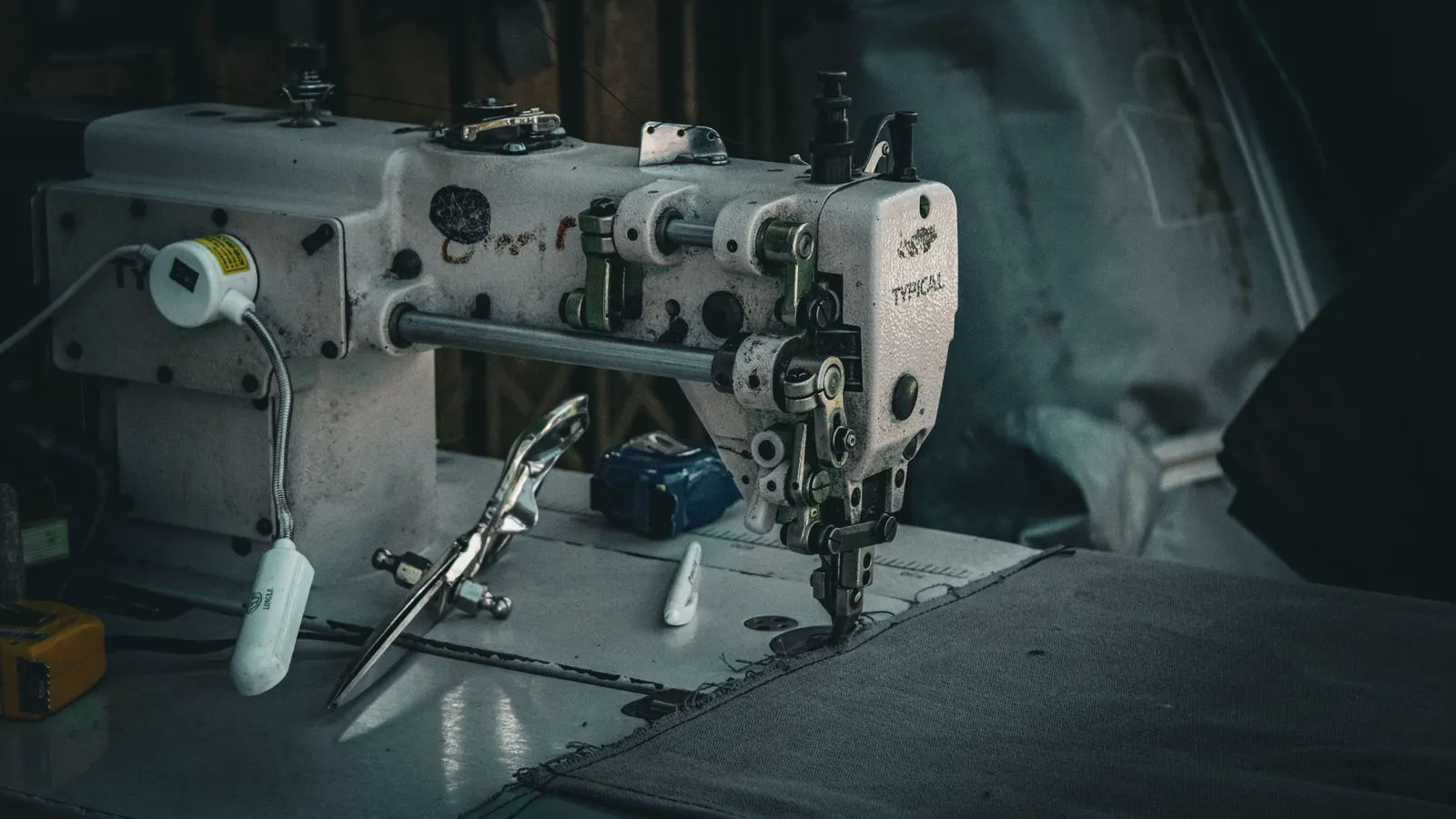
The frame holds the machine together. In a heavy duty sewing machine, the frame must resist flex during high stress operations. Standard machines often use cast iron or lighter steel. Heavy duty units use thicker castings or reinforced steel plates.
Check the pinning method. The frame is pinned to the machine body. Strong pins prevent the frame from shifting during high speed stitching. A loose frame causes vibration. Vibration leads to inconsistent stitch length and needle deflection.
Inspect the bed. The bed is the flat surface where the fabric rests. It must be flat and rigid. Any warp in the bed creates uneven pressure. This causes the presser foot to dig in on one side. It also affects the feed dog alignment.
A simple test is to place a straightedge across the bed. If there is a gap, the bed is not flat. This requires correction before production. For new machines, verify the bed flatness during the installation phase. The machine should be level on a solid, vibration free floor.
Presser Foot Pressure and Feed Mechanism
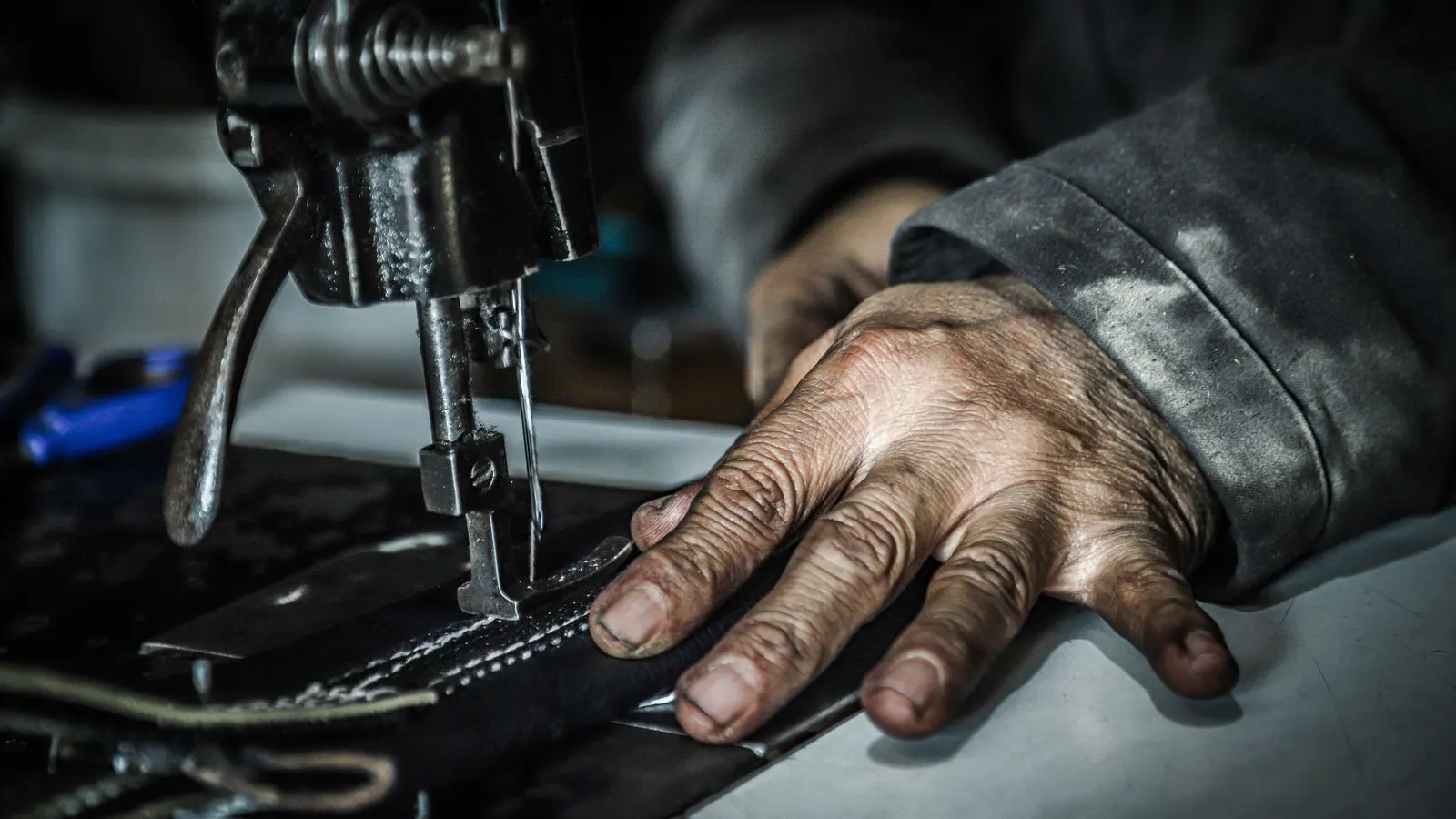
Presser foot pressure is a common point of failure for denim. The foot must hold the fabric against the feed dogs. Too much pressure causes the needle to drag. Too little pressure allows the fabric to shift. Denim requires a specific pressure range to maintain consistent stitch formation.
The presser foot assembly should offer adjustable pressure. A dial or lever allows the operator to fine tune the force. For heavy denim, the pressure is typically higher than for light fabrics. Some machines have automatic pressure adjustment. This helps maintain consistency when the fabric weight changes.
The feed dog mechanism is another critical area. Denim requires a strong, precise feed. The feed dogs must grip the fabric without distorting the weave. Check the feed dog height. It should be set correctly for the fabric thickness.
If the feed dogs are too high, they can damage the fabric. If they are too low, they will not grip the denim properly. This leads to skipped stitches and uneven feed. A heavy duty sewing machine should have robust feed dogs that can handle thick materials without wear.
Needle Selection and Thread Compatibility
The needle is a consumable part. It wears out. Denim is abrasive to needles. A standard needle may break after a few hours of use. Heavy duty needles are thicker and more rigid. They cost more but last longer.
Buyers should specify the correct needle type for denim. Straight needles are common for denim. Ball point needles are used for knits. For heavy denim, a robust straight needle is often required. The needle size should match the fabric weight. A needle that is too thin will bend. A needle that is too thick may damage the fabric.
Thread selection also matters. Denim requires strong thread. Polyester thread is common for its strength and abrasion resistance. Cotton thread is softer but may not hold up as well. The thread weight should match the needle size. A heavy thread through a small needle causes friction and heat.
The thread path should be smooth. Any burr or rough surface in the thread guide will abrade the thread. This weakens the thread. It leads to breakage. During installation, inspect the thread path. Ensure all guides are smooth and properly aligned.
Maintenance and Serviceability
Heavy denim production is hard on equipment. Maintenance is not optional. It is a requirement for uptime. A heavy duty sewing machine is built for durability, but it still needs regular care.
Check the service access points. The machine should have easy access to the needle area, thread guides, and feed mechanism. If maintenance requires disassembling the entire unit, downtime increases. Look for machines with modular components. They are easier to repair.
Spare parts availability is a key factor. If a part fails, the machine stops. A delay in getting a replacement part is a production loss. Buy from suppliers who have a reliable parts supply chain. Ask for the lead time on common spares.
The service manual should be detailed. It should include diagrams, torque specs, and maintenance schedules. A vague manual slows down repairs. A clear manual helps technicians work faster. This reduces downtime and extends the machine life.
Evaluation Criteria Table
Use this table to compare potential industrial sewing machines. It lists the key criteria to check during evaluation.
| Criterion | What to look for | Why it matters |
|---|---|---|
| Motor Duty Cycle | Continuous duty rating, verified torque | Prevents overheating and speed drops under load |
| Frame Material | Thick cast iron or reinforced steel | Resists flex and vibration during high stress stitching |
| Presser Foot Pressure | Adjustable range, smooth operation | Ensures consistent grip and stitch formation on thick fabric |
| Feed Dog Design | Robust, precise, adjustable height | Grips denim without distorting the weave or causing skips |
| Needle Compatibility | Supports heavy duty needles, smooth thread path | Reduces needle breakage and thread abrasion |
| Service Access | Easy access to key components | Minimizes downtime during maintenance and repairs |
Decision Checklist
Before signing the purchase order, run through this checklist. It helps confirm that the selected industrial sewing machine meets the requirements for heavy denim production.
- The motor rating matches the expected production load.
- The frame is rigid and properly pinned.
- The presser foot pressure is adjustable and set correctly for denim.
- The feed dogs are robust and set for the fabric thickness.
- The thread path is smooth and free of burrs.
- The machine supports the correct needle type for heavy denim.
- Spare parts are available and service access is easy.
If any item on this list fails, reconsider the machine. A small issue now can become a major problem later. Denim production is unforgiving. The equipment must be right from the start.
Frequently asked questions
How do I know if a standard machine is underpowered for denim?
Run a sample of heavy denim for an extended period. If the motor whines, stalls, or the thread tension loosens, it is likely underpowered.
What is the best frame material for a heavy duty sewing machine?
Thick cast iron or reinforced steel is preferred. These materials resist flex and vibration better than lighter constructions.
Does presser foot pressure need to be set for every batch?
Yes. Different denim weights require different pressure settings. Adjust the foot pressure for each fabric type to ensure consistent stitching.
How often should needles be replaced on a denim line?
Needles wear faster on denim. Replace them based on breakage rate or wear. A thick needle may last longer but costs more.
Can I use a standard thread on heavy denim?
It may work for light denim, but heavy denim usually requires strong, heavy thread. Match the thread weight to the needle size to avoid breakage.