
Choosing a Supplier
How-To: Structuring Supplier Payment Milestones
This guide explains how to structure supplier payment terms and payment milestones that align with production and delivery phases. It covers prerequisites, practical
Checklists and evaluation criteria for selecting textile machinery suppliers, negotiating terms, and ensuring after-sales support.
This guide explains how to structure supplier payment terms and payment milestones that align with production and delivery phases. It covers prerequisites, practical

A supplier factory audit checks fire exits, machine guards, PPE storage, and electrical safety. This checklist helps buyers identify red flags and verify a vendor's
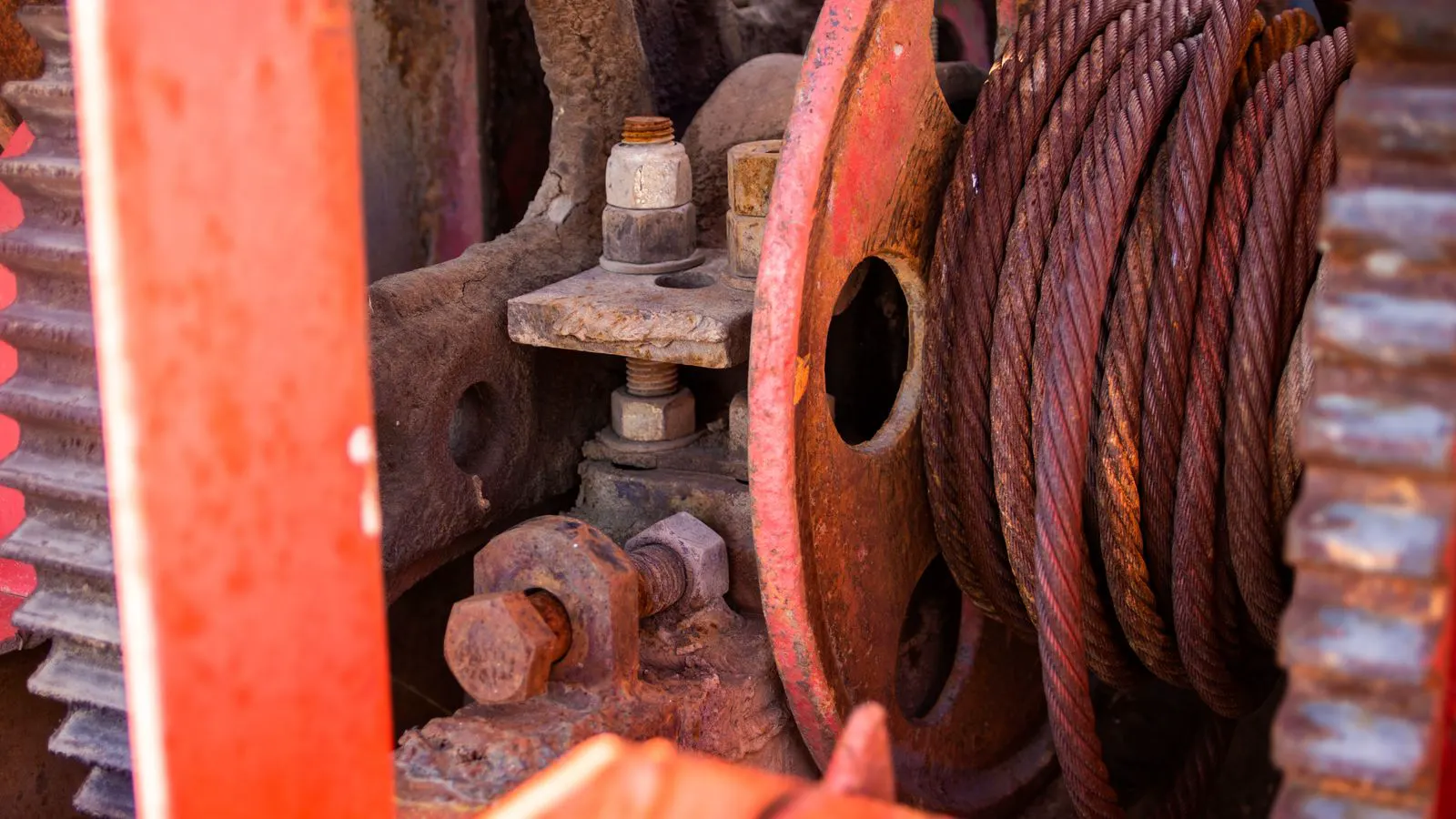
Choose OEM spare parts when warranty, safety, or precision tolerances are at stake. Consider third-party parts for lower-cost, non-critical components if compatibility

Engineers must verify warranty response protocols by auditing after-sales verification documents and support SLA review clauses. This audit checklist maps supplier

Digital twin integration uses virtual models to validate equipment before installation and plan maintenance. Engineers should expect five shifts in procurement and

Importing power looms involves more than the machine price. This guide breaks down logistics costs, customs clearance, and lead time drivers so buyers can plan budgets

Effective negotiating payment terms requires aligning vendor financing options with your cash flow reality. This guide provides a step-by-step method to secure better
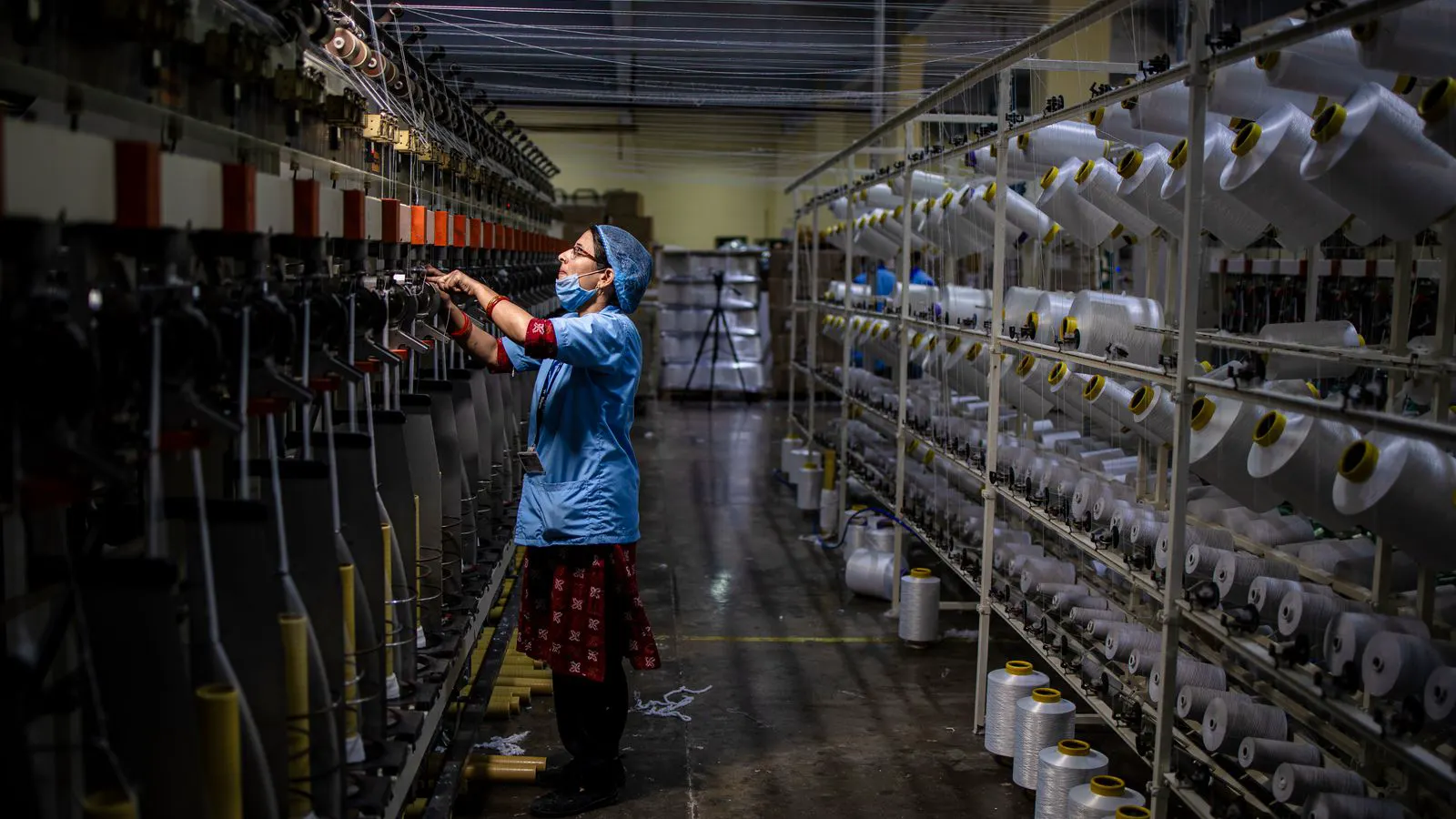
Factory audit red flags help procurement teams spot unreliable spinning machinery suppliers. This explainer defines key warning signs, shows how they affect sourcing

High downtime usually points to slow technical help, missing documentation, or unavailable parts. This guide lists common symptoms and fixes so buyers can reduce delays

This equipment purchase checklist provides a practical framework for verifying supplier spare parts availability before signing a contract. It covers documentation
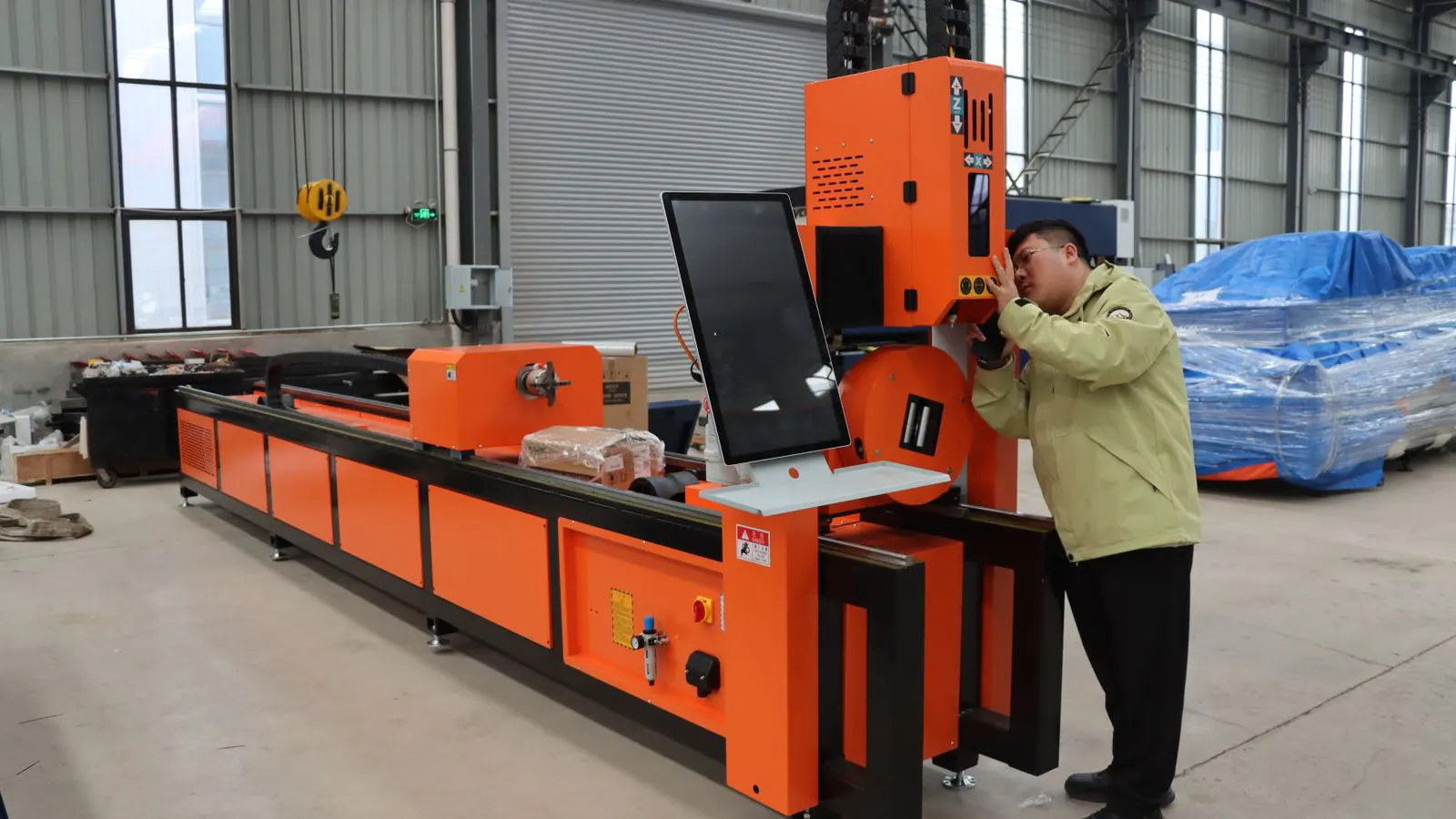
Evaluate supplier technical support by testing response protocols, verifying parts inventory, reviewing documentation access, and checking remote diagnostics capability.

Remote diagnostics is moving supplier support from reactive repair to proactive monitoring. Buyers should plan for data access, predictive maintenance, and new service