Choosing a Supplier
Explainer: Total Cost of Ownership in Supplier Contracts
Total cost of ownership measures the full financial impact of a textile machine over its operational life. It includes purchase price, installation, maintenance, energy
Checklists and evaluation criteria for selecting textile machinery suppliers, negotiating terms, and ensuring after-sales support.
Total cost of ownership measures the full financial impact of a textile machine over its operational life. It includes purchase price, installation, maintenance, energy
Evaluate supplier financial stability by reviewing audited financials, customer concentration, and service history. This guide provides specific criteria for procurement
Request complete technical files before purchase. Verify that machine manuals, wiring schematics, and maintenance logs are complete, current, and specific to your model.
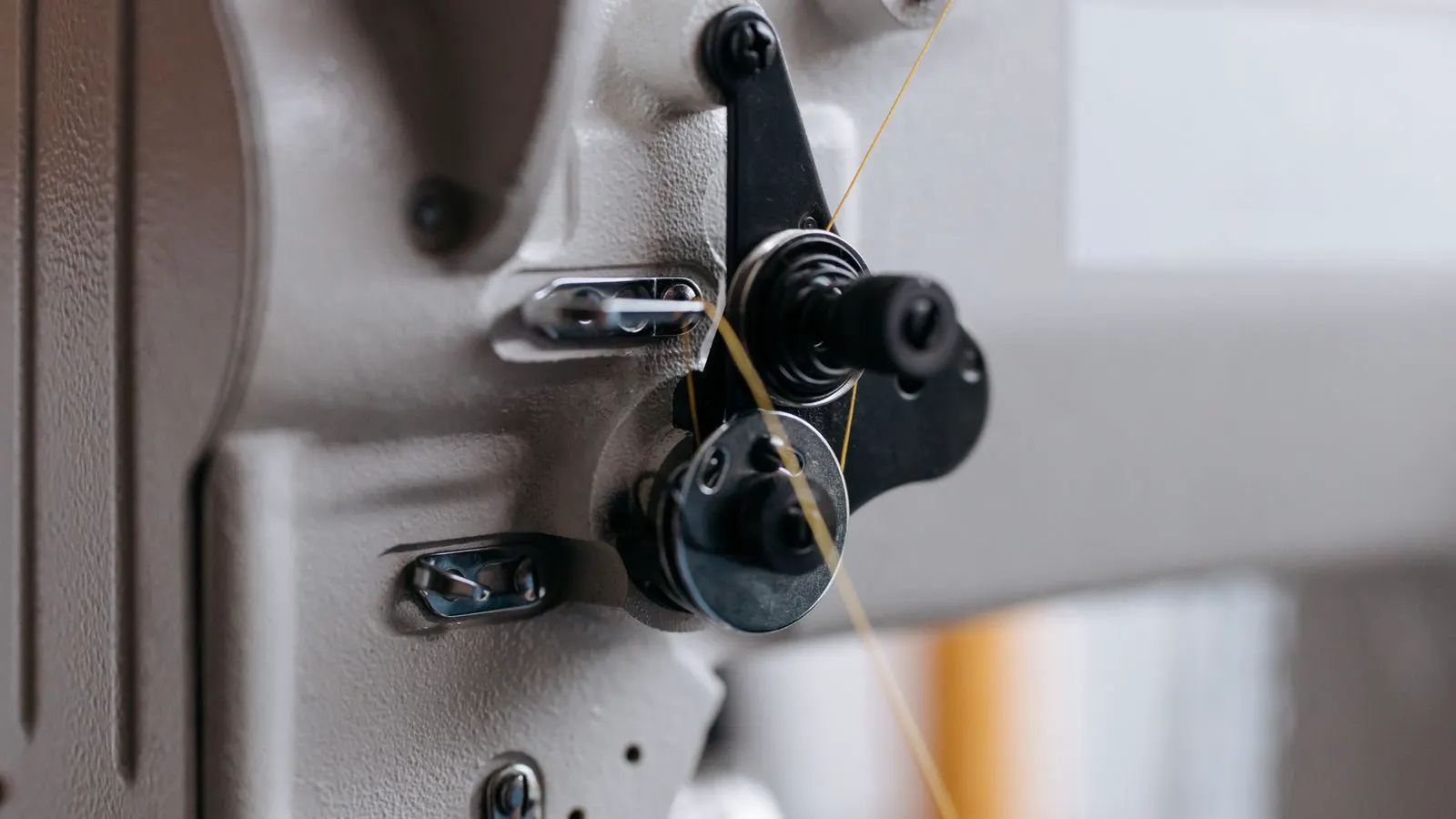
OEM support offers original parts and direct technical access, while independent providers often deliver lower costs and flexible scheduling. The best choice depends on
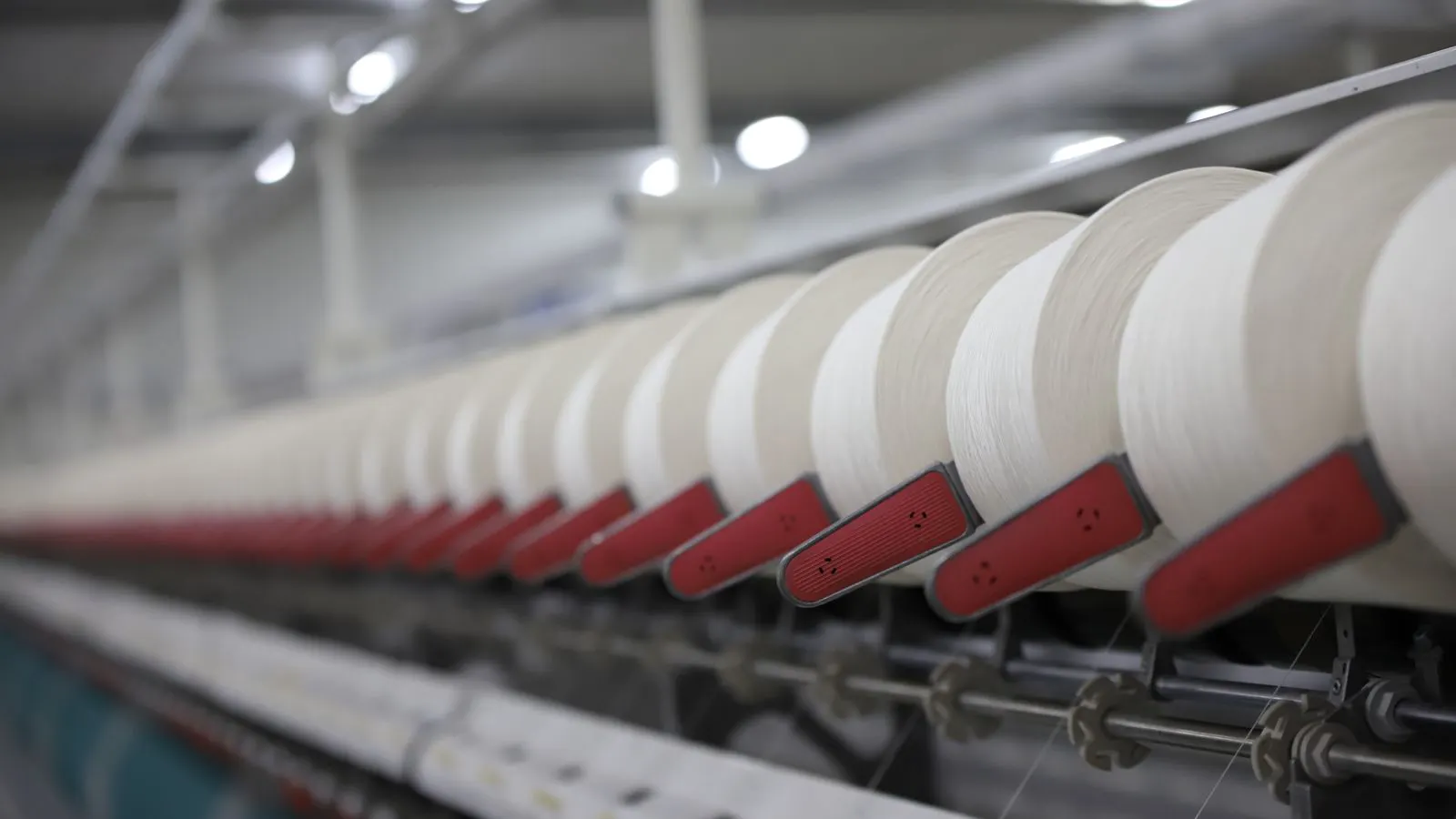
Inconsistent supplier parts quality disrupts production and increases maintenance costs. This guide outlines symptoms like premature wear and fit mismatches. It provides
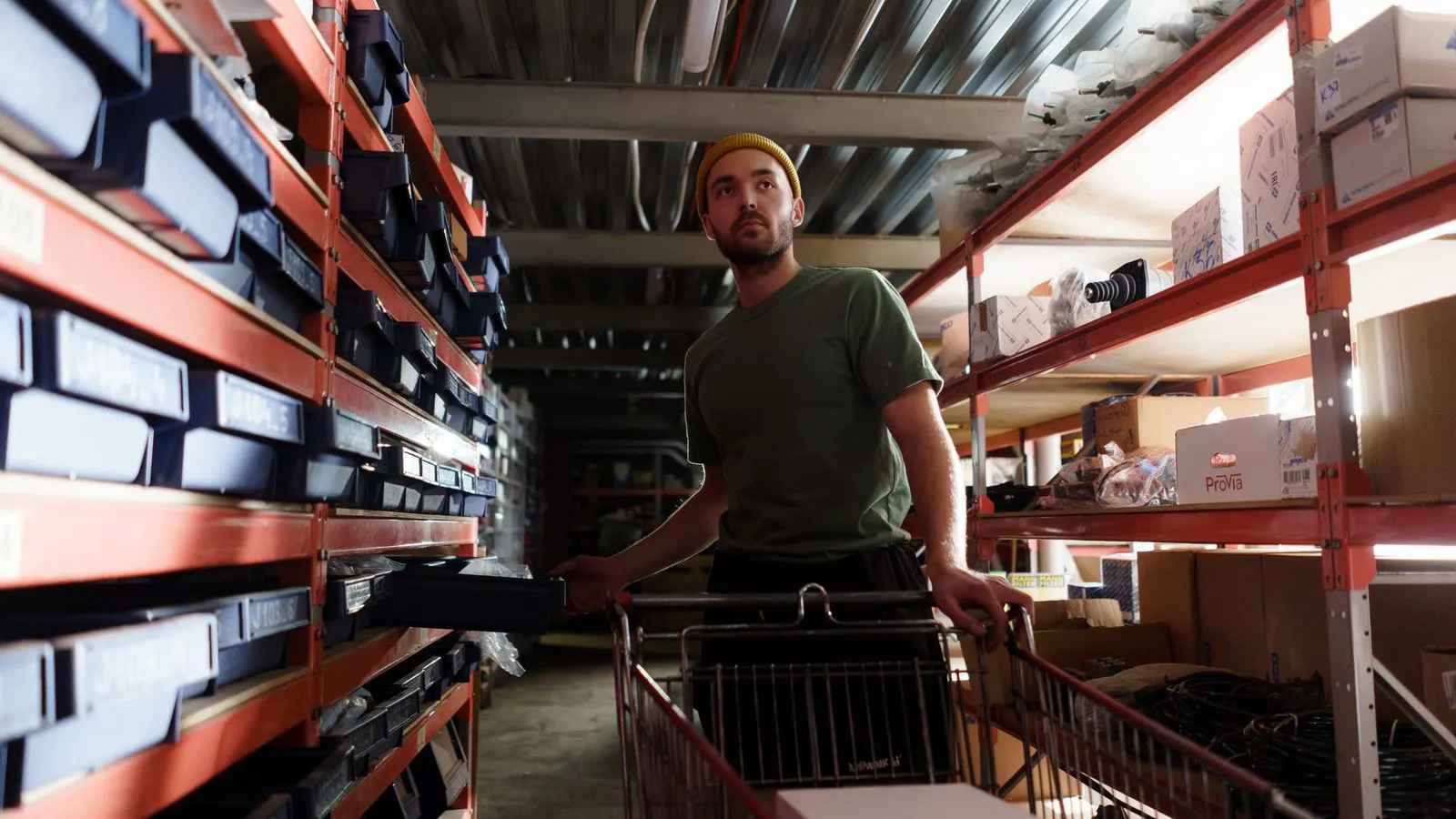
Secure long-term equipment maintenance by structuring spare parts negotiation around availability guarantees, transparent pricing structures, and shared inventory
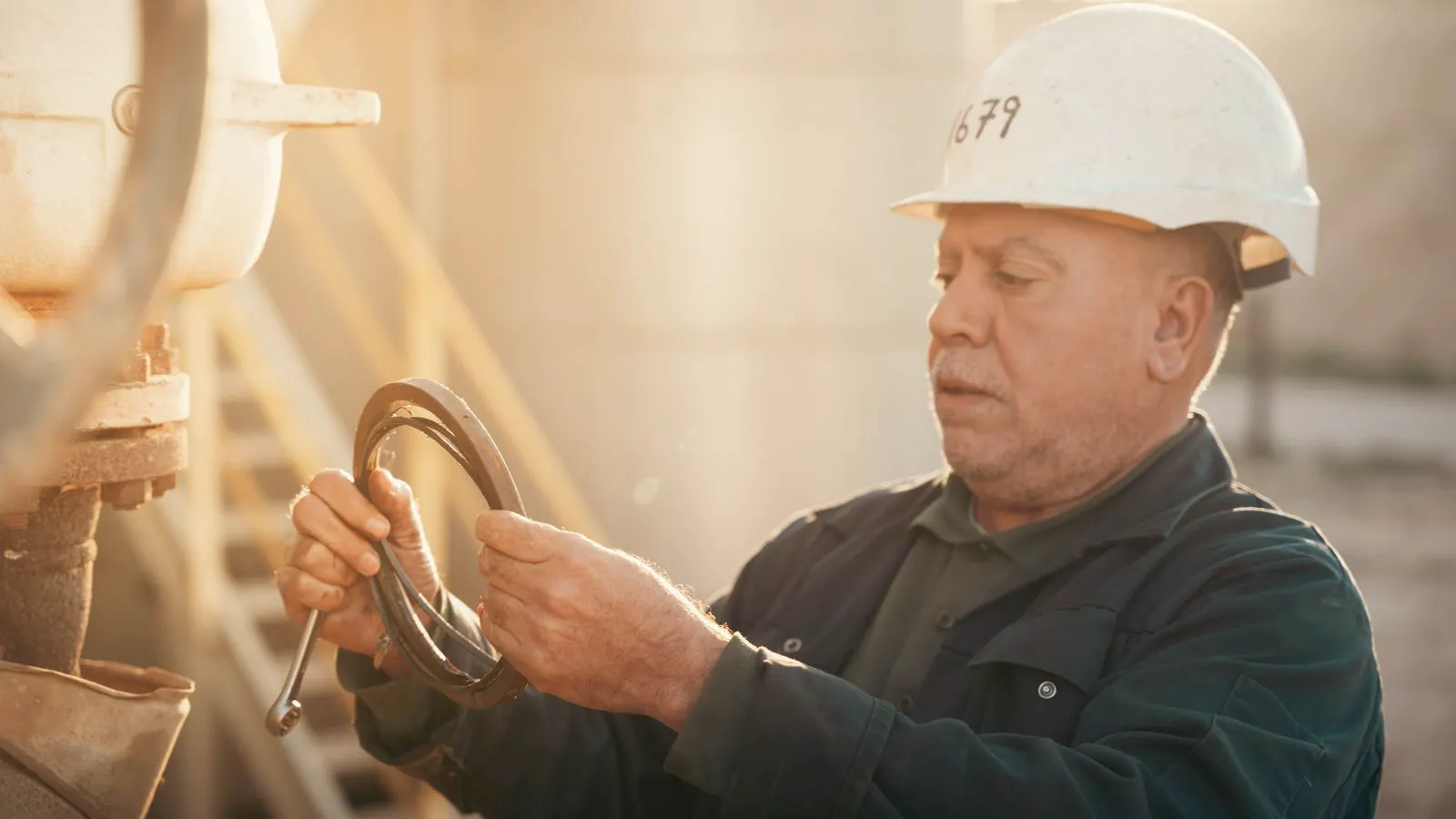
A service level agreement defines measurable service commitments, including response times and resolution targets. It converts vague support promises into enforceable
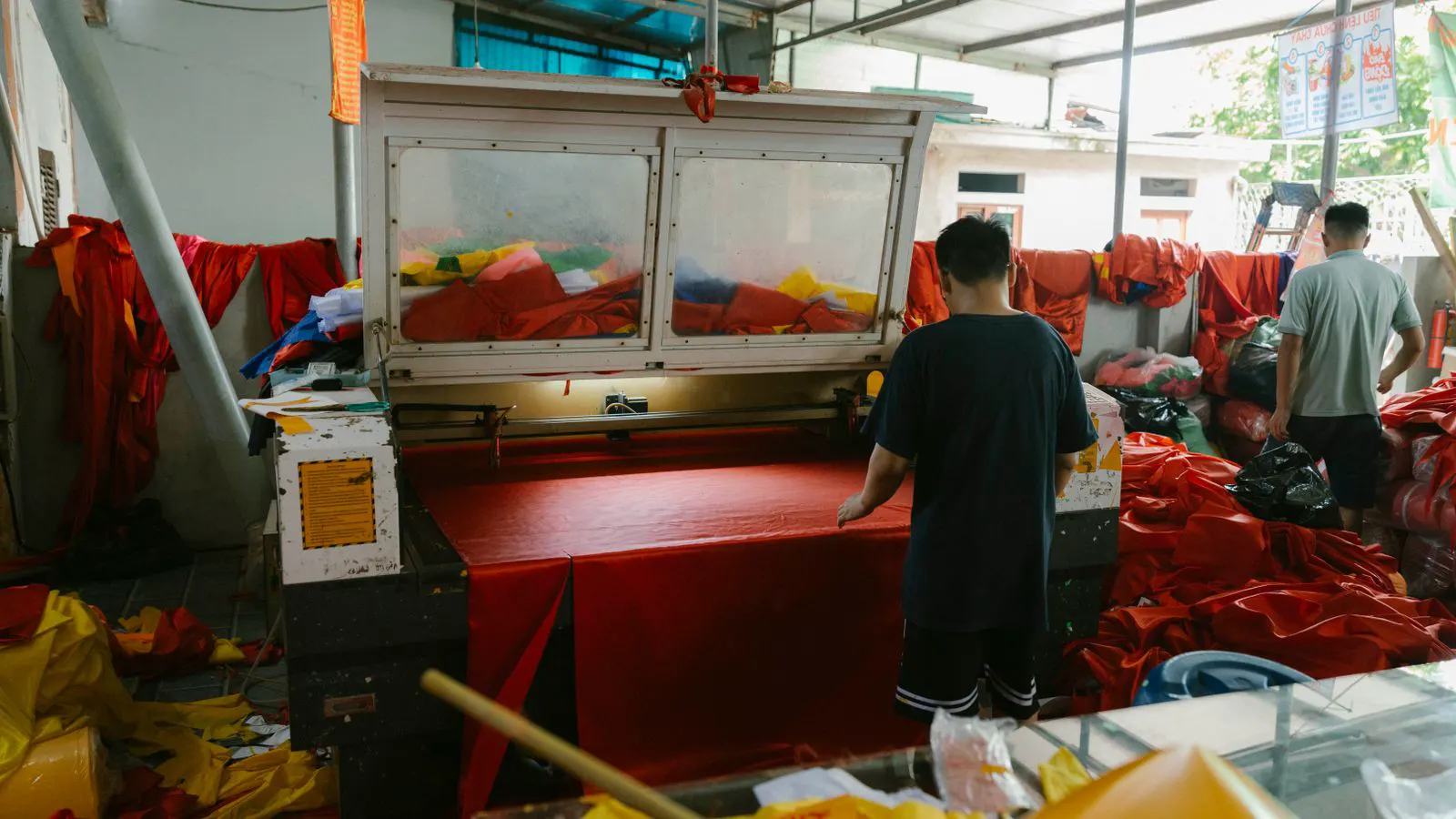
Choose between standard and extended warranty terms based on machine criticality, spare parts availability, and downtime tolerance. Extended terms offer longer coverage
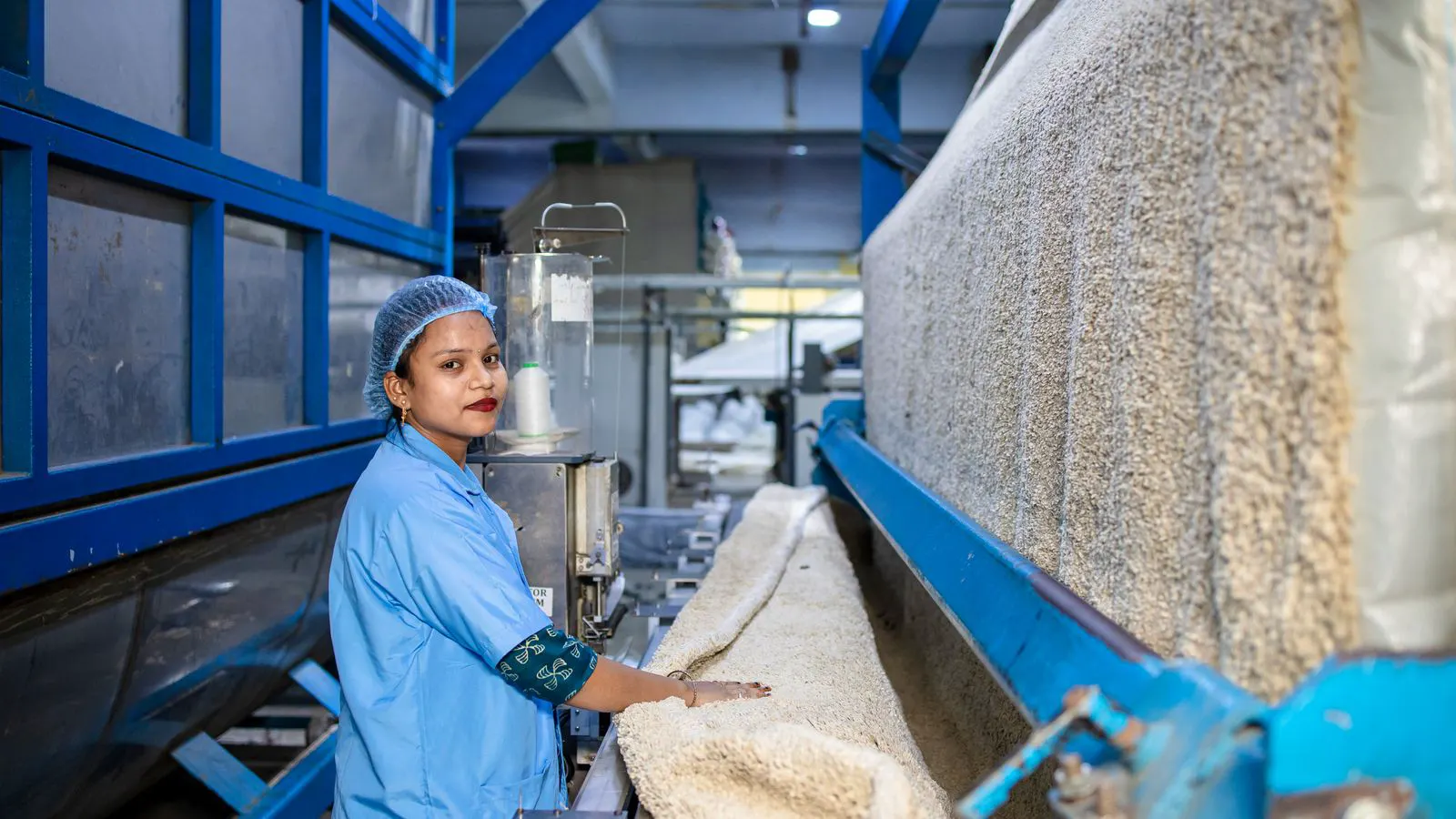
A supplier factory audit verifies that a textile machinery vendor can meet your specifications, capacity needs, and quality standards. It involves on-site inspection of
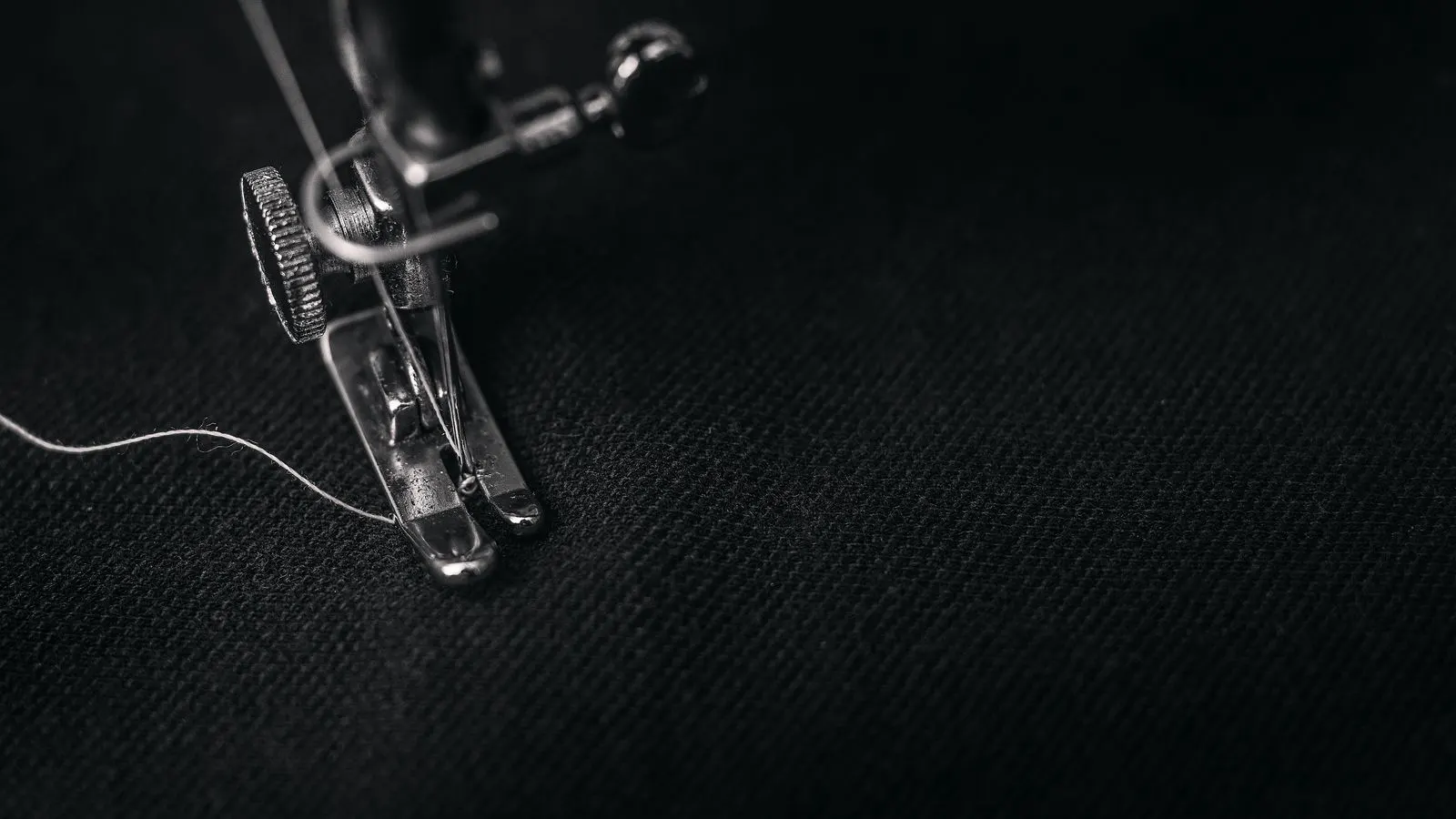
Sewing machine import cost depends on machine value, freight, duties, and local taxes. A clear RFQ and standardized quote comparison allow buyers to estimate total
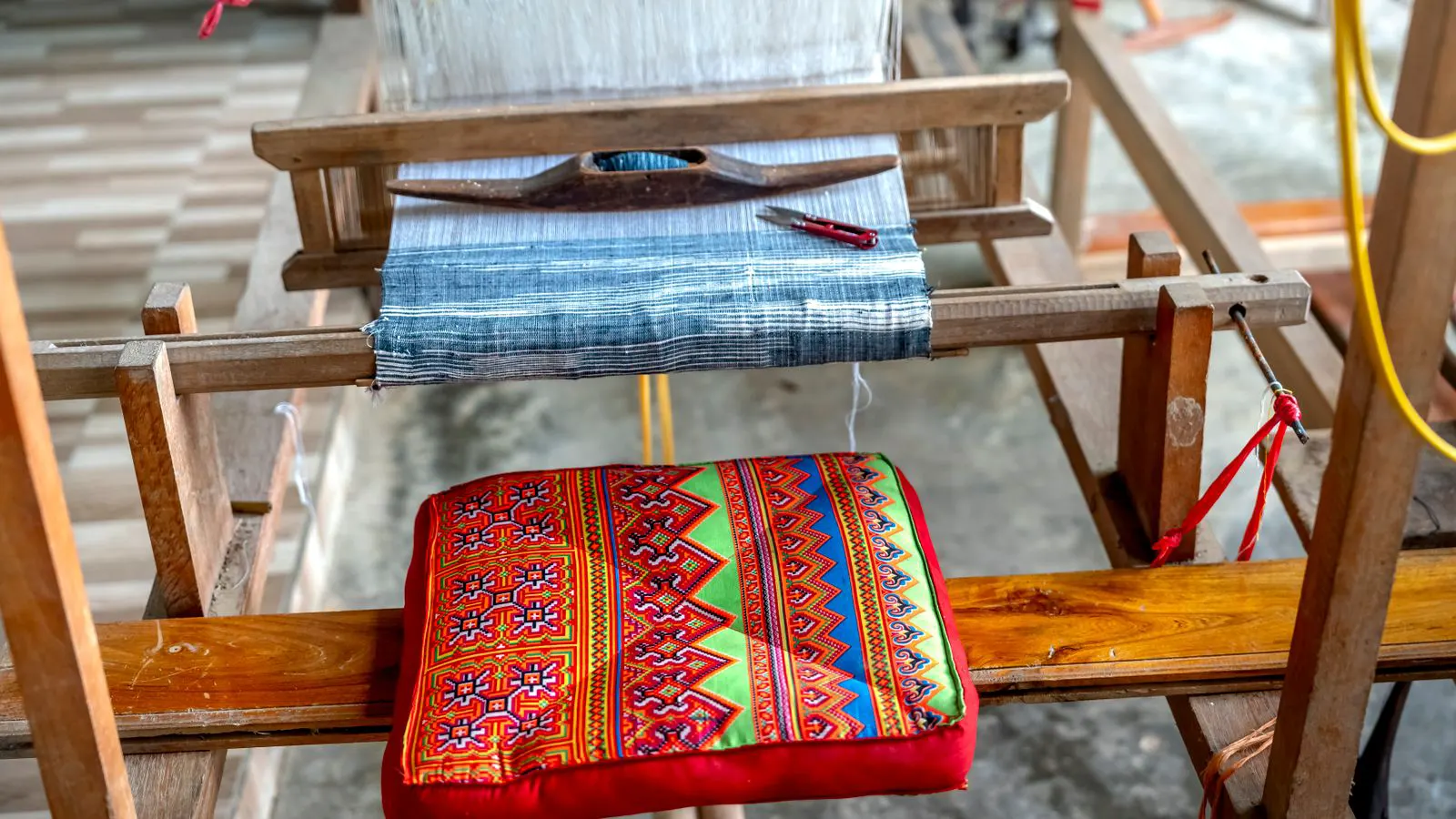
Frequent loom shuttle breakage usually stems from worn parts, incorrect tension settings, or damaged shuttle tracks. This guide identifies root causes through symptoms
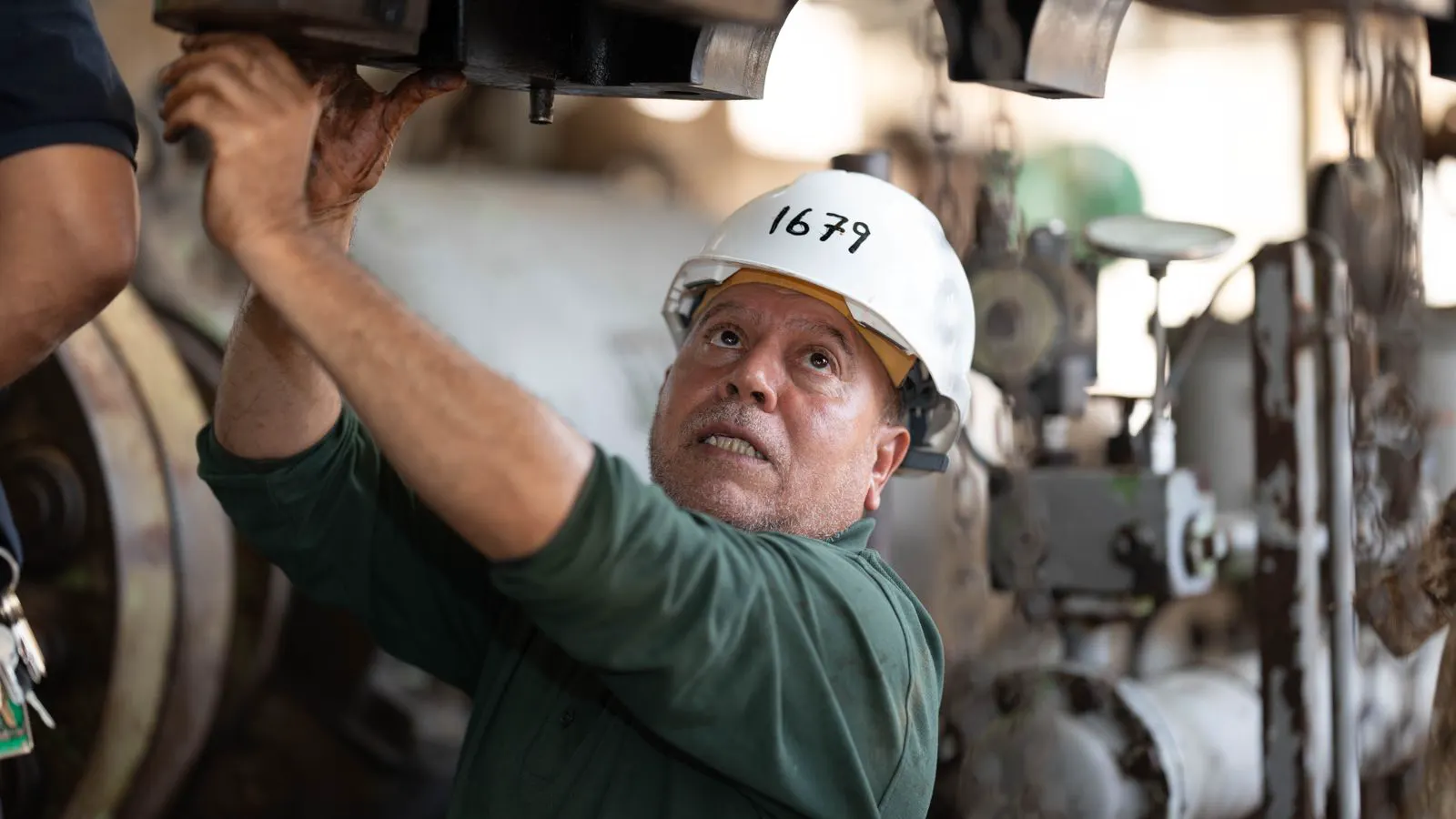
Remote technical support is moving from a backup option to a core service function. Buyers should expect faster diagnostics, data-driven maintenance, and new contract