
Cost & ROI
Buyers Guide: Selecting Spinning Machine Capacities
To select spinning machine capacity, align output targets with market demand and financial models. Use textile ROI calculation to verify that production costs, energy
Practical frameworks for evaluating machine costs, calculating return on investment, and planning textile capital projects.
To select spinning machine capacity, align output targets with market demand and financial models. Use textile ROI calculation to verify that production costs, energy
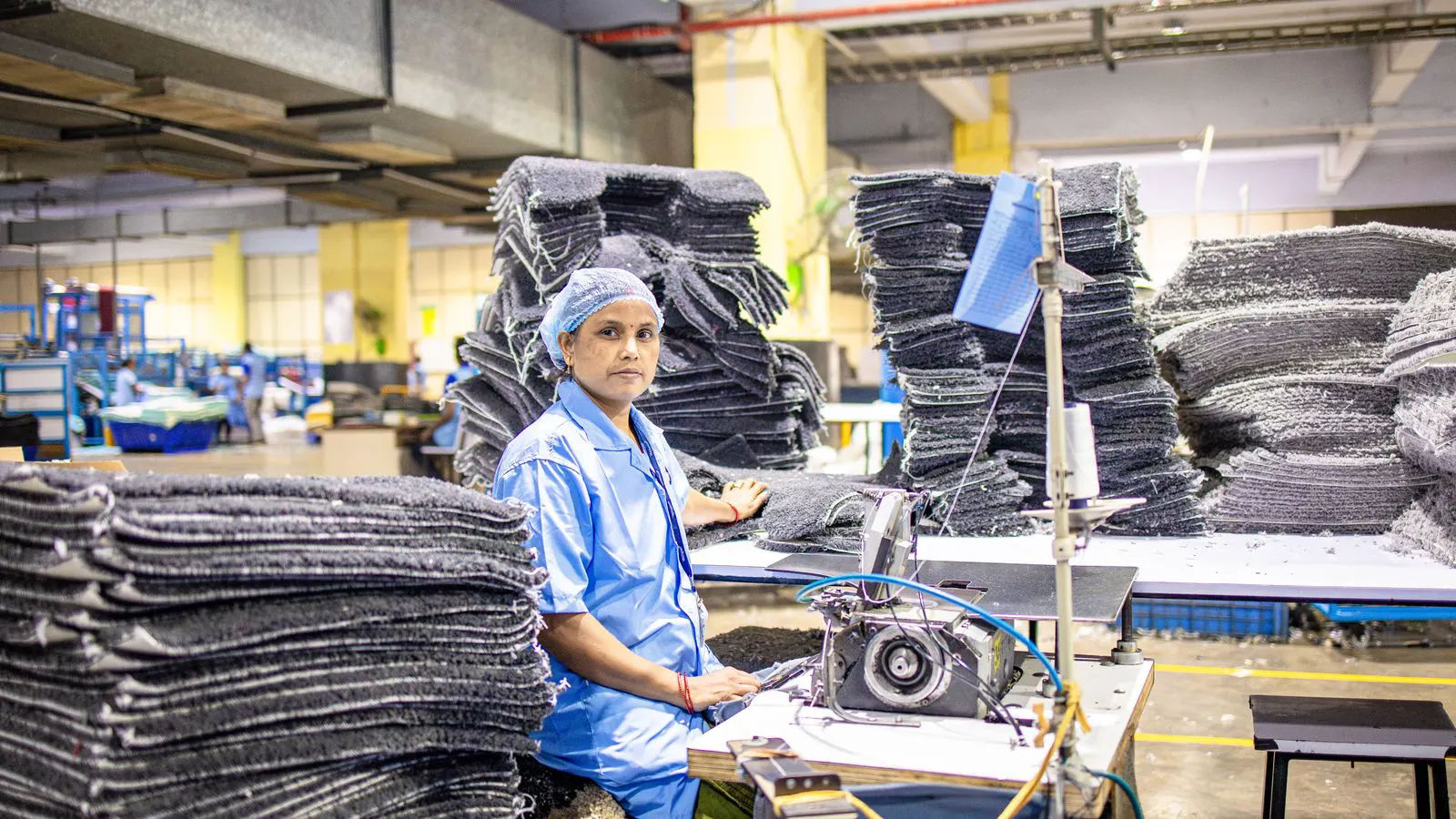
Predictive maintenance evolves from reactive repairs to data-driven planning. By monitoring spindle wear, motor load, and sensor drift, mills reduce unplanned downtime
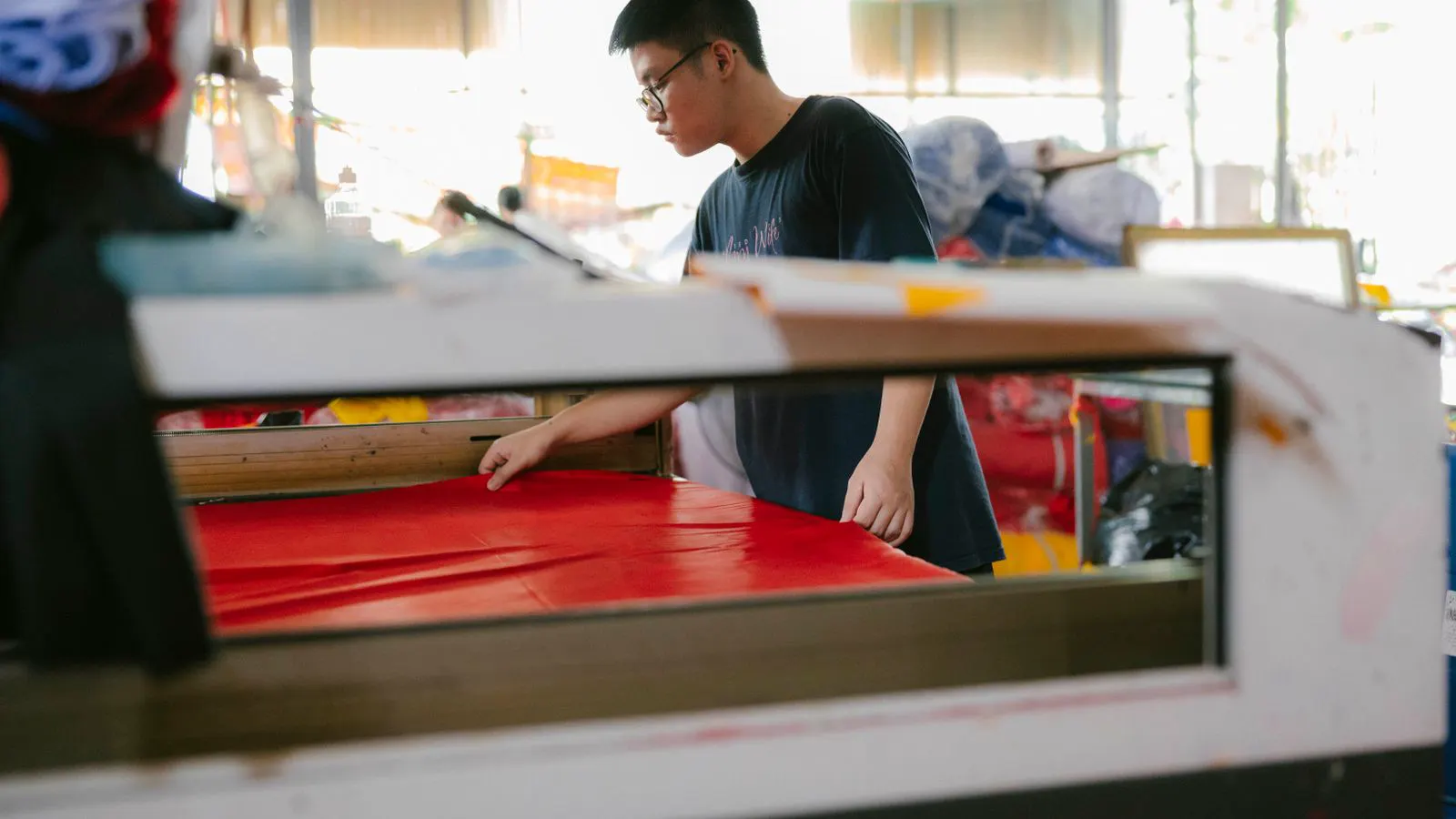
Adding automated fabric inspection involves significant equipment investment and variable lead times. This guide outlines the primary cost drivers, delivery timelines

Energy costs directly affect the operating expenses of textile equipment. A complete machine cost analysis must include projected electricity usage to determine true
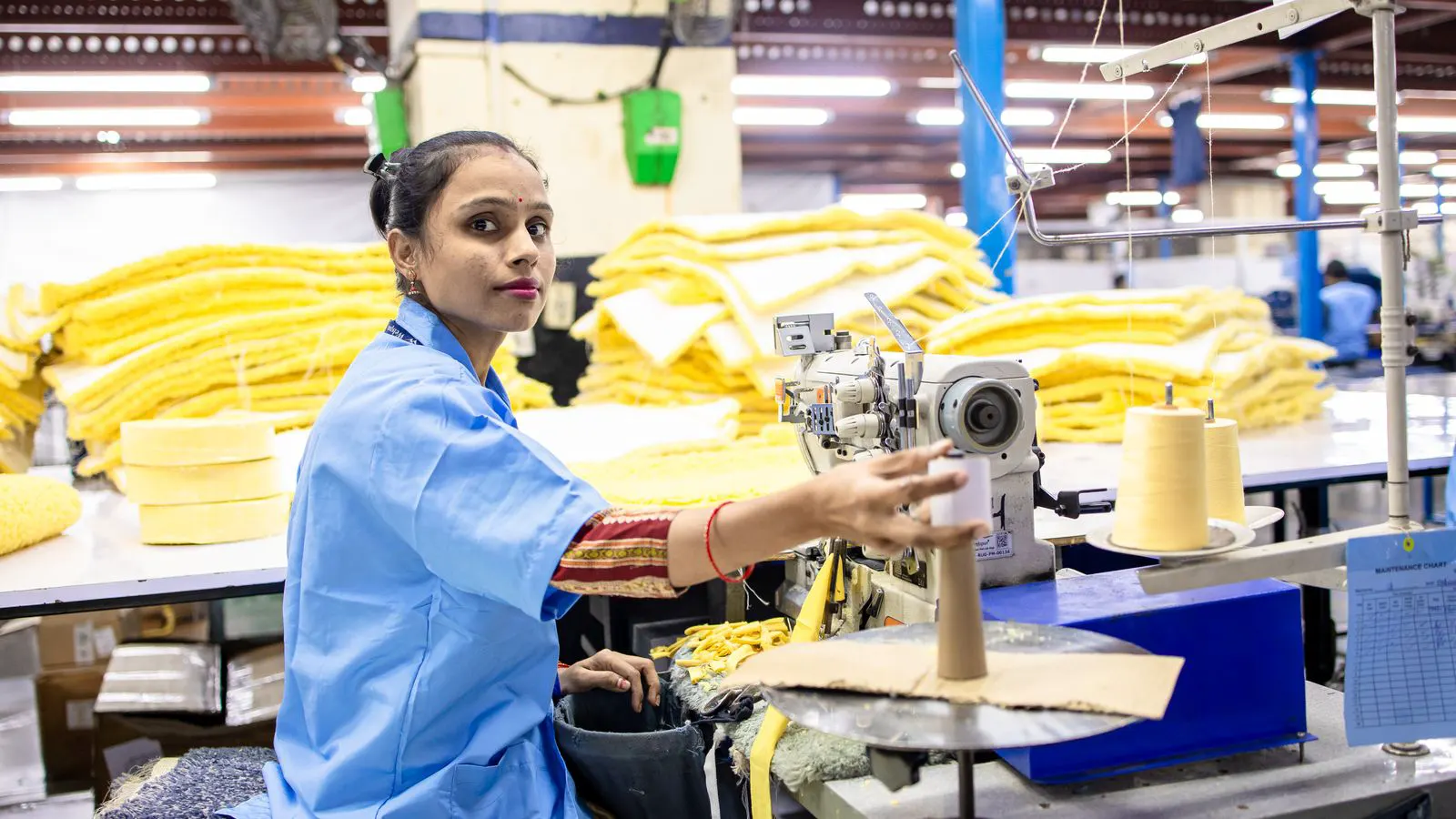
High spinning frame energy use usually points to friction, worn parts, or poor tension. Identify the root cause through a targeted audit and mechanical inspection, then
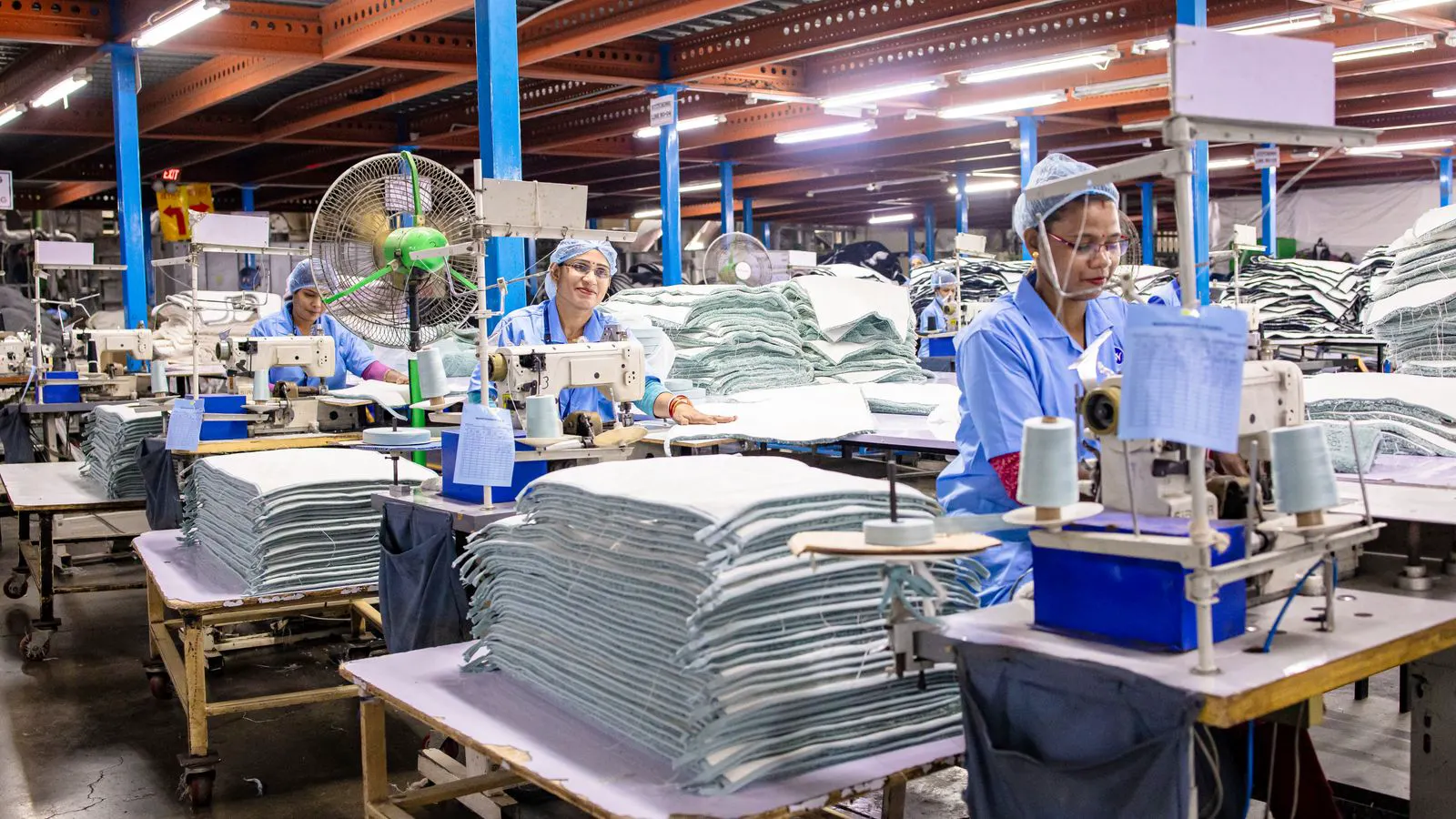
A practical knitting machine ROI calculation requires tracking initial outlays, energy savings, labor efficiency, and scrap reduction. This framework helps buyers
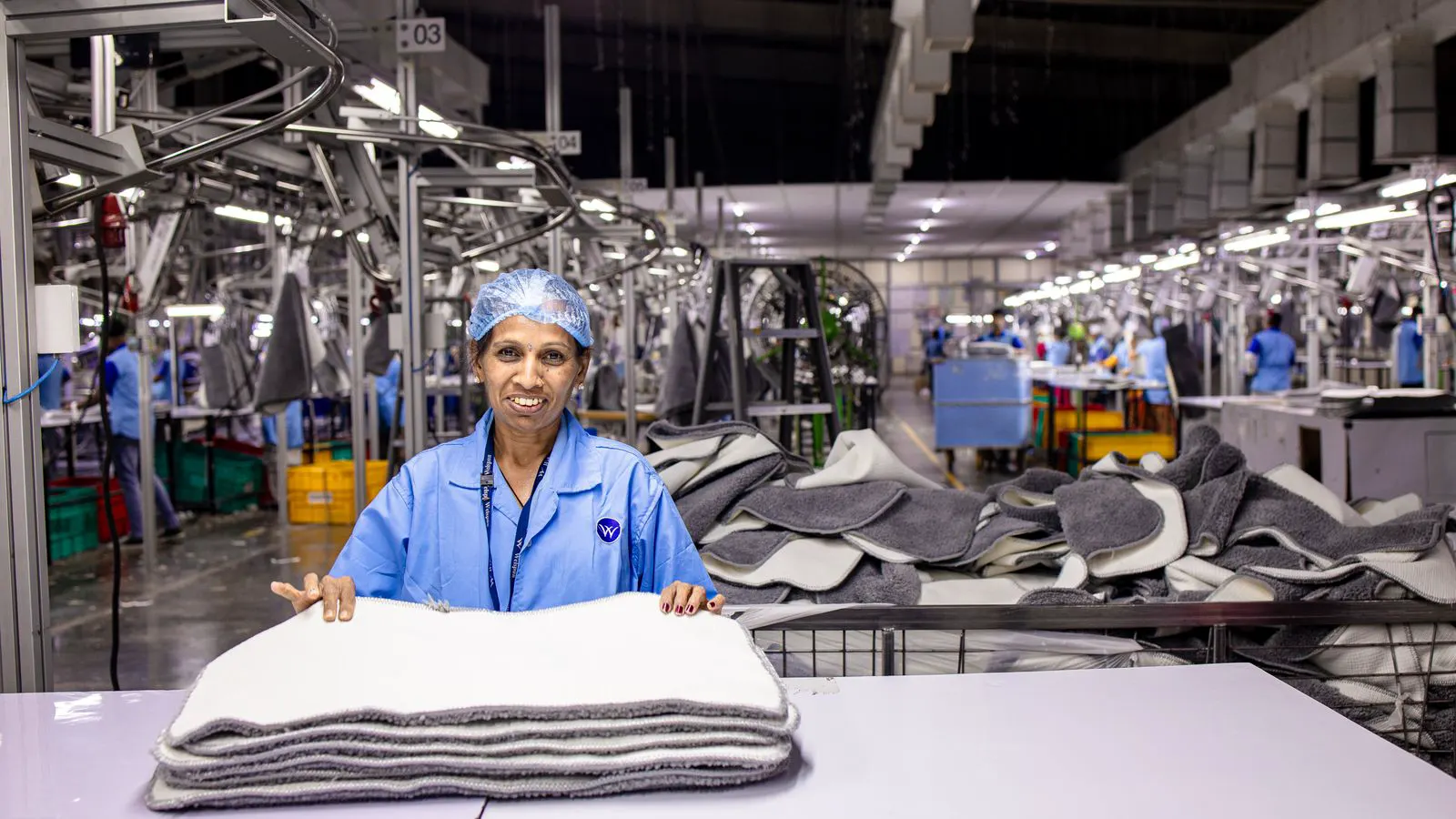
Textile machinery depreciation allocates equipment cost over its useful life. This article defines straight-line, units-of-production, and sum-of-years methods. It
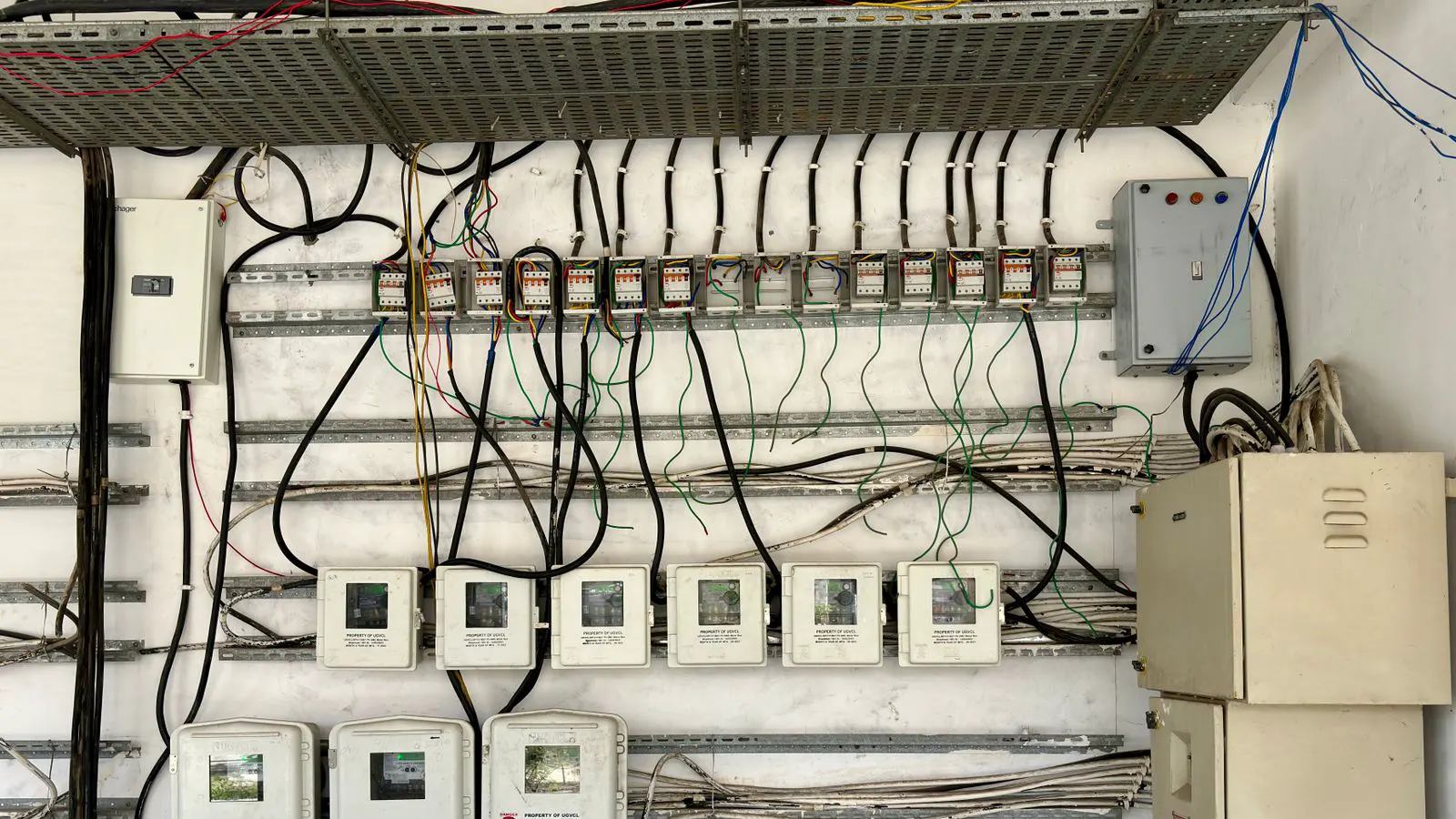
This audit checklist helps site engineers verify power capacity, wiring, and grounding before installing new looms. It covers factory electrical planning requirements to
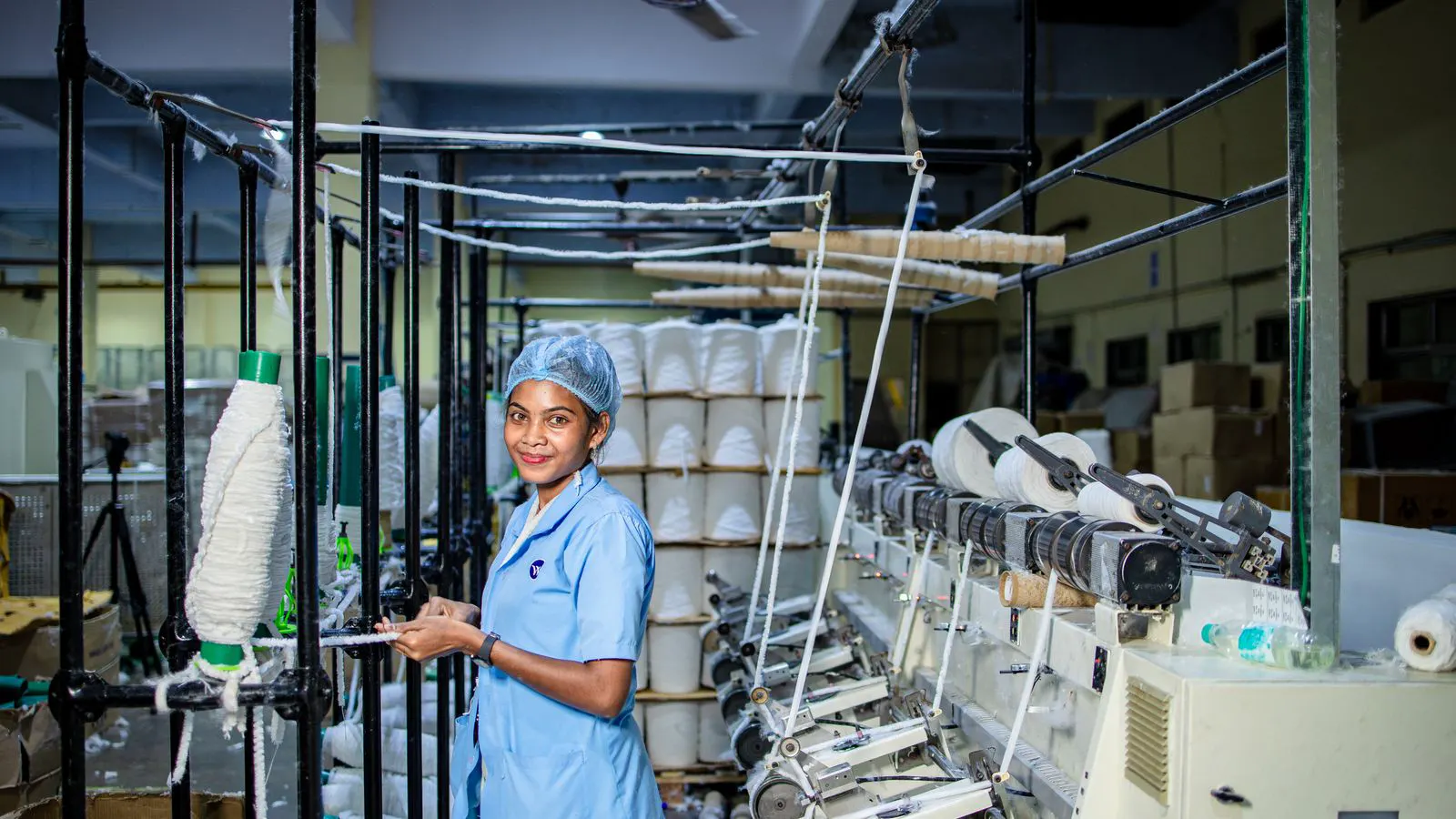
Ring spinning offers lower long-term maintenance and higher yarn quality, while rotor spinning provides faster throughput and lower initial capital costs. The right

Procurement managers should prioritize dyeing technologies that lower specific energy consumption per kilogram of fabric. The best future value comes from closed-loop
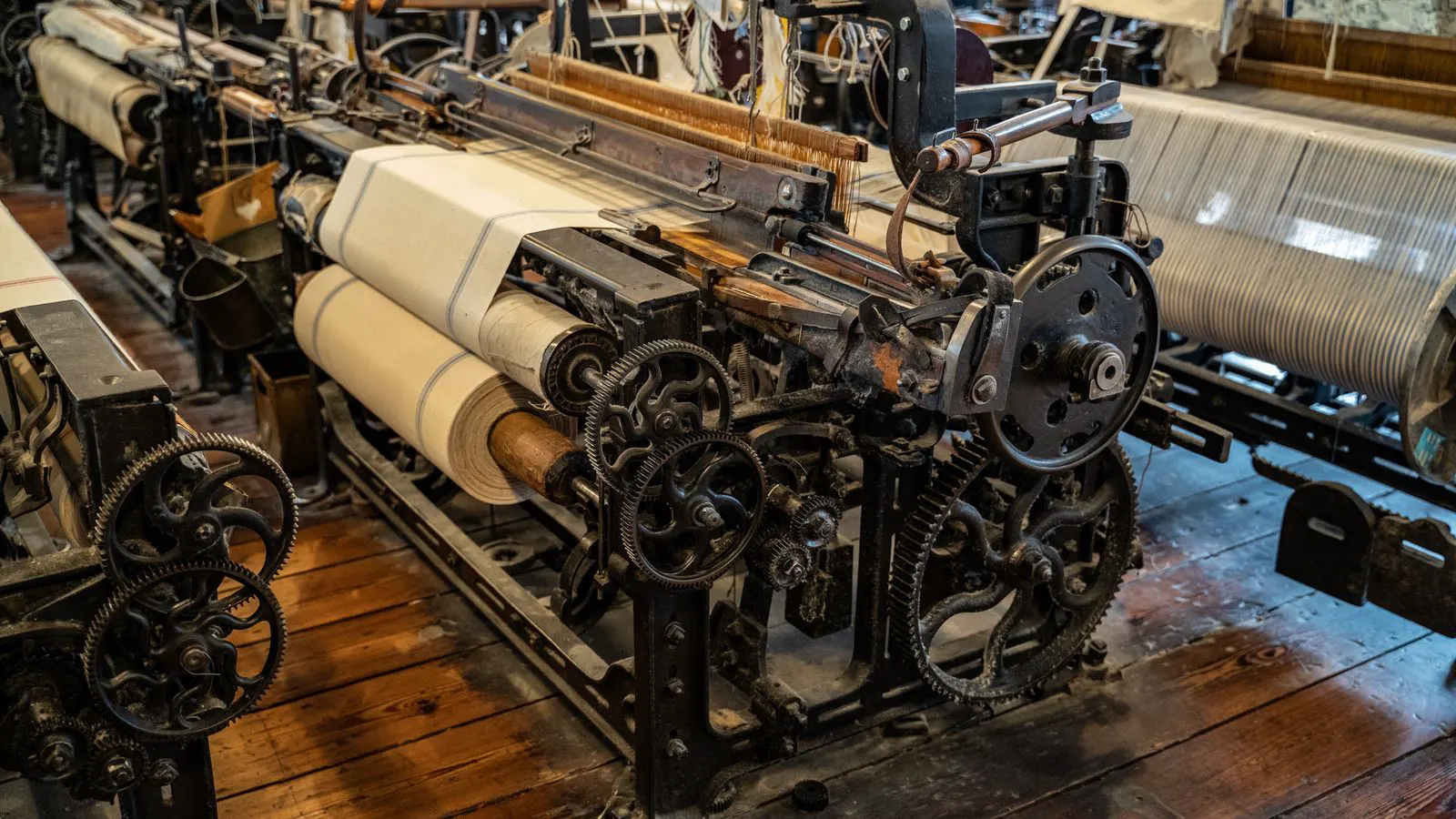
A loom TCO calculation sums the initial purchase price with operating, maintenance, and disposal costs over the machine's expected service life. This approach reveals
A cutting table comparison shows that automated systems typically deliver higher garment throughput and lower scrap reduction costs, while manual tables remain viable