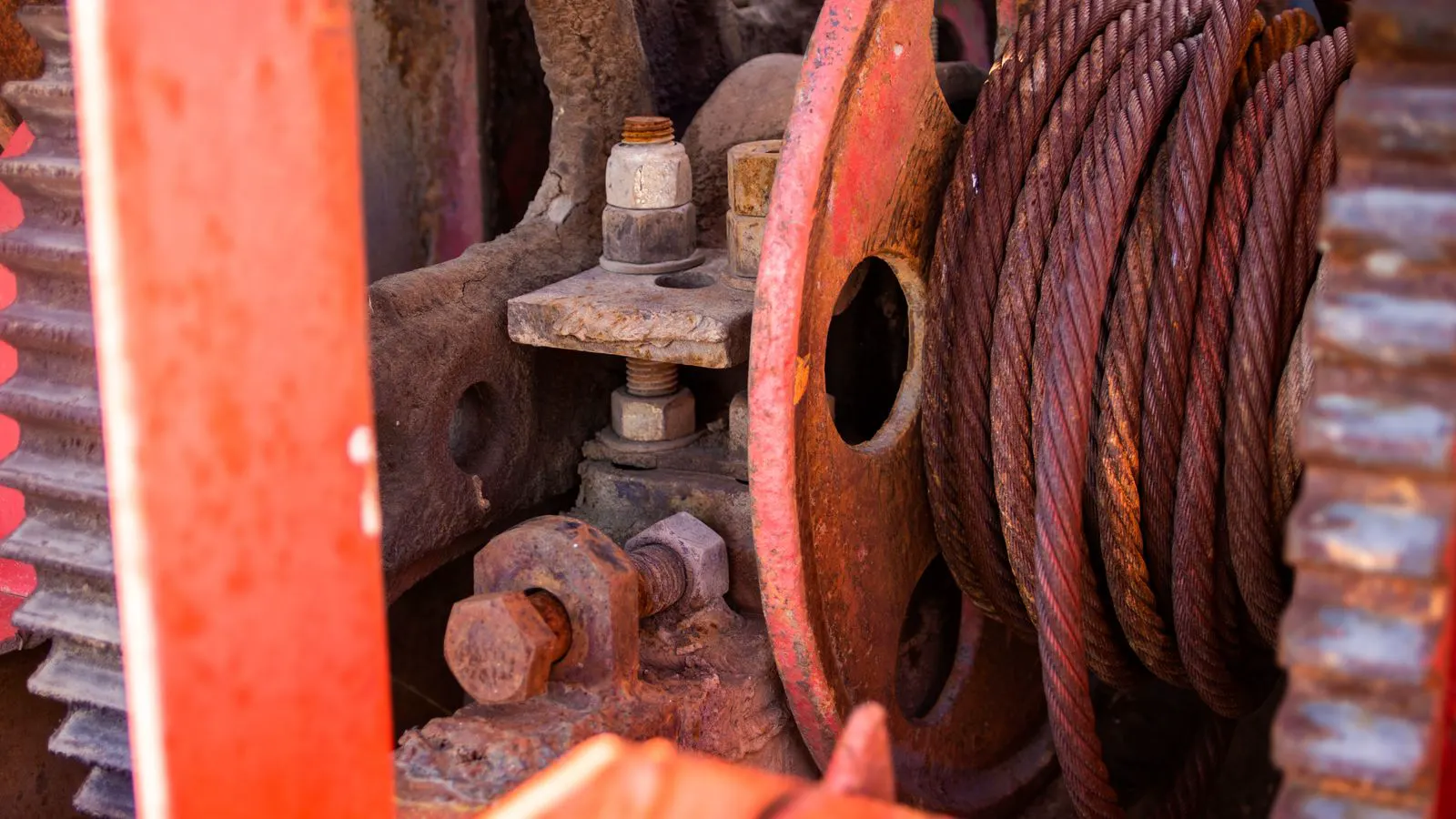
Comparison: OEM vs Third-Party After-Sales Support
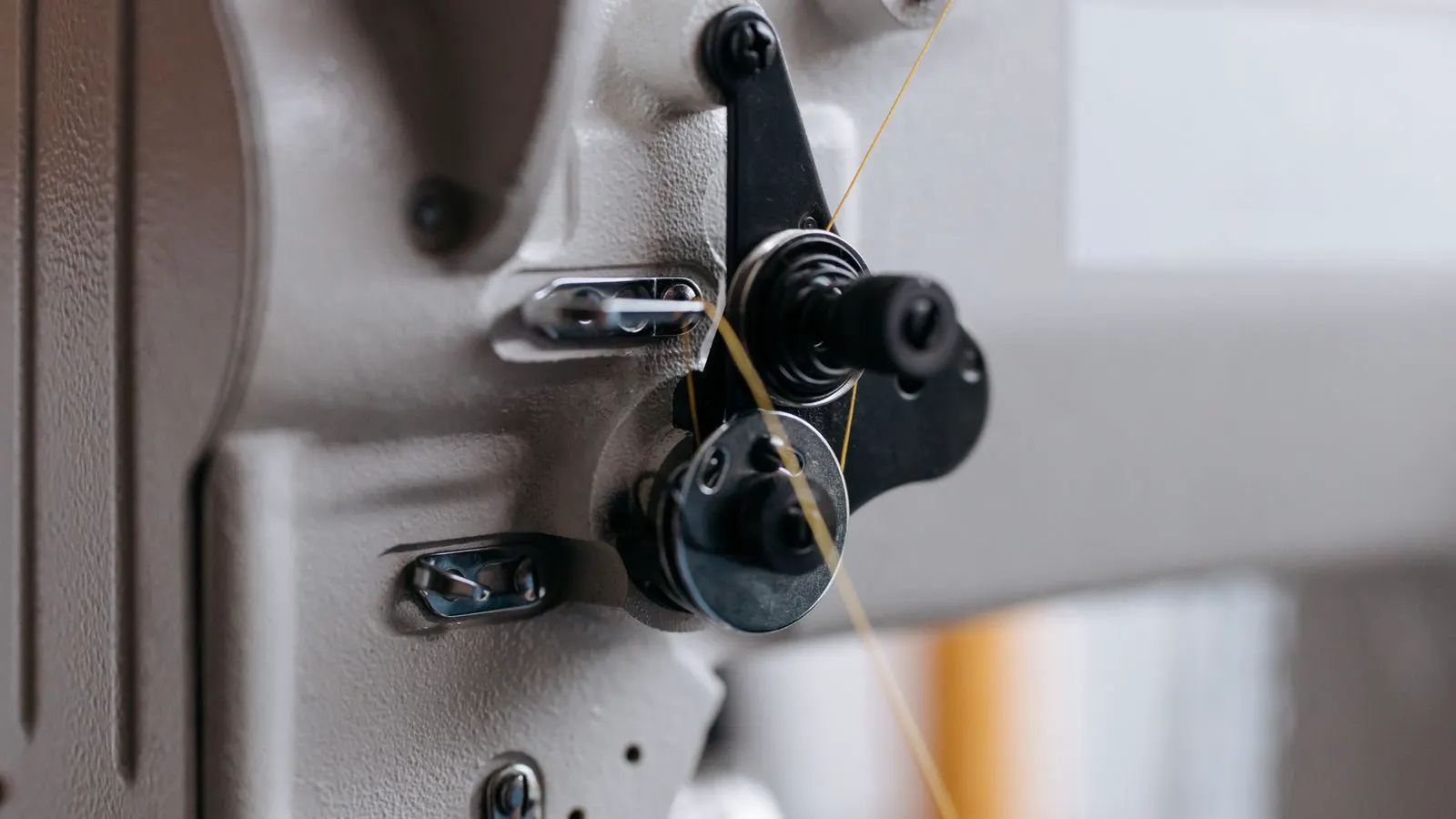
OEM support offers original parts and direct technical access, while independent providers often deliver lower costs and flexible scheduling. The best choice depends on machine age, criticality, and local service coverage.
- OEM support provides access to original parts and manufacturer-specific diagnostics.
- Independent providers can reduce service costs and offer faster local response times.
- Mixed strategies often work best, combining OEM for critical components and third-party for routine maintenance.
- Service Level Agreements must clearly define response times, parts availability, and liability for downtime.
- Auditing a provider's parts inventory and technical documentation is a practical risk control.
How OEM and Third-Party Support Differ
Original equipment manufacturer support and independent service providers handle machine maintenance in different ways. OEM teams work with the exact documentation, parts, and software used at the factory. They hold the source code for control systems and know the failure modes that engineers identified during testing. Independent providers build their knowledge from service history, parts catalogs, and field experience across multiple machine brands. They often develop workarounds for common faults that appear across different makes.
The difference matters most when a machine fails. An OEM technician may have direct access to proprietary diagnostics and replacement parts. They can read error codes that are locked inside the control system and order components that only the manufacturer stocks. An independent technician may have a broader inventory of common components and the ability to reach the site faster. They can often diagnose a mechanical fault, such as a worn gear or a slipping drive belt, without needing a manufacturer password.
The choice affects more than just repair speed. It shapes your maintenance costs, parts quality, and long-term reliability of the equipment. A plant that relies solely on OEM support may pay premium prices for labor but gain access to the latest firmware updates. A plant that uses third-party support may save on service fees but risk using unapproved components that degrade over time.
What to Evaluate in an OEM Service Contract
OEM service contracts usually cover scheduled maintenance, emergency repairs, and parts supply. The manufacturer has full visibility into the machine’s design and failure patterns. This advantage becomes clear when a problem is internal, such as a control board fault or a calibration issue. The OEM can identify whether a sensor drift is due to wear or a manufacturing defect, which determines whether the part is replaced or repaired.
Review the contract terms carefully. Check how response times are measured. A 24-hour response window may mean a phone call or a visit. The contract should state whether travel, parts, and labor are included or billed separately. Some contracts define “response” as the time until a technician connects via remote software, while others require physical presence.
Parts availability is a key factor. OEMs control production of specific components. Some parts may have long lead times if the original production line has changed. Ask about obsolete parts handling. If a component is no longer made, does the OEM stock a last supply or offer a compatible alternative? In some cases, the manufacturer may recommend a newer version of the part that requires a software update.
Also check the terms for preventive maintenance visits. How often must the technician visit? What is included in a standard visit? Does the contract require the plant to perform certain checks, such as oil changes or belt tensioning, or does the OEM handle the full scope? If the plant fails to meet these requirements, the warranty or service coverage may be voided.
What Independent Providers Bring to the Table
Independent service providers focus on maintenance and repair rather than manufacturing. They often serve multiple brands and can keep a wider range of spare parts in local stock. This helps when a machine needs a replacement quickly. A provider that services both knitting and weaving machines may keep a stock of universal bearings, sensors, and hydraulic components that fit multiple models.
Their advantage is often cost. Independent providers may charge less for labor and parts than OEMs. They may also offer more flexible scheduling, which is useful for plants with tight production targets. They can often fit a repair into a short downtime window without requiring a full shutdown.
However, third-party support depends on technical accuracy. A technician who has not seen a specific machine model may miss a subtle fault. This is especially true for machines with complex electronics or custom mechanical tolerances. A slight misalignment in a spindle assembly, for example, may not be visible to someone who has only worked with standard industrial equipment.
Check the provider’s documentation. Do they have access to the manufacturer’s maintenance manuals? Do they use genuine parts or approved alternatives? Ask for examples of past work on your machine type. Request case studies or service reports that show how they handled specific faults.
Maintenance Reliability and Risk
Maintenance reliability is the core issue in this comparison. A reliable service provider reduces unplanned downtime and extends machine life. The risk is not just a single repair. It is the pattern of service over time. Consistent, high-quality service prevents small issues from becoming major breakdowns.
OEM support tends to offer higher consistency in parts quality. Independent providers vary more. Some are highly capable. Others may cut corners on consumables or use unapproved parts. A plant may find that a third-party provider uses a cheaper bearing that fails after a few weeks, leading to repeated repairs and higher long-term costs.
A practical check is to inspect the service report. A good report lists parts replaced, measurements taken, and recommendations for future maintenance. It should include serial numbers of replaced components and notes on any adjustments made. A weak report gives only a summary with no technical detail. Without this data, it is difficult to track the machine’s health over time.
When to Choose Each Option
The best approach depends on the machine’s role in production. High-speed, critical machines usually benefit from OEM support for major faults. Routine maintenance, such as lubrication, belt checks, and minor part changes, can often be handled by an independent provider. The decision should be based on the machine’s criticality and the nature of the fault.
Consider the following scenarios:
- The machine is under warranty and the fault is likely design-related. Use the OEM to preserve warranty coverage and avoid future disputes.
- The machine is older and the OEM no longer supports it. An independent provider with experience on that model may be the only practical option.
- The machine is not a bottleneck but still needs regular care. A third-party provider can manage scheduled maintenance at lower cost.
- The machine has electronic controls or specialized software. OEM support is usually safer for firmware and calibration issues.
- Local OEM service is slow or unavailable. A well-documented independent provider may deliver faster response without damaging the machine.
A Practical Mixed Strategy
Many plants use a mixed approach. They keep an OEM relationship for critical components and major repairs. They use an independent provider for routine maintenance and minor parts. This balances cost, speed, and technical accuracy. The plant retains the manufacturer’s support for complex issues while managing day-to-day maintenance through a local partner.
To make this work, you need clear documentation. Share the machine’s maintenance history with both providers. Track which parts have been replaced and which faults have occurred. This prevents gaps in knowledge and helps both providers work efficiently. A shared digital log or a physical maintenance book can serve as the source of truth for both parties.
Define the scope of each agreement. For example, the OEM may handle control system faults and major mechanical repairs. The independent provider may handle preventive maintenance, minor part changes, and routine inspections. This division of labor ensures that each party focuses on their strengths.
A service level agreement should cover both. It must state response times, parts quality standards, and reporting requirements. If a provider misses the target, there should be a clear consequence, such as a credit or a service review. This creates accountability and ensures that the service relationship remains effective.
How to Verify a Provider’s Capability
Before signing any agreement, verify the provider’s capability. Ask for a list of machines they have serviced in the last year. Request references from plants with similar equipment. Contact these references to ask about the provider’s responsiveness, technical skill, and attention to detail.
Check their parts inventory. Do they keep common spare parts on site? Do they have a process for sourcing obsolete components? A provider that can show a parts list and lead times is more reliable than one that only promises quick service. Ask how they handle parts that are no longer manufactured. Do they have a network of suppliers or a process for reverse-engineering components?
Visit their workshop if possible. Look at their tools, test equipment, and documentation. A clean, organized workspace often indicates better quality control. Ask how they handle calibration and testing after a repair. They should have standard procedures for verifying that the machine operates within tolerance after service.
Finally, review the contract for liability. What happens if a repair causes further damage? Who is responsible for lost production time? These terms matter more when the machine is a key part of your production line. Ensure that the contract clearly defines the scope of work and the responsibilities of both parties.
Common Mistakes to Avoid
The most common mistake is choosing a provider based only on price. A low cost may save money in the short term but lead to higher downtime later. A second mistake is assuming that OEM support is always the best choice. If the local OEM team is slow or parts are unavailable, a capable independent provider may be more practical.
A third mistake is not documenting the machine’s history. Without records, every service visit starts from zero. The technician may repeat checks or replace parts unnecessarily. This wastes time and money and provides no clear picture of the machine’s condition.
A fourth mistake is ignoring parts quality. Using unapproved parts can reduce machine life and create new faults. Always confirm that parts meet the original specifications or are approved by the manufacturer. In some cases, a compatible alternative may be acceptable, but it must be documented and agreed upon in the service contract.
Final Decision Checklist
Use this checklist to decide which support model fits your needs:
- Is the machine under warranty? If yes, use the OEM for covered faults.
- Is the machine critical to production? Prioritize response time and technical accuracy.
- Is local OEM service available? If not, evaluate independent providers carefully.
- Do you have a parts inventory or a clear parts sourcing plan?
- Is there a written service level agreement with clear terms?
- Can the provider provide references and documentation of past work?
The right choice is not always one option or the other. Many plants find that a combination of OEM and independent support gives the best balance of cost, speed, and reliability. This hybrid approach allows the plant to take advantage of the manufacturer’s expertise for complex issues while relying on a local provider for routine maintenance and quick repairs.
Frequently asked questions
Should I always use the OEM for maintenance?
Not always. OEM support is best for warranty-covered faults, complex electronics, and major repairs. Routine maintenance can often be handled by an independent provider at lower cost.
How do I know if an independent provider is reliable?
Check their service history, parts inventory, and references. Ask for documentation of past work and review their service reports for technical detail.
What is the risk of using non-OEM parts?
Non-OEM parts may not meet original specifications, which can reduce machine life and cause new faults. Always confirm parts are approved by the manufacturer.
Can I mix OEM and third-party support?
Yes. Many plants use OEM for critical components and major repairs, and independent providers for routine maintenance and minor parts.
What should I look for in a service level agreement?
Look for clear response times, parts availability terms, labor and travel costs, and liability for failed repairs. The agreement should define what is included and what is billed separately.