Checklist: Verifying Supplier Factory Safety Compliance
A supplier factory audit checks fire exits, machine guards, PPE storage, and electrical safety. This checklist helps buyers identify red flags and verify a vendor's safety compliance before purchasing textile equipment.
- Check machine guards, PPE storage, and fire exits before signing any machinery contract.
- Red flags include missing emergency stops, blocked exits, and no record of safety training.
- Verify electrical safety and PPE availability to reduce warranty and liability risks.
- Combine a supplier factory audit with a site visit to confirm on-site safety compliance.
A supplier factory audit is a practical check on whether a vendor’s site can safely build, test, and hand over textile machinery. It goes beyond paperwork. It covers machine guards, fire systems, PPE, and the daily habits that protect workers. For buyers, the audit is a risk filter. It shows whether the factory will operate cleanly after delivery or if you are taking on hidden liability.
The following checklist groups the checks by theme. Each item includes a short explanation and red flags to watch for during a factory inspection.
Safety systems and machine guarding
Start with the physical safety features on the production floor. Every machine in the sample or production area should have functional guards, interlocks, and emergency stops. Check whether the emergency stop buttons are visible, unobstructed, and tested. Look for evidence that guards are not removed for convenience.
- Machine guards are intact and in place on all running equipment.
- Emergency stop buttons are accessible and clearly marked.
- Interlock doors or panels stop the machine when opened.
- No bypass plates or disabled safety switches are visible.
- Machine guarding labels are present and legible.
Red flags to watch for:
- Guards left off during routine work.
- Emergency stop buttons painted over or blocked by tools.
- Operators working inside a guarded enclosure while the machine is running.
- No visible lockout tagout stations or procedures.
If a vendor’s factory shows any of these, ask for the last incident report and the corrective action log. A supplier that cannot produce these records may have a culture of cutting corners.
PPE and worker protection
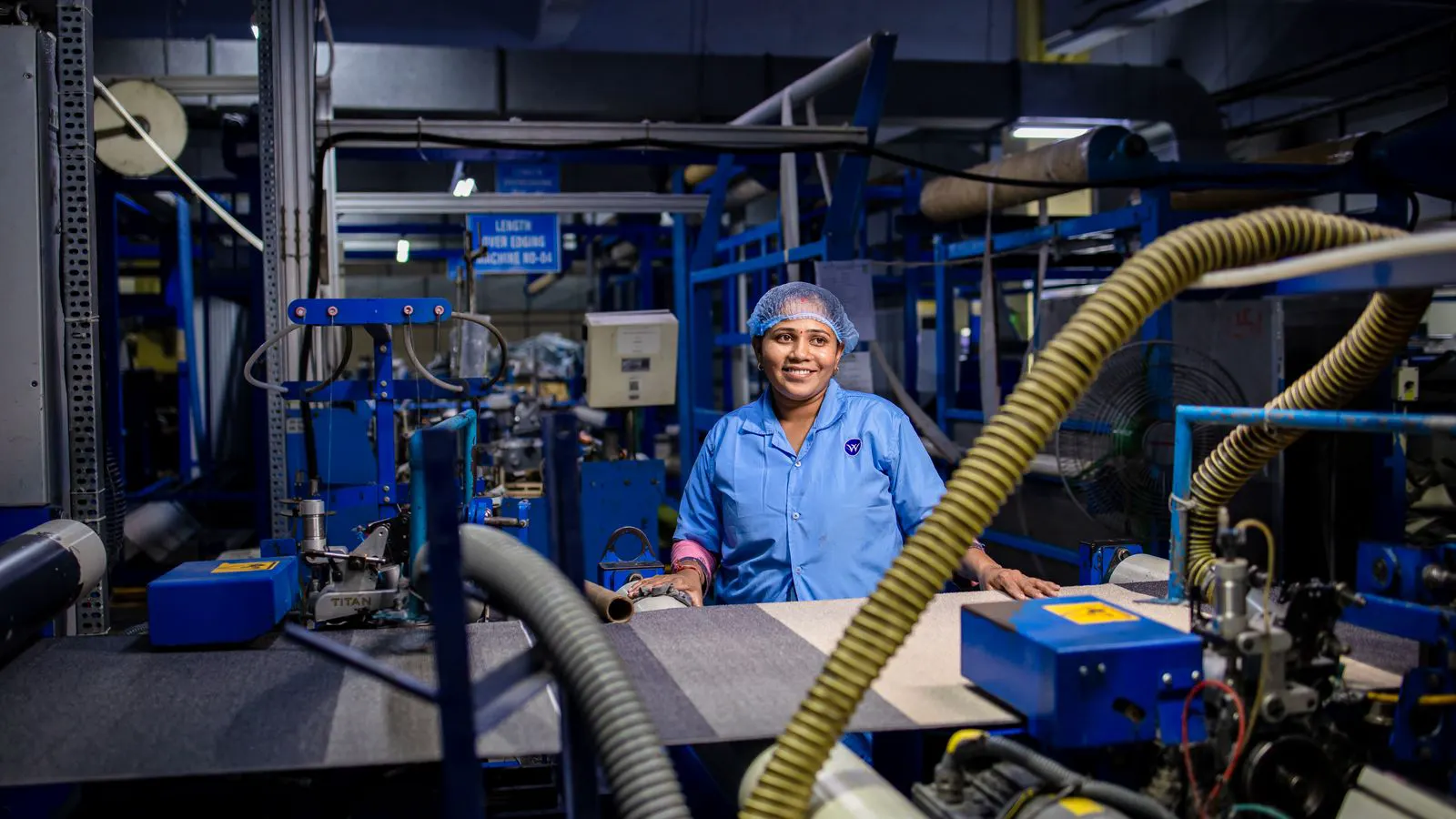
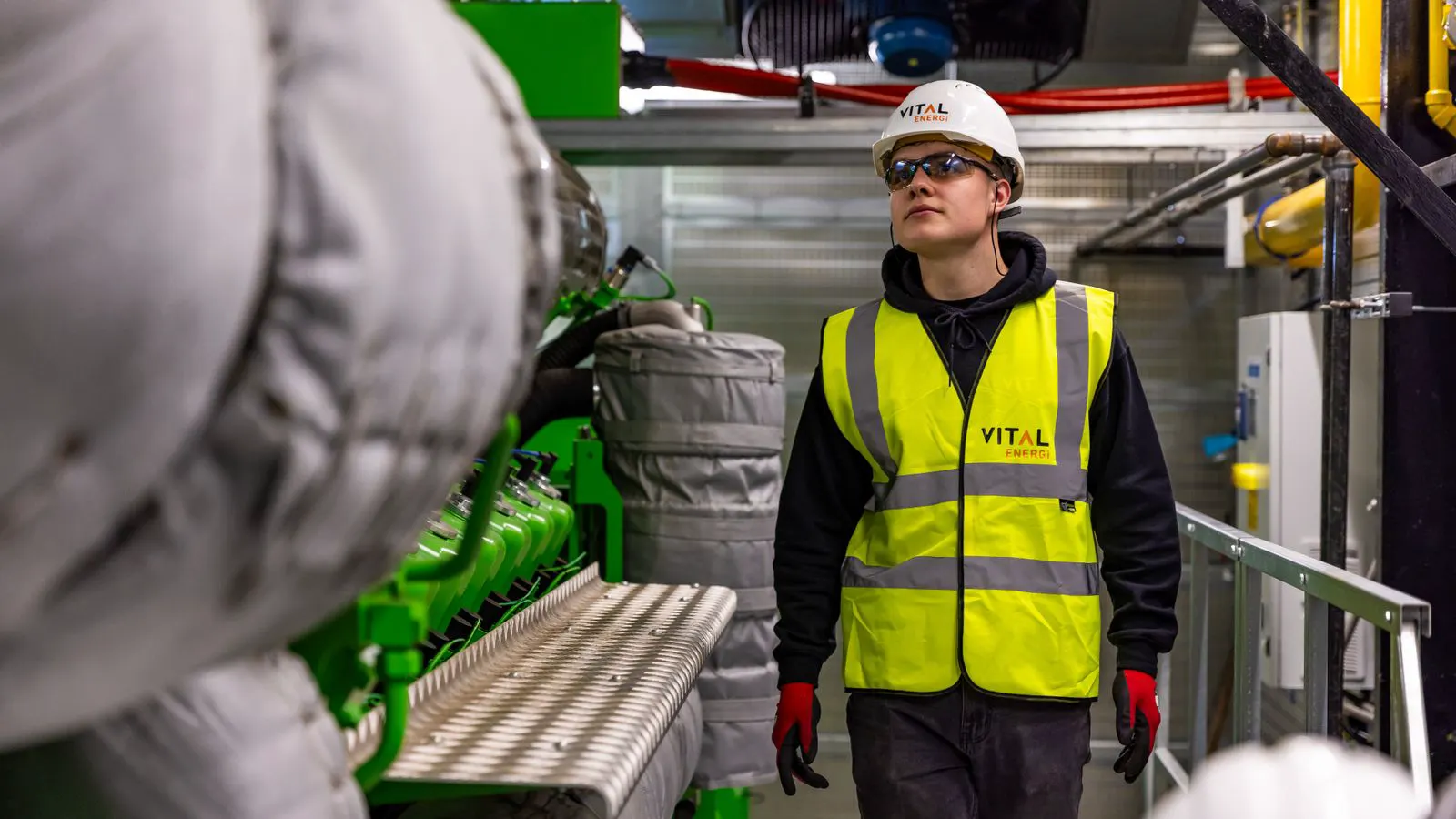
Personal protective equipment is a direct indicator of how seriously the factory treats safety compliance. Check the PPE storage area. Helmets, safety glasses, hearing protection, and gloves should be clean, stocked, and not broken. Walk the floor and see whether workers actually use the PPE, not just wear it when a visitor is present.
- PPE is stored in a clean, accessible location.
- Workers wear appropriate PPE for their tasks.
- Eye and ear protection are available for high noise or splash zones.
- Gloves are suitable for the specific machine operation.
- PPE is not shared without cleaning between users.
Red flags to watch for:
- PPE hung on a wall but not used.
- Cracked goggles or torn gloves in active use.
- No hearing protection in areas with loud looms or spinning frames.
- Workers removing PPE for “comfort” without a clear procedure.
A factory that treats PPE as an afterthought will likely cut costs elsewhere. Ask about the PPE budget and how often items are replaced.
Fire safety and emergency exits
Fire systems are non-negotiable in a textile environment. Cotton dust, synthetic fibers, and oil create a real fire risk. Check the fire extinguishers, alarms, smoke detectors, and emergency lighting. Walk every exit route. Exits should be unobstructed and clearly marked.
- Fire extinguishers are present, tagged, and within inspection dates.
- Fire alarms and smoke detectors are tested and active.
- Emergency lighting works in the production area.
- Exits are unblocked and clearly marked.
- Fire extinguisher stations are not used for storage.
Red flags to watch for:
- Extinguisher tags showing expired inspections.
- Exits blocked by boxes, pallets, or scrap material.
- Smoke detectors covered or disconnected.
- No visible fire extinguisher in high-risk zones.
- Emergency lighting that is dark or missing.
If the factory cannot show the last fire drill record, treat that as a serious red flag. Ask for the fire safety plan and the contact for the local fire authority.
Electrical safety
Electrical faults are a common cause of machine damage and injury. Check the wiring, panels, and grounding. Look for exposed wires, damaged cables, or overloaded circuits. Verify that the main distribution panel is labeled and accessible.
- Electrical panels are labeled and locked when not in use.
- Cables are secured and not running across walkways.
- Grounding is visible and intact on major machines.
- No damaged or frayed power cords are in service.
- Electrical work is done by qualified personnel only.
Red flags to watch for:
- Cables taped to the floor or walls.
- Panels with missing covers or loose screws.
- Overloaded circuits with multiple plugs in one socket.
- No visible grounding on heavy machinery.
- Temporary wiring left in place for months.
A supplier with poor electrical discipline will likely have higher failure rates on the machines they build. Ask about the last electrical safety inspection and the name of the inspector.
Training and documentation
Safety compliance lives in the documents and the habits. Check the training records, safety manuals, and incident logs. A factory that trains its workers and keeps records is far more likely to maintain safe practices over time.
- Safety training records are kept for all workers.
- Machine-specific safety manuals are available.
- Incident logs are maintained and reviewed.
- Safety meetings are held and recorded.
- New workers receive orientation before operating equipment.
Red flags to watch for:
- No training records or outdated records.
- Safety manuals missing from the floor.
- Incident logs that only show minor issues and no follow-up.
- No evidence of regular safety meetings.
- Workers who cannot explain basic safety procedures.
If the documentation is weak, the on-site habits are likely weaker too. Ask for a copy of the safety policy and the last internal audit report.
Comparison table: Quick check for a factory inspection
| Check area | What to verify | Red flag |
|---|---|---|
| Machine guards | Guards intact, E-stops accessible | Guards removed, E-stops blocked |
| PPE | Clean, stocked, actually used | PPE unused or damaged |
| Fire safety | Extinguishers tagged, exits clear | Exits blocked, expired tags |
| Electrical | Cables secured, panels labeled | Frayed cords, open panels |
| Documentation | Training logs, incident records | Missing or outdated records |
This table is a fast way to scan a floor. Spend more time on the items that fail the first pass.
How to structure the site visit
Plan the visit in two phases. The first phase is a walkthrough with the vendor’s safety officer. The second phase is a quiet observation. During the observation, watch how workers behave when no one is directing them. Do you wear PPE? Do they report hazards? Are exits respected?
The visit should take at least half a day. Bring a camera to document conditions. Take photos of the safety signs, extinguisher tags, and machine guards. This creates a record you can refer to later. If the vendor refuses to let you observe the floor, that is a red flag in itself.
Common mistakes buyers make
Buyers often skip the floor and rely on certificates. A certificate is a snapshot. It does not show what happens on a Tuesday afternoon when the manager is not watching.
- Relying only on ISO certificates without a site visit.
- Visiting only the showroom or office.
- Not asking for the last incident report.
- Ignoring the condition of PPE storage.
- Not checking the electrical panels.
These mistakes leave hidden risks in the contract. A supplier factory audit is not about catching a vendor. It is about protecting your operation after the machine arrives.
Frequently asked questions
How often should a supplier factory audit be done?
Perform a full audit before the first order and a follow-up inspection after delivery. If the vendor changes ownership or reconfigures the line, repeat the audit.
What is the most common red flag in a textile factory?
Blocked emergency exits and missing machine guards. These are easy to fix but hard to justify, so they signal a weak safety culture.
Can a remote audit replace a site visit?
No. A remote audit can check documents, but it cannot verify PPE use, guard function, or fire system status. A site visit is required for a reliable check.
What documents must a supplier provide?
Request the safety policy, training logs, incident reports, and fire inspection records. These documents show whether the factory maintains a real safety compliance program.
How do I handle a vendor that refuses a floor tour?
Treat that as a major red flag. If they will not show the production floor, do not proceed. Ask for a third-party audit report instead, and verify its authenticity.