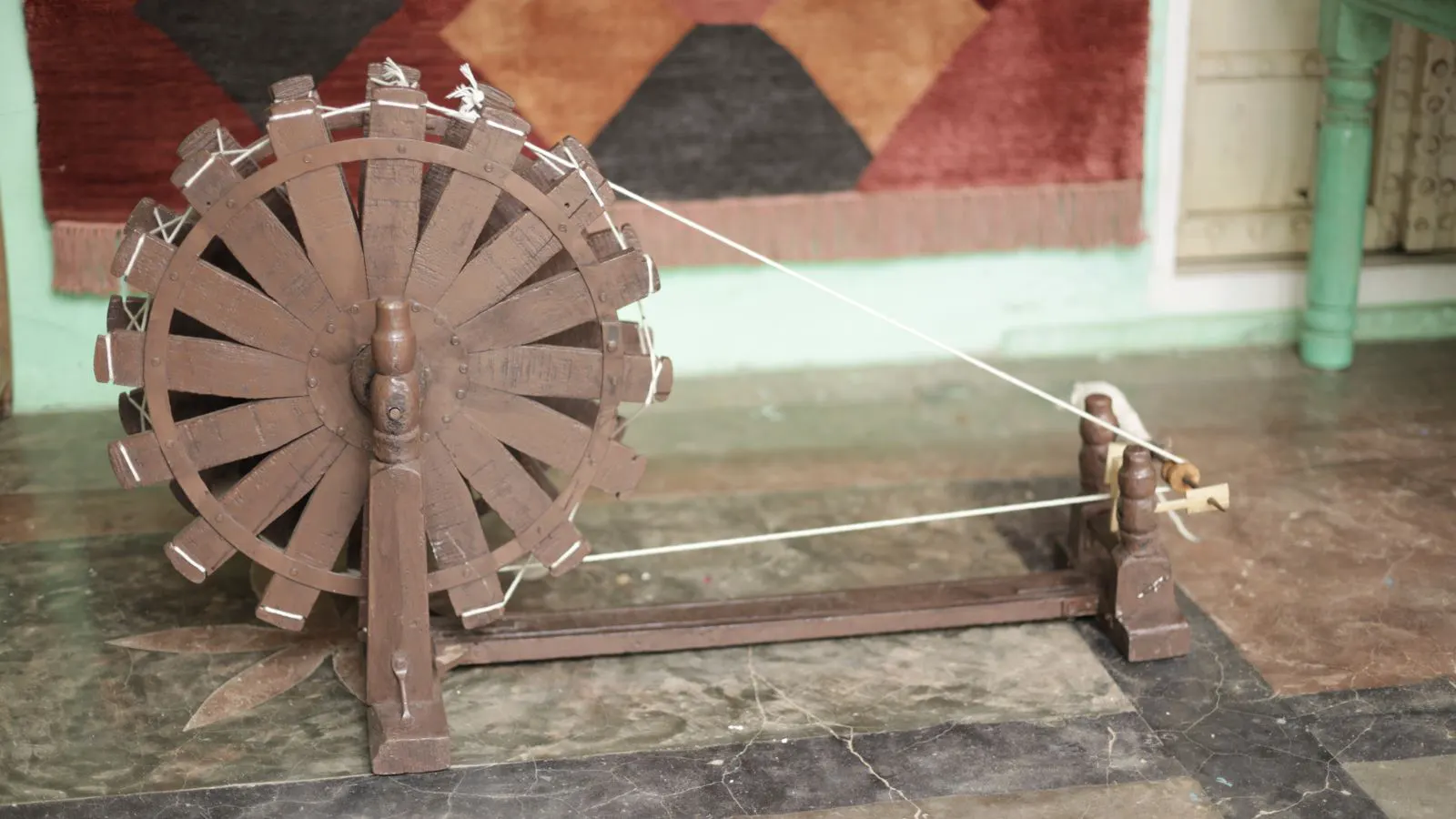
Spinning & Weaving
Buyers Guide: Spinning Machine Capacity for Low-Volume Yarns
Buyers should prioritize low-volume spinning machines that offer quick changeovers, stable low-speed operation, and compact footprint. This guide lists criteria for

Practical guides on spinning and weaving machinery selection, maintenance, and production efficiency for mills.
Buyers should prioritize low-volume spinning machines that offer quick changeovers, stable low-speed operation, and compact footprint. This guide lists criteria for
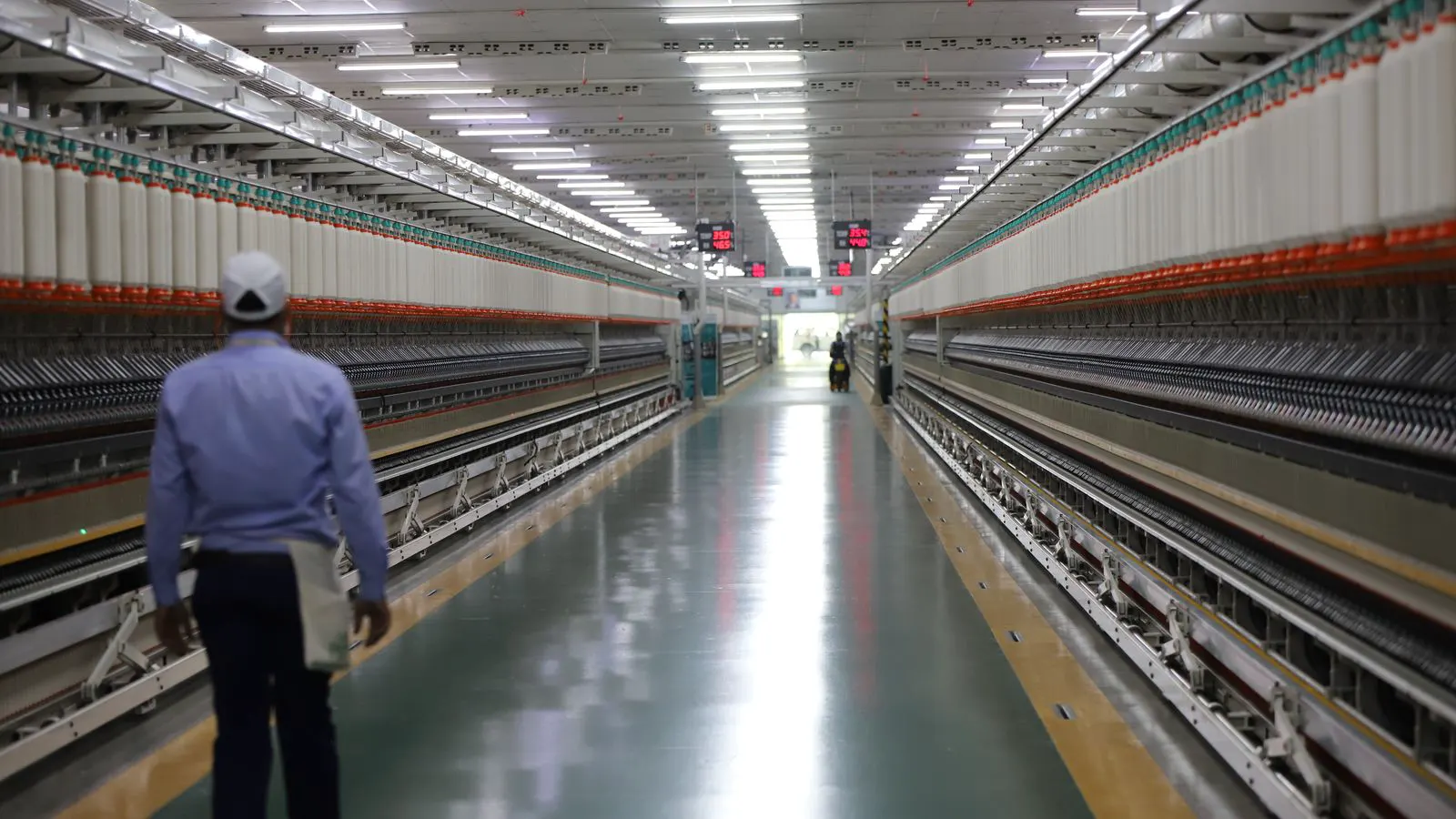
Adjusting spinning frame speed to match yarn count prevents thin spots, thick ends, and excessive breakage. This guide outlines the specific calculations, mechanical
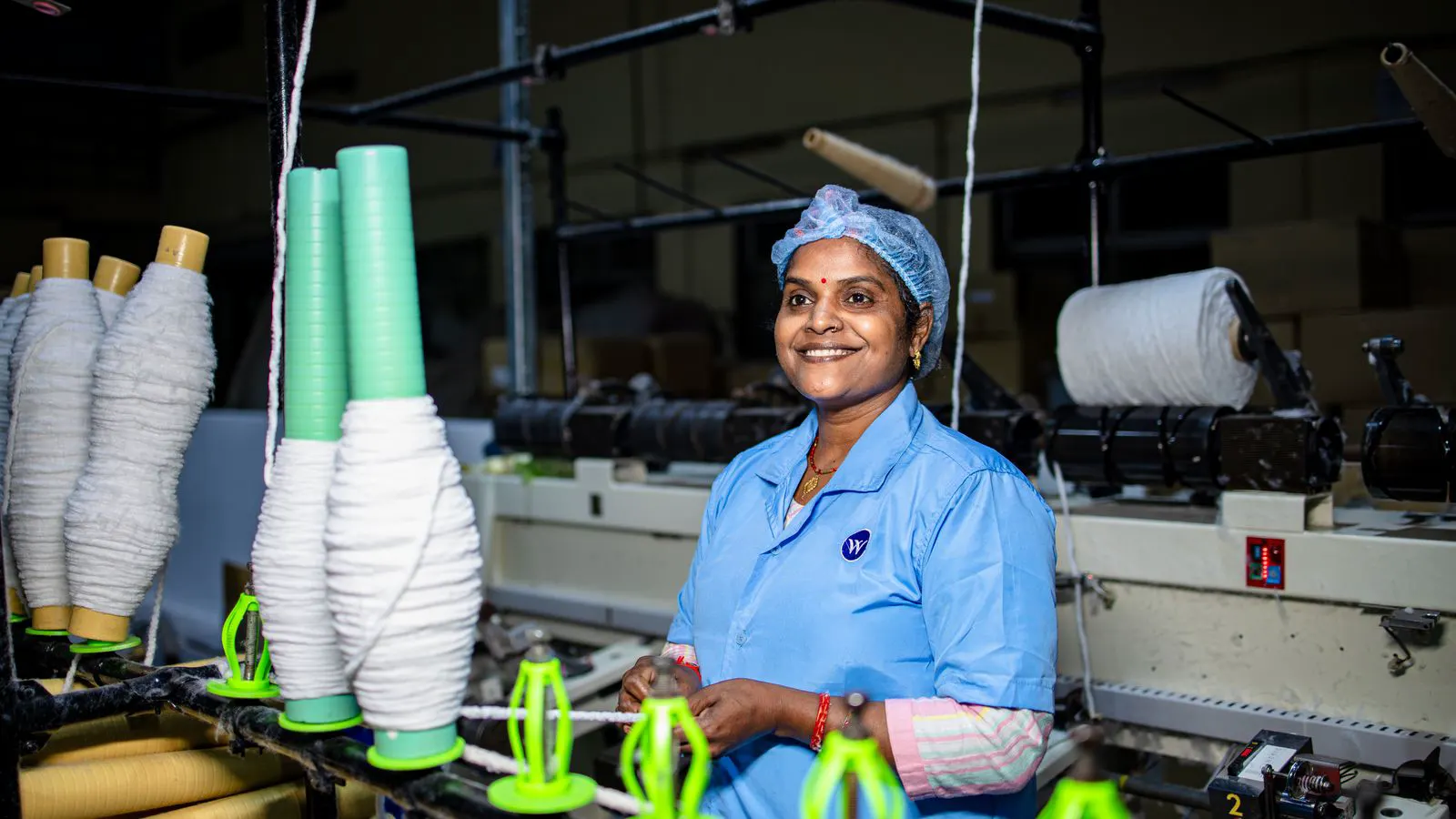
Air-jet spinning uses high-pressure air to twist and consolidate fibers into yarn. Tensile strength varies based on twist rate, fiber type, and machine settings. Buyers
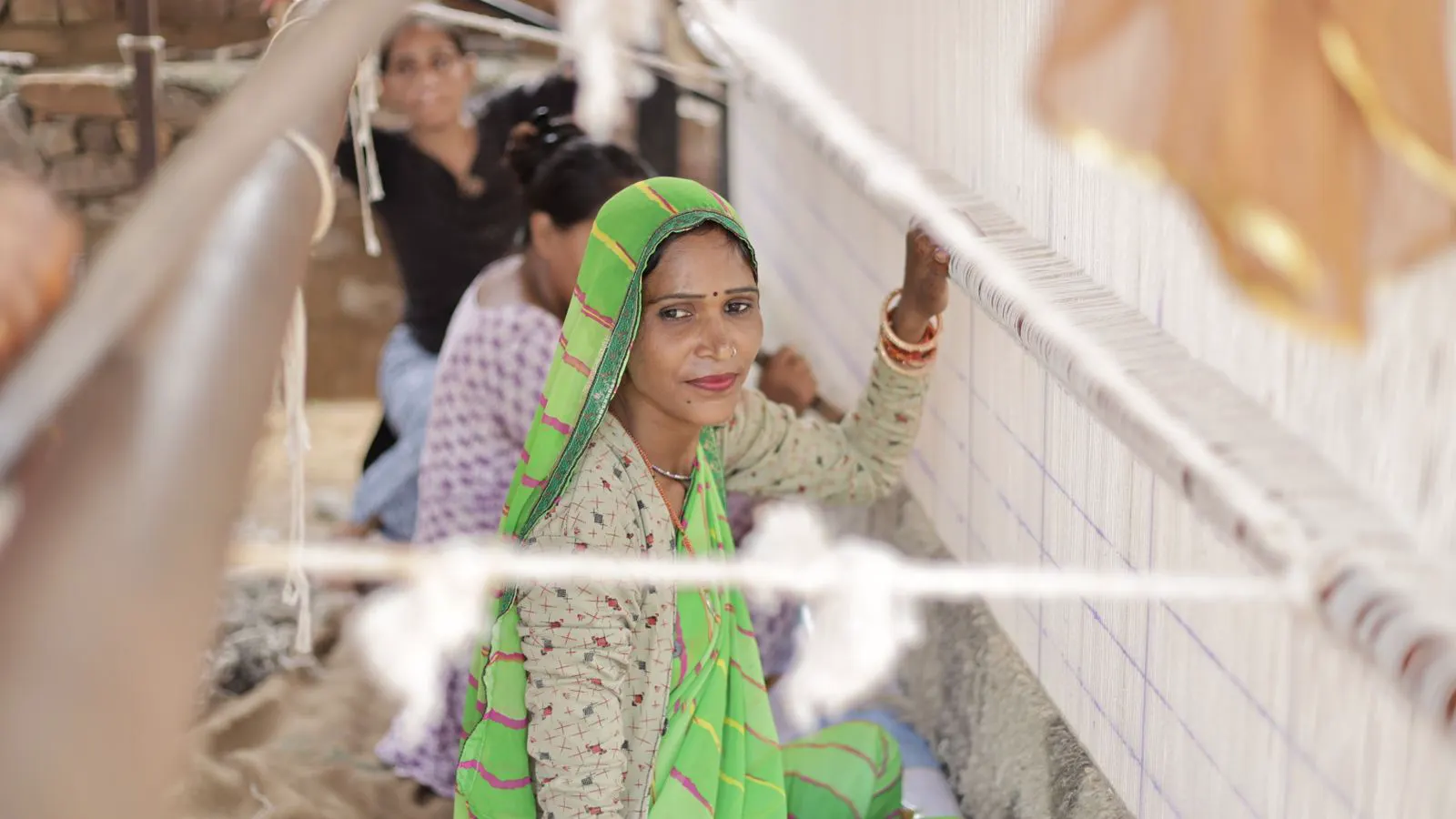
Jacquard looms handle complex patterns with high setup cost but slow changeovers. Power looms favor speed for plain weaves with minimal changeover. The best choice
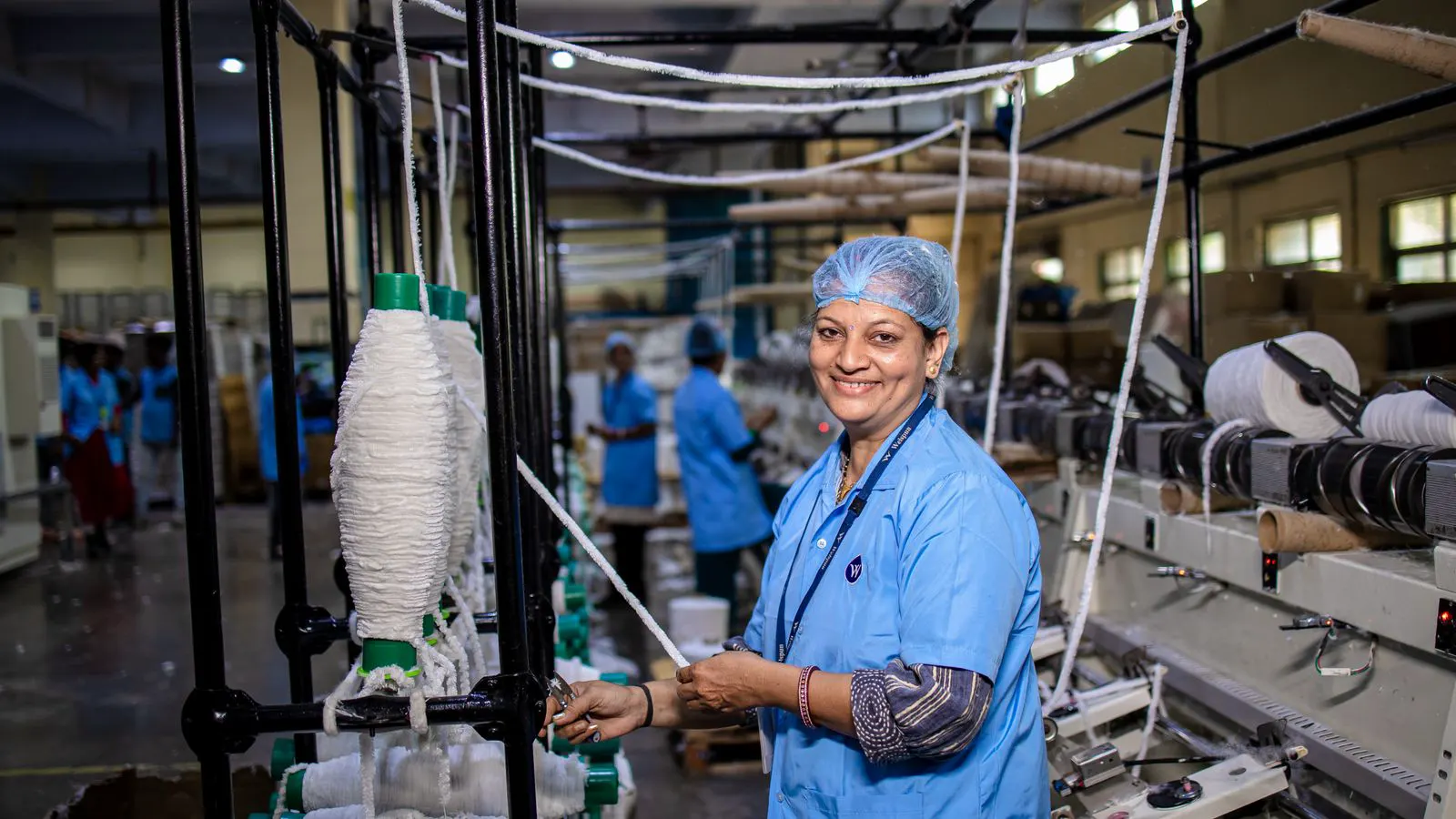
Selecting high-volume spinning machines requires aligning technical output with factory logistics. Procurement teams must evaluate spindle count, automation integration

Reduce warp breaks by verifying warp tension, checking warp beams for burrs, and inspecting reed and heddle conditions. Proper thread management and consistent machine
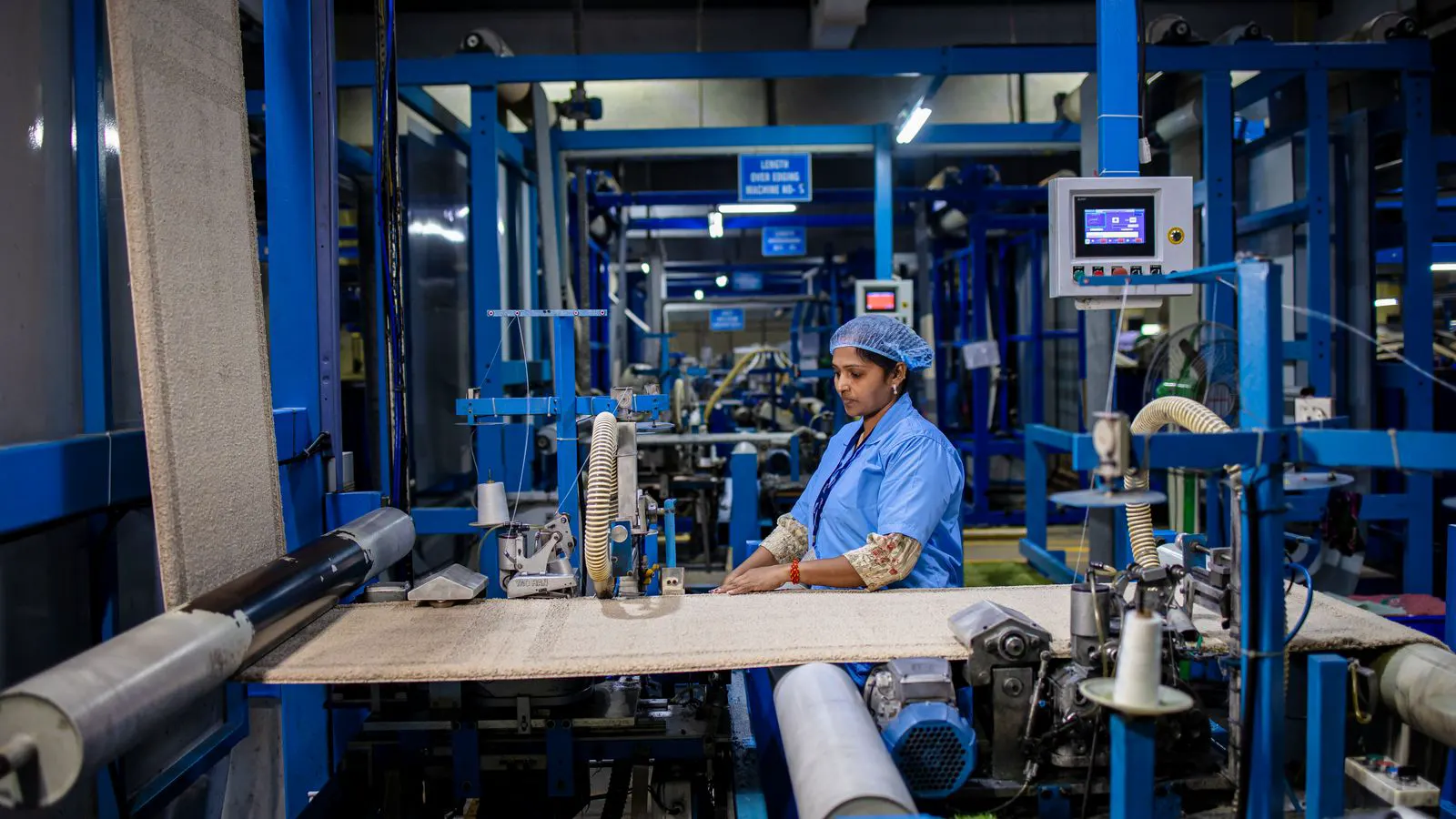
Loom servo retrofit cost depends on loom model, servo quantity, and control system changes. Lead times vary based on component availability. This guide explains how to
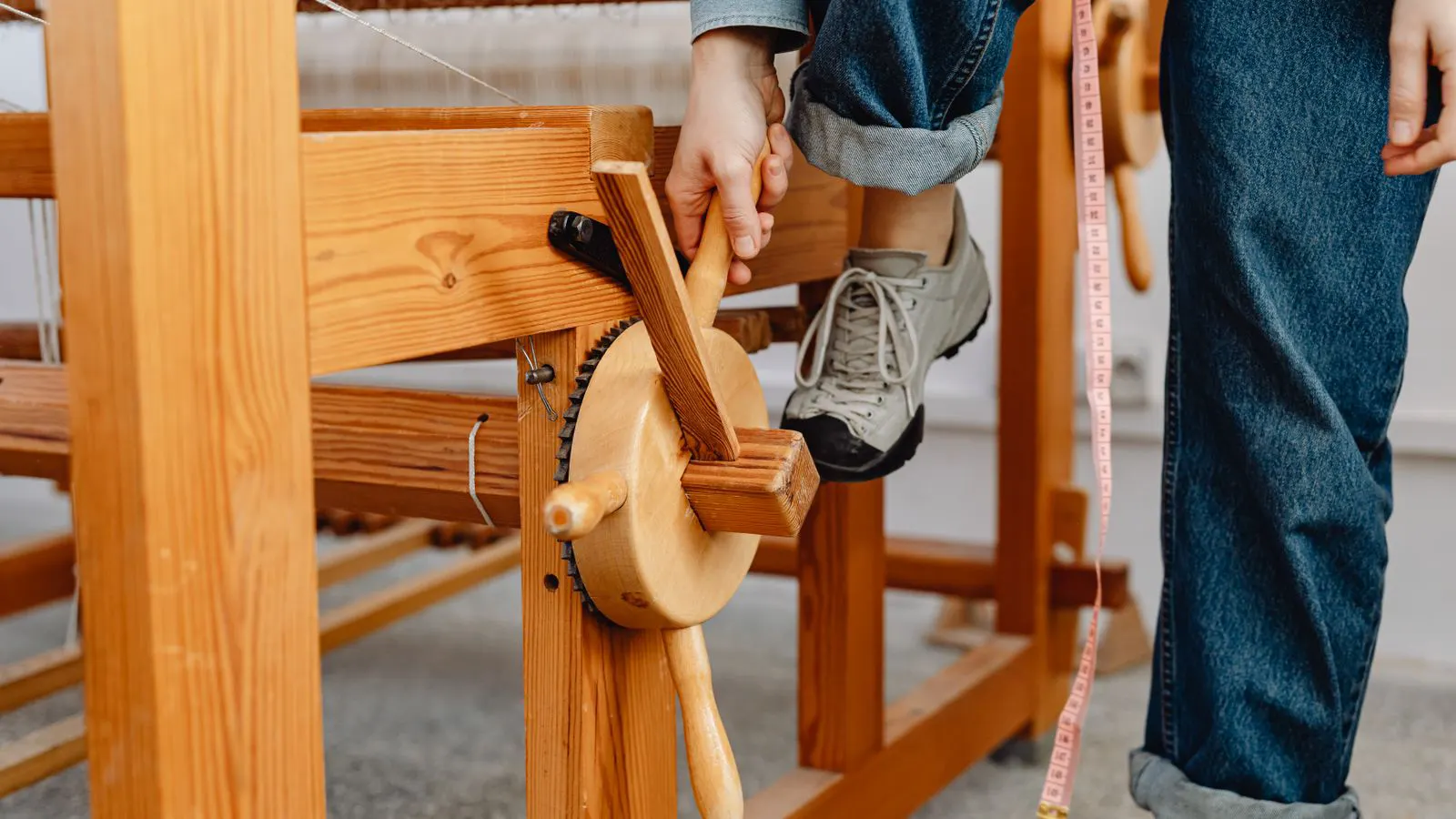
Verify loom tension setup by checking warp take-up, reed beat, and weft insertion before starting production. This checklist helps operators identify loose or tight
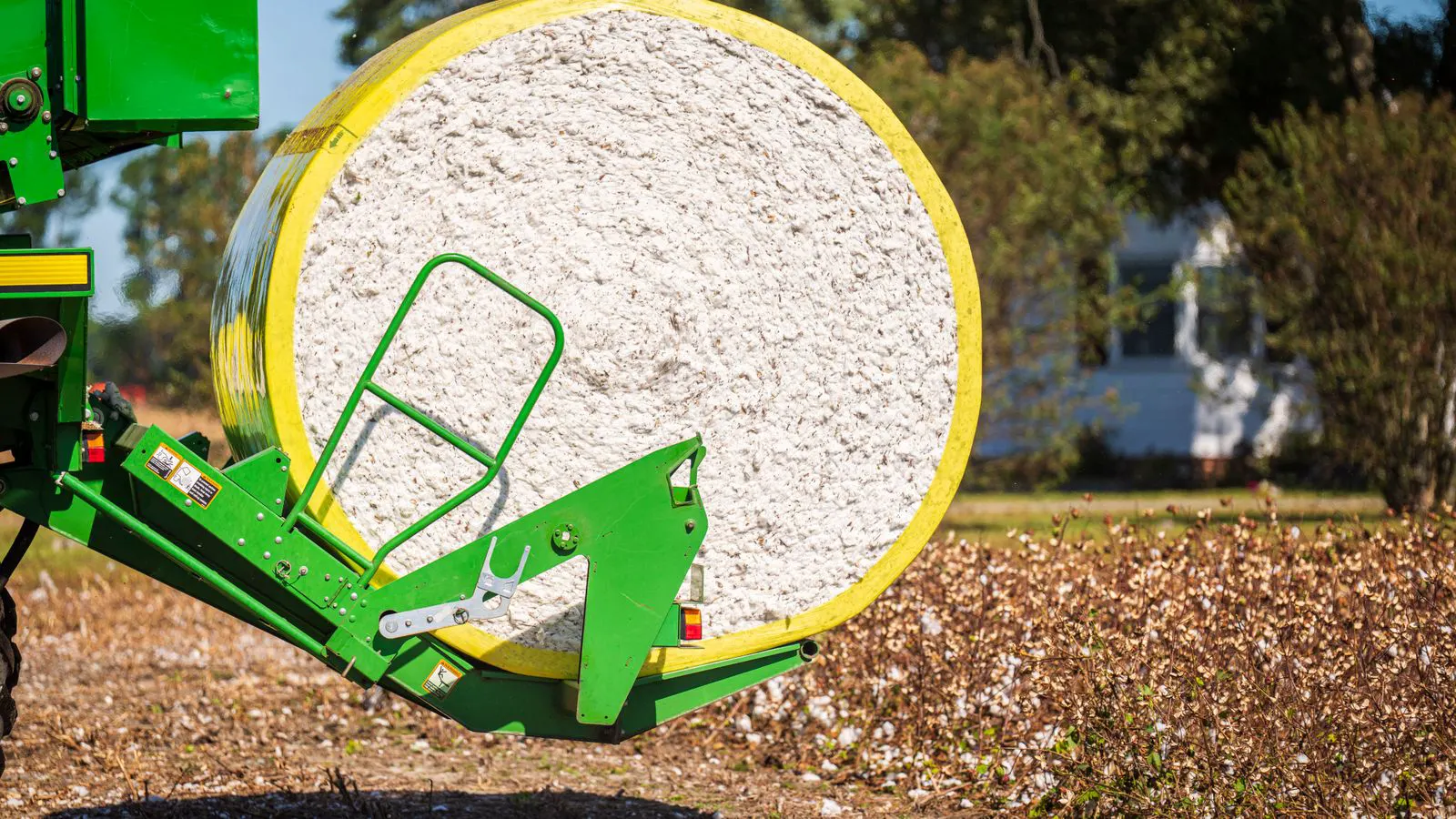
A structured textile machinery maintenance program reduces unexpected breakdowns on carding and drawing lines. This checklist covers daily, weekly, and monthly tasks
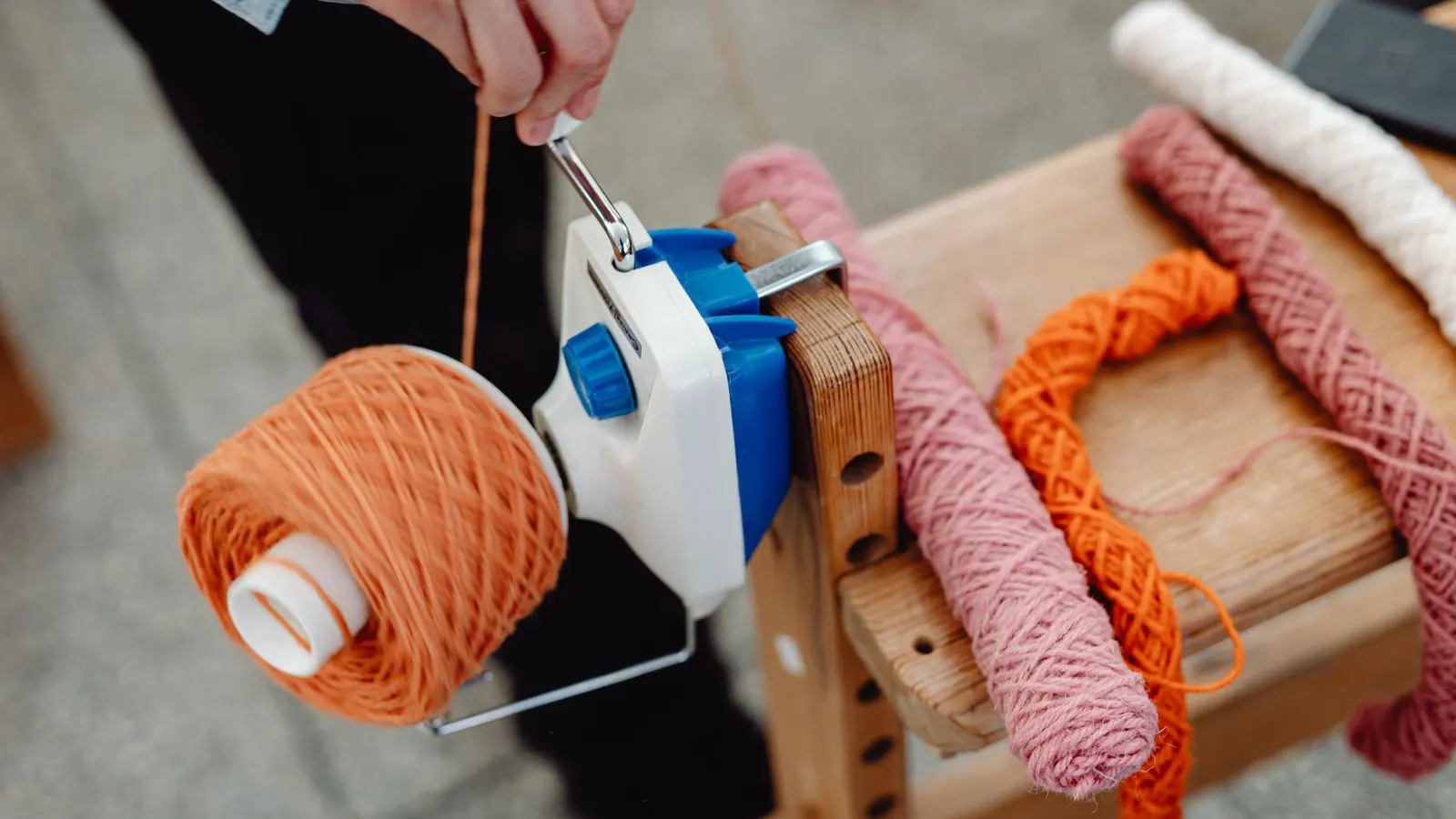
Calibrating a rotor spinning machine requires aligning the rotor, adjusting the drafting system, and verifying the tension path. This guide outlines specific steps to
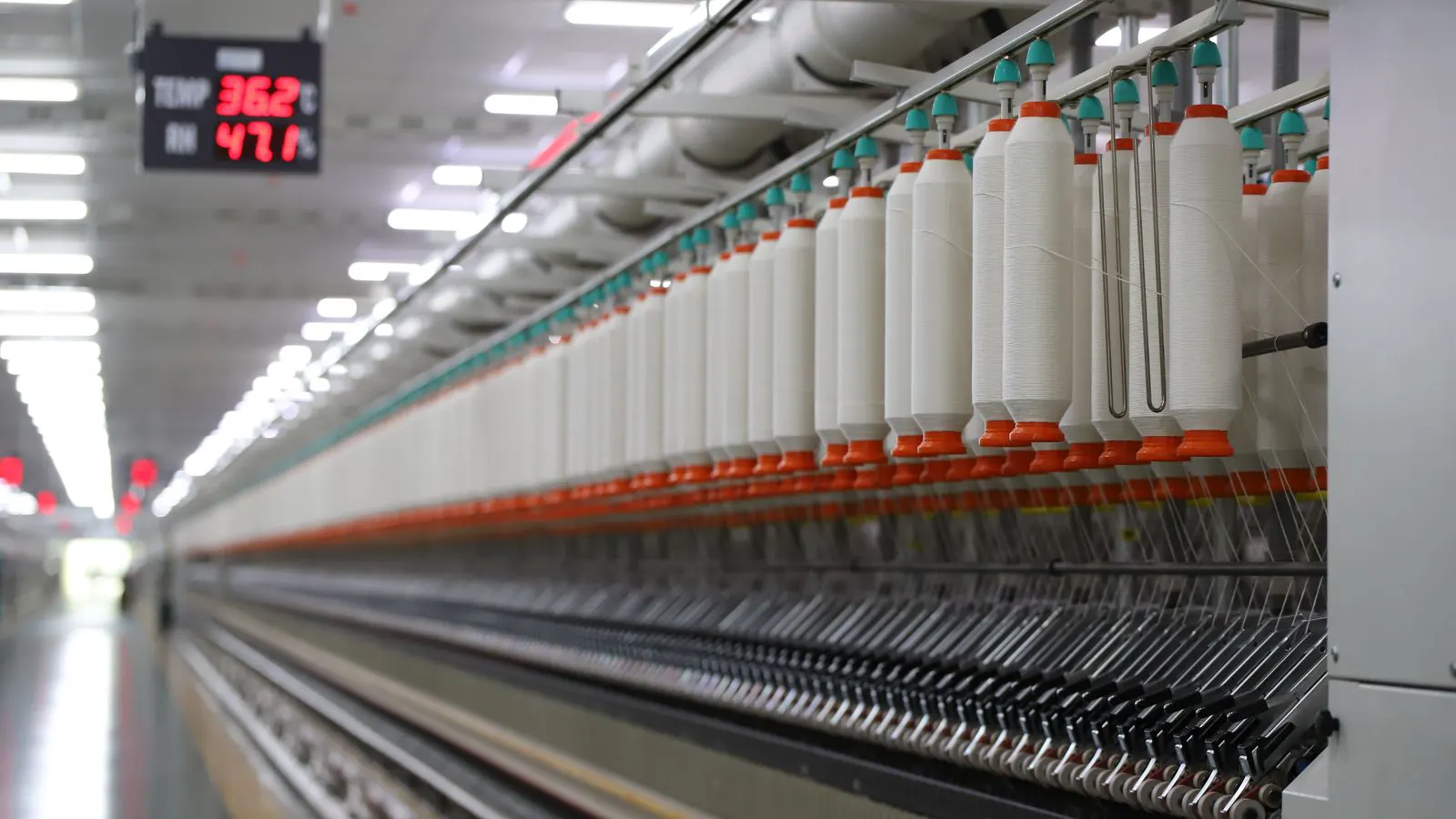
New weaving loom delivery dates depend on machine configuration, supplier workload, and logistics. Procurement managers must align production targets with realistic lead
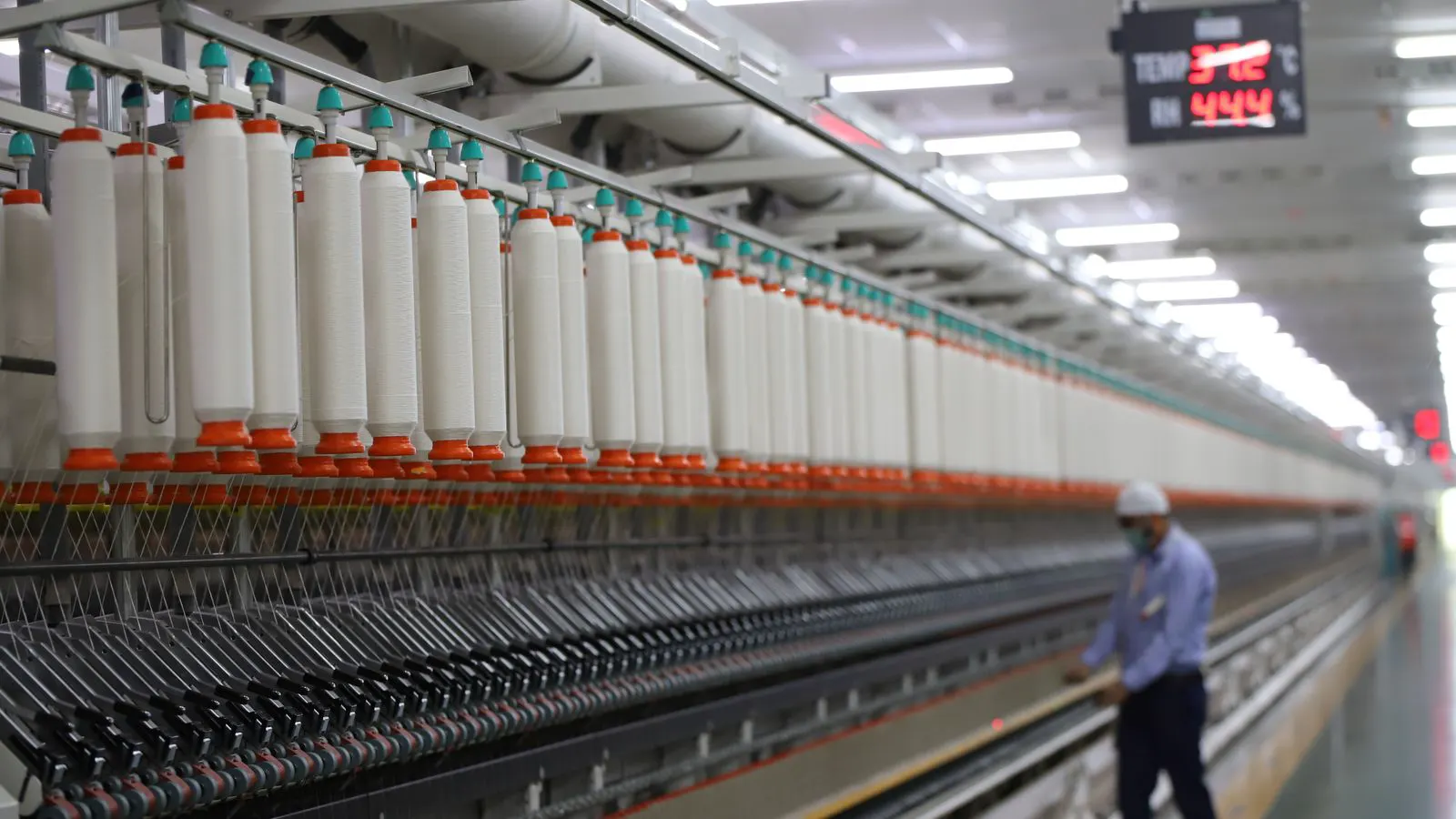
Importers should match air jet spinning equipment to their specific yarn targets, daily output goals, and maintenance capabilities. Focus on spindle count, yarn count