Buying Guide: Selecting Spinning Machines for High-Volume Yarn
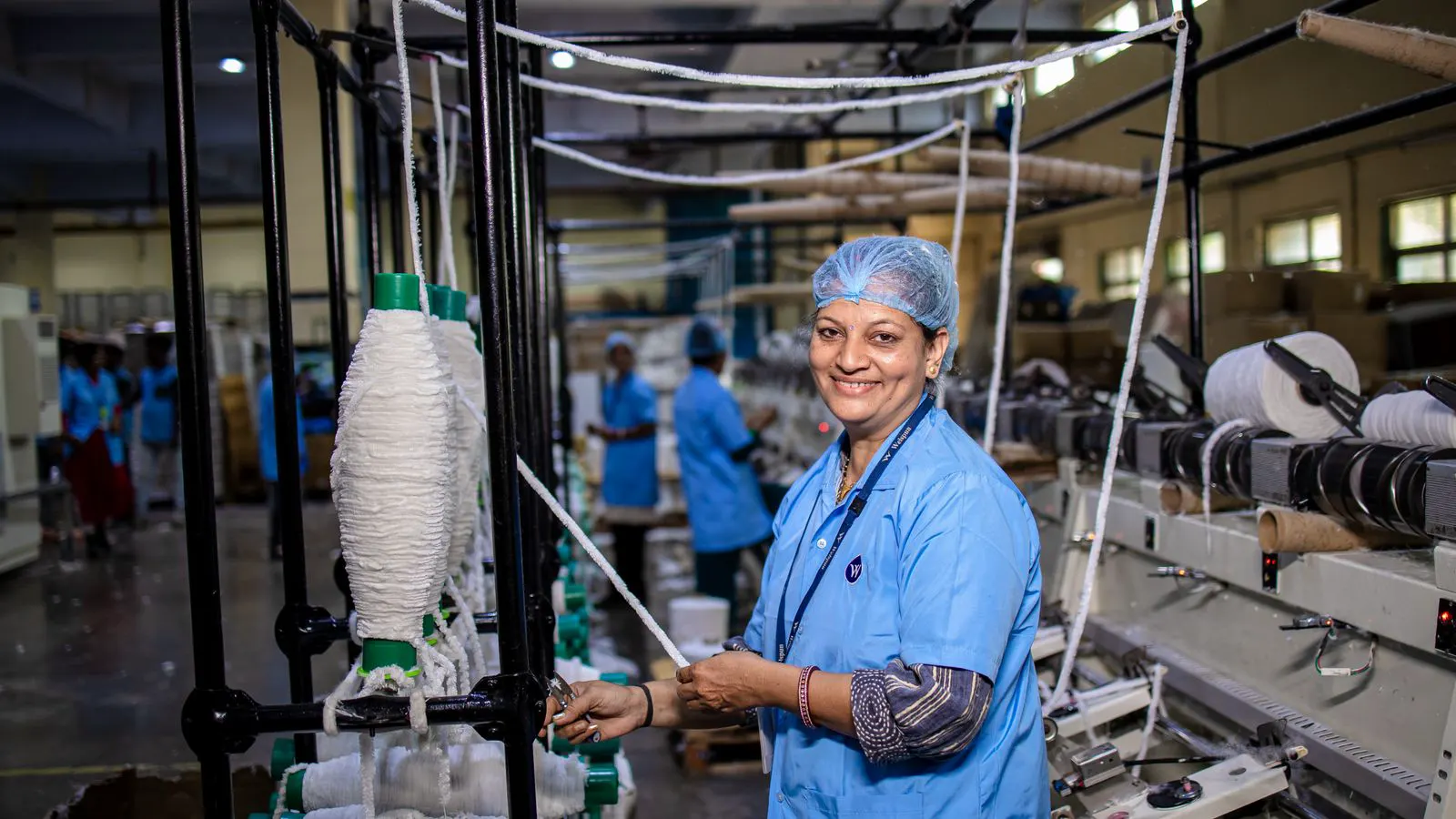
Selecting high-volume spinning machines requires aligning technical output with factory logistics. Procurement teams must evaluate spindle count, automation integration, maintenance access, and raw material compatibility to ensure the equipment supports long-term yarn production capacity.
- Match spindle count and drive systems to your daily tonnage targets.
- Prioritize automation in doffering and winding to reduce manual labor.
- Verify spare parts availability and service support before signing a purchase order.
- Plan maintenance windows that fit your existing production schedule.
- Confirm the machine handles your specific fiber blend without excessive downtime.
High-volume spinning demands more than a machine that runs. It requires a system that sustains output under pressure. Procurement managers often focus on the headline output first, then discover that the machine cannot keep up with the mill. This guide walks through the technical and operational criteria that matter when buying spinning equipment for large-scale production.
Define Your Production Requirements Before Viewing Machines
The first step is internal. Before you speak to a vendor, you need a clear picture of your output targets. How many tons of yarn do you need per shift? What is the average daily run length? These numbers drive the machine selection. A factory producing five tons of yarn daily needs a different setup than one producing twenty tons.
Fiber type changes everything. Cotton, polyester, viscose, and blended yarns all behave differently on the machine. Cotton requires more attention to humidity control and lint management. Polyester needs different tension settings and often different rotor speeds. Blends can be tricky because the fibers respond at different stages of the process.
You also need to know your yarn count. Fine yarn, such as a low count, puts more stress on the machine. It is more prone to breakage. Coarser yarn is more forgiving but requires different machine settings. If your product mix is wide, the machine must be flexible. If you run a narrow range, you can choose a machine optimized for that specific count.
Evaluate Spindle Count and Machine Configuration
Spindle count is the number of spindles on one frame. Higher counts mean more yarn in the air at one time. This increases capacity but also increases complexity. A machine with more spindles can produce more yarn per hour, but it also has more moving parts that can fail.
For high-volume production, many mills choose machines with medium to high spindle counts. This balance gives good throughput without making the machine too hard to manage. Each spindle has a drive, a tension device, and a guide. More spindles mean more points of failure. The machine must be designed so that one failed spindle does not stop the whole frame.
The drive system matters. Motor-driven spindles allow each spindle to run independently. This is a strong advantage. If one spindle slows down, the others keep going. The operator can isolate the problem without stopping the frame. Belt-driven systems are simpler but offer less control. For a high-volume operation, independent drive is the standard expectation.
Frame width is another factor. A wider frame holds more spindles in a smaller floor space. It also makes the machine harder to service. An operator must walk the length of the frame to check yarn tension and clear breaks. If the frame is too long, the operator gets tired. The machine slows down. Maintenance becomes slower. Balance the number of spindles against the operator’s ability to manage them.
Assess Automation and Labor Needs
High-volume mills run on tight labor budgets. The machine should reduce the need for manual intervention. Doffering is one area where automation pays off. When a finished package is full, a doffer takes it off the spindle and moves it to a buffer or a winding machine. Manual doffering takes time. It creates gaps in production.
Automated doffers remove the package and replace it with a new one. The process is fast. The machine keeps running. The operator can move to the next task. Some machines also have automatic winding, where the finished yarn goes directly into a package. This removes another manual step.
The level of automation should match your labor plan. If you have a full team of operators, a semi-automatic machine may be sufficient. If you are running a leaner crew, you need more automation. The machine should not require a specialist for every minor task. The controls must be clear. The alarms must be distinct. The operator should be able to see a problem and fix it quickly.
Consider the data the machine provides. A modern spinning machine records output, breakage, and tension. This data helps you understand the machine’s behavior. If the output drops, the record shows when. If breaks increase, the record shows the pattern. This information is useful for maintenance planning. It also helps you justify the machine’s cost over time.
Check Maintenance Access and Spare Parts
A high-volume machine cannot afford long maintenance stops. Every hour the frame is down is a hour of lost production. The machine design must allow quick access to common failure points. Bearings, belts, tension devices, and doffers are the parts that wear out. They must be reachable without taking the machine apart.
Look at the spare parts program. The vendor should stock the critical parts. If a bearing fails at two in the morning, you need it by three. If the part is on order for two weeks, your production line stops. The vendor should have a clear lead time for parts. You should know the cost before you buy the machine.
Service support is part of the purchase. The vendor should offer training. The operators need to know how to set the machine, how to clear a jam, and how to read the data. The maintenance team needs to know how to fix the drive, how to adjust the tension, and how to replace the doffer. If the vendor does not provide training, the machine will be harder to run.
The machine should have a service interval that fits your schedule. Some machines need daily checks. Some need weekly. Some need monthly. The maintenance manual should be clear. It should list the tasks, the tools, and the time required. If the manual is vague, the maintenance team will guess. Guessing leads to problems.
Confirm Raw Material Compatibility
The machine must handle the raw material you feed it. The sliver or roving that enters the machine determines how the spinning works. If the sliver is uneven, the yarn will be uneven. The machine can compensate to a point, but it cannot fix a bad feed.
For cotton, the sliver must be even. The carding machine upstream must produce a consistent sliver. If the sliver is too thick or too thin, the spinning machine will struggle. The tension settings must match the sliver weight. If the weight changes, the yarn count changes. The machine must have the settings to handle the variation.
For synthetic fibers, the sliver must be even in a different way. Polyester slivers can be sticky. Viscose slivers can be weak. The machine must have the right guides and the right tension to handle the fiber. The rotor or the twist insertion must be set for the fiber type. A generic setting will not work for all fibers.
The machine must handle the fiber blend you use. If you run a cotton-polyester blend, the machine must handle both fibers. The cotton gives strength. The polyester gives stretch. The machine must twist the yarn so both fibers work together. If the twist is too low, the yarn is weak. If the twist is too high, the yarn is stiff. The machine must allow fine adjustment.
Consider Floor Space and Utility Requirements
The machine needs space. Not just the footprint, but the space around it. The operator needs room to walk. The maintenance team needs room to work. The doffer and the winding machine need their own space. The raw material storage must be close. The finished yarn must go to the next process.
Check the power requirements. A high-volume machine uses a lot of power. The electrical panel must handle the load. The voltage must match the machine. If the power is unstable, the machine will not run well. The drive motors need a stable supply. The controls need a stable supply. If the power drops, the machine may stop. If the power surges, the machine may damage itself.
The air supply matters. Some machines use compressed air for cleaning. Some use it for the doffer. The air must be dry. Moisture in the air causes rust. It also causes the machine to clog. The air compressor must be sized for the machine. The filters must be clean. The traps must be empty.
The building must support the machine. The floor must be strong. The machine is heavy. The floor must not sag. The ceiling must be high enough. The ventilation must be good. The noise level must be manageable. The machine is loud. The operators need hearing protection. The building must have a way to control the noise.
Review Total Cost of Ownership
The purchase price is only one part of the cost. The machine will run for many years. The energy it uses, the parts it wears, the labor it needs, and the output it produces all matter. A machine with a lower purchase price may cost more over time.
Energy use is a big factor. A machine with efficient motors uses less power. A machine with a good drive system wastes less energy. The energy cost adds up. Over a year, the difference can be significant. Look at the energy use per ton of yarn. This number helps you compare machines.
Wear and tear is another factor. The machine will use parts. The parts cost money. The labor cost matters. If the machine needs a large team to run, the labor cost is high. If the machine is automatic, the labor cost is low. The maintenance cost matters. If the machine needs frequent service, the cost is high. If the machine is reliable, the cost is low.
The output matters. A machine that produces more yarn per hour is more valuable. A machine that produces less may be cheaper to run. You must balance the cost against the output. The machine must meet your production target. If it does not, the cost is not worth it.
Decision Checklist for Procurement
Before you sign the contract, run through this checklist. Each item must be answered. If the answer is no, you need to think again.
- Does the machine meet your daily tonnage target?
- Does the spindle count fit your labor plan?
- Does the drive system allow independent spindle control?
- Does the machine have the automation you need for doffering and winding?
- Does the vendor stock the critical spare parts?
- Does the vendor offer training and service support?
- Does the machine handle your fiber type and blend?
- Does the machine fit your floor space and utility requirements?
- Does the total cost of ownership make sense for your production plan?
- Can the machine run during your planned maintenance windows?
If the machine passes the checklist, it is a candidate. If it fails one item, it is not. Do not let the purchase price override the other factors. A machine that does not fit your operation will cause problems. A machine that fits the operation will deliver.
The machine is a tool. It does not make the yarn. The yarn is made by the process. The machine must support the process. The process must support the machine. When both are aligned, the mill runs. When they are not, the mill struggles. Buy the machine that fits the process. Buy the machine that fits the team. Buy the machine that fits the plant.
Frequently asked questions
What spindle count is best for high-volume spinning?
There is no single best count. The right count depends on your labor plan and floor space. A medium to high count usually works well for large mills.
How do I know if a machine can handle my fiber blend?
Ask the vendor to test the machine with your specific sliver. Check the tension settings and the rotor speed. The machine must handle the variation in the blend.
What is the most common failure point on a spinning machine?
Bearings and tension devices are common. They wear out with use. Keep spare parts on hand. Check them during scheduled maintenance.
How much space does a high-volume spinning machine need?
The space depends on the frame width and the number of spindles. You need room for the operator, the maintenance team, and the doffer. Check the vendor's layout drawings.
Should I buy the machine with the highest output?
Not always. A machine with the highest output may be harder to manage. It may need more labor. It may cost more to run. Choose the machine that meets your target, not the one that exceeds it by a large margin.