Buyers Guide: Spinning Machine Capacity for Low-Volume Yarns
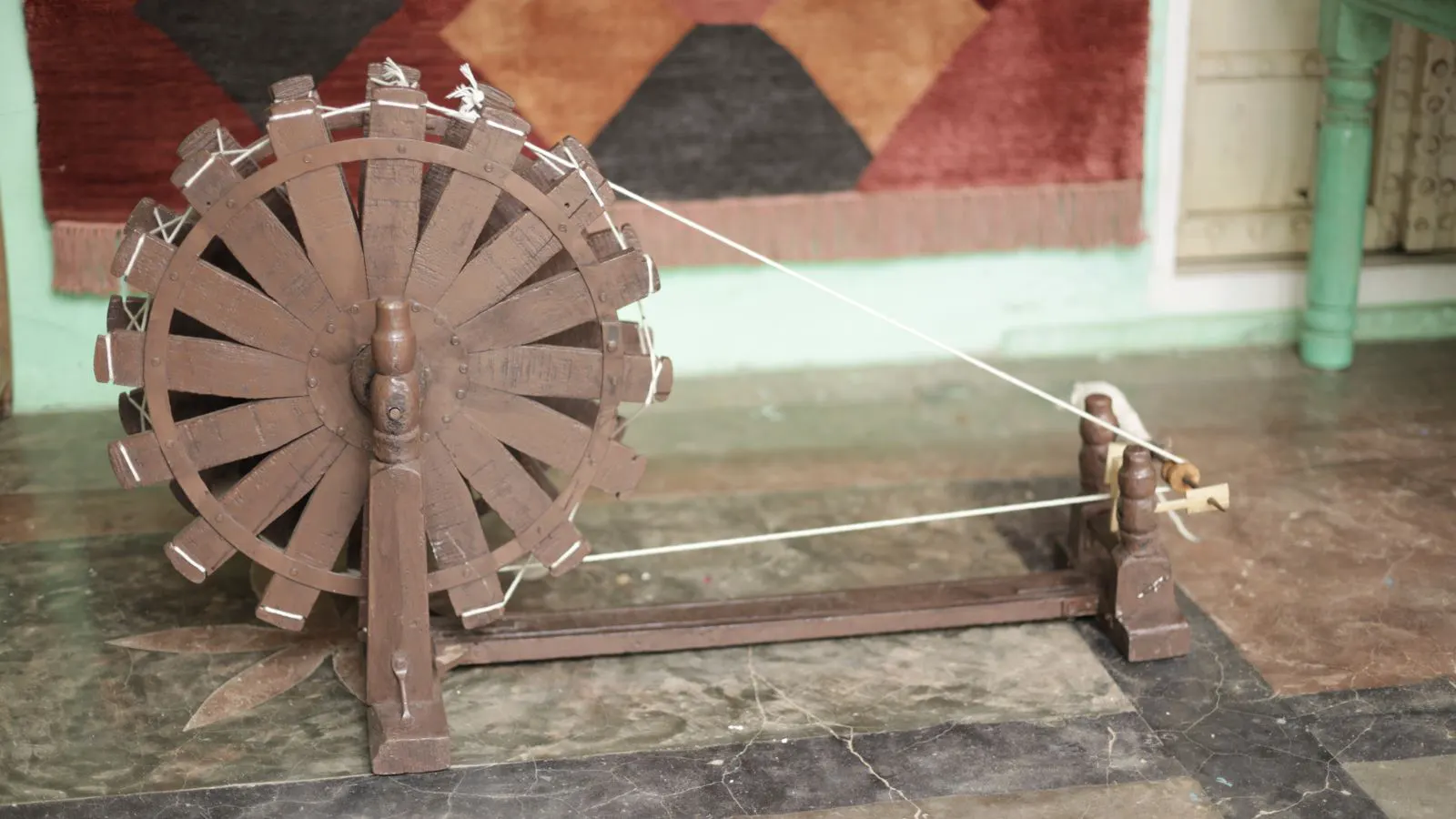
Buyers should prioritize low-volume spinning machines that offer quick changeovers, stable low-speed operation, and compact footprint. This guide lists criteria for choosing small batch spinning equipment that handles variable yarn counts without sacrificing efficiency or quality.
- Match machine capacity to actual minimum and maximum run sizes, not just average output
- Prioritize changeover time and yarn count range over maximum theoretical speed
- Verify stability at low speeds before buying; high-speed specs do not guarantee quality on small runs
- Plan for spare parts, operator training, and maintenance access in your budget
Why Low-Volume Spinning Machines Are Different From High-Volume Lines
Low-volume spinning machines are built for flexibility, not peak throughput. A plant running 500 kg of yarn one week and 5,000 kg the next needs a different machine than one running 80 tons per day. The right small batch spinning equipment handles frequent yarn count changes, short runs, and multiple colors without excessive downtime.
The core trade-off is simple. High-speed frames are efficient when the same yarn count runs for hours. Low-volume spinning machines are efficient when the count changes every hour or every shift. Buying a high-speed line for small runs usually wastes money. The machine sits idle during changeovers, operators spend too much time on setup, and yarn quality drifts while the machine ramps up.
How to Define Your Actual Production Volume
Start with real data, not sales forecasts. Pull the last six months of production orders. List each yarn count, fiber, and order size. Group them into low, medium, and high buckets. Most small batch spinning operations see a long tail: a few common counts and many one-off or seasonal counts.
Check whether your volume is variable by season, customer, or color. A mill that makes 200 kg of 32/2 cotton per week for one customer and 10 kg of specialty blends for another has different needs than one that runs 300 kg of the same yarn daily. If your minimum run is under 500 kg, assume changeover time will dominate your production cost.
Machine Type Selection for Small Batch Spinning
Ring spinning remains the most common choice for small batch spinning. It handles many counts and fibers. The frame can be adjusted for finer or coarser yarn with minor changes to the flyer, breast roll, and tension. For very small runs, semi-automatic or manual ring frames are easier to manage than large multi-head frames.
Air-jet spinning is another option. It is faster and uses less cotton waste, but it is less flexible for specialty counts and blends. If your small batch spinning includes fine counts under 40/4 or unusual blends, verify that the air-jet machine can handle them. Open-end spinning is fast but less controllable, so it suits commodity yarns rather than specialty low-volume spinning.
Carding and combing lines also matter. A small batch spinning operation needs a carding or combing machine that can change screens and rollers quickly. If you switch fibers or counts often, a compact carding line with interchangeable combs and rollers reduces setup time.
Key Criteria for Choosing Low-Volume Spinning Machines
| Criterion | What to look for | Why it matters |
|---|---|---|
| Changeover time | Under 15 minutes for count or color changes | Short runs lose money if setup eats half the shift |
| Yarn count range | Covers your minimum and maximum counts | Avoids buying multiple machines for different counts |
| Stability at low speed | Consistent yarn tension below 500 m/min | Prevents breakage and uneven yarn on short runs |
| Footprint and layout | Compact frame that fits existing floor space | Lowers retrofit cost and keeps material flow short |
| Maintenance access | Open guards, accessible parts, standard components | Reduces downtime and training cost for small teams |
| Spare parts availability | Common parts from major suppliers or local stock | Keeps the line running when a part fails mid-run |
How Changeover Time Affects Profitability
Changeover time is the single biggest cost driver in low-volume spinning. If a machine takes 45 minutes to change from one count to another, and your average run is 30 minutes, half your shift is spent setting up. If you can cut that to 15 minutes, the same shift produces three times more billable yarn.
Look for machines with quick-change flyers, standard tension components, and digital yarn tension monitoring. Some small batch spinning equipment includes pre-set count packages that store tension, speed, and guide settings. This cuts setup from guesswork to a few minutes. Check that the machine supports your minimum count and that the operator can adjust it without a technician.
Operator skill matters too. A well-trained operator can change a ring frame in under 10 minutes. An untrained one may take an hour. Include training in your procurement plan. Ask the supplier for a documented setup procedure and a training session.
Capacity Sizing for Variable Runs
Do not size the machine for peak volume. Size it for your minimum run and your changeover frequency. If your smallest order is 100 kg and you run three colors per day, a machine that takes 20 minutes to change is better than one that takes 40 minutes, even if the latter is faster at full speed.
Calculate hours per day. Subtract changeover, cleaning, and inspection time. If you have 8 hours and 4 changeovers at 20 minutes each, you have 3 hours 20 minutes of actual spinning. A machine that produces 200 kg per hour at that speed gives you 640 kg per day. A faster machine that produces 300 kg per hour but takes 30 minutes to change gives you 420 kg per day. The slower machine wins.
Check whether the machine can run at partial load. Some frames lose efficiency below 70 percent of rated speed. If your runs are short, you may run at 60 percent speed for quality. Verify that the manufacturer can confirm stable output at your target speed.
Quality Control for Small Batch Spinning
Small runs have less tolerance for drift. A 30-minute run on a 40/4 yarn count can show visible unevenness if tension changes are not controlled. Low-volume spinning machines need reliable yarn tension monitoring, even if basic. A digital tension monitor that alerts the operator when yarn breaks or tension spikes prevents scrap.
Check yarn breakage rate at low speed. High-speed frames can have lower breakage at full speed but higher breakage during ramp-up and ramp-down. Ask the supplier for typical breakage data at speeds below 500 m/min. If you cannot get that data, request a short trial run with your exact yarn count and fiber.
Also check yarn evenness. A single count run of 500 kg should show consistent thickness. Uneven yarn from a poorly adjusted flyer or breast roll wastes fiber and fails customer inspections. Include a yarn evenness test in your acceptance criteria.
Procurement and Budget Considerations
Budget for the full cost of ownership, not just the machine price. Include installation, electrical work, floor modification, spare parts, and operator training. A compact low-volume spinning machine may cost less than a high-speed frame, but the installation can add significant cost if your floor is not ready.
Check lead time. Small batch spinning equipment often has shorter lead times than high-speed lines, but specialty configurations can take months. If you need the line before a season, order early and confirm the delivery date in the contract. Ask for a delivery schedule that includes installation and commissioning, not just shipment.
Negotiate a performance clause. If the machine must handle your minimum count and changeover time, put those numbers in the contract. A supplier who cannot meet a 15-minute changeover target or a 40/4 count at your target speed should be re-evaluated.
Decision Checklist
- List your minimum, average, and maximum run sizes for the last six months
- Identify your yarn count range and fiber types
- Set a maximum changeover time target based on your shift length
- Verify machine stability at your lowest expected speed
- Check footprint and layout compatibility with existing floor space
- Confirm spare parts availability and local service support
- Include training and documentation in the procurement plan
- Test a sample run with your exact yarn count before signing
Frequently asked questions
Can a high-speed spinning machine be used for low-volume spinning?
Yes, but changeover time and low-speed stability will usually limit profitability. If your runs are short, a high-speed frame often wastes time during setup.
What is the smallest practical run size for a ring spinning frame?
It depends on the frame and yarn count, but many small batch spinning setups handle runs from a few hundred kilograms without major adjustment.
Should I buy one machine or several smaller machines?
One flexible machine is usually better for variable counts. Multiple machines increase changeover complexity and require more operators.
How do I verify changeover time during a demo?
Run two different counts back to back and measure the full setup time. Include cleaning, tension adjustment, and first yarn inspection.
Is air-jet spinning suitable for small batch spinning?
It works for some commodity counts, but it is less flexible for fine counts and specialty blends. Verify compatibility before buying.