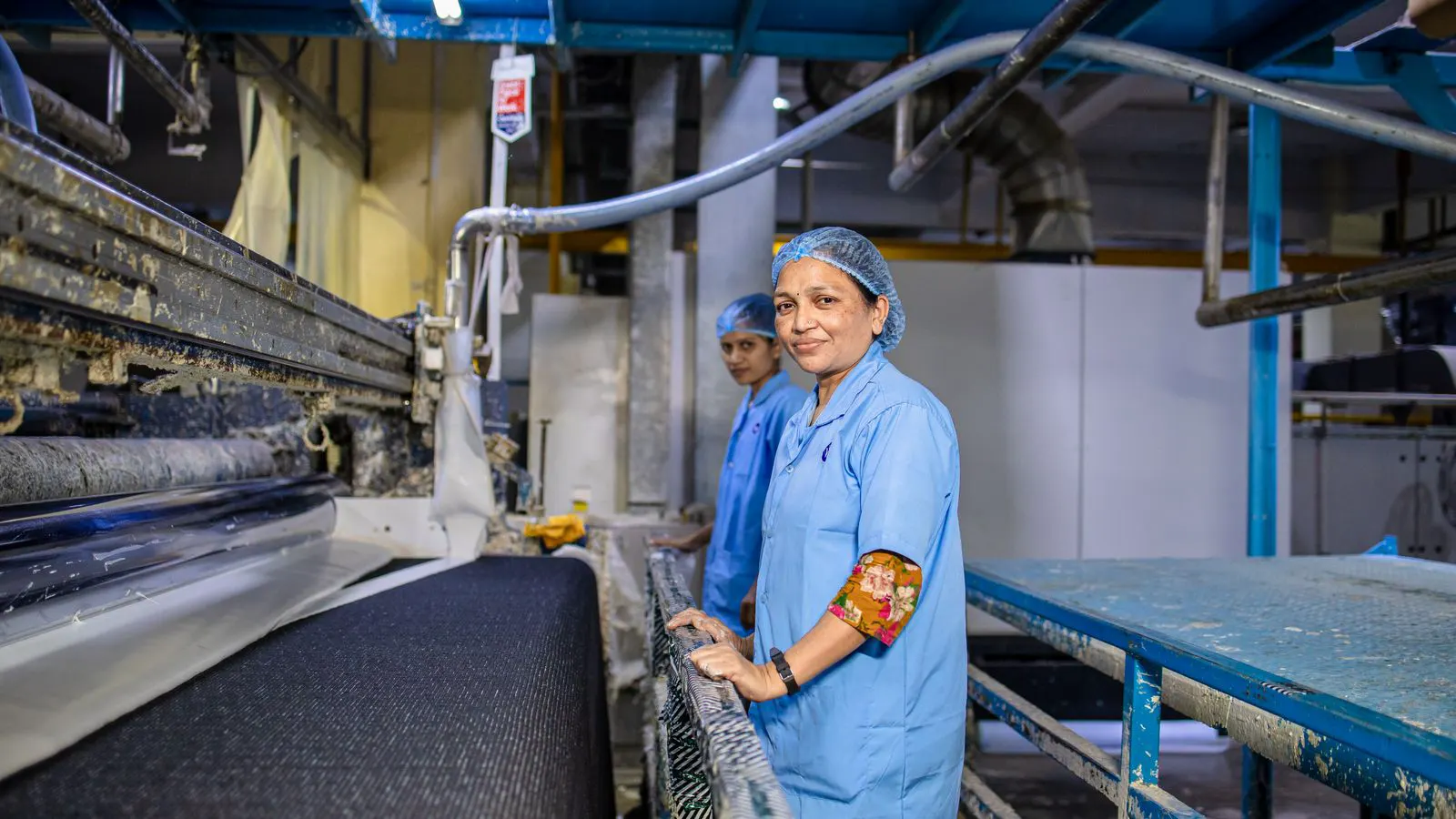
Dyeing & Finishing
Jacket vs Continuous Dyeing: Machine Selection
Jacket dyeing suits short runs and small batches, while continuous dyeing handles high-volume, long lengths efficiently. The right choice depends on your fabric type
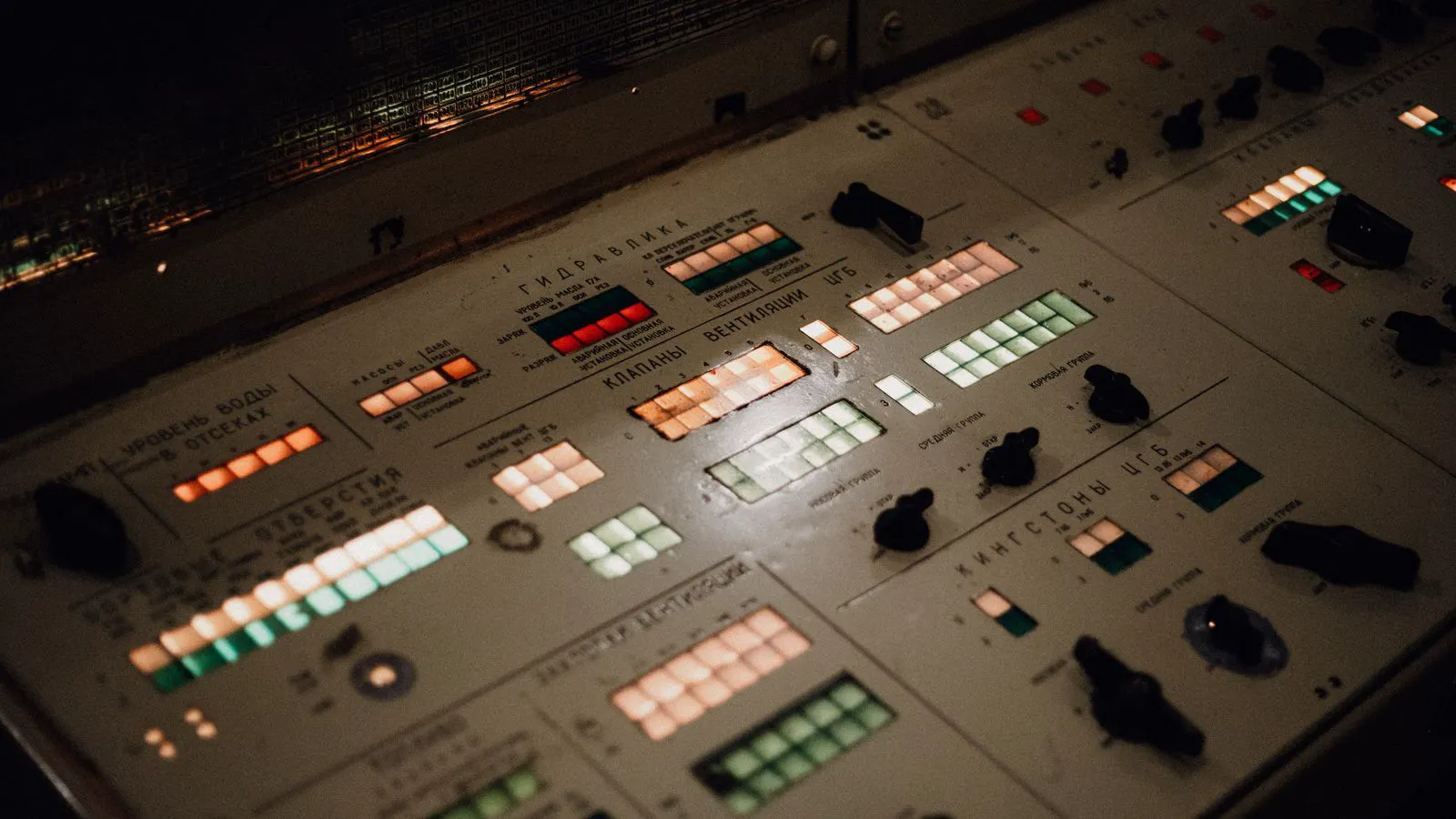
Information on dyeing and finishing equipment, process control, water management, and quality assurance in textiles.
Jacket dyeing suits short runs and small batches, while continuous dyeing handles high-volume, long lengths efficiently. The right choice depends on your fabric type
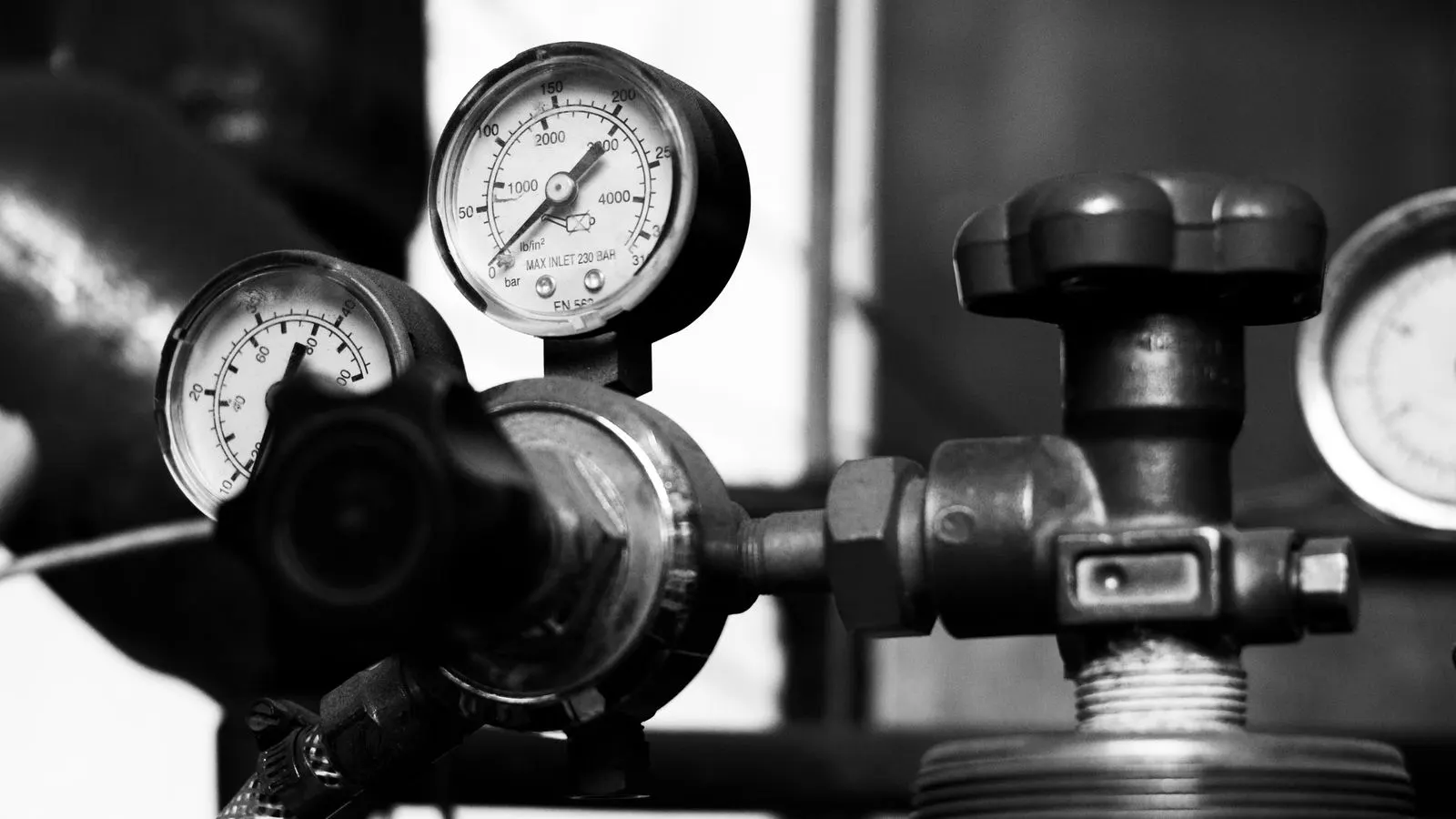
Low water inlet pressure in a dyeing machine usually traces to clogged filters, weak pumps, or closed valves. This guide lists common symptoms, probable causes, and
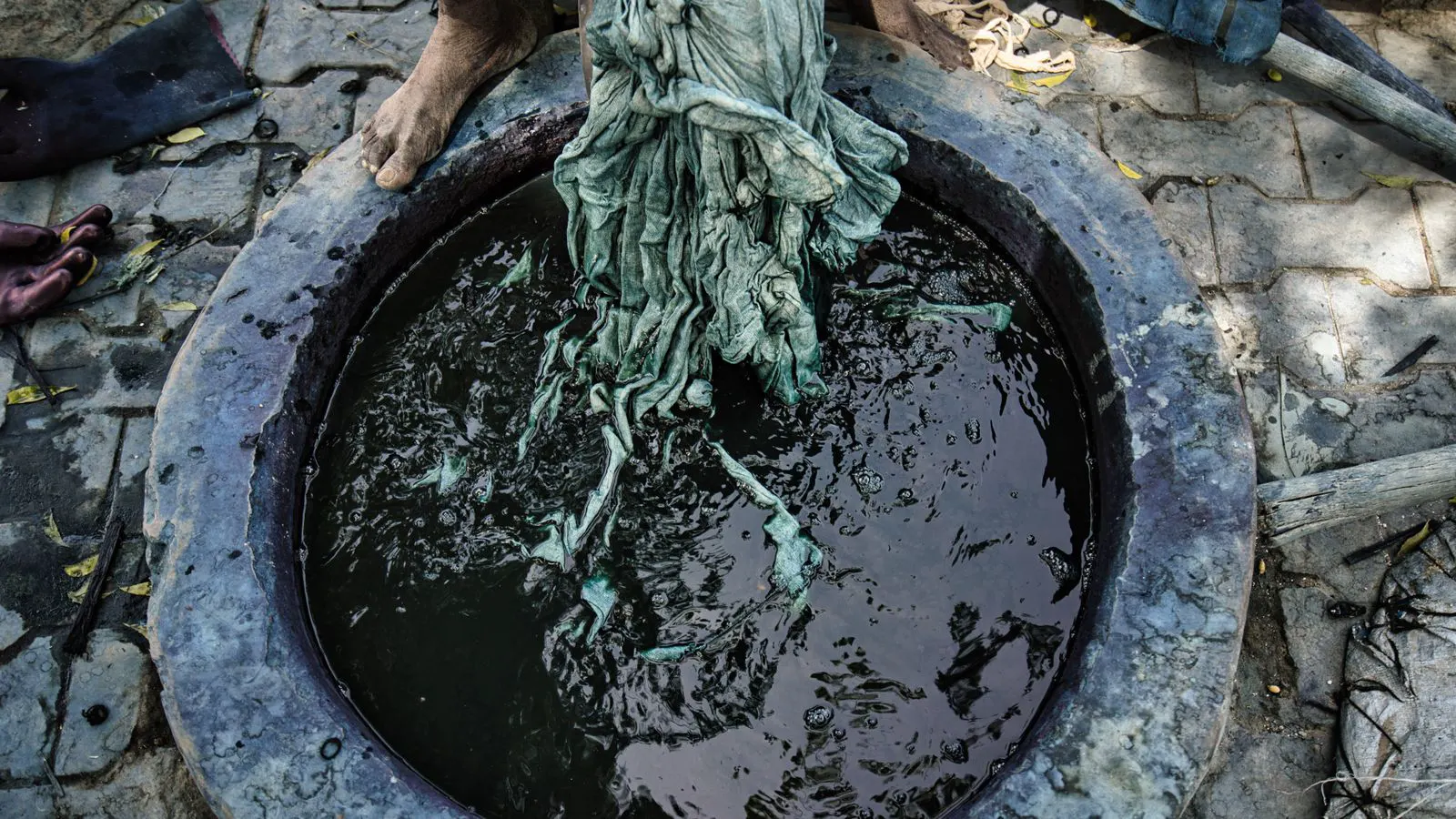
Efficient dyeing line setup requires strict pre-installation checks, precise equipment alignment, and controlled trial runs. This guide outlines the prerequisites
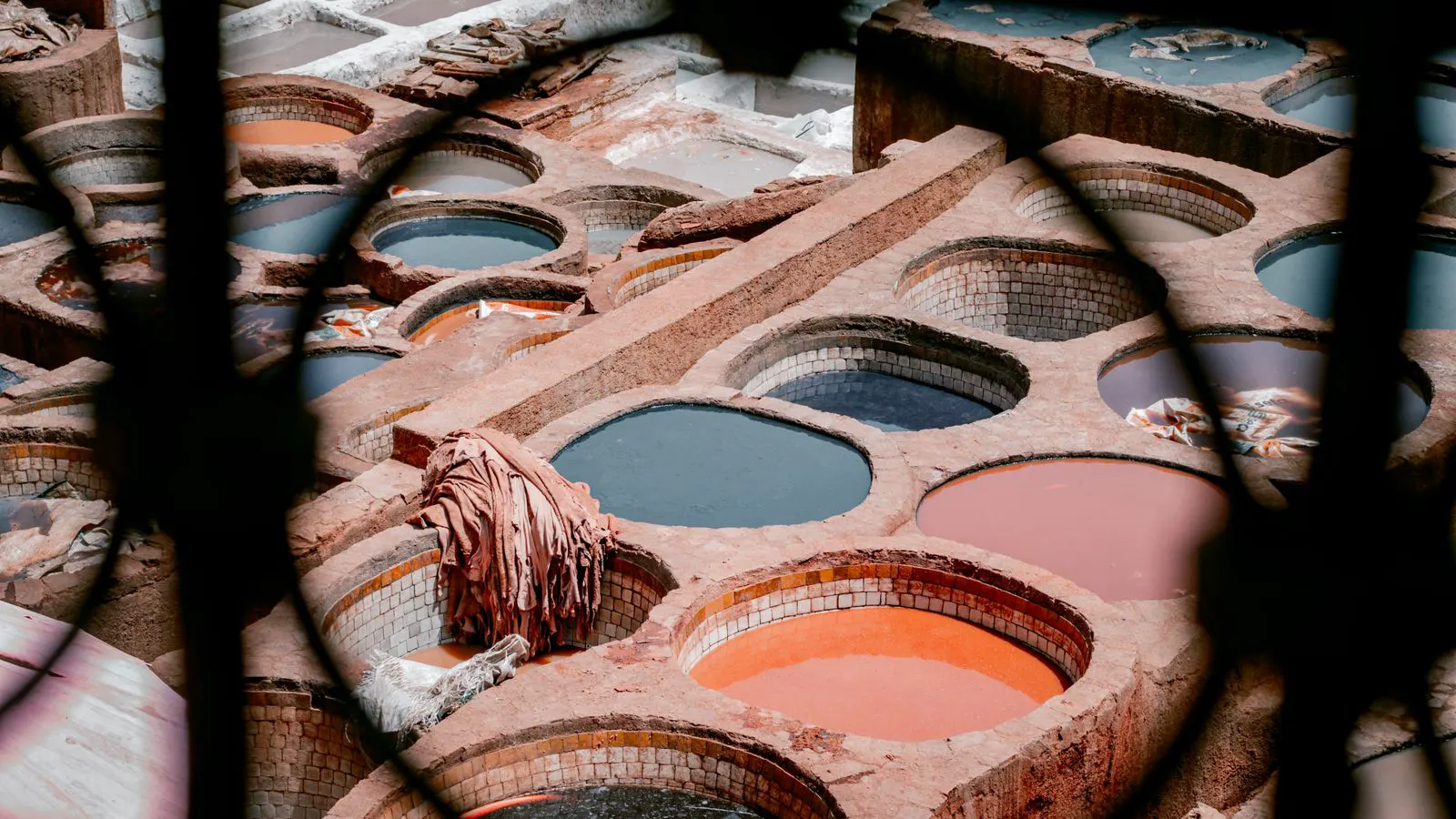
Uneven dyeing stems from uneven liquid flow, temperature gradients, or poor dyeing. This guide lists common symptoms, likely causes, and fixes to help plant engineers
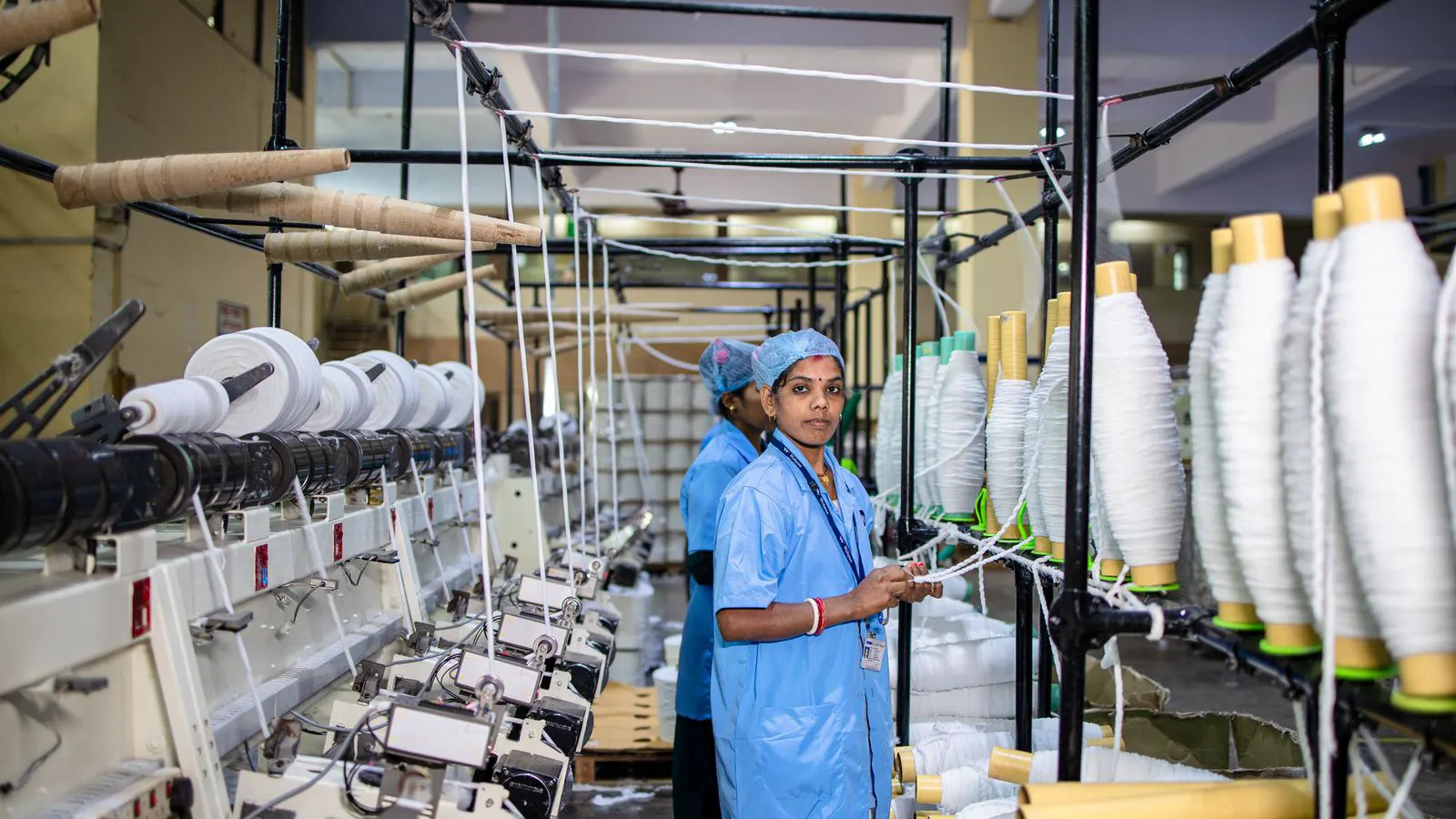
Use a structured dyeing and finishing checklist to verify equipment selection, process compatibility, utility load, and procurement checklist items. This audit format
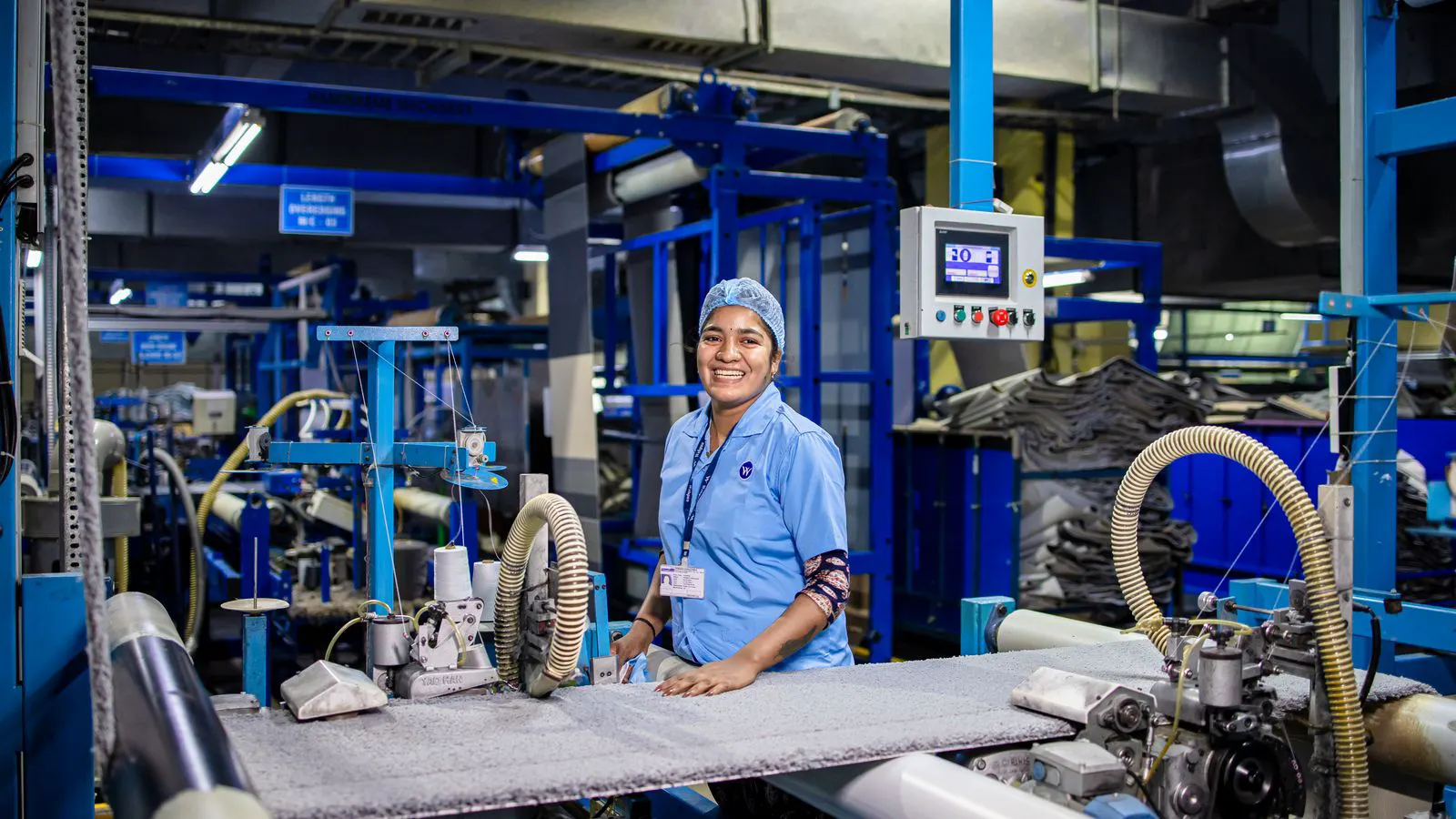
Water efficient finishing is shifting from batch soaking to continuous, low-liquor, and zero-liquid discharge methods. Strategic buyers should plan around automation
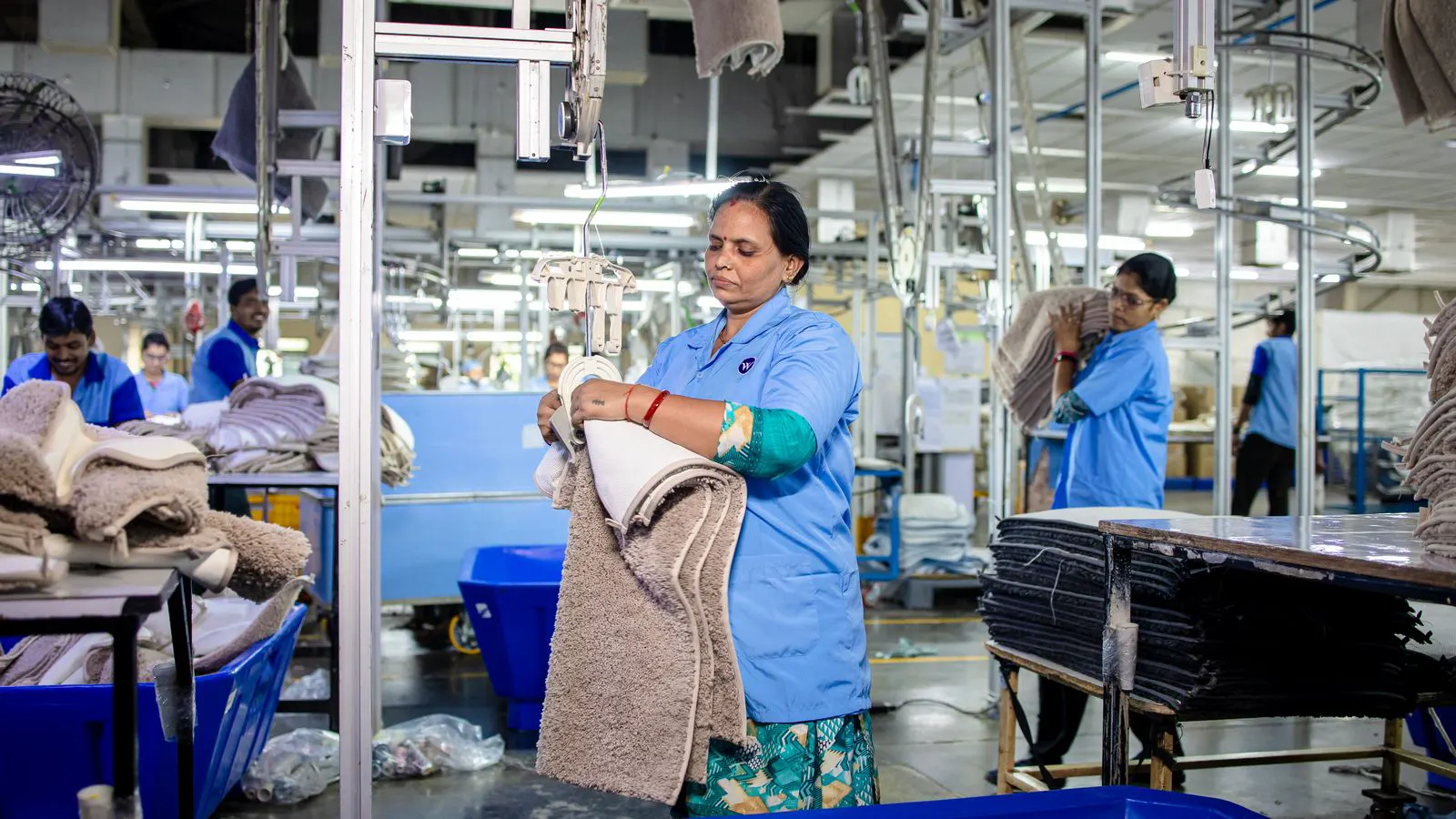
Finishing equipment costs vary by capacity, technology, and automation. Lead times depend on factory capacity and customization. This guide breaks down pricing factors
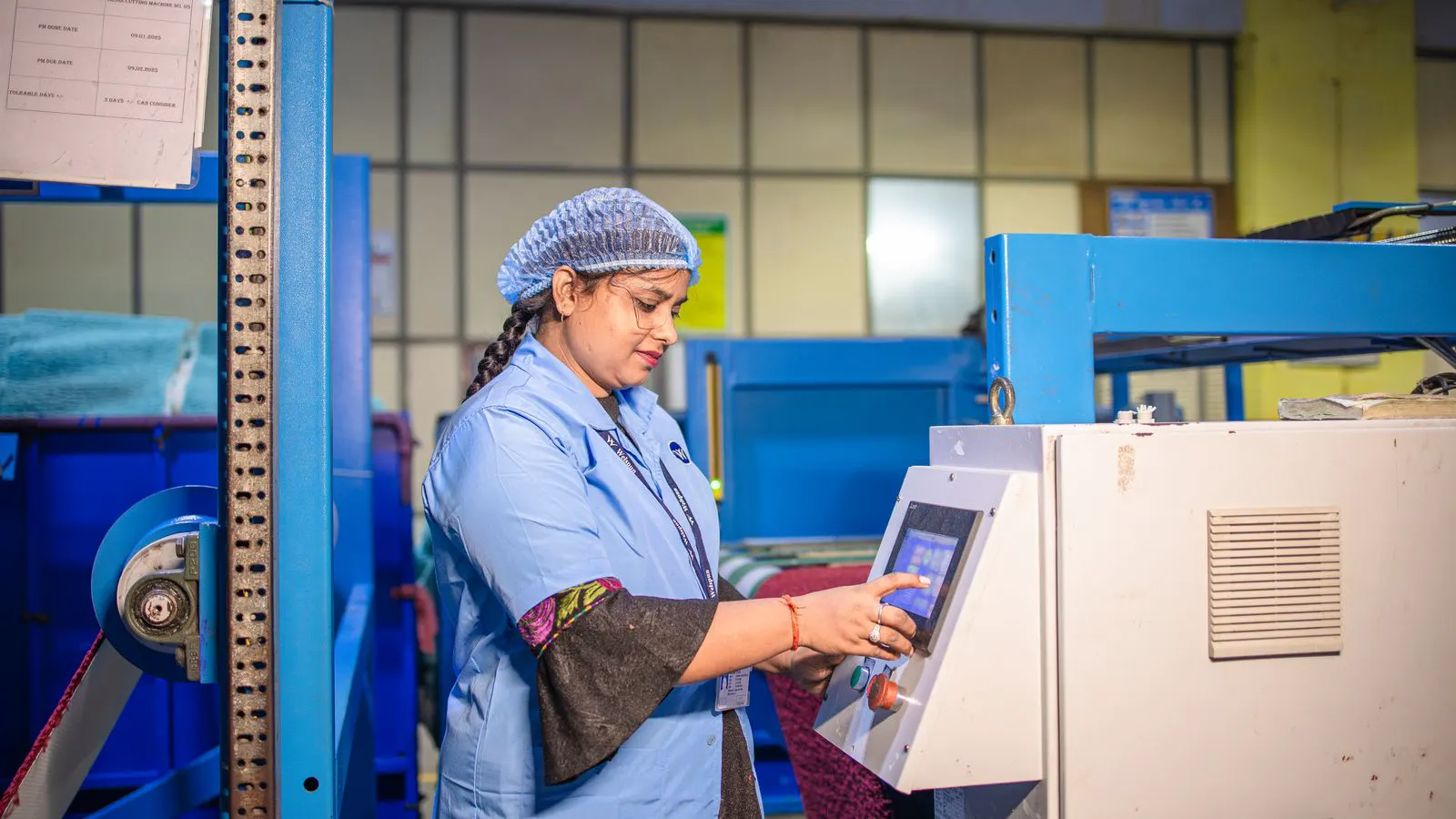
Batch dyeing suits small to medium lots with high color variation, while continuous dyeing fits high-volume, narrow-color runs. The right choice depends on your
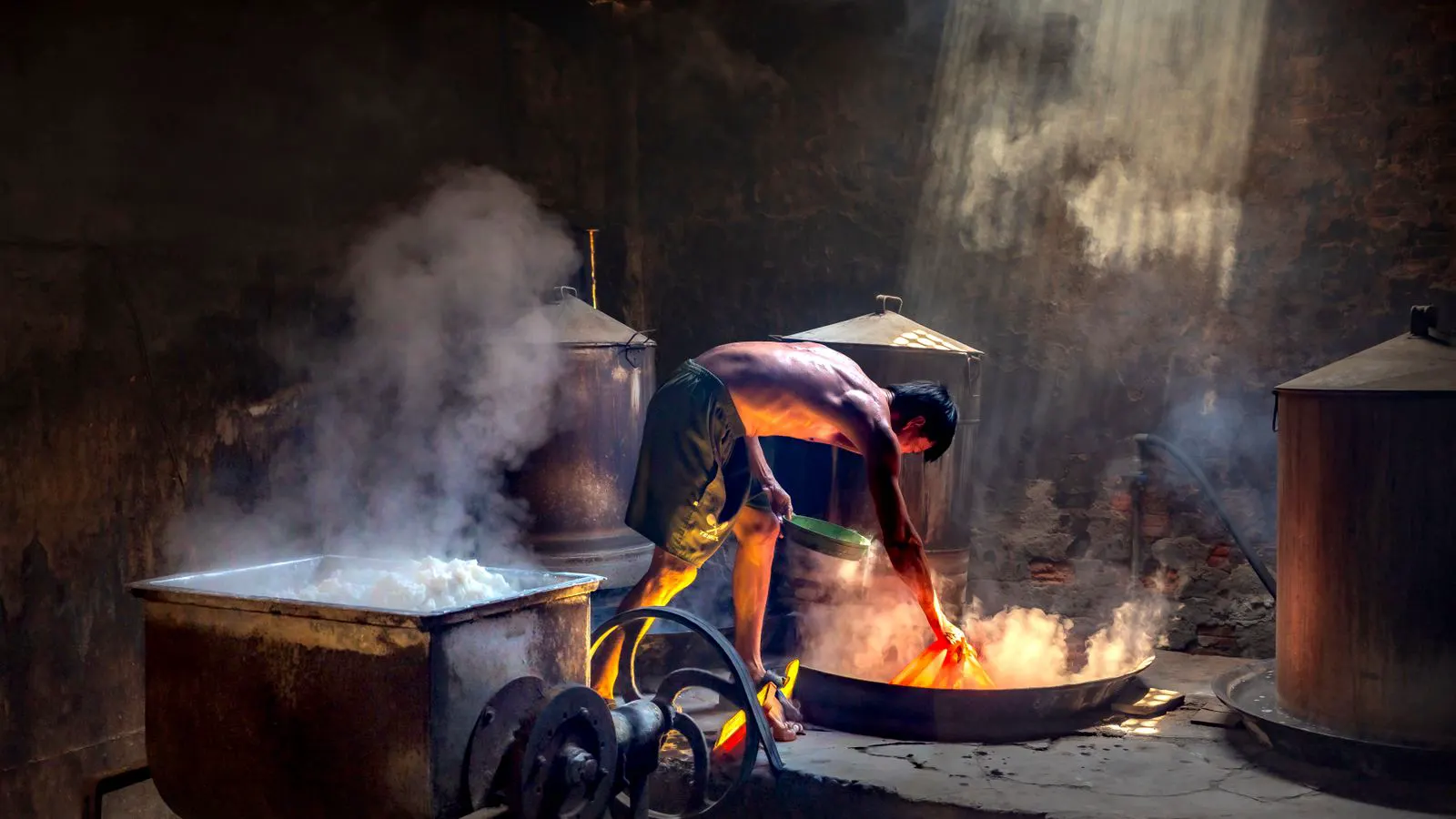
The textile dyeing process involves sequential stages including preparation, dyeing, washing, and finishing. Each step alters fiber structure and colorfastness. This
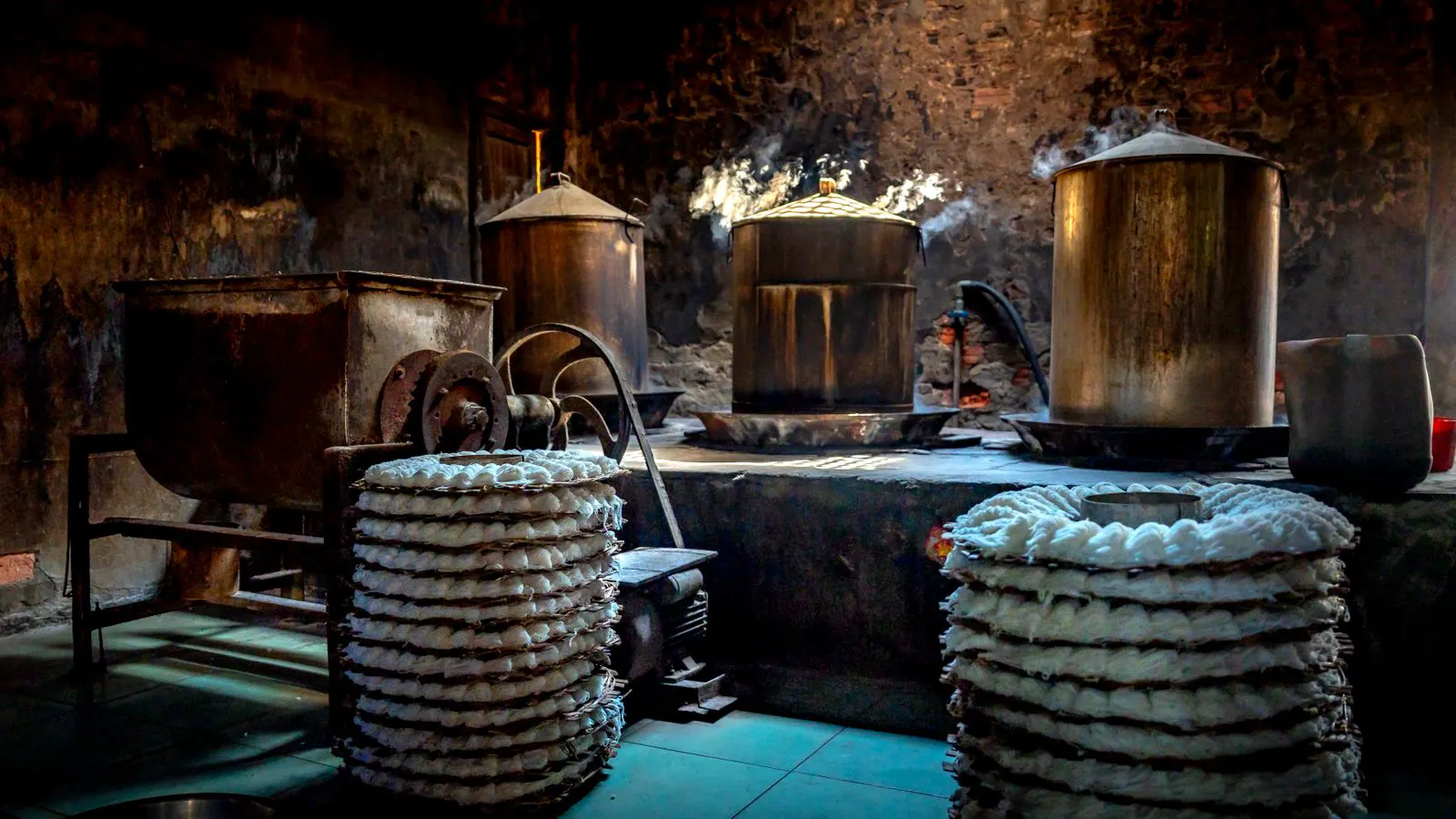
Dyeing machine selection depends on production volume, fabric type, and energy costs. This guide outlines key criteria like capacity, automation, and water usage to help