Checklist for Selecting Dyeing and Finishing Machinery
Use a structured dyeing and finishing checklist to verify equipment selection, process compatibility, utility load, and procurement checklist items. This audit format helps procurement managers confirm machine capacity, chemical compatibility, and vendor support before signing a purchase order.
- Verify that the machine matches the exact fiber type, yarn form, and dye class before evaluating price.
- Check utility connections, chemical compatibility, and waste water handling during the site audit.
- Require written confirmation of spare parts, response times, and training in the final contract.
- Compare total cost of ownership, including installation, energy, and maintenance, against the machine price.
Confirm the Process and Fiber Compatibility
The first step in any equipment selection is to match the machine to the actual production run. A buyer who skips this step often faces a machine that works on paper but fails on the floor. The checklist item here is simple. List every fiber type, yarn form, and dye class the plant will run on this specific unit.
For example, a machine suited for cotton reactive dyeing may struggle with polyester disperse dyeing if the temperature range is not broad enough. A vat dyeing unit for denim is built for different chemical concentrations and agitation patterns than a batch machine for small-lot fashion yarns. If the vendor presents a general capability sheet without tying it to your specific material, treat that as a red flag.
Check the temperature range of the dye bath. Confirm the pressure rating if the process requires boiling or steam. Verify the maximum batch size in linear meters or kilograms, depending on the machine type. Do not assume a nominal capacity includes your actual product. A 500-kilogram drum may hold 500 kilograms of water, but the dye load and fabric weight limit the true production mass.
Ask the vendor for a process sheet that lists the exact dye chemistry compatible with the machine. If the document is vague, the equipment may not handle the specific auxiliary chemicals your process requires.
Audit Utility Requirements and Site Preparation
Machinery selection is as much about the plant as it is about the machine. A dyeing machine that requires a specific electrical current may not fit the existing switchboard. A continuous finishing line may need a larger floor area than the current layout allows.
Add a site preparation section to the procurement checklist. Measure the floor space needed for the unit, including clearance for operators and maintenance. Check the floor load capacity. Large dyeing vats and continuous finishing lines are heavy. The foundation must support the weight without settling.
Review the utility load. List the electrical supply in amps, voltage, and phase. Confirm the water supply rate in liters per minute for dye bath preparation and rinsing. Check the steam connection if the machine uses it. A red flag appears when the utility requirements are listed in the catalog but not verified against the plant design.
Waste water treatment is another common failure point. The machine will discharge effluent at a specific temperature and chemical load. If the existing treatment plant cannot handle that load, the buyer must add a neutralization tank or a filtration system. Factor this into the site audit. The machine is not ready for production until the discharge line is tested.
Evaluate Chemical Compatibility and Materials
The internal components of the machine must withstand the chemicals used in the process. Stainless steel is the standard for many dyeing units, but the grade matters. A lower grade may corrode in high-salt or high-alkali baths, leading to contamination and downtime.
Include a material audit in the checklist. Ask for the material specification of every wetted part. This includes the vat, the heating coils, the agitation shaft, the valves, and the gaskets. Rubber gaskets degrade faster in some chemical environments than others. A supplier who cannot specify the gasket material should be viewed with caution.
Check the heating system. Electric heating is common in smaller units, but gas or steam heating may be more cost-effective for large volumes. The control system must handle temperature changes accurately. A fluctuation of a few degrees can ruin a sensitive dye lot.
Look at the agitation system. Static fabric can lead to uneven dyeing. The agitator speed and pattern must match the fabric type. A heavy knitted fabric needs different agitation than a light woven fabric. If the machine offers only one agitation speed, ask if that limitation affects your production mix.
Review Control Systems and Data Integration
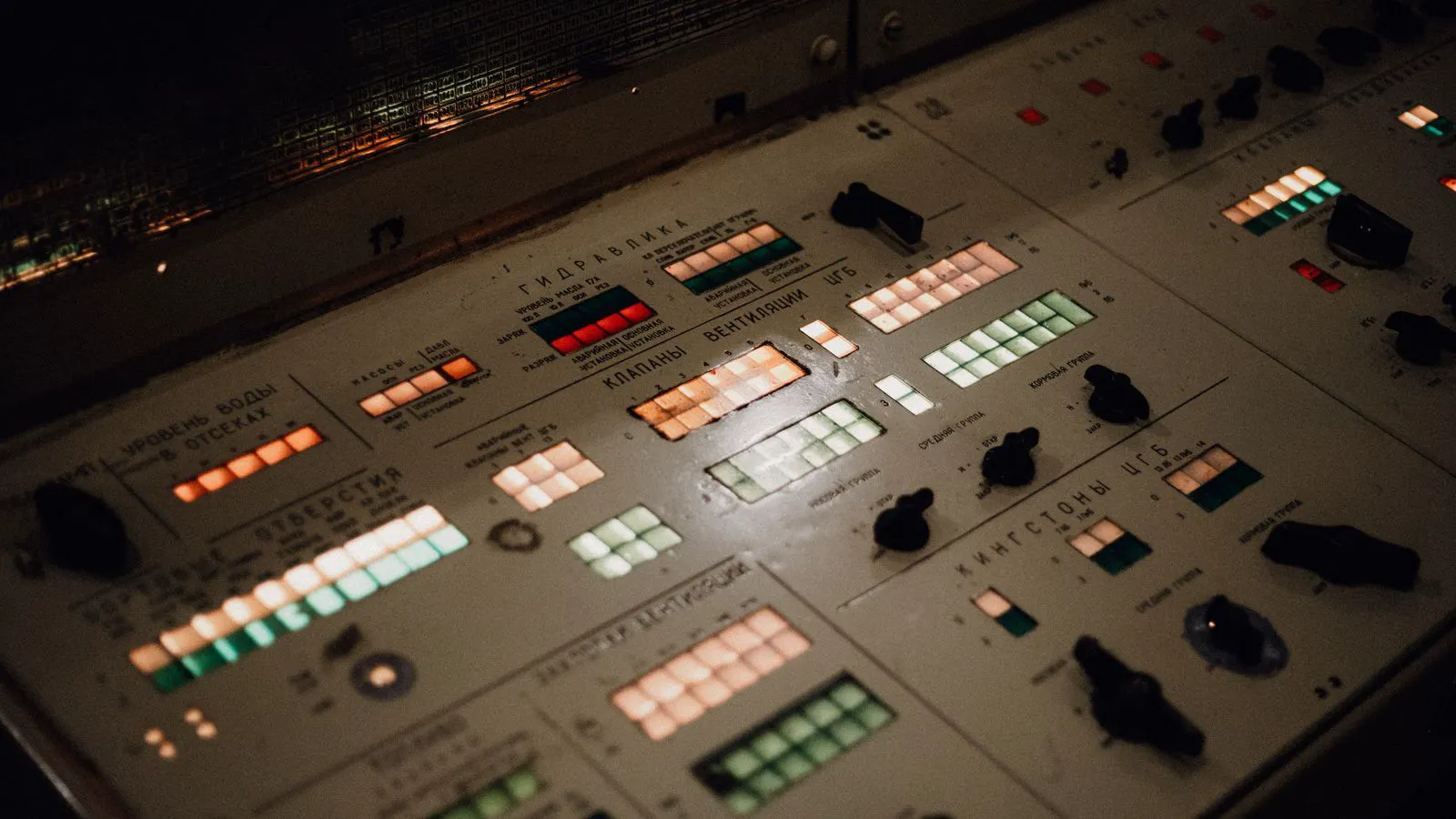
Modern textile machinery is driven by control systems. The operator should be able to set the temperature, time, and chemical dose for each stage. The machine should log these settings for traceability. If the plant requires batch records for export markets, the control system must store this data.
Check the control interface. Is it a touch screen, a panel with buttons, or a combination? The operator should be able to read the status of each stage at a glance. A red flag is a system that requires a specialist to change a basic set point. The operator should be able to adjust the process without waiting for an engineer.
Ask about data integration. Can the machine connect to the plant management system? If not, will it be added later? Some control systems are closed, meaning they cannot send data to other software. This creates a manual data entry step that increases error risk.
For continuous finishing lines, the control must manage the application rate of finishing chemicals. A small error here can lead to a defective fabric roll. The machine should have sensors that monitor the chemical flow and the fabric speed. If the vendor does not specify the sensor type or the accuracy, request a demonstration.
Assess Maintenance, Spare Parts, and Training
The price tag is only part of the cost. The maintenance plan determines the long-term reliability of the unit. A machine that requires frequent replacement of a specific part will have higher operating costs than a similar unit with a longer service interval.
Add a maintenance audit to the checklist. Ask for the service interval for each major component. This includes the agitator motor, the heating elements, the valves, and the control boards. Request a spare parts list for the first year. If the vendor does not provide a list, assume the parts will be difficult to source.
Check the response time for technical support. A local service center is faster than a remote one. If the machine is imported, the buyer must account for shipping time for spare parts. A one-month wait for a gasket can stop production.
Training is often overlooked. The operator needs to know how to start the machine, how to read the control panel, and how to perform basic checks. The vendor should provide a training program. Ask if the training covers troubleshooting. A red flag is a vendor who only provides a manual and a video file. Hands-on training at the plant site is more effective.
Compare Total Cost of Ownership
Do not compare machines by the purchase price alone. The total cost of ownership includes installation, utility upgrades, chemical costs, energy consumption, and maintenance. A cheaper machine may use more water and energy per kilogram of fabric. This difference adds up over time.
Create a cost comparison table for the final decision. List the machine price, the installation cost, the expected energy cost per batch, the chemical cost per batch, and the maintenance budget. Include the cost of waste water treatment if the machine generates a specific effluent load.
Lead times matter too. A machine that can be delivered in two months is more valuable than a machine that takes six months, even if the price is similar. Check the typical lead time for the specific configuration you need. If the buyer needs the machine by a certain date, verify that the vendor can meet it.
Final Procurement Checklist
Use this numbered list as the final audit before signing the contract.
- Confirm the fiber type, yarn form, and dye class are listed in the machine specification.
- Verify the temperature range, pressure rating, and maximum batch size match the production plan.
- Check the material specification for all wetted parts, including gaskets and valves.
- Audit the site for floor load, floor space, and utility capacity.
- Confirm the waste water treatment plant can handle the effluent load.
- Review the control system for operator usability and data logging capability.
- Request a spare parts list and a written service response time agreement.
- Confirm the training program includes on-site instruction and troubleshooting.
- Calculate the total cost of ownership, including installation and energy.
- Verify the lead time and the delivery terms in the contract.
A table helps compare vendors during this final stage.
| Checklist Item | Key Question to Ask Vendor | Red Flag |
|---|---|---|
| Capacity | What is the true maximum batch mass? | Nominal capacity only, no process data |
| Materials | What grade of steel is used for the vat? | No material specification provided |
| Utilities | What is the exact electrical and water load? | Requirements not verified against site |
| Control | How is batch data stored and accessed? | No data logging or closed system |
| Service | What is the response time for repairs? | No local support or vague promise |
The goal is to remove uncertainty. Every item on this list should have a written answer from the vendor. If an answer is missing, the buyer is guessing. Do not guess on a capital equipment purchase.
Frequently asked questions
Can a single machine handle multiple fiber types?
Some machines can handle multiple fiber types if the temperature range and agitation system are flexible. The buyer must verify the specific dye chemistry compatibility for each fiber.
How much floor space is needed for a dyeing machine?
The space depends on the machine size and the required clearance for operators and maintenance. Measure the unit plus the surrounding area before finalizing the site plan.
What is the most common failure point in new installations?
Utility mismatches are the most common failure. The electrical supply or water pressure is often lower than the machine requires, causing operational issues.
Should the buyer install the machine themselves?
It is safer to use the vendor or a certified installer for the initial setup. Incorrect installation can void the warranty and lead to safety risks.
How long does the training usually take?
Training duration depends on the complexity of the machine and the experience of the operator. A basic training session may take a few days, while advanced troubleshooting requires more time.