Future Trends in Water-Efficient Textile Finishing
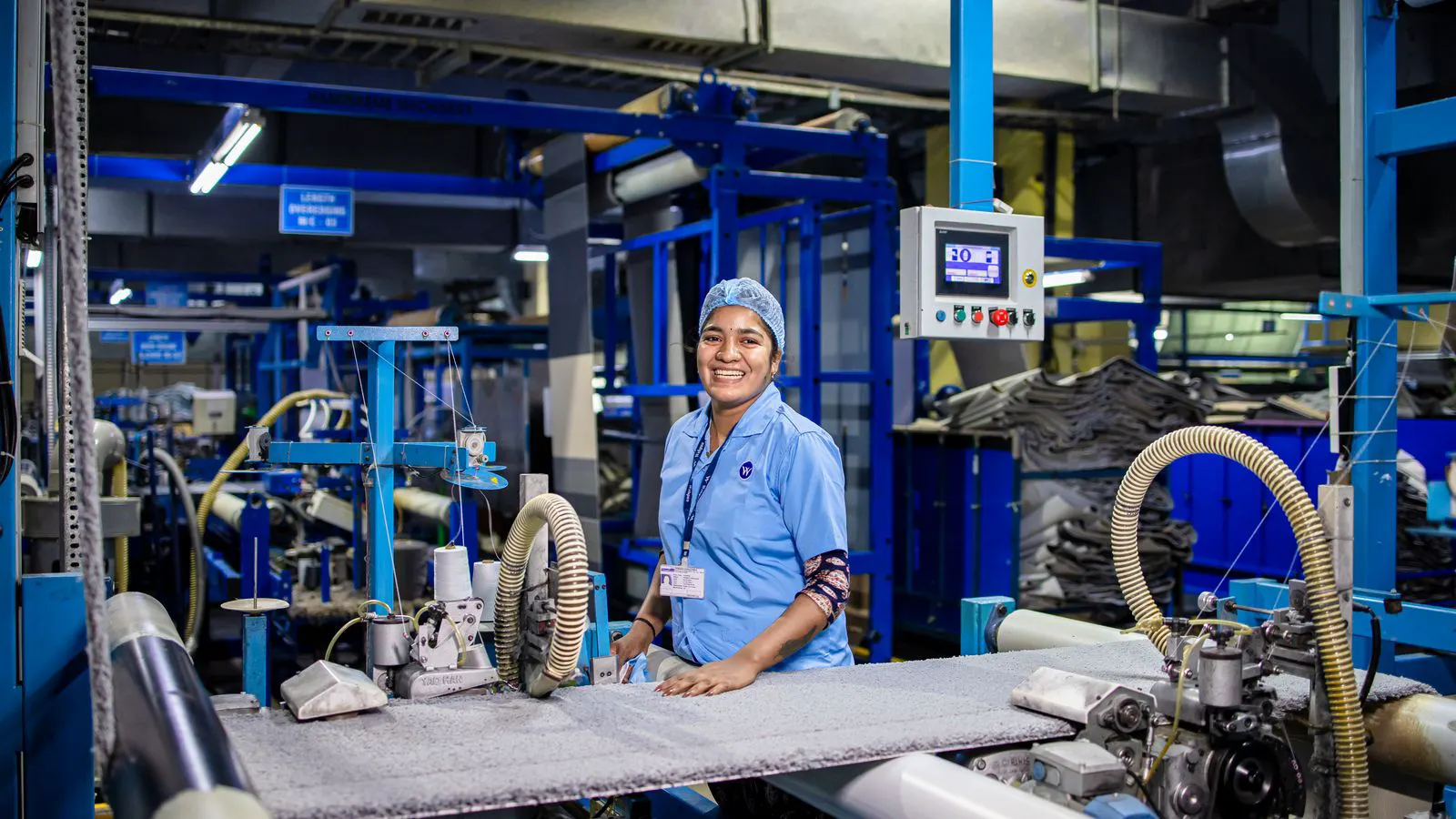
Water efficient finishing is shifting from batch soaking to continuous, low-liquor, and zero-liquid discharge methods. Strategic buyers should plan around automation, fabric-specific process mapping, and staged capital investment to reduce environmental impact and operating costs.
- Water efficient finishing is moving toward continuous processes and closed-loop water systems that reduce per-meter consumption.
- Buyers should map current process water use before selecting technology, as fabric type and chemistry drive the best fit.
- Staged capital investment in monitoring, filtration, and automation is more practical than replacing the entire finishing line at once.
- Green finishing technologies now offer measurable savings in water, energy, and chemical use when integrated with existing infrastructure.
- Textile sustainability goals are becoming a procurement driver, not just an environmental afterthought.
Where Water Consumption Actually Happens in Finishing
Water use in finishing concentrates in three stages: pretreatment, application, and exhaust. Pretreatment often involves soaking, scouring, and desizing, which consume large volumes of water per meter. For example, a 50-meter width of cotton fabric soaking in a traditional open vat may require a liquor ratio of 1:50 or higher. That means every meter of fabric pulls 50 liters of water before the first chemical dose is even applied. Scouring follows, often with another 1:30 to 1:40 ratio, depending on the degree of impurity removal required. Desizing, if needed, adds another cycle. Together, these stages can account for half or more of total water consumption in a standard finishing line.
Application stages, such as pad drying, spray, or roll-to-roll coating, vary in liquor ratio depending on the finish type. A pad finishing machine for a softener finish might operate at 1:5, while a spray application for a waterproof coating might use 1:10. The difference matters. A 1:5 pad uses less water but requires precise roller pressure and chemical viscosity control. A 1:10 spray uses more water but offers better coverage for irregular fabric surfaces. Exhaust handling is where water is most likely to be recovered or discharged. If the plant discharges exhaust water directly to a municipal sewer, the water is lost. If it routes the water to a treatment plant, the plant must pay for the discharge volume.
Most plants still operate with batch or semi-continuous systems. These allow flexibility but generate significant wastewater and require frequent chemical make-ups. A batch system fills the vat, runs the cycle, drains, rinses, and empties. Each cycle creates a surge of wastewater. The shift toward water efficient finishing is not about eliminating water. It is about reducing the amount of fresh water pulled from the source and increasing the proportion of treated water returned to the process.
How Continuous and Low-Liquor Processes Change Water Use
Continuous finishing machines replace or supplement traditional batch lines. They feed fabric through a series of rollers, sprayers, or pad units, then dry it in a controlled oven. Because the fabric moves in a steady stream, the system can operate at a lower liquor ratio. Less water means less energy for drying and less wastewater to treat. In practice, a continuous line for a size finish might run at a 1:4 ratio, compared to a 1:8 ratio on a batch pad. That reduction cuts fresh water intake by more than half for that specific stage.
Low-liquor finishing is a subset of this approach. It uses precise chemical dosing and controlled wetting to reduce the amount of water required per meter. This is particularly effective for size, softener, and flame-retardant finishes. For specialty finishes like stonewash or enzyme wash, the reduction is smaller but still meaningful. A stonewash process, which relies on mechanical abrasion and chemical reactions, cannot be reduced to the same degree as a simple pad finish. However, even a 10 to 15 percent reduction in water use for stonewash translates to significant savings over millions of meters of production.
The trade-off is control. Continuous lines demand stable tension, consistent chemical concentration, and tight temperature management. A small drift in any of these variables can cause banding, poor uptake, or off-color. For instance, if the fabric tension varies by 5 percent across the width, the pad rollers may apply a heavier layer on one side. The resulting fabric will show a visible color band in the finished product. Plants that switch to continuous finishing need to invest in process control, not just the machine itself. This includes tension sensors, chemical pumps with flow meters, and temperature probes on the dryer.
What Closed-Loop and Zero-Liquid Discharge Systems Add
Closed-loop systems capture exhaust water from the finishing line, filter it, and return it to the pretreatment or rinse stages. Zero-liquid discharge systems go further. They combine filtration, evaporation, or reverse osmosis to recover water for reuse or to minimize discharge entirely. The practical difference is in the water balance. A plant running a closed-loop system may cut fresh water intake by a substantial fraction of its previous use. For a plant that previously discharged 500,000 liters of water per day, recovering 70 percent of that volume for reuse reduces fresh water intake to 150,000 liters per day.
A zero-liquid discharge system targets near-total recovery but requires more space, higher maintenance, and careful chemical management. The choice depends on local water regulations, available floor space, and the chemical profile of the finishing process. In regions where water scarcity is severe and discharge permits are tight, zero-liquid discharge may be the only viable option. In other regions, a closed-loop system with partial discharge may be more cost-effective.
Buyers should evaluate the chemical load before committing. High-salt or high-surfactant streams are harder to recycle. Pretreatment chemistry also matters. If the plant uses aggressive scouring agents, the recycled water will need more treatment to maintain quality. For example, if the scouring process uses a high level of sodium hydroxide, the exhaust water will have a high pH. Returning that water directly to the pad stage will alter the pH of the finishing bath and potentially damage the fabric. In some cases, blending recycled water with fresh water is the most practical path. A 50 percent blend might be sufficient to maintain process stability while still reducing fresh water intake by half.
How Monitoring and Automation Drive Water Efficient Finishing
Water efficient finishing is as much a data problem as a machine problem. Plants that track water use per meter, per fabric type, and per batch can identify leaks, inefficient cycles, and off-spec runs quickly. Without that data, savings are guesswork. A plant might assume that a new pad machine saves water. Without measuring the actual liquor ratio before and after installation, the plant cannot confirm the savings. It might even discover that the new machine uses more water due to a calibration error.
Key parameters to monitor include liquor ratio, chemical concentration, rinse water temperature, and drainage volume. Simple sensors and data loggers can cover most of this. A conductivity meter at the drain outlet can indicate when the rinse water has reached a clean state. A flow meter on the fresh water intake line can track total consumption per shift. More advanced setups integrate with the plant’s control system to adjust dosing and rinse times automatically. For example, if the conductivity meter reads above a set threshold, the control system can extend the rinse cycle. If it reads below the threshold, the system can stop the rinse early.
Automation reduces human error and tightens process consistency. A pad unit that applies chemical at a fixed thickness, for example, uses less water than a manual spray. A manual spray depends on the operator’s skill and attention. A pad unit with a calibrated roller uses a consistent volume per meter. A rinse cycle that stops when conductivity reaches a target value saves water that would otherwise be wasted. These small adjustments, repeated thousands of times, compound into real savings. A plant that saves 5 liters per meter across 1,000,000 meters of production saves 50,000,000 liters of water per year.
A Practical Roadmap for Staged Investment
Most textile plants cannot replace their entire finishing line in one step. The more practical approach is a phased rollout. The first phase focuses on measurement and basic upgrades. The second phase introduces process changes. The third phase covers larger capital projects.
- Map current water use. Record fresh water intake, chemical usage, and discharge volume for a representative set of fabrics and finishes. Identify the highest-consumption stages. For example, a plant might find that pretreatment accounts for 60 percent of water use, while application accounts for 30 percent. This baseline will guide where to invest first.
- Upgrade pretreatment. Replace open-vat soaking with closed-loop or low-liquor pretreatment. Add basic filtration and conductivity monitoring. This step often delivers the quickest return on investment because pretreatment uses the most water.
- Introduce continuous or low-liquor application. Pilot a continuous finishing unit for one or two high-volume products. Track liquor ratio, drying energy, and quality. A pilot run allows the plant to adjust the process without disrupting the entire production schedule.
- Implement closed-loop recovery. Install or expand a water treatment and reuse system. Target recovery of rinse and exhaust water for pretreatment. This step requires coordination with the water treatment team to ensure the recycled water meets the quality requirements of the pretreatment process.
- Evaluate zero-liquid discharge. If local regulations or water scarcity make it necessary, add evaporation or advanced filtration. This is the highest-cost step and should follow the first four.
This staged approach keeps capital risk manageable. Each phase should be judged on its own merits. If a low-liquor pad unit delivers the expected savings on one fabric type, expand it. If it does not, adjust the process or the fabric scope before moving on.
How Green Finishing Intersects with Sustainability Requirements
Green finishing is not just about water. It is about the whole environmental footprint of the finishing process. Water efficient finishing is the largest single lever, but chemical selection and energy use matter too. A plant that reduces water use but increases chemical load may not be improving its sustainability profile. The goal is to reduce all environmental impacts, not just one.
Buyers and customers are asking for documentation on water and chemical use. Some require proof of reduced discharge or closed-loop operation. This is shifting from a voluntary initiative to a procurement requirement. Plants that can demonstrate water efficient finishing in their process documentation have an advantage in tendering and customer qualification. For example, a major apparel brand might require suppliers to provide a water balance report for each new product. A plant that cannot provide this report may lose the contract.
The sustainability angle also affects energy. Less water means less energy to heat and dry the fabric. If the plant uses a heat recovery system on the drying ovens, the savings multiply. The interaction between water, energy, and chemical use is where the real efficiency gains live. A plant that reduces water use by 30 percent and recovers 50 percent of the drying heat may achieve a 20 percent reduction in total energy consumption. This reduction in energy use can lower the plant’s carbon footprint and improve its competitiveness.
Common Mistakes to Avoid in the Transition
- Skipping the water balance. Without a clear baseline, savings are impossible to measure. Record the data before buying any equipment. A plant that skips this step may find that the new equipment does not save water as expected, or that the savings are offset by other changes in the process.
- Ignoring chemical compatibility. Recycled water can carry dissolved salts and residues. If the chemistry is not adjusted, quality issues will appear. For example, if the recycled water contains high levels of calcium, it may react with certain finishing chemicals and cause spotting on the fabric.
- Underestimating maintenance. Closed-loop and zero-liquid discharge systems require regular cleaning, filter replacement, and chemical dosing. Factor this into the operating cost. A system that saves water but requires frequent downtime will not deliver the expected savings.
- Buying the wrong machine. A continuous finisher is not a drop-in replacement for a batch line. It changes how the fabric moves and how the process is controlled. Pilot before committing. A plant that installs a continuous finisher without piloting it may find that the machine does not suit its fabric mix or production schedule.
- Treating water as a separate issue. Water efficient finishing works best when integrated with the rest of the finishing process. Pretreatment, application, drying, and exhaust all affect the overall water balance. A plant that only focuses on the application stage may miss the bigger opportunity in pretreatment.
What to Ask Vendors Before You Buy
When evaluating water efficient finishing equipment, ask vendors for a water balance sheet that shows intake, process use, and discharge for the specific fabric and finish. Request documentation on chemical compatibility with recycled water. Ask for references from plants with similar fabric types and production volumes. A vendor that cannot provide these details may not have the experience to support your transition.
Also ask about the maintenance schedule and spare parts availability. A system that saves water but requires frequent downtime will not deliver the expected savings. The total cost of ownership includes not just the purchase price but the operating costs, maintenance, and potential quality risks. For example, a vendor that offers a long-term maintenance contract may be worth the premium over a lower-priced vendor that requires you to arrange your own service.
The market is moving toward water efficient finishing, but the path is not one-size-fits-all. The best solution depends on the plant’s fabric mix, water source, chemical load, and production schedule. Start with the data, pilot the changes, and expand what works.
Frequently asked questions
What is the most common starting point for water efficient finishing?
Most plants begin with a water balance and basic upgrades to pretreatment. This gives a clear baseline and quick savings before larger capital projects.
Can existing finishing lines be adapted for water efficient finishing?
Yes, many plants retrofit existing lines with low-liquor pads, closed-loop recovery, and improved monitoring. A full replacement is not always necessary.
How does water efficient finishing affect fabric quality?
When properly controlled, quality is maintained or improved. The risk comes from poor process control or chemical incompatibility with recycled water.
Is zero-liquid discharge practical for all textile plants?
Not always. It depends on chemical load, floor space, and local regulations. Closed-loop recovery is often the more practical first step.
What documents should I request from a vendor?
Request a water balance sheet, chemical compatibility data, maintenance schedule, and references from similar plants. These help assess fit and total cost of ownership.