Dyeing Machine Selection Guide for Textile Plants
Dyeing machine selection depends on production volume, fabric type, and energy costs. This guide outlines key criteria like capacity, automation, and water usage to help procurement managers choose reliable textile equipment for their specific plant needs.
- Match machine capacity to your peak production days to avoid bottlenecks.
- Prioritize energy efficiency and water recovery systems to reduce operating costs.
- Evaluate the reliability of the control system and vendor support before purchasing.
- Consider the specific fabric type to ensure the machine can handle the required dyeing process.
- Use a decision checklist to compare shortlisted machines against your plant's specific requirements.
Introduction
Selecting the right dyeing machine is a critical investment for any textile plant, directly impacting production speed, fabric quality, and operating costs. Procurement managers must carefully evaluate various factors to ensure the equipment meets current demands while allowing for future growth. This guide provides a practical framework for evaluating dyeing machine selection, helping you make an informed decision.
What Determines Your Dyeing Machine Selection?
Before comparing specific models, you must define your production requirements. This involves understanding your fabric types, dyeing processes, and daily output targets.
Production Volume and Capacity
The most fundamental factor is the daily processing capacity of the machine. You need to determine the average and peak number of kilograms of fabric you plan to dye per day. A machine that is too small will create bottlenecks, while one that is too large may not be economical to run at low loads.
Fabric Type and Composition
Different fibers and blends require different dyeing conditions. Cellulosic fibers like cotton and viscose may need different temperatures and chemical treatments compared to protein fibers like wool or synthetic fibers like polyester. The machine must be capable of handling the specific chemical loads and temperature ranges required for your material.
Dyeing Process Requirements
You must identify the specific dyeing process you use, such as batch dyeing, exhaust dyeing, or continuous dyeing. Each process has distinct mechanical and chemical requirements. For example, batch dyeing often involves agitation to ensure even color distribution, while continuous dyeing requires precise control over liquor-to-fabric ratios.
Key Criteria for Evaluating Dyeing Equipment
Once your production profile is clear, you can evaluate the equipment against specific technical and commercial criteria. The table below summarizes the most important factors to consider during your assessment.
| Criterion | What to look for | Why it matters |
|---|---|---|
| Capacity | Match to your peak daily production in kg or yards | Ensures sufficient throughput and avoids production delays |
| Energy Efficiency | Look for low heat loss, efficient pumps, and controls | Reduces utility costs, which are a major operating expense |
| Water Usage | Check for water recycling or reduction systems | Minimizes water consumption and wastewater treatment costs |
| Control System | Evaluate the user interface and automation features | Improves consistency, reduces operator error, and aids data tracking |
| Durability | Inspect the build quality of tanks, bearings, and seals | Extends the machine’s lifespan and reduces maintenance downtime |
| Vendor Support | Assess spare parts availability and service network | Ensures quick repairs and minimal production interruptions |
How to Assess Energy and Water Efficiency
Operating costs are a significant portion of the total cost of ownership for dyeing equipment. Modern textile machinery is increasingly focused on energy and water conservation. When evaluating dyeing equipment, look for features that contribute to sustainability and cost savings.
Energy Management
Efficient machines minimize heat loss during the heating and cooling phases. Look for insulated tanks, efficient circulation pumps, and advanced control systems that optimize energy use based on the specific load. Some systems may also offer recovery of heat from the exhaust water, which can be used to preheat incoming water, further reducing energy demand.
Water Conservation
Water is a critical resource in dyeing. Evaluate whether the machine or system offers features that reduce water consumption, such as low liquor-to-fabric ratios or integrated water recycling modules. Reducing water usage not only lowers utility bills but also decreases the volume of wastewater that needs to be treated, which can be a significant cost and regulatory burden.
Understanding Automation and Control Systems
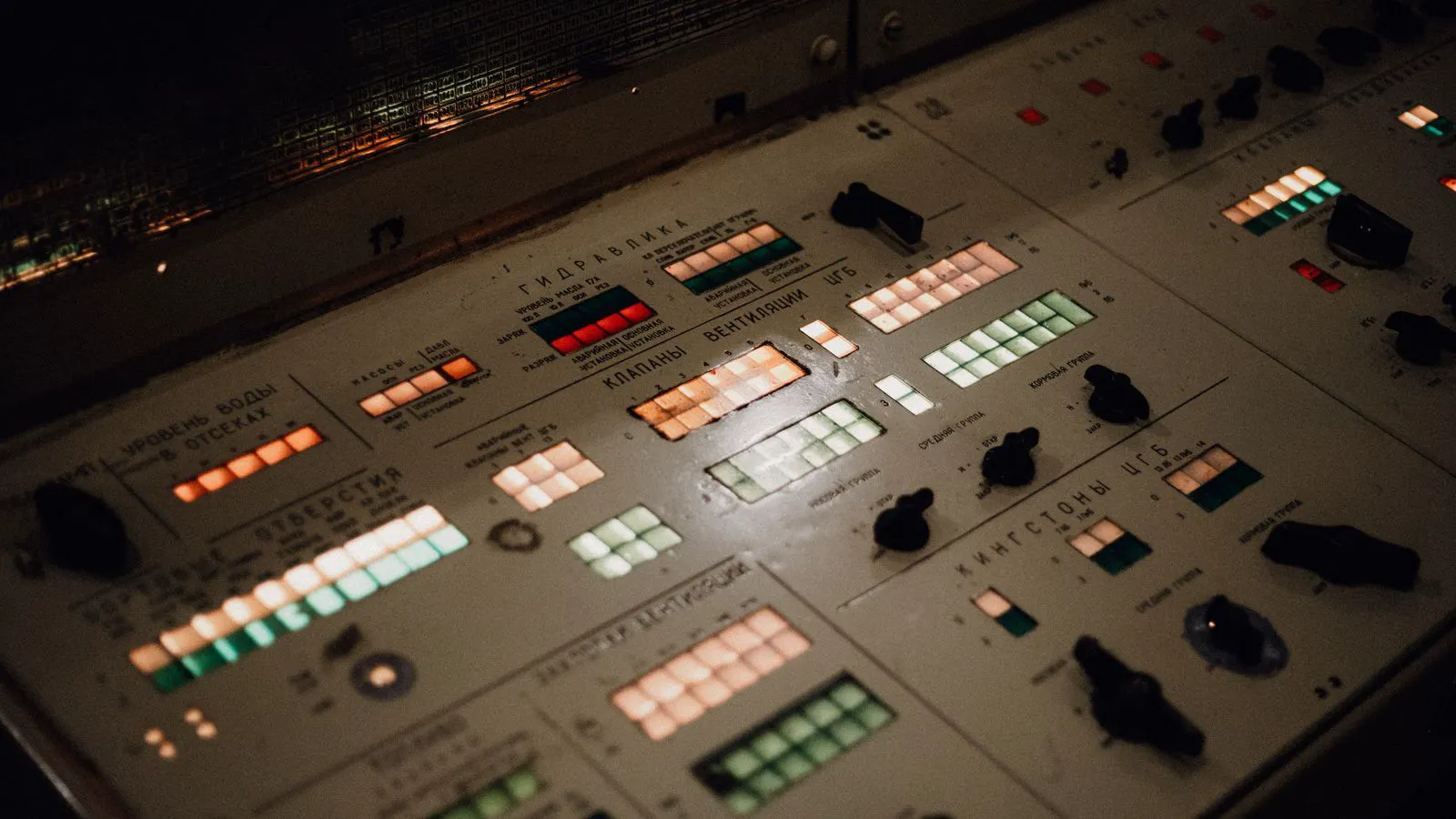
The control system is the “brain” of the dyeing machine. A robust and user-friendly control system is essential for achieving consistent results and maximizing efficiency.
Automation Level
Consider the level of automation you require. Basic machines may require manual adjustment of parameters, while advanced systems can automate the entire dyeing process, including chemical dosing, temperature, time, and agitation. Higher levels of automation can reduce labor costs and minimize human error, leading to more consistent color shades.
Data and Monitoring
Modern control systems often include data logging and reporting features. This allows you to track production data, monitor machine performance, and identify trends. Accessing this data can help in optimizing processes, troubleshooting issues, and ensuring quality control. Look for systems that can integrate with your plant’s broader manufacturing execution system (MES) or enterprise resource planning (ERP) software.
Considering Reliability and Maintenance
Downtime is expensive in a textile plant. The reliability of the dyeing machine and the ease of maintenance are crucial factors in your selection process.
Build Quality and Components
Inspect the quality of the materials used in the construction of the machine. Stainless steel tanks and components are common for their resistance to chemical corrosion. Evaluate the quality of bearings, seals, and motors. High-quality components tend to last longer and require less frequent replacement.
Maintenance Requirements
Ask about the recommended maintenance schedule and the complexity of routine tasks. A machine that is easy to clean and maintain will save time and labor. Consider the availability of spare parts. A good supplier should have a reliable supply chain for critical components to minimize repair times.
How to Make the Final Decision
After evaluating the technical and commercial aspects, you need a structured approach to make the final choice. A decision checklist can help you compare shortlisted machines objectively.
- Confirm Capacity: Does the machine’s capacity meet your peak production requirements with some room for growth?
- Verify Fabric Compatibility: Can the machine handle the specific fiber types and dyeing processes you use?
- Evaluate Efficiency: What are the estimated energy and water consumption rates? How do they compare to your current machines or industry best practices?
- Assess Control System: Is the control system user-friendly, automated to the desired level, and capable of data logging?
- Review Vendor Support: What is the warranty coverage? How responsive is the vendor to service requests? Are spare parts readily available?
- Calculate Total Cost of Ownership: Consider not just the purchase price, but also installation, energy, water, maintenance, and potential downtime costs over the machine’s expected lifespan.
By following this structured evaluation process, you can select a dyeing machine that aligns with your production goals and delivers long-term value to your textile plant.
Frequently asked questions
How do I know what capacity dyeing machine I need?
Calculate your average daily production in kilograms or yards and add a buffer for peak days or future growth. The machine's rated capacity should comfortably exceed this number to ensure smooth operation.
What is the difference between batch and continuous dyeing machines?
Batch dyeing processes a fixed load of fabric in a tank with dye liquor, while continuous dyeing feeds fabric through a series of dye baths. The choice depends on your fabric type, production volume, and desired quality.
How important is energy efficiency in dyeing machine selection?
It is very important. Energy costs can be a significant portion of operating expenses. Efficient machines reduce heat loss and optimize water usage, leading to lower utility bills and a smaller environmental footprint.
Should I prioritize the lowest purchase price or the total cost of ownership?
You should prioritize total cost of ownership. A cheaper machine may have higher energy, water, and maintenance costs, or require more frequent downtime. A more expensive machine with better efficiency and reliability can be more economical over time.
How much water does a modern dyeing machine use?
Water usage varies significantly based on fabric type, dyeing process, and machine design. Modern machines often use lower liquor-to-fabric ratios and may include water recycling systems to reduce consumption. Always ask the vendor for specific water usage data.