Outlook: Digital Control in Textile Finishing Lines
Digital control systems are changing how textile finishing lines operate. Buyers should plan for connected equipment, predictive maintenance, and data-driven process control to reduce waste, improve consistency, and future-proof their production capabilities.
- Connect finishing machines to a central data system early to avoid costly retrofitting.
- Standardize sensor placement and data collection across all finishing equipment.
- Train operators to interpret process data, not just watch indicator lights.
- Plan for cybersecurity as connected finishing equipment expands.
What Changed in Finishing Line Control
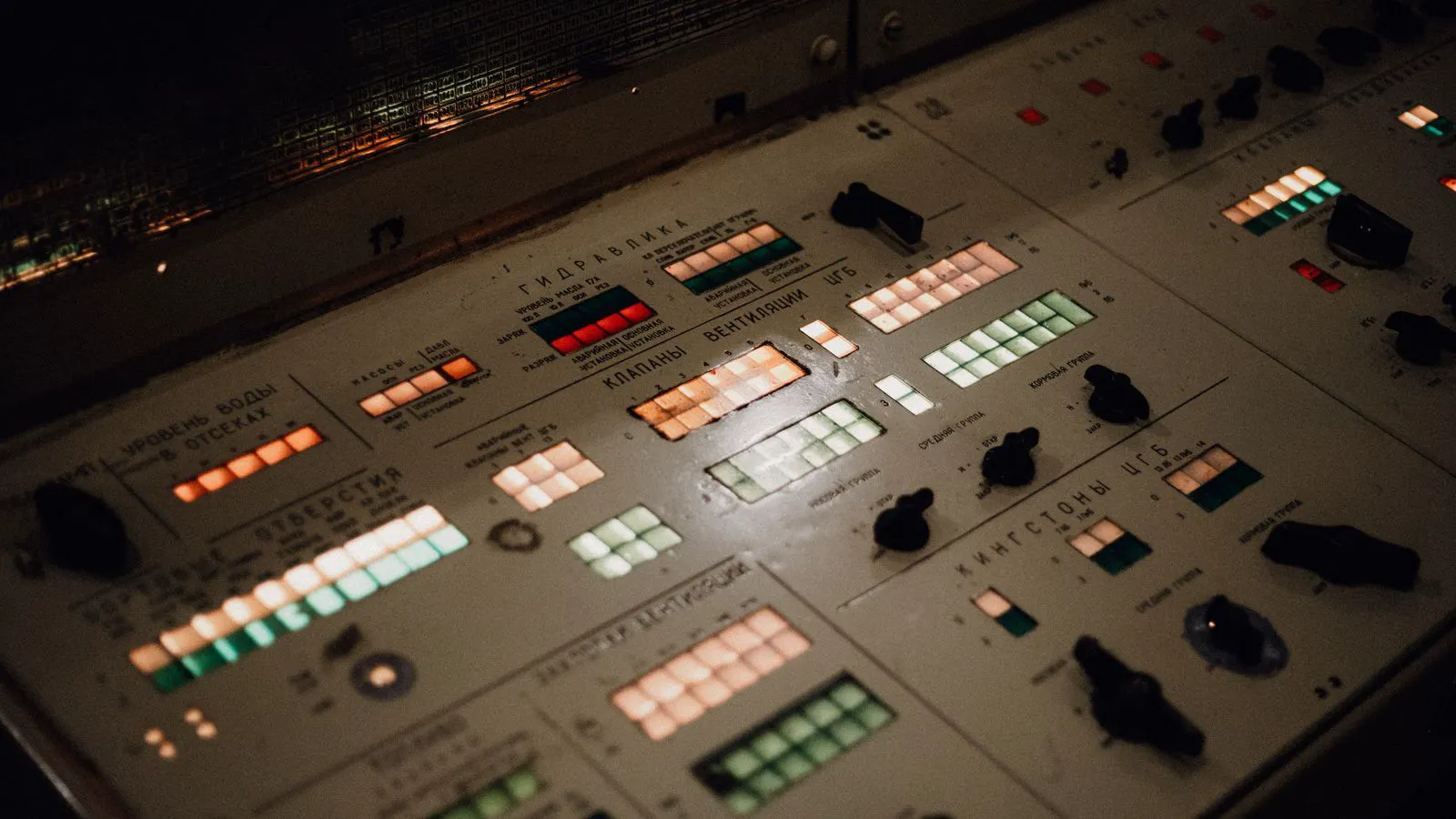
The textile finishing line used to rely on a small set of manual dials, local control panels, and experienced operators who read the fabric by eye. Today, that setup is shifting.
Smart finishing equipment now collects data from every stage of the process. Sensors track temperature, humidity, chemical concentration, fabric speed, and water usage in real time. That data feeds into a central control system that can adjust parameters automatically or alert operators when a value drifts out of range.
The change is not just about automation. It is about visibility. A plant manager can see which machine is running slow, which process is consuming more energy than expected, and which batch of fabric is showing early signs of uneven treatment.
For buyers and engineers, this shift means a different set of planning questions. What equipment should be connected? What data should be captured? How will the line be maintained when every machine reports its own status?
Where Digital Control Creates the Most Value
Finishing lines handle many processes in sequence. Each step depends on the last. A small error in sizing can show up as poor dye uptake later. A misreading in the calendering stage can cause wrinkles that become permanent after drying.
Digital control addresses this dependency chain. When every machine shares data with the next, the system can catch drift before it becomes a defect.
The most common value areas include:
- Consistent chemical dosing across the line
- Real-time temperature and humidity monitoring
- Fabric speed synchronization between machines
- Predictive maintenance alerts based on equipment performance
- Batch-to-batch quality comparison
The value is not just in speed. It is in reducing the gap between what the recipe calls for and what the machine actually delivers.
Five Shifts Buyers Should Plan For
The move toward digital textile finishing is not a single upgrade. It is a series of changes that compound over time. Buyers who plan for these shifts early save money and avoid production disruptions.
1. From Local Panels to Centralized Control
Local panels still exist. They will not disappear. But the center of gravity is moving to a central control room or a cloud-based dashboard.
This shift changes how operators work. Instead of walking the line and checking each machine individually, they monitor trends and exceptions. The system flags problems. The operator investigates.
The practical implication is that plant layout may need adjustment. A dedicated control area with reliable network connectivity becomes a standard requirement.
2. From Reactive Maintenance to Predictive Alerts
Older equipment fails when it fails. Bearings wear, pumps degrade, and motors overheat. Maintenance teams respond after a breakdown or follow a fixed schedule.
Predictive maintenance changes that pattern. Sensors on pumps, motors, and gearboxes track vibration, current draw, and temperature. When a value trends toward failure, the system raises an alert.
This does not eliminate scheduled maintenance. It reduces unnecessary downtime. A pump that still has good bearing life does not need replacement on a calendar.
3. From Operator Memory to Recipe Storage
Experienced operators know how to adjust a finishing line when it starts to behave oddly. That knowledge is valuable but fragile. It lives in one person’s head.
Digital systems capture those adjustments as saved recipes. A recipe includes chemical concentrations, temperatures, speeds, and timing for each machine. When a new operator takes over, they load the recipe and the line runs as intended.
This also supports quality audits. If a customer asks how a specific batch was treated, the plant can pull the exact process data for that run.
4. From Standalone Machines to Connected Systems
Finishing equipment was historically sold and installed as standalone units. Each machine had its own controls and its own data.
The market is moving toward connected systems. Machines from the same plant or even different suppliers can share data through a common network protocol. This allows the line to be managed as one unit rather than a chain of independent machines.
Buyers should ask vendors about communication standards before purchase. Compatibility with existing plant networks and future expansion plans matters more than a single machine’s feature list.
5. From Manual Quality Checks to In-Line Inspection
Quality checking has traditionally happened at the end of the line. Operators inspect finished fabric for color, hand feel, and defects.
In-line inspection adds sensors that monitor fabric as it passes through each stage. Color sensors check consistency during dyeing or printing. Tension sensors detect fabric slippage. Thickness sensors verify coating or sizing levels.
This does not replace final inspection. It shifts detection earlier in the process, where corrections are cheaper and less disruptive.
How to Prepare Your Line for Digital Control
Preparation is not about buying the latest equipment. It is about building the foundation that makes connected systems work.
Start with a data audit. List every machine on the finishing line. Note which machines already have sensors, which have local controllers, and which have no digital output at all. This creates a baseline.
Next, define the data points that matter. Not every sensor reading is useful. Focus on parameters that affect quality, energy use, or equipment health. For a finishing line, that typically includes chemical concentration, temperature, fabric speed, water flow, and electrical current.
Then evaluate the network. A connected finishing line needs reliable connectivity. Wi-Fi may work in small rooms, but industrial Ethernet is more stable for a long production floor. Plan cabling and network capacity before equipment arrives.
Operator training is often underestimated. New control interfaces require different skills than manual dials. Operators need to understand what the data means, how to respond to alerts, and how to interpret trend graphs.
Finally, document everything. Save recipes, record maintenance alerts, and keep logs of process adjustments. This documentation becomes the plant’s operational memory.
What to Look For in Smart Finishing Equipment
When evaluating smart finishing equipment, focus on practical integration capability rather than a long feature list.
The table below summarizes the key areas to assess before purchase.
| Evaluation Area | What to Check | Why It Matters |
|---|---|---|
| Sensor Coverage | Which parameters are monitored and at what frequency | Determines how quickly the system can detect drift |
| Communication Protocol | Whether the machine uses a standard industrial protocol | Affects compatibility with existing plant networks |
| Recipe Management | How many recipes can be stored and how easily they can be loaded | Supports batch consistency and operator handoff |
| Maintenance Alerts | What triggers an alert and how far in advance the warning appears | Influences unplanned downtime risk |
| Data Export | Whether process data can be exported to a central system | Enables plant-wide reporting and quality audits |
| User Interface | How operators view trends, alerts, and machine status | Affects adoption and response time |
Do not assume that more sensors equal better control. A line with ten sensors but no way to act on the data will still rely on manual checks. The value is in the loop: sensing, deciding, adjusting.
What to Expect Over the Next Several Years
The pace of change in finishing control is steady, not explosive. New sensors, better connectivity, and improved software will continue to make connected finishing lines more common.
Buyers should expect three broad trends.
First, equipment vendors will offer digital packages more routinely. A finishing machine will come with a basic data interface and a subscription option for advanced analytics. The baseline for a new machine will include connectivity.
Second, cross-machine coordination will improve. Today, a central system can monitor the line. In the near term, machines will adjust to each other more automatically. If the calendering speed changes, the downstream dryer will adjust its temperature without operator input.
Third, data will become a standard part of quality documentation. Customers and auditors will increasingly expect process data, not just final inspection reports. Plants that capture and store this data will find it easier to meet requirements.
The plants that prepare now will not just adopt new technology. They will build a data foundation that supports every future upgrade.
A Practical Starting Point
The most common mistake is treating digital control as an IT project. It is an operations project first. The control system only works if the process parameters are well defined and the operators trust the data.
Start with one process on the line. A sizing stage, a dyeing stage, or a calendering stage. Connect the sensors, define the recipe, and track performance for a few months. Learn how the data behaves. Then expand.
The goal is not to replace the operator. It is to give the operator better information and fewer interruptions. When the line runs cleanly, the operator can focus on exceptions and improvement.
That is the practical shift behind textile finishing automation. The equipment gets smarter. The process gets tighter. The plant gets more predictable.
Frequently asked questions
Do I need to replace my entire finishing line to adopt digital control?
No. Many lines can start with selective upgrades. Connect the highest-impact machines first, such as chemical dosing units, dryers, or calenders, before considering a full line replacement.
How long does it take to see benefits from connected finishing equipment?
Basic benefits like better visibility and reduced manual checks can appear within weeks of installation. Predictive maintenance and recipe consistency benefits typically build over months of accumulated data.
What is the biggest barrier to adopting textile finishing automation?
Inconsistent data quality and operator hesitation. If sensors drift or operators do not trust the readings, the system will not deliver its value. Calibration and training are as important as the hardware.
Can digital control help with energy use on a finishing line?
Yes. Real-time monitoring of dryer temperatures, fan speeds, and steam usage makes it easier to identify waste. Adjusting parameters based on actual fabric load and ambient conditions reduces unnecessary energy consumption.
How should I handle cybersecurity for connected finishing equipment?
Treat the finishing line as part of the plant network. Use dedicated network segments, limit access to authorized users, and keep firmware updated. The risk is higher when machines connect to the same network as office systems.