Checklist for Verifying Dyeing Machine Water Usage
A dyeing water usage audit requires checking flow meters, reviewing dye liquor ratios, and tracing leaks. Use this practical checklist to verify consumption, identify waste, and improve machine efficiency across your textile finishing and dyeing operations.
- Verify water consumption by comparing meter readings against the theoretical volume based on fabric weight and liquor ratio.
- Inspect all valves, hoses, and steam traps for slow leaks that skew the data and waste water.
- Record cycle parameters including temperature, time, and machine type to make efficiency comparisons between batches.
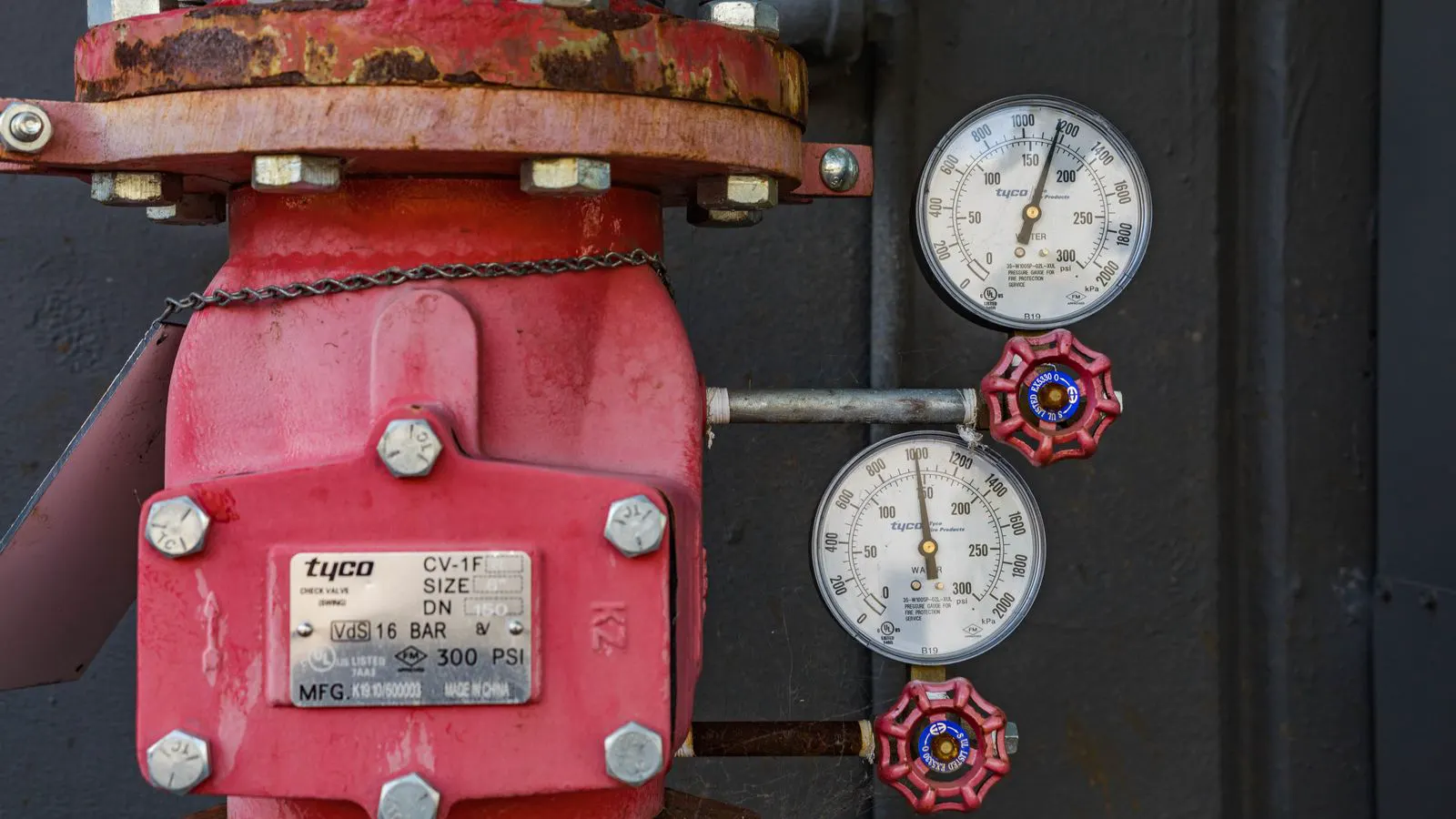
- Check the calibration status of flow meters and pressure gauges before trusting the numbers.
- Review the water return system to ensure condensate and wash water are being recycled where possible.
Why a Dyeing Machine Water Usage Audit Matters
A dyeing machine water usage audit separates operational waste from normal process requirements. Without it, plant managers often rely on estimates or utility bills, which mix heating, cooling, and domestic water into a single number. This makes it impossible to identify which machine or process step is driving high consumption.
For professional buyers and engineers, the audit serves two purposes. First, it provides a baseline for comparing different machines or process changes. Second, it supports textile water management by highlighting where leaks or incorrect liquor ratios create unnecessary demand. The focus is on the machine itself, not just the final output.
Pre-Audit Preparation and Site Setup
Before running any cycle, the site must be prepared. The goal is to isolate the water usage of the target machine from other processes in the plant.
- Identify the specific machine and its associated flow meter.
- Isolate the water supply to the machine using the main isolation valve.
- Check the pressure gauge at the inlet for stability.
- Ensure the floor drain and return pipes are clear of debris.
- Record the initial meter reading in a logbook.
- Confirm that the batch ticket for the planned dye lot is available.
If the flow meter is a mechanical dial type, ensure the pointer is at zero. If it is a digital display, perform a reset if the manufacturer allows it. A pre-audit setup error here can skew the entire dataset by several percent.
Checking Flow Meters and Pressure Systems
The flow meter is the primary source of truth for water consumption in dyeing. However, mechanical meters can drift, and pressure drops can affect the actual volume delivered during a cycle.
- Verify the calibration date of the flow meter. Look for a calibration sticker or a record in the maintenance log.
- Inspect the meter for visible damage or condensation inside the housing.
- Check the pressure gauge at the inlet. The reading should be stable before the cycle starts.
- Compare the inlet pressure to the machine manual specifications. Low pressure, such as a condition described in fixing low dyeing machine water inlet pressure, reduces the volume delivered per unit of time.
- Record the inlet pressure at the start, middle, and end of the cycle.
A common mistake is assuming the flow meter is accurate because it was installed years ago. Meters that have not been serviced may read high or low. If the reading is inconsistent with the theoretical volume, the meter itself is likely the problem, not the process.
Calculating Theoretical Water Consumption
To verify the data, you need a baseline. The theoretical water consumption is calculated from the fabric weight and the required liquor ratio.
- Weigh the total fabric load for the batch.
- Determine the liquor ratio required for the dye chemistry.
- Multiply the fabric weight by the liquor ratio to get the total theoretical volume.
- Account for any additional water for washing, rinsing, or pre-treatment steps.
For example, if a batch weighs 2,000 kilograms and the liquor ratio is 1:20, the theoretical volume for the dye bath is 40,000 liters. Add the volume for the final rinse if it is separate. This number is your benchmark. Any significant deviation from this figure indicates a process issue or a measurement error.
| Parameter | Example Value | Purpose in Audit |
|---|---|---|
| Fabric Weight | 2,000 kg | Base for volume calculation |
| Liquor Ratio | 1:20 | Determines dye bath volume |
| Theoretical Volume | 40,000 L | Benchmark for comparison |
| Measured Volume | 42,500 L | Actual meter reading |
| Deviation | +6.25% | Indicates potential leak or meter drift |
Inspecting the Machine for Leaks and Waste
Even if the meter is accurate, the machine can waste water through leaks or inefficient cycles. A physical inspection is part of the audit.
- Check the inlet valve for drips when the valve is closed.
- Inspect the machine lid and gaskets for moisture during the cycle.
- Look for water pooling around the exhaust valve area.
- Check the return pipe for condensation that indicates a leak.
- Listen for hissing sounds near steam traps and pressure vessels.
Red flags include water dripping from the inlet valve even when the cycle is not running. This is a direct leak. Another red flag is a machine that requires more water than the theoretical volume, but the flow meter shows a normal rate. This suggests the cycle is running longer than necessary, or the fill valve is not closing properly.
Reviewing Cycle Records and Machine Settings
The machine controller stores data for each cycle. Reviewing this data helps identify if the operator settings are causing high water usage.
- Check the fill time recorded in the batch log.
- Compare the fill time to the standard operating procedure.
- Review the temperature and time for each step.
- Check if the machine used a higher liquor ratio than planned.
- Look for any error codes related to water level or pressure.
If the fill time is longer than the standard, the inlet valve may be sticking, or the flow rate may be lower than expected. A longer cycle also increases water loss through evaporation and heat transfer. For dyeing machine efficiency, a shorter and more accurate fill time is a key indicator.
Analyzing Results and Identifying Action Items
Once the data is collected, compare the measured volume to the theoretical volume. Calculate the deviation percentage.
- Deviation under 2% is generally acceptable for a well-maintained machine.
- Deviation between 2% and 5% requires monitoring.
- Deviation over 5% requires investigation.
If the deviation is high, cross-reference with the physical inspection results. If the meter reads high but there are no visible leaks, the meter may be faulty. If there are leaks, repair the machine before running further cycles. Document the findings in a report. Include the meter ID, machine ID, batch ID, and the calculated deviation.
Maintaining a Continuous Audit Cycle
A single audit is a snapshot. To manage water consumption in dyeing effectively, the audit should become a routine part of maintenance.
- Schedule a full audit quarterly for each machine.
- Perform a quick meter check monthly.
- Review the utility bill monthly to spot anomalies.
- Keep a log of all repairs related to water systems.
- Train operators to record any unusual sounds or leaks.
This approach supports textile water management by making the data reliable and actionable. It also helps when evaluating new equipment. If you are comparing the cost and lead time for new dyeing machines, knowing the baseline water usage of the current line makes the return on investment clearer. A new machine with a lower theoretical requirement or better leak resistance will show a reduction in the audit data within the first few cycles.
Common Mistakes to Avoid
- Trusting the meter without checking the pressure.
- Forgetting to account for wash water in the calculation.
- Ignoring small leaks because they are only a few liters per hour.
- Not recording the fabric weight accurately.
- Comparing different machine types without adjusting for size and capacity.
A dyeing water usage audit is a practical tool. It does not require complex software, but it does require discipline. The data is only useful if the steps are followed consistently. By verifying the meter, checking the machine, and reviewing the records, you can identify where water is being lost and how to improve the efficiency of the dyeing line.
Frequently asked questions
How often should I calibrate the flow meter on a dyeing machine?
Calibrate the flow meter at least once a year, or after any major repair to the water supply line. If the reading deviates significantly from the theoretical volume, calibrate it immediately.
What is a typical liquor ratio for dyeing?
The liquor ratio varies by dye type and fabric. It can range from 1:8 to 1:40. Always use the ratio specified in the dyeing recipe for the specific batch.
Can I use the utility bill to check water usage?
The utility bill is too broad because it includes heating, cooling, and domestic water. Use the machine-specific flow meter for accurate data on dyeing water usage.
What should I do if the inlet pressure is low during a cycle?
Check if the pressure is low due to a plant-wide issue or a blockage in the machine inlet. If it is a blockage, clean the filter or strainer. If it is a plant issue, coordinate with the water supply team.
Does the type of machine affect the audit?
Yes. Batch machines and continuous machines have different water flow patterns. A batch machine fills and drains in distinct steps, while a continuous machine has a steady flow. Adjust the audit method to match the machine type.