Explained: Dyeing Machine Water Consumption
Dyeing machine water usage depends on machine type, fabric load, dye chemistry, and rinsing needs. Tracking each stage helps mills reduce waste and manage textile water usage during sourcing and operation.
- Water usage in dyeing is driven by machine type, batch size, and rinse cycles.
- Load factor directly affects how much water is needed per kilogram of fabric.
- Rinsing and fixing steps often use more water than the dye bath itself.
- Tracking water per stage helps mills compare machinery and reduce waste.
- Simple checks on inlet pressure and cycle timing can lower consumption without changing quality.
What Is Water Usage in Dyeing
Water usage in dyeing is the total volume of water a machine draws during dyeing, rinsing, and finishing. It is not a static figure. It shifts based on machine type, fabric thickness, dye chemistry, and the number of rinse cycles.
A typical batch dyeing machine uses water in several distinct stages. The dye bath requires a set ratio of water to fabric. Rinsing after dyeing often uses more water than the dye bath itself. Fixing agents and neutralization steps add to the total.
When buyers compare machines, they often focus on tank capacity. That is useful, but it does not tell the full story. A larger tank can use more water if the load factor is low. A smaller tank can be efficient if it runs at full capacity.
How Dyeing Machines Consume Water
Dyeing machines consume water through four main processes.
- The dye bath. Water is heated and mixed with dye. The ratio of water to fabric determines the concentration of dye.
- Rinsing. After dyeing, fabric is rinsed to remove undyed dye. This stage uses large volumes of water.
- Fixing and neutralization. Chemicals are added to make the color fast. Water is used to dissolve and apply these agents.
- Washing before dyeing. Some fabrics require a pre-wash to remove starch or sizing. This adds water usage before the dye bath even begins.
Each stage has different water needs. The dye bath is controlled by recipe. Rinsing is often the largest consumer. Fixing depends on the dye type. Pre-washing depends on the fabric condition.
In practice, the dye bath is the most controlled phase. The operator sets the temperature and the water level. The water must be hot enough to open the fiber structure but not so hot that it degrades the dye. The machine circulates this water through the fabric to ensure even uptake. The volume is usually calculated based on the weight of the fabric in the tank.
Rinsing is where the water usage spikes. After the dye bath, the fabric holds excess dye in the fiber and on the surface. Rinsing removes this excess. The water runs through the fabric in a series of cycles. Each cycle removes a portion of the remaining dye. The water leaves the machine carrying dissolved dye and is typically discharged to a treatment plant or a recovery system.
Fixing and neutralization are often overlooked in water calculations. After the dye has bonded with the fiber, the bath needs to be neutralized. Alkali is added during dyeing to help the dye react. After the cycle, acid is added to bring the pH back to neutral. This process uses a specific volume of water to dissolve the acid and rinse the fabric. It is a fixed volume in most standard recipes.
Pre-washing is a separate step that many mills include. New fabrics often arrive with sizing agents from the weaving mill. These agents block the fiber and prevent even dyeing. A pre-wash removes this sizing. The water used here is not part of the dyeing cycle but is part of the overall water footprint for that batch of fabric.
Key Factors That Influence Dyeing Machine Water Usage
Several factors control how much water a machine uses per batch.
Machine Type
Batch dyeing machines use water in fixed cycles. Each cycle is set by the operator. Continuous dyeing machines use water differently. They run a constant flow of dyed fabric through a small bath. The water is recirculated.
Batch machines are flexible. They can handle different fabric widths and colors. Continuous machines are efficient for long runs of the same color. The choice affects water usage significantly.
In a batch machine, the water stays in the tank. The fabric moves through the water as the tank agitates. The water volume is constant for the entire dye bath. In a continuous machine, the fabric moves continuously. The water is recirculated and filtered. The water is only replaced when the dye concentration drops or when the fabric is rinsed. Continuous machines generally use less water per kilogram of fabric, but they require a consistent supply of fabric and a stable dye recipe.
Load Factor
Load factor is the ratio of fabric weight to machine capacity. A machine rated for 500 kilograms of fabric uses less water per kilogram when loaded to 500 kilograms than when loaded to 200 kilograms.
The water volume in the dye bath is set by the recipe. If the recipe calls for 10,000 liters of water, the machine uses that amount regardless of load. But if the fabric weight is low, the water per kilogram rises.
This is why underloading is a common mistake. It wastes water and increases energy use.
The load factor also affects the quality of the dyeing. If the tank is too full, the fabric is compressed. The water cannot circulate properly. The dye cannot penetrate the fabric evenly. This leads to shade variations. If the tank is too empty, the fabric moves too freely. The dye bath is diluted too quickly. The color is uneven.
The ideal load factor depends on the machine design and the fabric type. For heavy fabrics, a lower load factor may be needed to allow water circulation. For light fabrics, a higher load factor may be possible. The operator must balance water usage with dyeing quality.
Fabric Type
Thick fabrics like denim and canvas hold more dye. They need more rinse cycles to remove excess dye. Thin fabrics like jersey dye faster and rinse quicker.
The fabric construction also matters. Knitted fabrics often have more surface area than woven fabrics. They absorb dye differently. This changes the water needed for even color.
Denim is a good example. It is thick and has a coarse surface. It holds a lot of dye. The water needs to penetrate the thick yarns. This requires a longer dye bath time and often more rinse cycles. The water per kilogram is higher than for a thin cotton jersey.
Jersey is thin and has a fine surface. It dyes quickly. The water penetrates easily. The dye bath time is shorter. The rinse cycles can be fewer. The water per kilogram is lower.
The fabric finish also matters. A fabric with a high starch content requires more water to remove the starch before dyeing. A fabric with a low starch content requires less water. The operator must adjust the pre-wash cycle based on the fabric condition.
Dye Chemistry
Different dyes require different water ratios. Reactive dyes often use higher water ratios than vat dyes. Acid dyes may need less water but require precise temperature control.
The dye lot size also matters. A small batch of bright color may need more water to dilute the dye evenly. A large batch of dark color may use less water per kilogram.
Reactive dyes are popular for cotton. They bond with the fiber at high pH. They require a high water to fabric ratio to ensure even dye uptake. The water must be hot and alkaline. The dye bath is large. The water per kilogram is high.
Vat dyes are used for indigo and other dark colors. They reduce the dye to a soluble form. The fabric is dyed in a reduced state. The water to fabric ratio is lower than for reactive dyes. The water per kilogram is lower.
The dye concentration also affects water usage. A high concentration of dye requires more water to dilute the dye evenly. A low concentration of dye can use less water. The operator must calculate the water volume based on the dye type and the desired shade.
Rinse Cycles
Rinsing is the biggest source of water usage in most dyeing operations. The number of rinse cycles depends on the quality of the final fabric.
A garment mill may require three rinse cycles to remove all excess dye. A home textile mill may accept two cycles if the fabric is not for skin contact.
Each rinse cycle adds a fixed amount of water. Reducing cycles from three to two can lower water usage without changing the dye bath.
The quality of the rinse water matters. The rinse water must be clean enough to remove the excess dye. If the water is dirty, the dye deposits on the fabric. The fabric looks dull and uneven. The operator must monitor the rinse water. If the water is too dirty, an extra rinse cycle is needed.
The temperature of the rinse water also matters. Hot water helps to remove the dye. Cold water may not remove the dye effectively. The operator must set the rinse temperature based on the dye type and the fabric condition.
A Worked Example in Plain Words
A batch dyeing machine has a tank that holds 12,000 liters of water. The machine is loaded with 400 kilograms of 100% cotton twill. The dye recipe calls for a water to fabric ratio of 20 to 1.
The dye bath uses 8,000 liters of water. The machine then runs three rinse cycles. Each rinse cycle adds 2,000 liters of water. The total water used is 14,000 liters.
Now compare this to a scenario where the machine is loaded with 600 kilograms of the same fabric. The dye bath still uses 8,000 liters because the recipe is based on water to fabric ratio. But the water per kilogram drops. The rinse cycles remain the same because the fabric type and quality requirement are unchanged.
The difference is clear. Underloading wastes water. Overloading can cause uneven dyeing. The sweet spot is a load that matches the machine capacity and the dye recipe.
In the first scenario, the water per kilogram is 35 liters. In the second scenario, the water per kilogram is 23 liters. The second scenario is more efficient. The operator can run the machine at a higher load factor without compromising the dyeing quality.
The operator must also consider the energy use. Heating 8,000 liters of water to 60 degrees Celsius requires a certain amount of energy. If the load factor is low, the energy per kilogram of fabric is higher. The operator must balance water usage with energy usage.
How to Track and Reduce Water Usage in Dyeing
Mills can reduce water usage by tracking it stage by stage.
- Record the water used for the dye bath per batch.
- Record the water used for each rinse cycle.
- Record the water used for fixing and neutralization.
- Compare the data across machines and operators.
- Adjust rinse cycles where quality allows.
A simple log book or a basic software tool can work. The goal is to see where water is spent. Often, the largest savings come from reducing rinse cycles or improving load factor.
The tracking system must be simple. The operator must be able to record the data quickly. A digital meter on the water inlet can help. The meter records the total water used per batch. The operator enters the fabric weight and the dye type. The software calculates the water per kilogram.
The data must be reviewed regularly. The mill manager should look at the data weekly. They should identify batches with high water usage. They should investigate the cause. It may be a low load factor. It may be an extra rinse cycle. It may be a faulty meter.
The goal is to find the best balance between water usage and quality. The mill should not reduce water usage at the cost of quality. The data should guide the operator to the optimal settings.
Common Mistakes in Dyeing Water Management
- Running machines at low load factor. This increases water per kilogram.
- Using too many rinse cycles. This wastes water without improving quality.
- Not cleaning the tank regularly. Residue changes water chemistry and requires more rinsing.
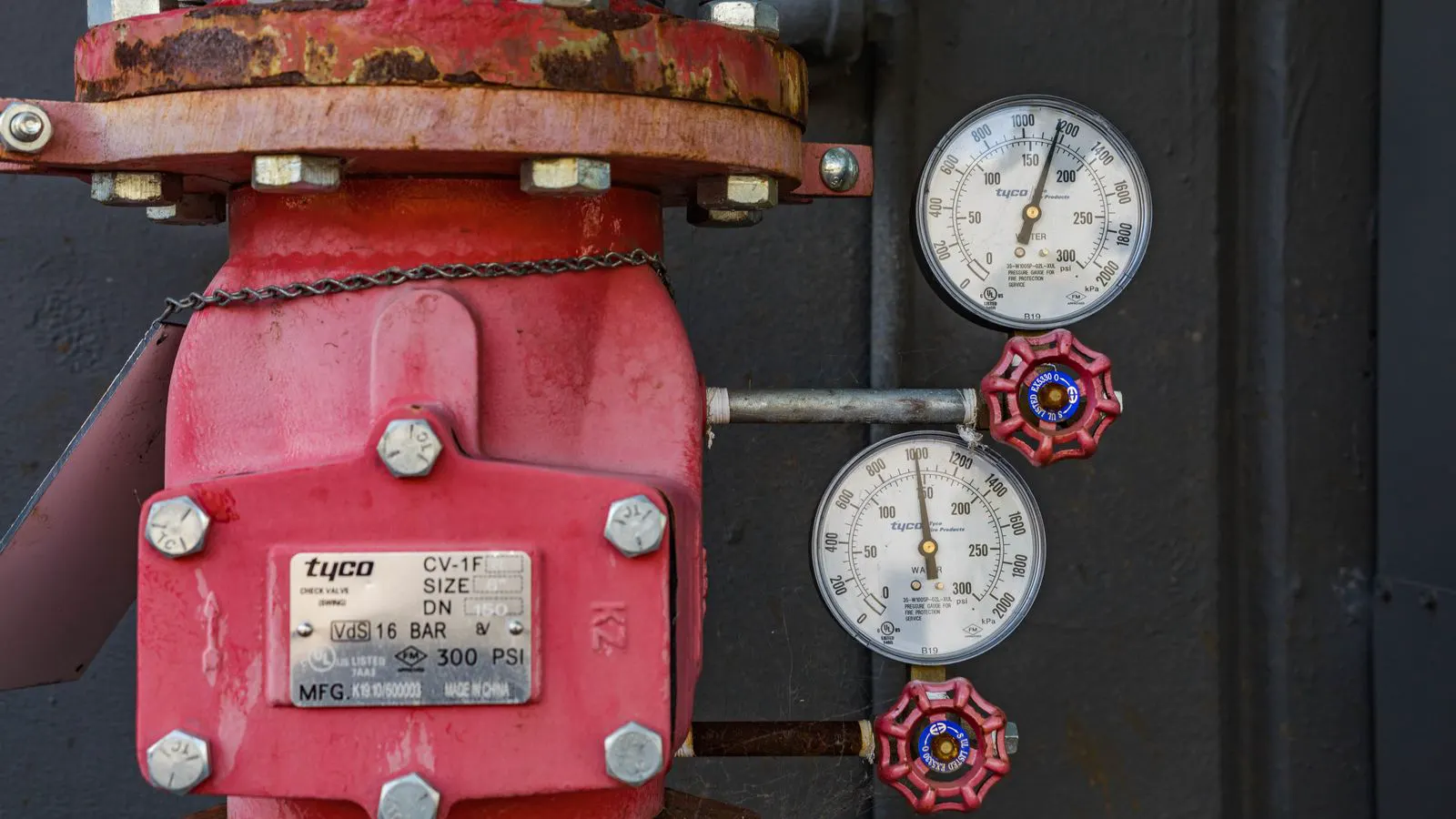
- Ignoring inlet pressure. Low pressure can cause uneven dyeing and longer cycles.
- Not training operators. Operators set the cycles. They must understand the impact of each setting.
A small change in operator training can reduce water usage. A clear checklist at the machine can help.
The tank must be cleaned regularly. Residue from previous dyeing cycles can accumulate on the tank walls. The residue changes the water chemistry. The dye may not penetrate the fabric evenly. The rinse cycles may not remove the excess dye. The operator must clean the tank after each color change or after a certain number of batches.
The inlet pressure must be checked. Low pressure can cause the water to flow slowly. The dye bath may not mix properly. The dye may not penetrate the fabric evenly. The operator must increase the cycle time to compensate. This uses more water and energy.
The operators must be trained. They must understand the impact of each setting. They must know how to calculate the water per kilogram. They must know when to adjust the rinse cycles. The training should be practical. The operators should practice the calculations on the machine.
How Water Usage in Dyeing Affects Sourcing Decisions
When buying a dyeing machine, water usage is a key factor. But it is not the only one.
Buyers should compare:
- Tank capacity and minimum load.
- Number of rinse cycles and their duration.
- Dye bath water ratio and how it is set.
- Water recovery and reuse options.
- Energy use per cycle.
A machine with a smaller tank may be more efficient for small batches. A larger tank may be better for high-volume operations. The best choice depends on the fabric mix and the mill’s water constraints.
Textile water management is not just about saving water. It is about quality, consistency, and compliance. A machine that uses less water but produces uneven dyeing is not a good choice.
The buyer must consider the fabric mix. If the mill dyed mostly denim, a large tank is needed. If the mill dyed mostly jersey, a smaller tank may be sufficient. The buyer must consider the water constraints. If the mill has a limited water supply, a machine with a lower water per kilogram is needed.
The buyer must also consider the compliance requirements. The mill must meet the local water discharge standards. The machine must have a water recovery system. The recovery system reduces the water discharge. The machine must have a good filtration system. The filtration system removes the excess dye from the rinse water.
Final Thoughts
Water usage in dyeing is a combination of machine design, operator skill, and fabric requirements. There is no single number that applies to all mills. The goal is to understand the factors and track the data.
By focusing on load factor, rinse cycles, and dye chemistry, mills can reduce water usage without sacrificing quality. The data from each batch is the best tool for improvement.
Frequently asked questions
How is water usage in dyeing measured?
It is measured in liters per kilogram of fabric. This ratio shows efficiency and helps compare machines and batches.
Can rinse cycles be reduced to save water?
Yes, if the final fabric meets quality standards. Reducing rinse cycles lowers water usage and shortens cycle time.
Does fabric type change water usage?
Yes. Thick fabrics like denim need more rinse cycles. Thin fabrics like jersey dye faster and use less water.
What is the best machine for low water usage?
It depends on the fabric mix. Continuous dyeing machines are efficient for long runs. Batch machines are flexible for varied colors.
How can a mill start tracking water usage?
Start with a simple log. Record water used for each stage per batch. Compare data across machines and operators to find savings.