Automation
Buying Guide: Selecting Robotic Arms for Fabric Handling
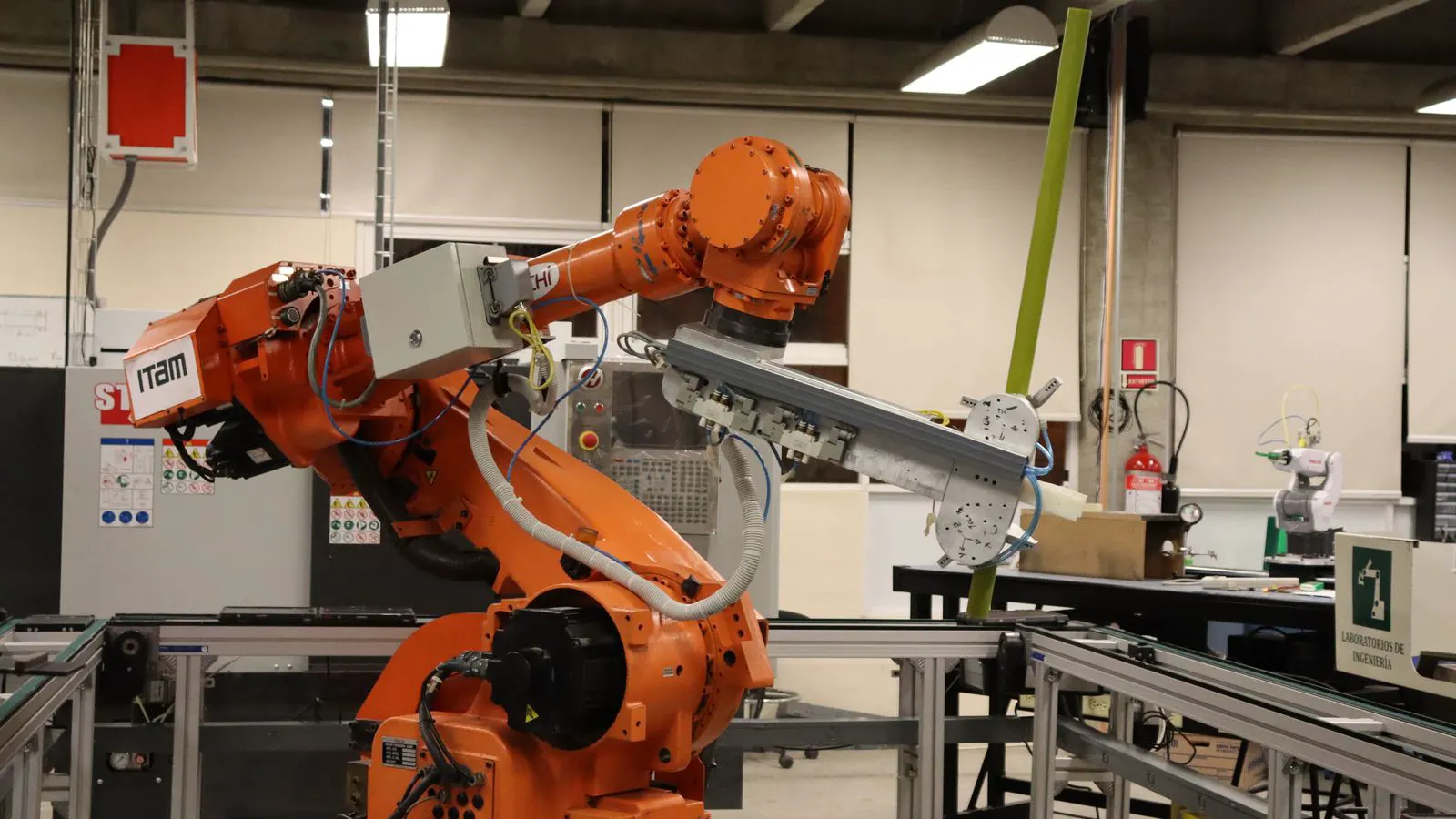
Procurement managers must evaluate payload capacity, reach, end effector design, speed, and integration capabilities. The right robotic arm must handle soft, irregular
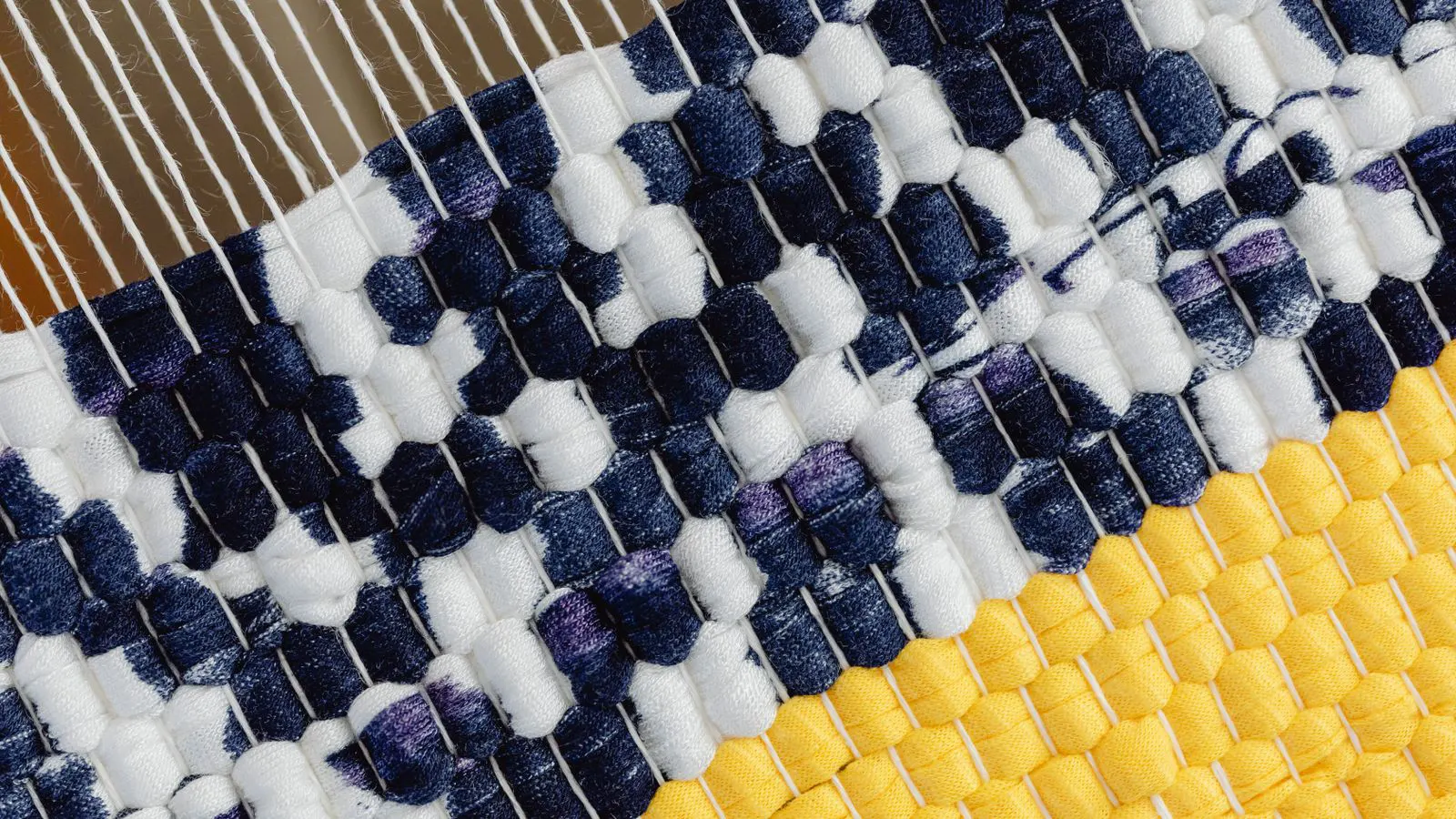
Overview of textile automation solutions, robotic handling, and process integration for modern manufacturing plants.
Procurement managers must evaluate payload capacity, reach, end effector design, speed, and integration capabilities. The right robotic arm must handle soft, irregular
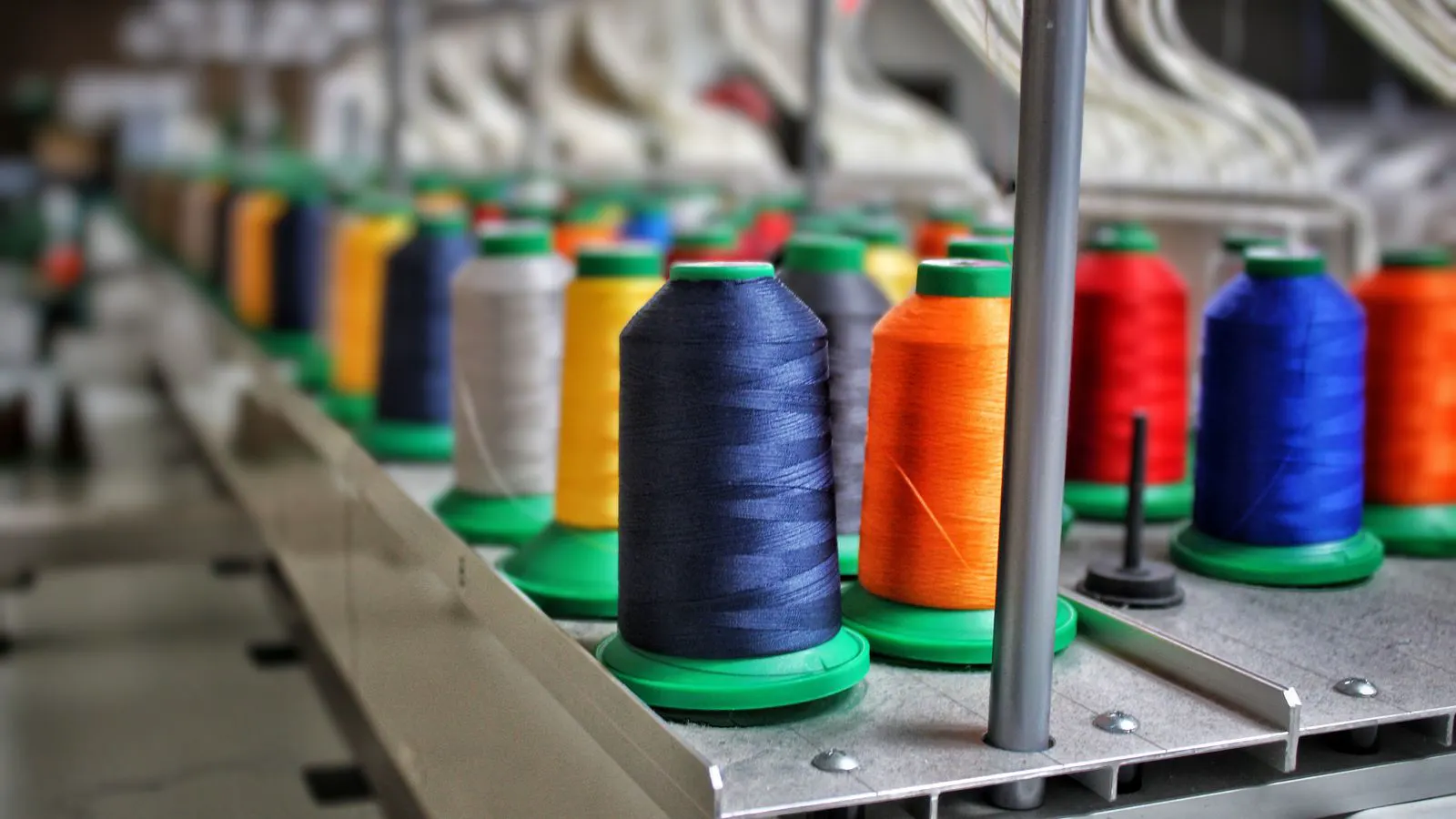
IoT sensors enable process integration by converting machine output into shared data. This connectivity allows separate textile units to communicate, coordinate, and
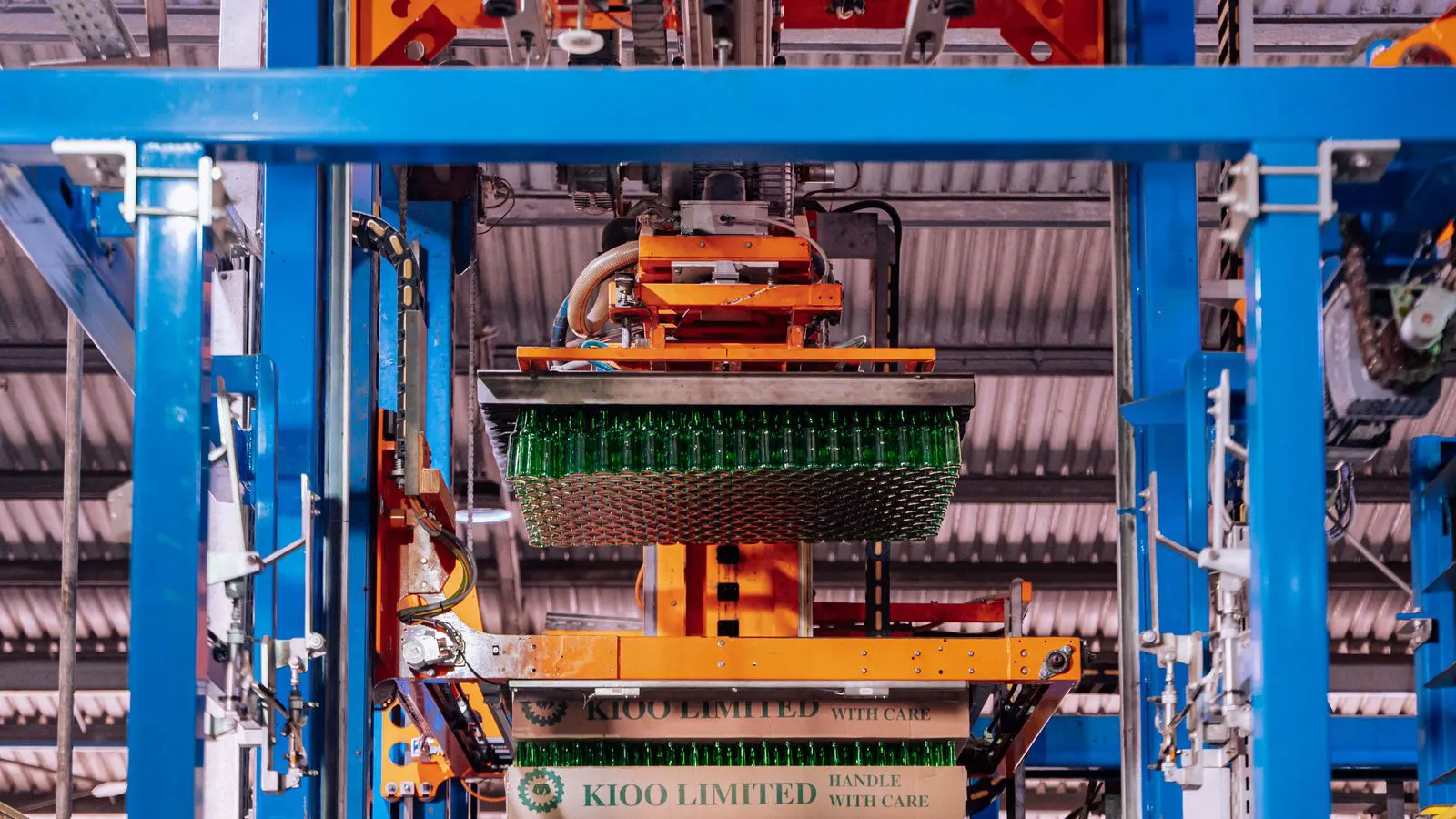
Engineers diagnose inaccurate load cells by verifying signal integrity, mechanical mounting, and software calibration. A systematic check of the palletizer's sensing
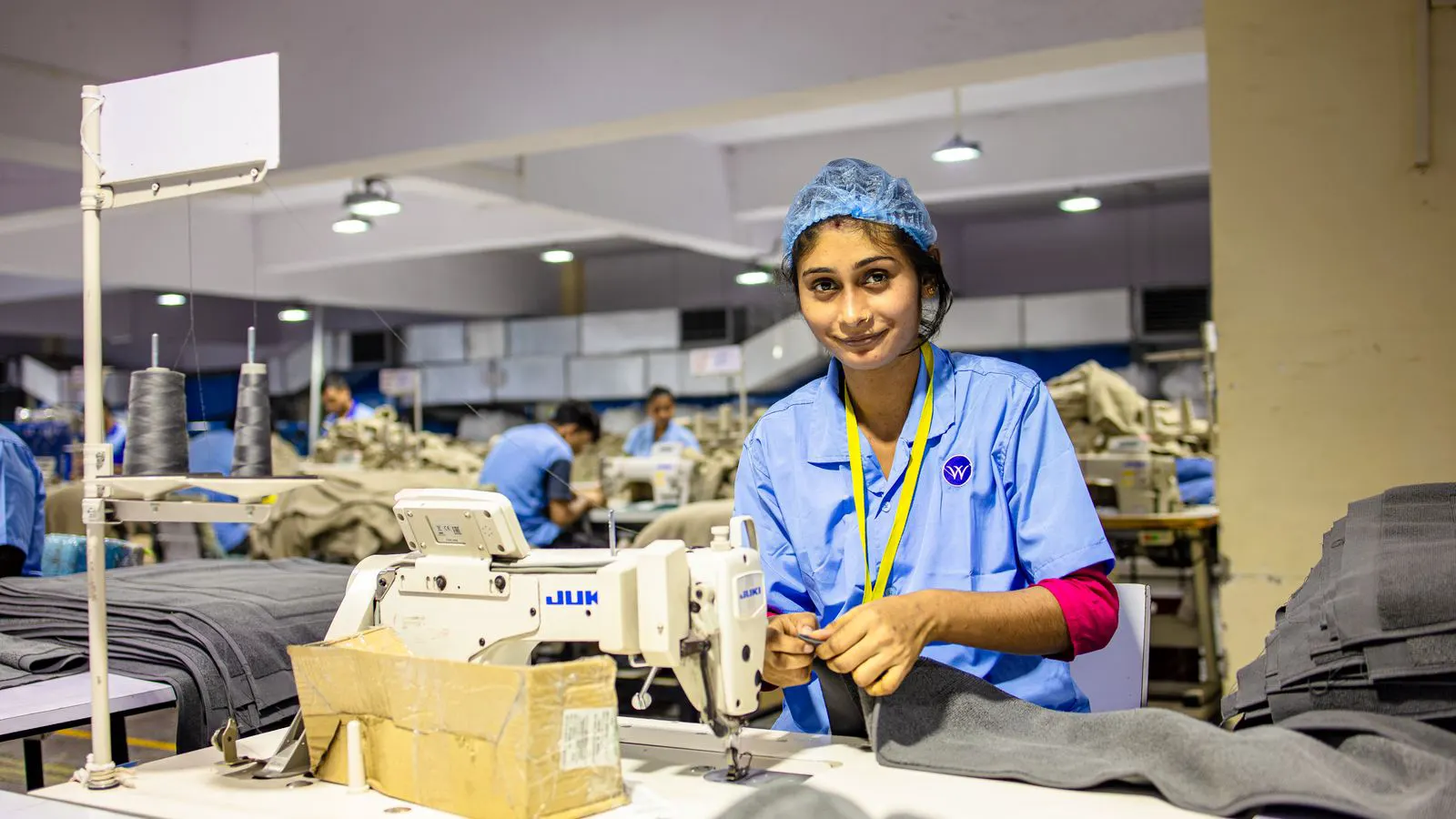
Collaborative robots in garment finishing handle repetitive, heavy, or hazardous manual tasks with greater consistency than human operators. They integrate with existing
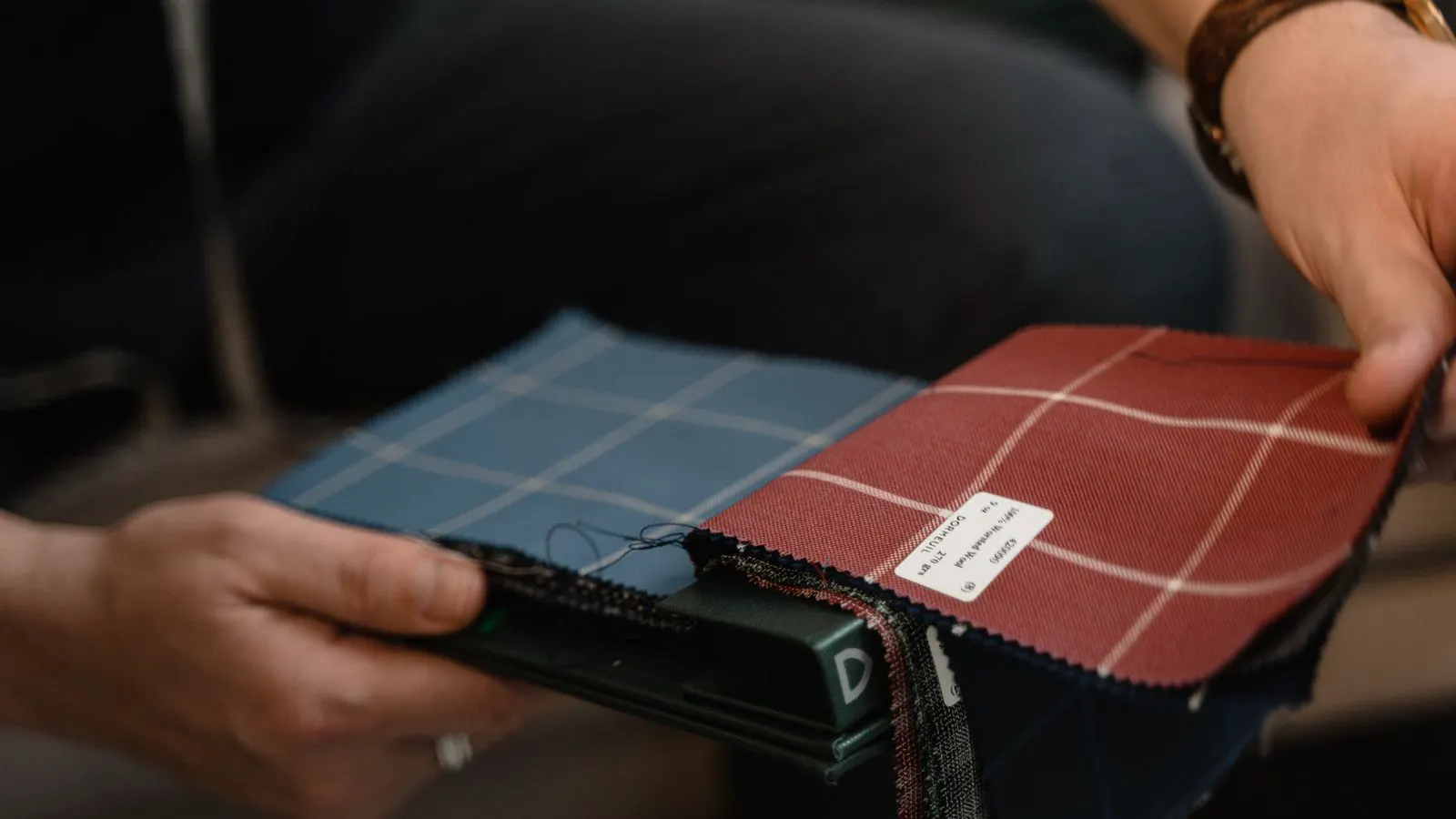
Before approving a new robotic gripper for fabric, verify load capacity, pinch dimensions, grip force, sensor integration, and cycle speed. Test with real material
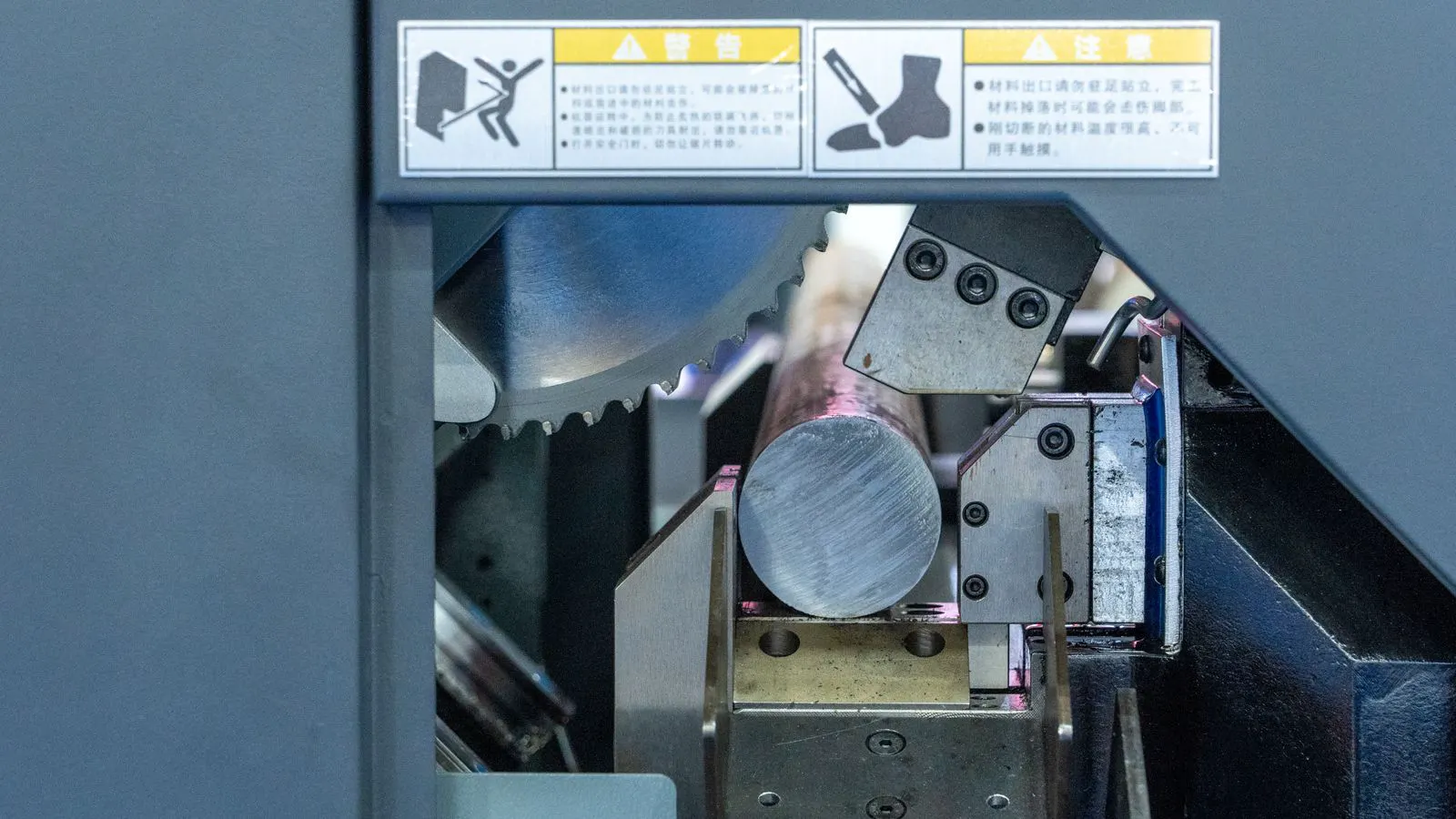
Automated garment cutting replaces manual blade work with computer-guided systems. It improves cutting table efficiency and production speed. The trade-off involves
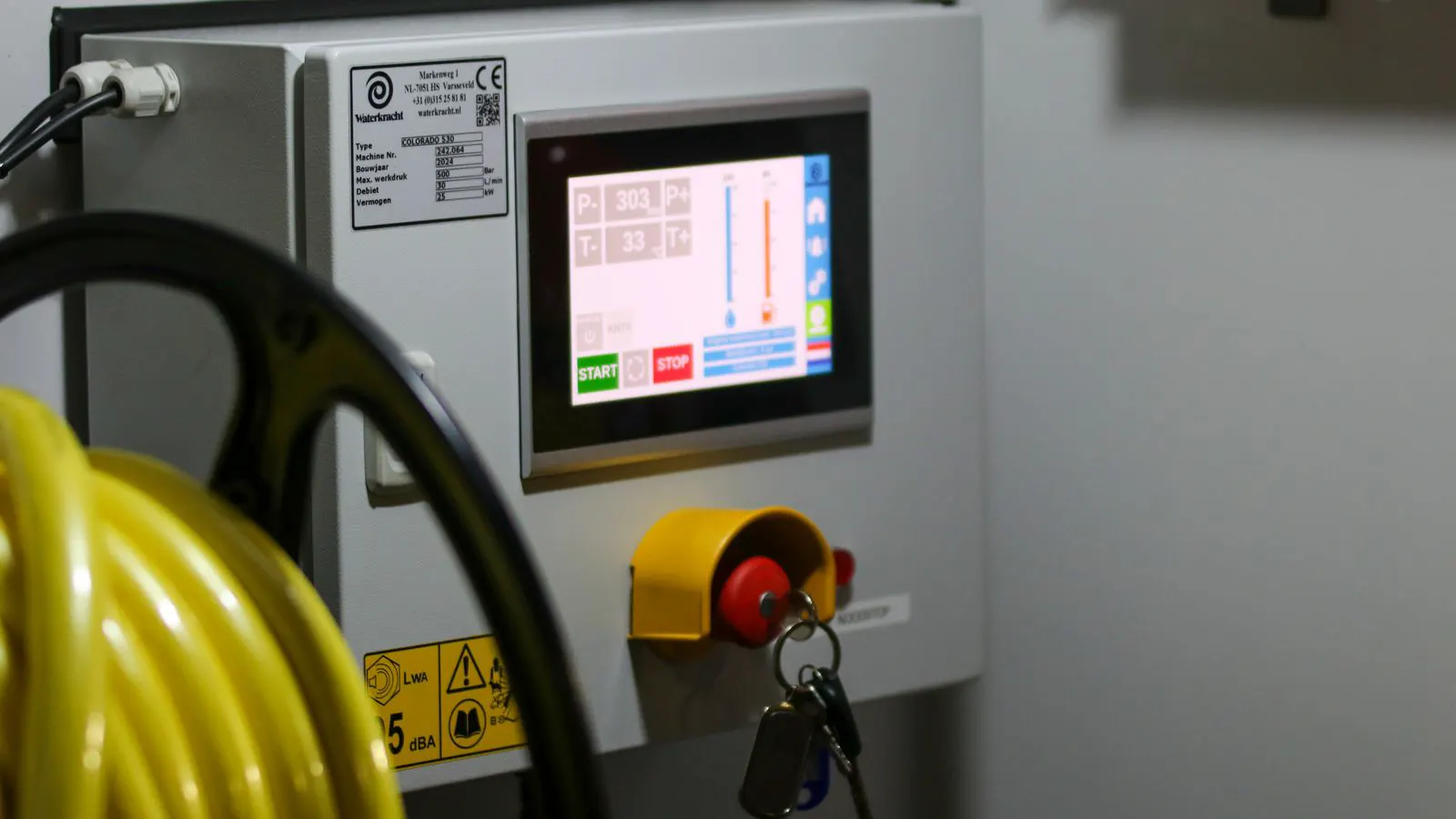
This guide provides a structured checklist for engineers to verify PLC logic, safety interlocks, and process integration before commissioning a new automated textile
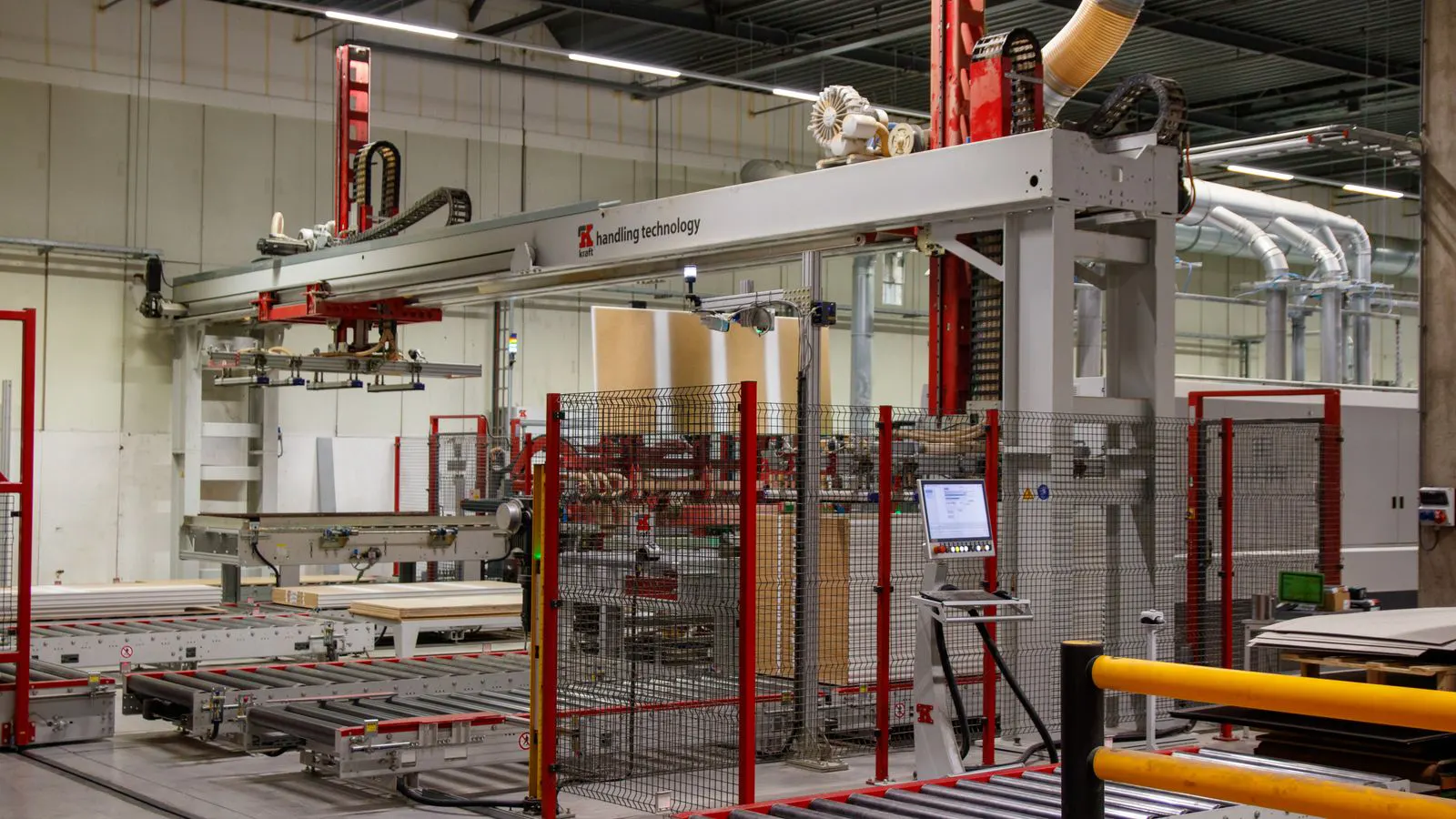
This guide outlines the technical and operational criteria for selecting industrial robotic palletizing systems. It covers payload capacity, cycle time, end effector
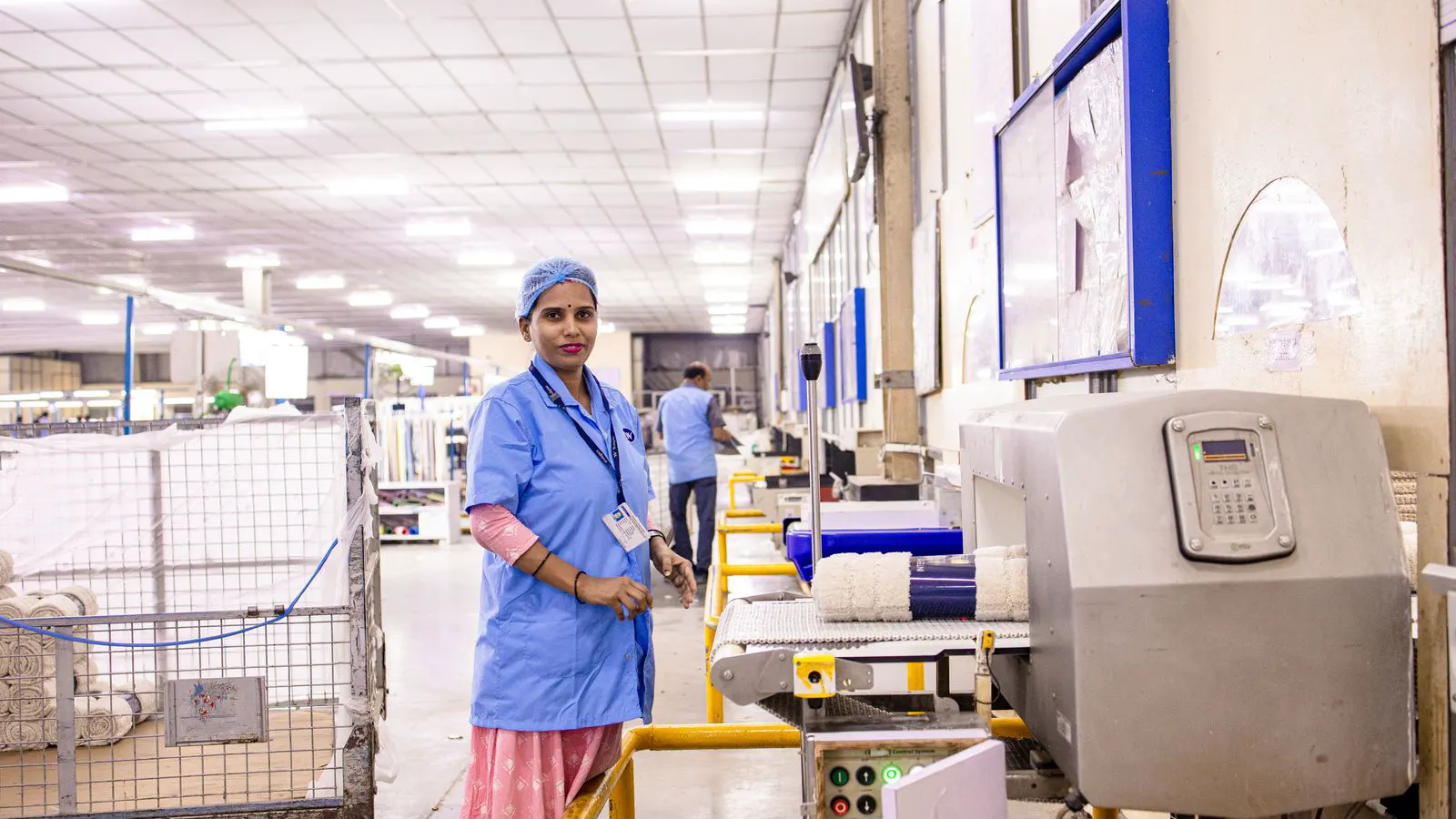
Predictive maintenance in textiles uses sensor data to anticipate failures before they stop production. This shift moves teams from reactive repairs to planned
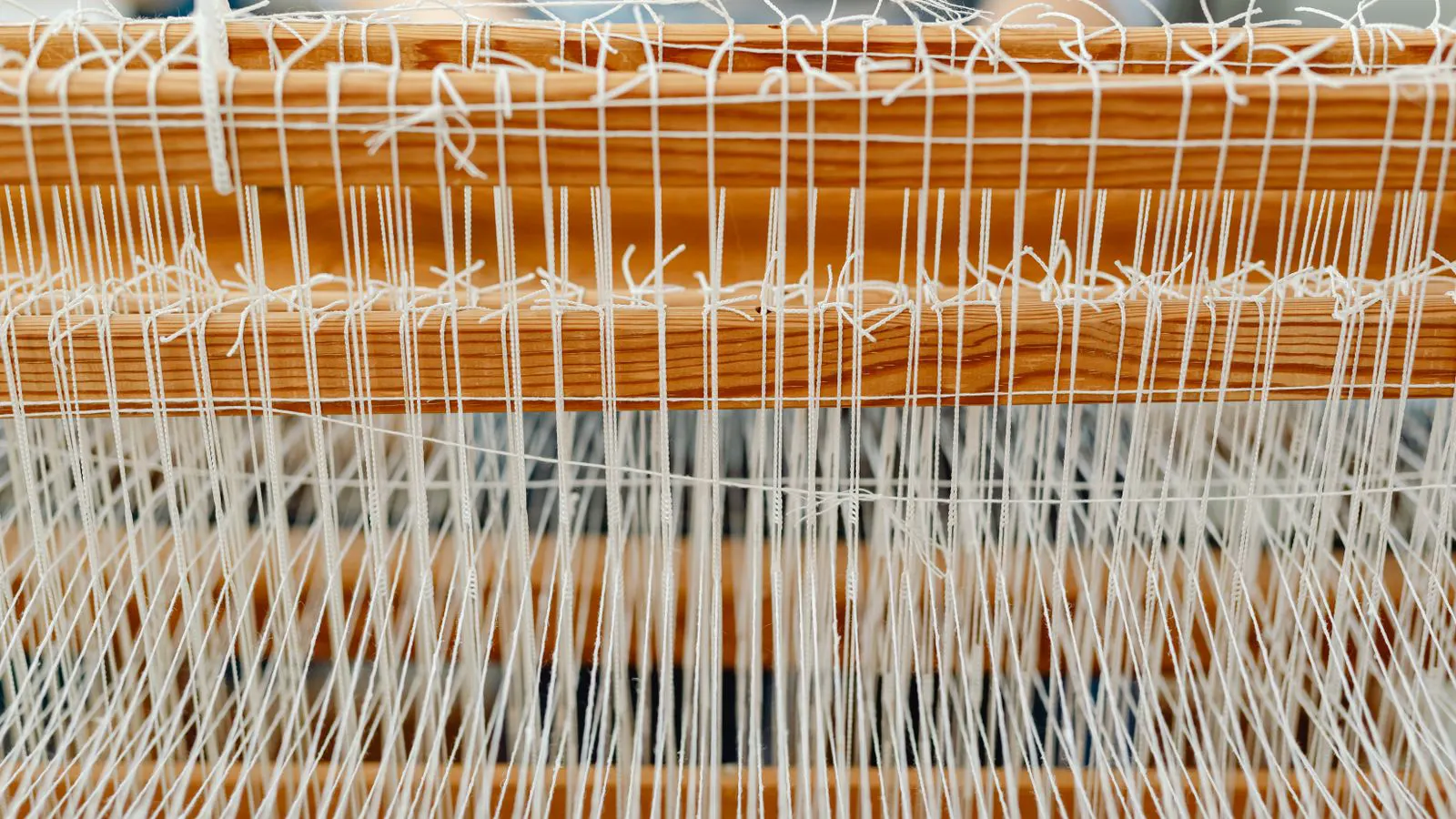
The IoT sensor upgrade cost depends on loom model, sensor type, and integration needs. A typical textile machine retrofit involves phased delivery, with lead times
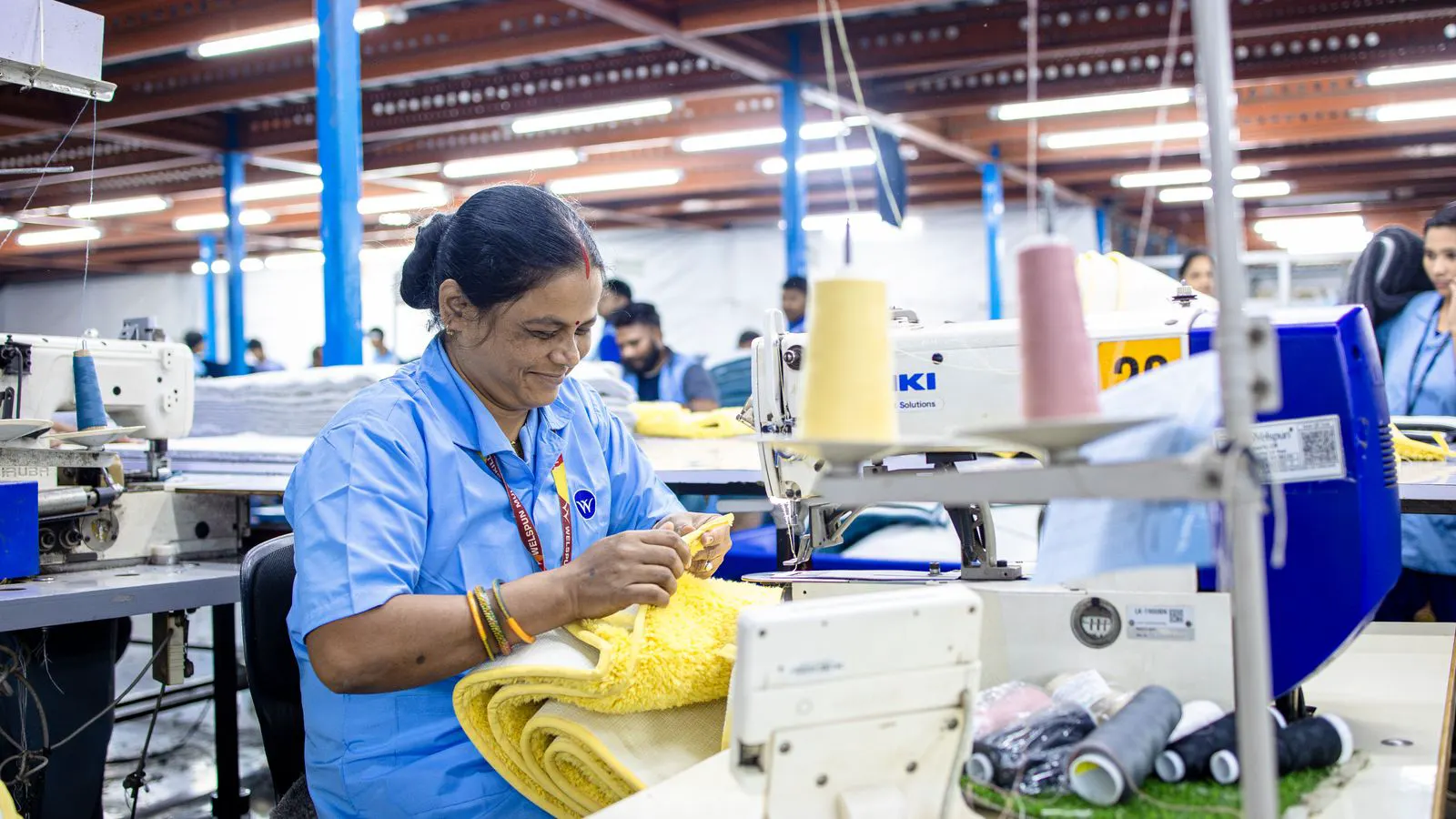
Intermittent robot arm stalls on sewing lines usually stem from sensor drift, loose mechanical connections, or PLC communication timeouts. This guide lists common
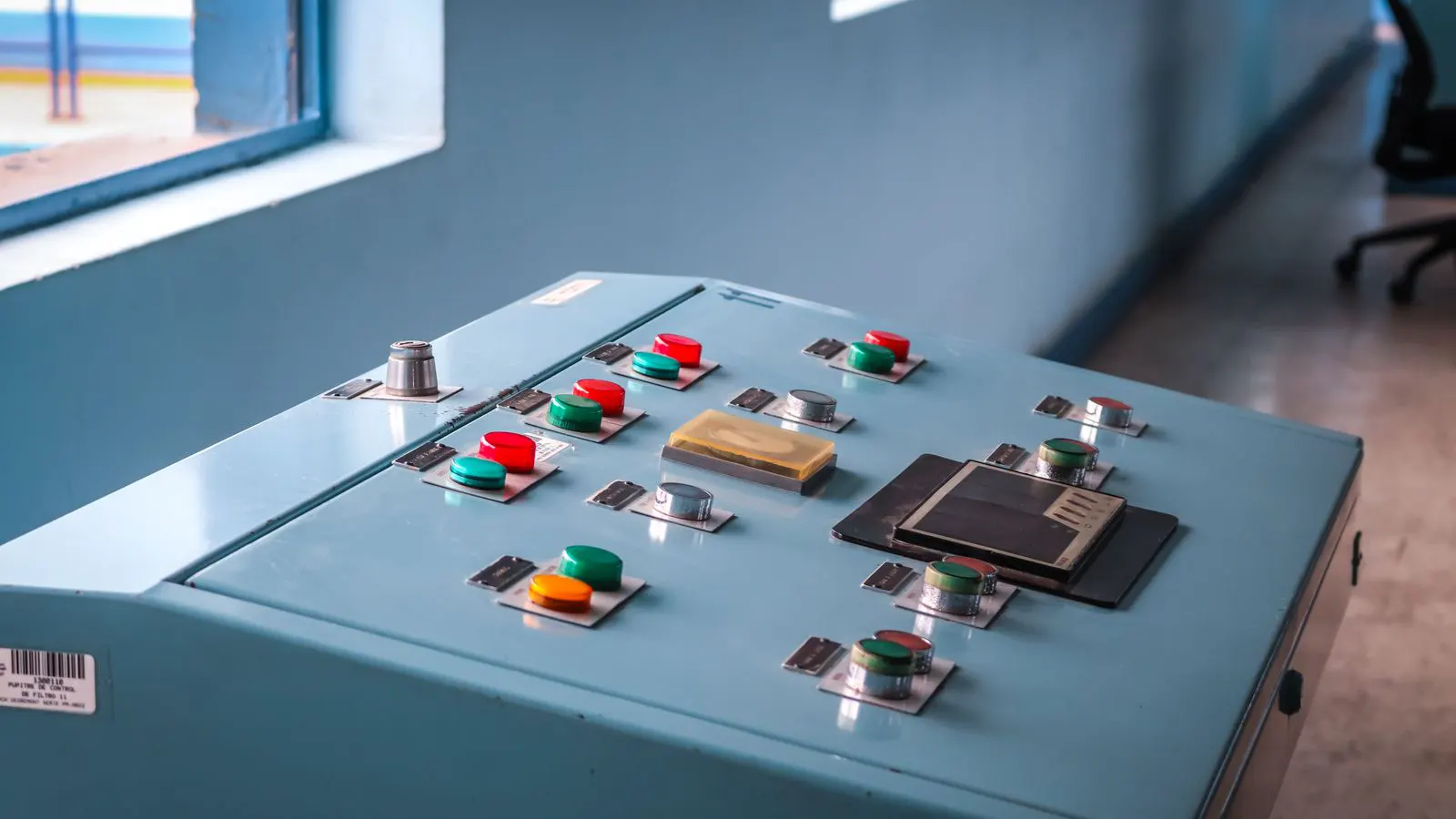
This guide helps you isolate and fix PLC communication failures on looms. It lists common symptoms, likely causes, and practical fixes in a table. It also covers wiring