Comparison: Manual vs Automated Garment Cutting
Automated garment cutting replaces manual blade work with computer-guided systems. It improves cutting table efficiency and production speed. The trade-off involves higher initial investment and software complexity versus reduced labor costs and consistent fabric usage.
- Automated systems reduce labor costs by replacing manual blade operation with computer-guided cutting.
- Cutting table efficiency increases through pattern nesting software that minimizes fabric waste.
- Production speed improves when high-volume runs are handled by automated table systems.
- Manual methods remain practical for low-volume, highly customized, or complex garment types.
- The decision depends on order volume, fabric type, and the need for pattern accuracy.
What Changes When You Replace Manual Blades with Automated Cutting
Manual garment cutting relies on skilled operators, a rotary knife or straight blade, and paper or digital templates. The operator traces patterns onto fabric, then cuts through the stack. Every cut is a physical act that depends on hand speed, eye alignment, and fabric tension.
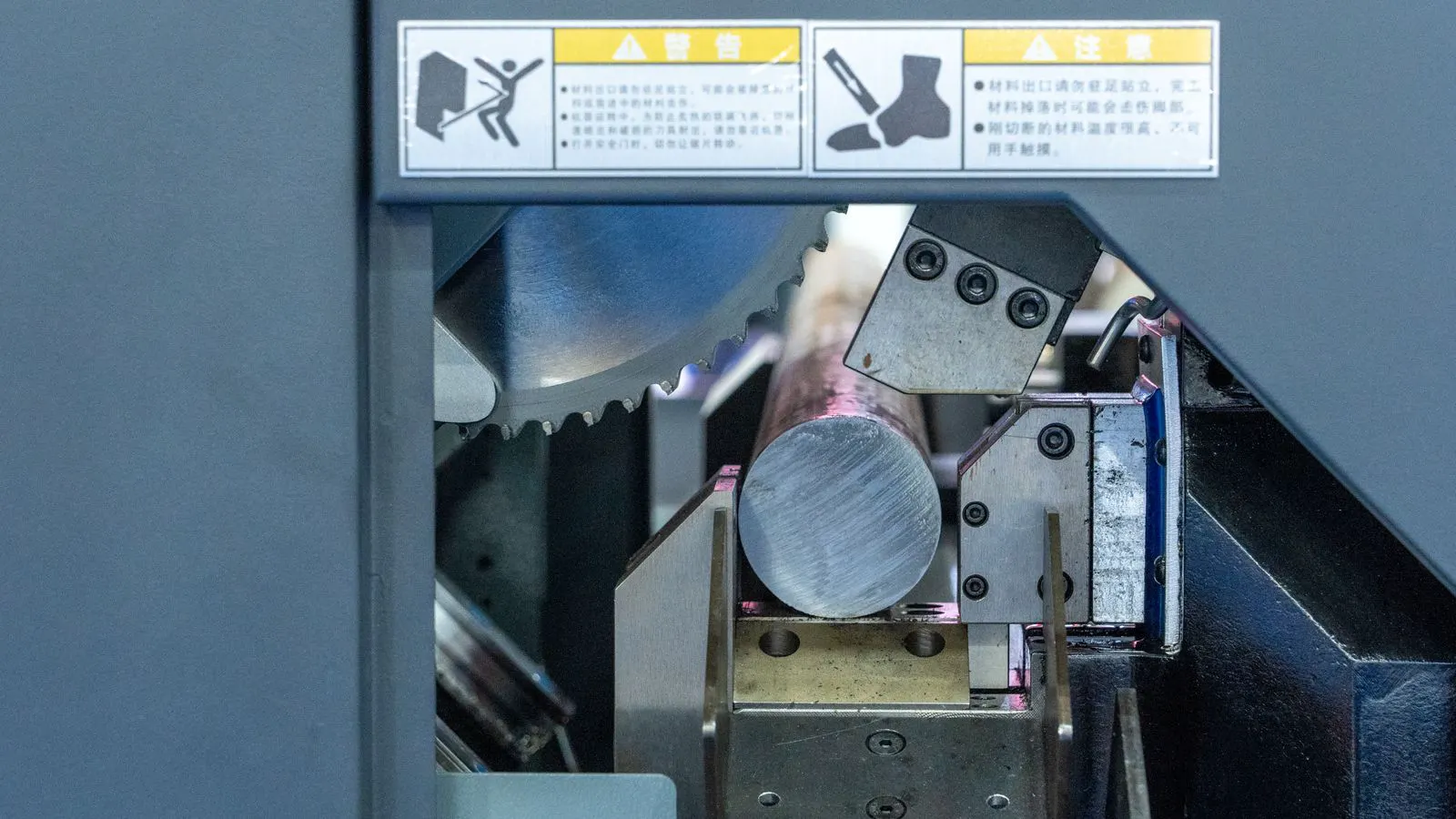
Automated garment cutting changes the workflow. A cutting table with a CNC head or a straight-cutting system follows digital pattern files. The machine moves across the fabric stack, cutting the required shapes. The operator’s role shifts from cutting to loading, aligning, and monitoring the process. This shift affects labor costs, cutting table efficiency, and production speed in measurable ways.
How Cutting Table Efficiency Differs Between Methods
Cutting table efficiency measures how much usable fabric a machine or operator extracts from a given roll. Manual cutting depends on the operator’s skill in arranging patterns. A skilled cutter can place shapes close together, but the process is slow. Each pattern must be traced or aligned by hand before the blade moves.
Automated systems use nesting software to arrange patterns before the table starts. The software calculates placement, rotation, and overlap. It can fit more pieces into the same fabric width. For repetitive styles with the same fabric width, the software optimizes the layout across multiple layers. This reduces fabric waste and increases the number of usable pieces per bolt.
The difference becomes clear on large cuts. A manual operator may spend 45 minutes cutting a single layer stack for a standard shirt. An automated system can cut the same stack in a fraction of the time, depending on the pattern complexity and fabric thickness. The table remains occupied less time per layer, and the software handles the layout decisions that take a human hours to calculate.
What Happens to Production Speed in High-Volume Runs
Production speed is where automated garment cutting shows its strongest advantage. A manual cutting area is limited by the number of operators and the physical pace of blade work. If a plant runs 500 layers of cotton twill for a single style, the cutting room needs multiple cutters working in parallel.
An automated cutting table can handle a single large stack. The machine cuts through the full thickness without stopping for hand alignment. The cycle time per layer drops. For a plant that produces thousands of units per week, the speed difference compounds. The cutting room becomes a bottleneck less often, and the downstream sewing line receives complete, uniform pieces on a more consistent schedule.
Speed is not just about the blade. It is about the flow. When cutting finishes earlier, the cutting room frees up space. Operators can prepare the next style or handle quality checks. The automated system also reduces the time spent on rework caused by misaligned cuts. Fewer bad pieces means fewer seconds spent re-cutting or scrapping fabric.
How Labor Costs Shift in Each Approach
Labor costs are the most direct financial comparison. Manual cutting pays operators for blade work, pattern tracing, and layout planning. These workers need training, experience, and steady hands. Their hourly cost is tied to the number of layers they cut.
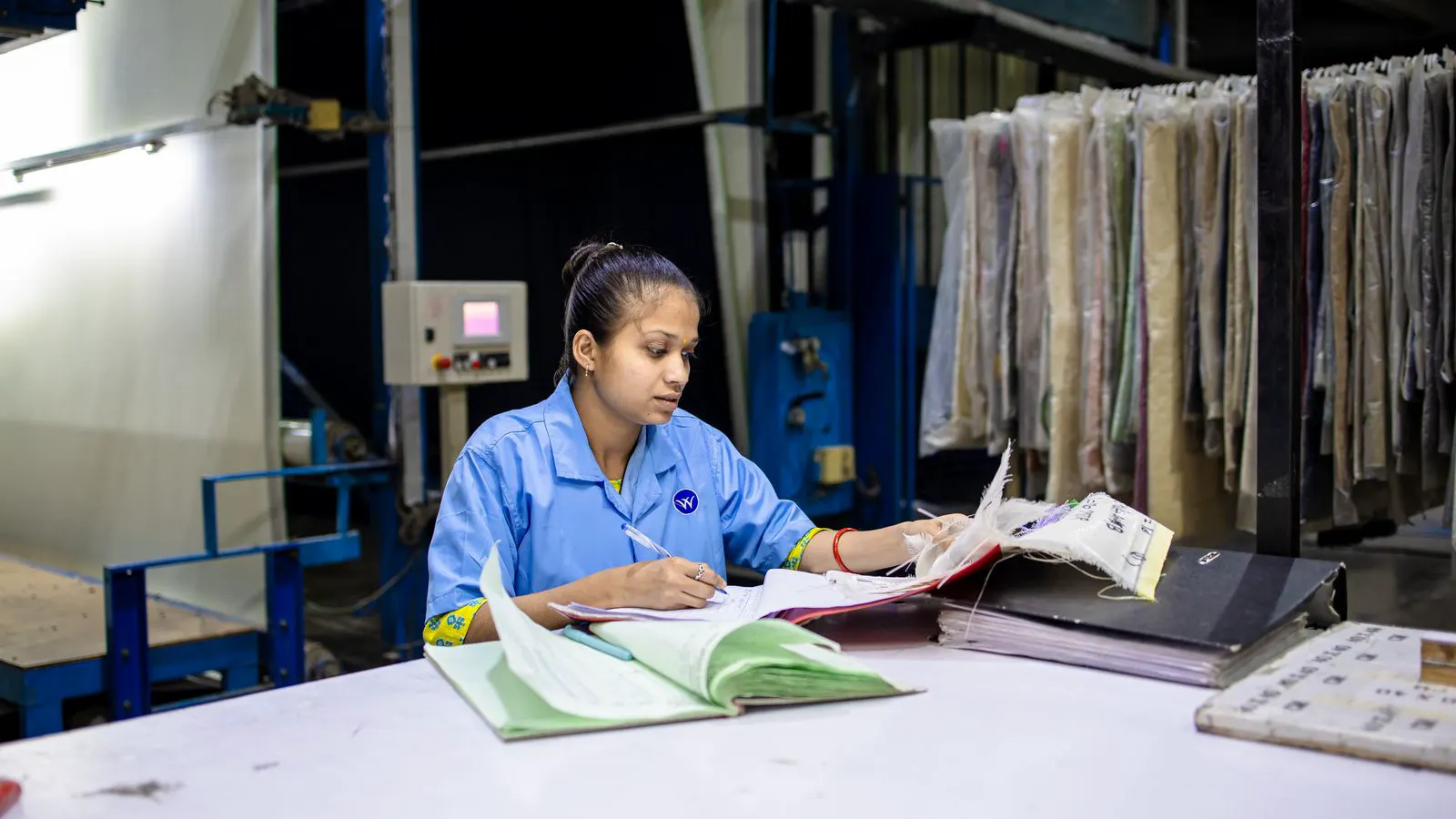
Automated cutting changes the labor mix. The same operator may now load fabric, run the machine, and inspect the cut pieces. The number of people needed in the cutting room drops. The skill requirement shifts from manual precision to machine operation and pattern file management. The plant pays for fewer cutter hours but may need one technician to maintain the machine and handle software updates.
The labor cost savings depend on the plant’s wage structure. In facilities where skilled cutters are expensive, the savings from reducing headcount are significant. In facilities with low labor rates, the savings are smaller, but the consistency benefits remain. The automated system does not eliminate labor. It reallocates it toward higher-value tasks like quality control and setup.
Where Manual Cutting Still Makes Sense
Automated cutting is not the only option. Manual methods remain practical for certain production scenarios. Low-volume runs, where a single style produces only a few dozen layers, may not justify the setup time and machine time of an automated table. The operator can cut the small stack quickly, and the plant avoids the cost of running a full production cycle.
Complex garment types also favor manual work. Garments with many small, intricate pieces, or fabrics that shift and stretch during cutting, can be difficult for a straight-cutting machine to handle without damage. A skilled operator can adjust blade pressure, rotate the fabric, and manage tension by hand. The machine may struggle with the same task.
Custom and made-to-order work is another area where manual cutting holds an edge. Each order may have a different fabric, a different size, or a different pattern layout. The setup time for an automated system to change pattern files and recalibrate can exceed the time it takes to cut a small batch by hand. The flexibility of manual work suits these variable demands.
When to Choose Automated Garment Cutting
The decision to adopt automated garment cutting depends on three factors: order volume, fabric type, and the need for pattern accuracy.
-
Order volume. If the plant produces a consistent style in batches of several hundred layers per week, the automated system pays off. The software nesting saves fabric, and the machine cuts faster than any operator. If the plant runs many small batches, the setup time may eat the savings.
-
Fabric type. Stable fabrics like cotton, polyester, and wool blend well with automated cutting. The fabric lies flat, the blade cuts cleanly, and the machine holds the layers in place. Stretch fabrics like jersey or knitted blends can move during the cut. The machine may need slower feed rates or additional clamping. If the plant cuts mostly stretch fabrics, the manual method may still deliver better piece quality.
-
Pattern accuracy. When the same pattern repeats across a large run, automated cutting ensures every piece is cut to the same shape. The software reads the same file for every layer. Manual cutting, even by a skilled operator, introduces small variations. Those variations can cause sewing issues downstream, such as mismatched seams or uneven hems.
The financial case is straightforward. The initial cost of an automated cutting table is higher than a manual cutting station. The machine includes the table, the cutting head, the control cabinet, and the software. The operating cost per hour is lower for high-volume work. The labor savings and fabric savings add up over time. For a plant that cuts thousands of layers weekly, the payback period is shorter than for a plant that cuts a few hundred.
A Practical Comparison of the Two Methods
The table below summarizes the key differences. It helps a manager see where each method fits in the production plan.
| Option | Best for | Limitations |
|---|---|---|
| Manual cutting with rotary or straight blade | Low-volume runs, complex or stretch fabrics, made-to-order work | Slower cutting speed, higher labor cost per layer, inconsistent piece accuracy, fabric waste depends on operator skill |
| Automated straight-cutting table | High-volume repetitive styles, stable fabrics, large batch production | Higher upfront cost, setup time for pattern changes, requires technical maintenance, less flexible for small or variable orders |
| Hybrid approach: automated for large runs, manual for small | Mixed production schedules, plants with both mass and custom orders | Requires two sets of labor, more complex scheduling, higher space requirement for both areas |
A hybrid approach is common in real plants. The automated table handles the large, standard cuts. The manual cutter handles the small, special, or difficult pieces. This split keeps the plant efficient on high-volume work without wasting machine time on jobs that are better done by hand.
What to Check Before Buying or Retrofitting
Before committing to automated garment cutting, review the existing cutting room layout. The table needs space for fabric loading, pattern placement, and piece collection. A manual cutting area uses less floor space, so the plant may need to relocate stations or add square footage.
Check the pattern file format. The automated system needs digital patterns in the correct file type. If the plant uses paper patterns, the conversion to digital files takes time and care. The pattern database must be organized, with each style and size clearly labeled. A messy file structure causes setup delays and machine errors.
Inspect the fabric handling. The table must support the fabric width and thickness. Heavy fabrics like denim or canvas require a sturdier table and a stronger cutting head. Lightweight fabrics like chiffon may need a gentler feed mechanism to prevent shifting. The machine specification must match the plant’s actual fabric mix, not just the average.
Review the maintenance plan. The cutting head has moving parts, bearings, and a blade that wears. The software needs updates and troubleshooting. The plant needs a technician who can diagnose issues when the machine stops. Without a maintenance plan, the system goes down and the cutting room slows.
Check the operator training. The new operator must learn to load fabric, run the machine, and monitor the cut. The training should cover pattern file loading, fabric alignment, and basic troubleshooting. The plant also needs a backup operator so the machine does not sit idle when the primary operator is absent.
How the Choice Affects the Rest of the Plant
The cutting decision does not exist in isolation. It affects the sewing line, the quality control team, and the fabric warehouse. When cutting finishes faster, the sewing line receives pieces earlier. The sewing operators may have less idle time, but they may also face a larger pile of pieces to sort. The quality control team may need to adjust its sampling plan to catch new types of cutting errors.
The fabric warehouse must manage the stock differently. Automated cutting often requires fabric to be cut to length before it reaches the table. The warehouse must ensure the right fabric is ready at the right time. If the fabric is late or the wrong type, the cutting table stops. The manual method is more forgiving here. The operator can wait for the fabric and cut when it arrives.
The choice also affects the plant’s ability to respond to demand changes. If a customer orders a new style with a different fabric, the automated system needs the new pattern file and a setup time. The manual cutter can start cutting after a short preparation. For a plant that changes styles weekly, the flexibility of manual cutting may be worth more than the speed of the automated system.
The financial analysis should include all of these factors. The cost of the machine, the labor saved, the fabric saved, the space needed, the training required, and the impact on downstream operations. A plant that looks at only the cutting room cost may miss the bigger picture. The automated system changes the flow of the entire plant, not just the cutting room.
The manager’s job is to match the method to the product. A plant that makes 10,000 units of one shirt per week should run an automated table. A plant that makes 500 units of 20 different styles per week may do better with a manual cutter and a small automated table for the larger runs. The best choice is not the most advanced technology. It is the method that fits the volume, the fabric, and the production schedule.
What to Avoid in the Transition
Do not assume the machine will cut as fast as the manual cutter on the first day. The software needs tuning. The pattern files need cleaning. The fabric loading process needs practice. The first few weeks after installation are about learning the system, not hitting full speed.
Do not ignore the pattern database. A disorganized file structure causes setup delays. The plant should assign one person to own the pattern database. That person updates files, checks for errors, and ensures every style has the correct version.
Do not skip the maintenance schedule. The cutting head wears. The blade dulls. The bearings need lubrication. The software needs updates. A machine that is not maintained will slow down and produce bad cuts. The maintenance plan should be written down and followed.
Do not leave the manual cutter in the room if the plant is moving to automated. The manual cutter handles the small, special, and difficult pieces. The plant needs both methods to cover all orders. The manual cutter is not obsolete. The role changes.
Do not expect the labor savings to be immediate. The plant needs to retrain, reassign, and adjust the schedule. The savings appear as the system stabilizes and the operator becomes efficient. The financial case should be built on a realistic timeline, not an optimistic one.
Final Considerations for the Buying Decision
The decision to adopt automated garment cutting is a production decision, not just a financial one. It changes how the plant works. The cutting room becomes a machine room. The operator becomes a machine operator. The fabric flow changes. The quality control plan changes.
The manager should walk the cutting room and the sewing line. Watch how the pieces move. Watch where the bottlenecks are. Watch how the manual cutter works. Then ask whether the automated system solves the real problem. If the problem is speed, the automated system helps. If the problem is fabric waste, the nesting software helps. If the problem is labor cost, the reduced headcount helps. If the problem is flexibility, the manual method may be better.
The best answer is not one method for all cases. It is the method that matches the plant’s actual production mix. A plant with a clear, high-volume, stable product line should automate. A plant with a varied, low-volume, custom product line should keep manual cutting and consider automation only for the larger runs. The comparison is not about which method is better. It is about which method fits the work.
Frequently asked questions
How long does it take to transition from manual to automated cutting?
The transition depends on the plant's setup and training. It typically takes several weeks to clean the pattern database, install the machine, train the operators, and tune the system for full production speed.
Can automated cutting handle stretch fabrics like jersey?
Yes, but with caution. Stretch fabrics can shift during the cut. The machine needs a slower feed rate, proper clamping, and careful fabric alignment. Some plants still use manual cutting for very stretchy or delicate knits.
What is the main cost difference between manual and automated cutting?
The main difference is upfront capital. The automated table costs more than a manual cutting station. The operating cost per layer is lower for high-volume work, so the savings appear over time through reduced labor and fabric waste.
Do I still need skilled cutters if I automate?
Yes. The role changes from blade work to machine operation, fabric loading, and quality inspection. The plant still needs people who understand fabric behavior and pattern placement. The skill level shifts, but the need for experienced operators does not disappear.
Is automated cutting only for large factories?
No. Small and medium plants can use automated cutting if their production mix includes repetitive styles in batches. The key factor is not the size of the plant, but the volume of each style and the consistency of the fabric type.