Outlook: Modular Sewing Cells in Apparel Facilities
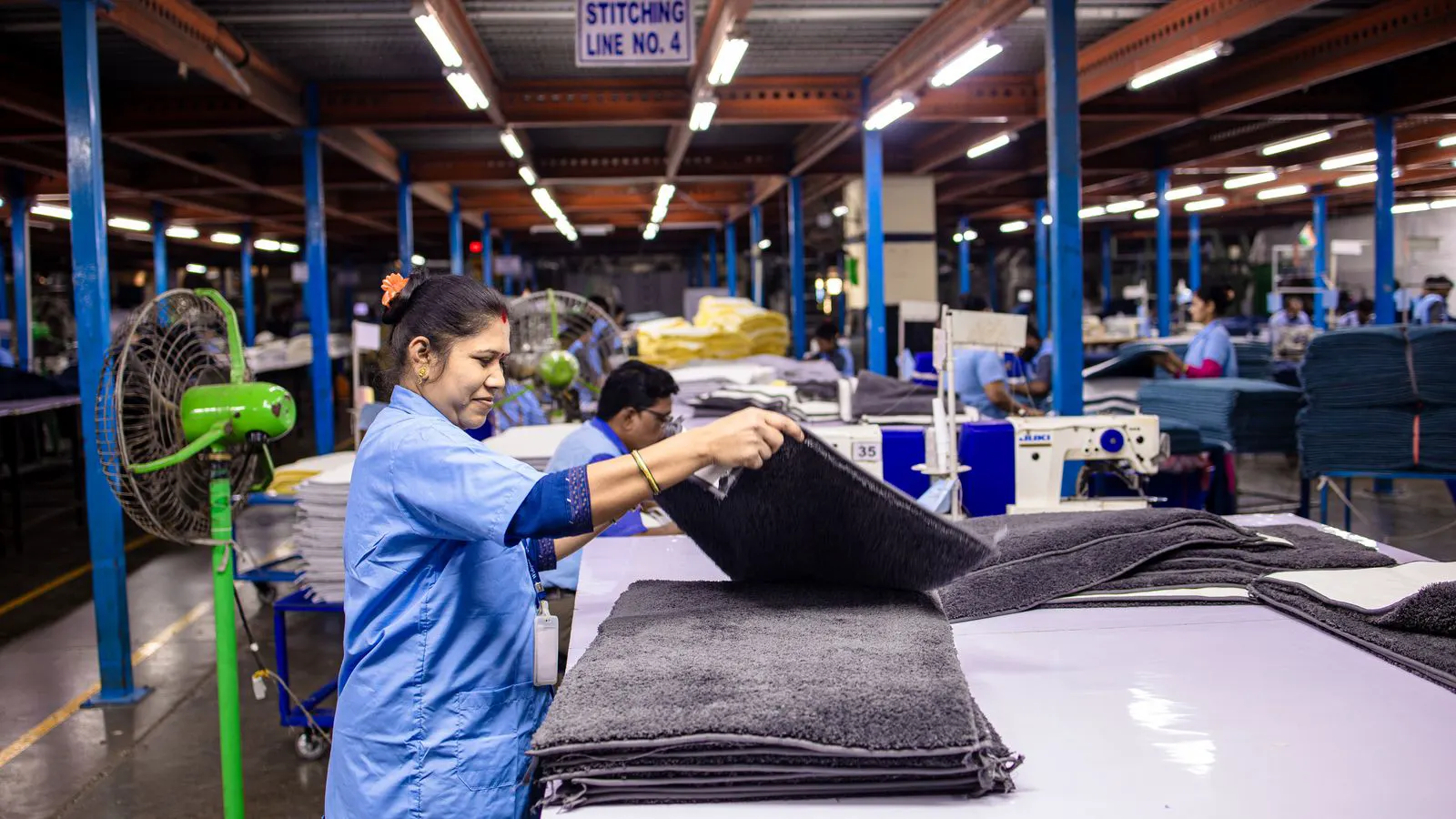
Facility managers should expect a move from fixed lines to modular sewing cells. This shift supports faster changeovers and better handling of mixed garment styles. Preparation involves standardizing interfaces, training staff, and planning for modular garment production equipment.
- Standardize power, air, and data connections to speed up sewing line setup.
- Design cells around machine groups rather than single product types.
- Train operators on multiple station functions to support variable garment styles.
- Plan maintenance routes that fit modular layouts, not fixed lines.
- Keep tooling and jigs accessible to reduce changeover time.
Why Fixed Lines Struggle with Variable Styles
Modern apparel orders arrive in smaller batches and with tighter mix requirements. A facility that runs one style for weeks can fill a line efficiently. A facility that switches every few days faces a different problem.
Modular sewing cells address this by grouping machines into smaller, movable units. Instead of one long line of twenty stations, a plant may run four cells of five stations each. Each cell can serve a different garment family. A denim cell handles heavy stitch work. A knit cell handles stretch recovery. A tailoring cell handles pleats and hems.
The layout itself changes. Machines are no longer tied to a single conveyor path. They sit on skids or low frames that allow repositioning. Power and air drop from overhead or floor boxes. Cables route through flexible trays. This makes the sewing line setup process faster and less destructive.
What a Modular Cell Actually Looks Like
A typical cell includes a cluster of machines, a shared work surface, and a small material staging area. The machines are selected for a specific sewing task. A hemming cell might use single needle machines with differential feed. A collar cell might use twin needle machines for even edge finishing.
The work surface matters. Operators need space to spread fabric without crowding neighbors. In a fixed line, that space is limited by the conveyor and the operator position. In a modular cell, the operator can step back and reposition the machine if needed.
Lighting is another factor. Each cell needs consistent illumination. Fixed lines often use one long row of fixtures. Modular cells use smaller, brighter units that move with the station. This improves visibility for fine stitching on light fabrics.
Five Shifts Buyers Should Plan For
The move to modular sewing cells changes how facilities operate. These are the shifts to expect.
- From product lines to task cells.
- From long changeovers to short reconfigurations.
- From specialized operators to cross-trained teams.
- From fixed maintenance windows to flexible service access.
- From single-purpose jigs to shared tooling libraries.
Each shift affects planning. A facility that treats a modular cell as a smaller fixed line will miss the benefit. The value comes from moving the whole unit, not just the machines.
How to Prepare Your Floor Space
Floor space planning for modular sewing cells requires a different mindset. The goal is not maximum machine density. The goal is movement.
Leave aisles wide enough for a two-person carry of a skid. Keep overhead clearance for cable trays and air lines. Use floor markings to show where cells can sit. This avoids damage to floors and prevents collisions during repositioning.
Power drops are critical. A fixed line uses one long run. A modular facility needs multiple drop points. Each drop should handle the load of a full cell. Check amperage for each station. Add margin for future growth. A cell that runs five machines today may run six next season.
Air supply is similar. Compressed air drives some presses and fabric feeders. A single regulator is not enough. Place local regulators at each cell. This isolates pressure problems and keeps one cell running when another needs service.
Standardizing Interfaces for Faster Changeovers
Modular sewing cells only work if the interfaces are consistent. This means power plugs, air fittings, and data ports should match across all units.
Use the same cable length and connector type for every cell. If one cell uses a short plug and another uses a long one, operators waste time hunting for the right one. Standardization reduces friction.
The same applies to jigs and tooling. Keep a central library of hems, collars, and pocket jigs. Store them on a wall rack or rolling cart that moves with the cell. Operators should not need to walk across the floor to find a specific tool.
A simple checklist helps. Before a changeover, the team verifies power, air, and tooling. They also check the machine settings. Thread tension, presser foot pressure, and stitch length are reset for the new fabric. This routine prevents defects at the start of a new run.
Training Teams for Mixed Work
Operators in a fixed line often specialize. One person sews sleeves. Another sews collars. In a modular cell, that specialization is less useful.
Cross-training is the answer. An operator who can run a hemming cell and a pocket cell is more valuable than one who can only do one task. This flexibility supports variable garment styles without needing to move people between lines.
Training should be practical. Show the operator how to reposition the machine. Show how to adjust the presser foot for different weights. Show how to check thread feed before starting a run. These are the same checks listed in our sewing line setup guides, but applied to a smaller unit.
Supervisors need to adjust their monitoring. In a fixed line, a line leader watches one long row. In a modular facility, a supervisor may cover two or three cells. This requires better communication. Use radios or a simple digital board to share status updates.
Maintenance and Service Access
Modular sewing cells change maintenance patterns. In a fixed line, a service technician works along one long row. In a modular facility, the technician moves between cells.
This is good for access. A cell can be isolated from production without stopping the whole line. A machine in one cell can be serviced while other cells run. This reduces downtime.
It is also good for parts. Keep a small parts kit at each cell. Include common needles, bobbins, and small screws. This allows minor fixes without waiting for a parts delivery.
Plan for electrical load. A modular facility has more power drops than a fixed one. More drops mean more potential failure points. A checklist for verifying electrical load helps catch issues before they become production stops.
Choosing Equipment for Modularity
Not all garment production equipment works well in a modular setup. Some machines are heavy and fixed. Others are lighter and designed for movement.
Look for machines with low weight. A lighter machine is easier to move and safer for operators. Look for machines with quick changeover features. A machine that adjusts stitch length and presser foot pressure in seconds is a better fit for variable styles.
Consider the control system. A cell with a shared control panel is easier to manage. If each machine has a separate screen, operators must switch between multiple interfaces. A shared panel keeps the workflow simple.
The sewing machines for stretch knit production are a good example. They handle recovery and tension differently than denim machines. A modular cell for knit work needs machines that match that task. Do not force a denim machine into a knit cell.
A Practical Layout Example
Imagine a facility that runs a mix of casual shirts, joggers, and light jackets. A fixed line would require three separate lines. Each line is dedicated to one product. The floor is filled with long rows of machines. Changeovers are long and disruptive.
A modular approach changes the layout. The floor has three zones. Each zone holds two or three cells. One zone handles shirt construction. One zone handles pants. One zone handles jackets.
Each cell is a skid with five machines. The shirt cell uses single needle machines for seams and hemming. The pants cell uses twin needle machines for hems and a straight stitch machine for side seams. The jacket cell uses a walking foot machine for thicker fabric.
When the mix changes, the cells move. The shirt cell moves to the pants zone. The pants cell moves to the jacket zone. The floor remains the same. Only the cells move. This keeps the floor organized and the changeover short.
Final Thoughts on Planning
Modular sewing cells are a tool for flexibility. They support variable garment styles by allowing quick reconfiguration. The benefit is not in the machines alone. It is in the layout, the training, and the standardization.
Facility managers should start small. Pick one area of the floor and build one or two cells. Test the setup. Adjust the layout. Train the team. Then expand. This approach reduces risk and shows the value before a full rollout.
The goal is a facility that adapts to the order, not an order that adapts to the facility.
Frequently asked questions
How many machines are in a typical modular sewing cell?
A typical cell holds four to six machines, depending on the task. A hemming cell may have five single needle machines. A collar cell may have three twin needle machines.
Can I use my existing machines in a modular cell?
Yes, if the machines are lightweight and have standard power and air connections. Heavy or fixed machines may need modification or replacement.
How long does a changeover take in a modular cell?
A changeover for a modular cell can take minutes to an hour, depending on the complexity of the style. Standardizing interfaces and tooling reduces the time.
What is the main advantage of a modular sewing cell over a fixed line?
The main advantage is flexibility. A modular cell can be moved and reconfigured quickly, supporting variable garment styles without long setup times.
Do I need a new floor for a modular sewing cell?
No, but the floor needs to support the movement. Aisles must be wide enough for skids, and power drops must be placed to serve each cell.