Buyers Guide: Sewing Machines for Stretch Knit Production
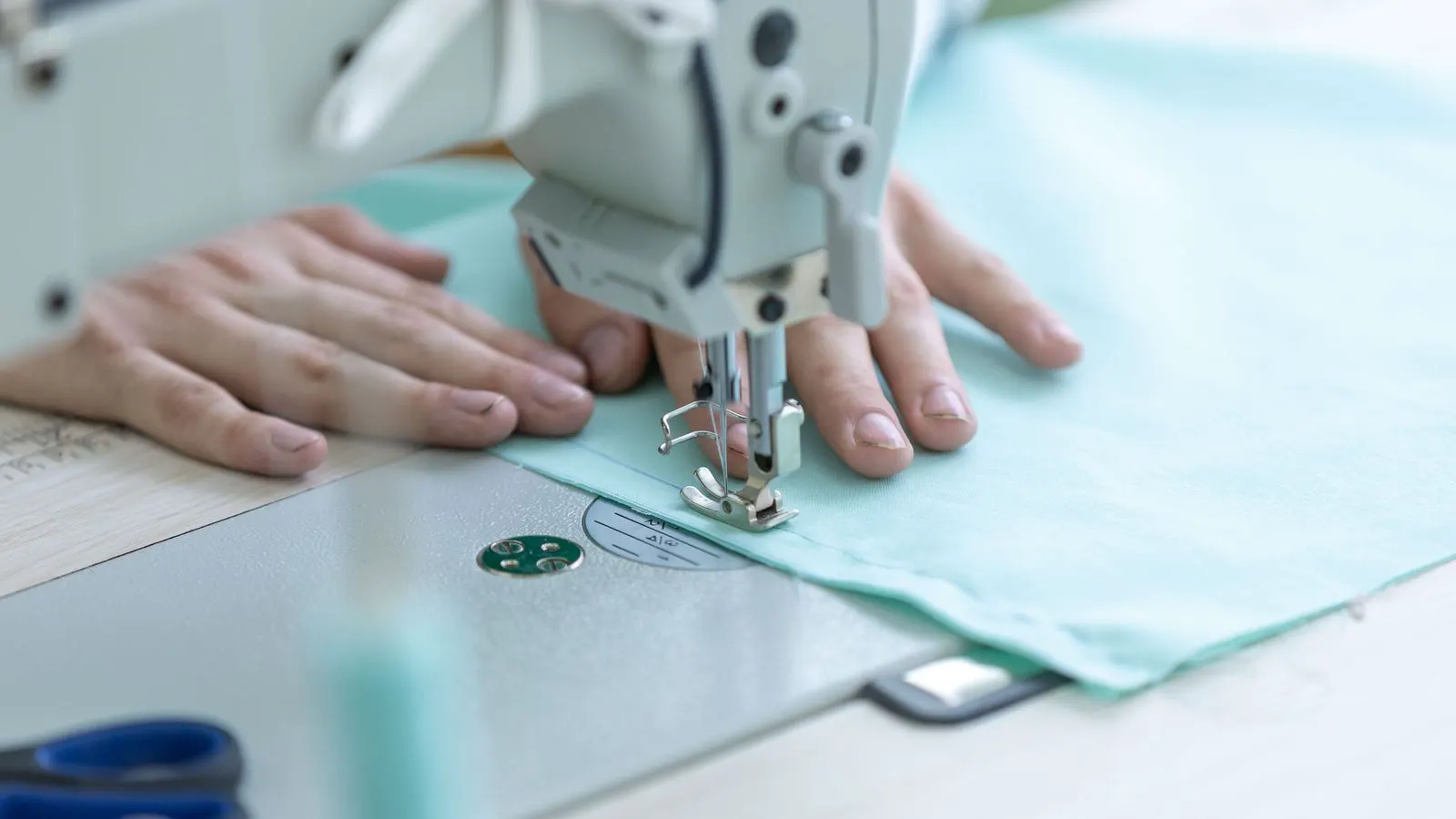
Choose sewing machines for stretch knit based on presser foot design, thread tension balance, and stitch formation. Evaluate fabric recovery, needle selection, and machine stability to reduce puckering and improve production speed for elastic apparel.
- Match the presser foot to the fabric weight and stretch recovery to avoid pulling or puckering.
- Balance thread tension in the upper and lower systems before increasing production speed.
- Select a machine platform that allows independent needle and hook adjustments for elastic fabrics.
- Verify electrical load and machine stability to maintain consistent stitch formation.
Stretch knit production demands different machine behavior than rigid woven fabrics. The same lockstitch machine that handles cotton twill may produce puckering, skipped stitches, or inconsistent seam allowance on jersey, rib, or interlock knits. Buyers often focus on speed first and discover tension or feed problems later.
This guide covers the physical and mechanical features that determine whether a machine handles elastic fabrics correctly. It addresses presser feet, needle systems, tension controls, and the broader equipment choices that affect garment assembly equipment performance.
Which presser feet fit stretch knit fabrics
The presser foot is the first contact point between the machine and the fabric. Standard flat feet press down with even pressure across the entire width of the foot. On stretch knits, this constant pressure can compress the fabric and create a raised or puckered seam.
Buyers should look for feet with reduced contact area or adjustable pressure. Tapered feet and walking feet with low profile plates are common options. Some machines use presser feet with small contact pads that allow the fabric to move more freely under the needle. The goal is to support the fabric without flattening it completely.
For heavier knits like fleece or interlock, a slightly larger foot may be needed for stability. For lightweight jersey, a smaller or tapered foot reduces drag. The foot should allow the operator to adjust pressure independently from the feed mechanism when possible.
Check that the foot can be swapped quickly. Operators often need to change feet between fabric types in a single production run. A tool-free foot release or a simple screw adjustment saves time and reduces the chance of leaving a foot improperly seated.
How tension settings affect elastic seam quality
Tension is where most stretch knit sewing problems originate. The upper thread tension and the lower hook tension must work together to form a balanced knot. If the upper tension is too tight, the fabric puckers and the seam pulls. If it is too loose, the thread loops on the underside and the seam can unravel under stress.
Stretch fabrics make tension problems more visible because the fabric moves during the stitch cycle. A machine that produces a clean seam on a rigid fabric may show a twisted seam on a rib knit if the tension is not adjusted.
Look for machines with independent upper and lower tension adjustment. Many industrial machines allow the upper tension to be dialed in with a dial or a digital control. The lower hook tension often requires a small screw adjustment at the hook assembly. Some machines offer a tension preview function that shows the knot formation before the operator starts full production.
Do not rely on default settings. Every fabric, thread weight, and stitch type changes the optimal tension. A practical test is to sew a small sample of the exact production fabric, pull the seam to its expected stretch limit, and inspect both sides for loops, puckering, or thread breakage.
Thread selection also affects tension. Stretch knits often perform better with slightly finer thread in the needle and hook. Heavier thread can increase friction and make the hook catch the fabric more aggressively. Use polyamide or polyester thread that matches the fabric weight and intended garment use.
Which needle types and sizes are best for elastic fabrics
Needle choice matters more on stretch knits than on wovens. A standard straight needle can pierce the fabric cleanly, but it may not accommodate the loop structure of a knit. Ballpoint or stretch needles have a rounded tip that slides between the knit loops instead of piercing them. This reduces needle breakage and prevents snagging the fabric surface.
For stretch knits, buyers should verify that the machine can accept stretch or ballpoint needles without modification. Some machines have needle clamps or needle bar designs that work best with specific needle types. If the machine is primarily used for wovens, confirm that the needle bar can hold a stretch needle securely.
Needle size depends on the fabric weight. Lightweight jersey typically uses smaller needles. Heavier interlock or fleece knits use larger needles to create a clean hole. The needle must also match the thread size. A mismatched needle and thread pair causes skipped stitches or thread breakage.
Replace needles at regular intervals. A worn point, even if it is not visibly damaged, increases friction and can pull at the fabric loops. Many production lines track needle changes per shift or per number of stitches to maintain consistent quality.
What stitch types work for stretch garment assembly
Lockstitch is the standard for most garment assembly equipment. It uses one needle and a hook to interlock upper and overlock thread. It is fast and versatile, but the seam can limit stretch if the stitch is too tight or the thread is too heavy.
For high-stretch seams, some production lines use a two-needle lockstitch or a twin needle setup. This creates a decorative seam on the top and a balanced lockstitch on the underside. The twin needle can distribute the seam load across two stitch lines, which helps the seam stretch without breaking.
For seams that require high recovery, such as cuffs or hemlines, an overlock or coverstitch may be used instead of a lockstitch. Overlock machines trim and finish the seam in one operation and produce a stretchable edge. Coverstitch machines create a parallel seam on the top that stretches well and looks clean.
When selecting sewing machines for stretch knit production, match the stitch type to the garment requirement. A standard lockstitch works for most seams. Twin needle or overlock machines may be better for high-stress or decorative seams. The machine must be able to produce the stitch cleanly at the production speed.
How to evaluate machine stability and electrical load
A machine that vibrates or shifts during the stitch cycle will produce uneven tension and inconsistent seam allowance. Stretch knits are more sensitive to machine movement because the fabric moves more than rigid wovens. A stable machine frame is a basic requirement.
Check the machine base. The frame should be heavy and rigid. Loose bolts or a worn motor mount can cause vibration. Operators often report that a machine that felt stable at low speed becomes unstable at full production speed. Test the machine at the intended stitch rate and observe the seam for drift.
Electrical load matters for consistent performance. Sewing machines draw power through the motor and sometimes through auxiliary components like lights or foot pedals. A machine on an overloaded circuit can slow down or lose power during a stitch, causing skipped stitches or broken thread.
Review the electrical load requirements with the facility engineer. The machine nameplate lists the motor rating. The facility load calculation should account for multiple machines on the same circuit. A stable power supply helps the machine maintain consistent speed and tension.
Criteria for selecting industrial sewing machine platforms
| Criterion | What to look for | Why it matters |
|---|---|---|
| Presser foot options | Tapered, low-profile, or adjustable pressure feet | Reduces fabric compression and puckering on elastic knits |
| Tension adjustment | Independent upper and lower tension controls | Allows balanced stitch formation for stretch fabrics |
| Needle compatibility | Stretch or ballpoint needle support with secure clamping | Prevents snagging and needle breakage in knit loop structures |
| Stitch type | Lockstitch, twin needle, or overlock capability | Matches the seam strength and stretch recovery of the garment |
| Machine stability | Rigid frame, low vibration at full speed | Maintains consistent seam allowance and tension |
| Electrical load | Motor rating and circuit compatibility | Prevents power drops that cause skipped stitches |
Decision checklist for procurement teams
- Confirm the exact fabric type and weight for each production line. Lightweight jersey and heavy fleece have different needle and foot requirements.
- Request a sample run of the production fabric on the candidate machine. Inspect the seam for puckering, loops, and stretch recovery.
- Verify that the machine accepts stretch needles and the required presser feet without modification.
- Check the tension adjustment range and confirm that operators can balance the seam on the test fabric.
- Review the stitch type against the garment seam requirements. Decide whether a standard lockstitch, twin needle, or overlock is needed.
- Confirm the machine frame stability at the intended production speed.
- Verify the electrical load with the facility engineer to ensure the circuit can support the machine.
- Review service and spare parts availability for the specific machine model.
- Compare the total operating cost, not just the machine price. Include thread, needle, and maintenance costs.
- Select the machine that produces a balanced, stretchable seam on the exact production fabric at the required speed.
The right machine for stretch knit production is not the fastest machine. It is the machine that handles the fabric without fighting it. The presser foot, needle, tension, and stitch type must all work together. A machine that produces a clean seam on the test fabric is more valuable than a machine with a higher speed rating.
Test the machine on the actual fabric. Pull the seam. Check both sides. Adjust the tension. Run the machine at full speed. Only then can a buyer decide whether the machine is suited for stretch knit production.
Frequently asked questions
Can a standard lockstitch machine handle stretch knit if the tension is adjusted?
Yes, a standard lockstitch machine can handle many stretch knits if the presser foot, needle, and tension are adjusted. The fabric weight and stretch level determine how much adjustment is needed.
What is the difference between a ballpoint needle and a stretch needle?
Both have a rounded tip to slide between knit loops. Stretch needles often have a slightly different tip shape and may be coated to reduce friction. Use the type specified for the fabric weight.
Do I need a separate machine for each garment type?
Not necessarily. Many industrial sewing machines can handle multiple fabric types if the operator changes the presser foot, needle, and tension. The machine must support the required stitch and needle range.
How do I know if the seam will stretch without breaking?
Sew a sample and pull the seam to the expected stretch limit. A balanced lockstitch or twin needle seam should stretch and recover without thread breakage or puckering.
What thread weight works best for stretch knits?
Use a thread that matches the fabric weight. Finer thread often works better for lightweight knits. Heavier thread is used for heavier fabrics. Test the thread with the fabric to confirm stitch balance.