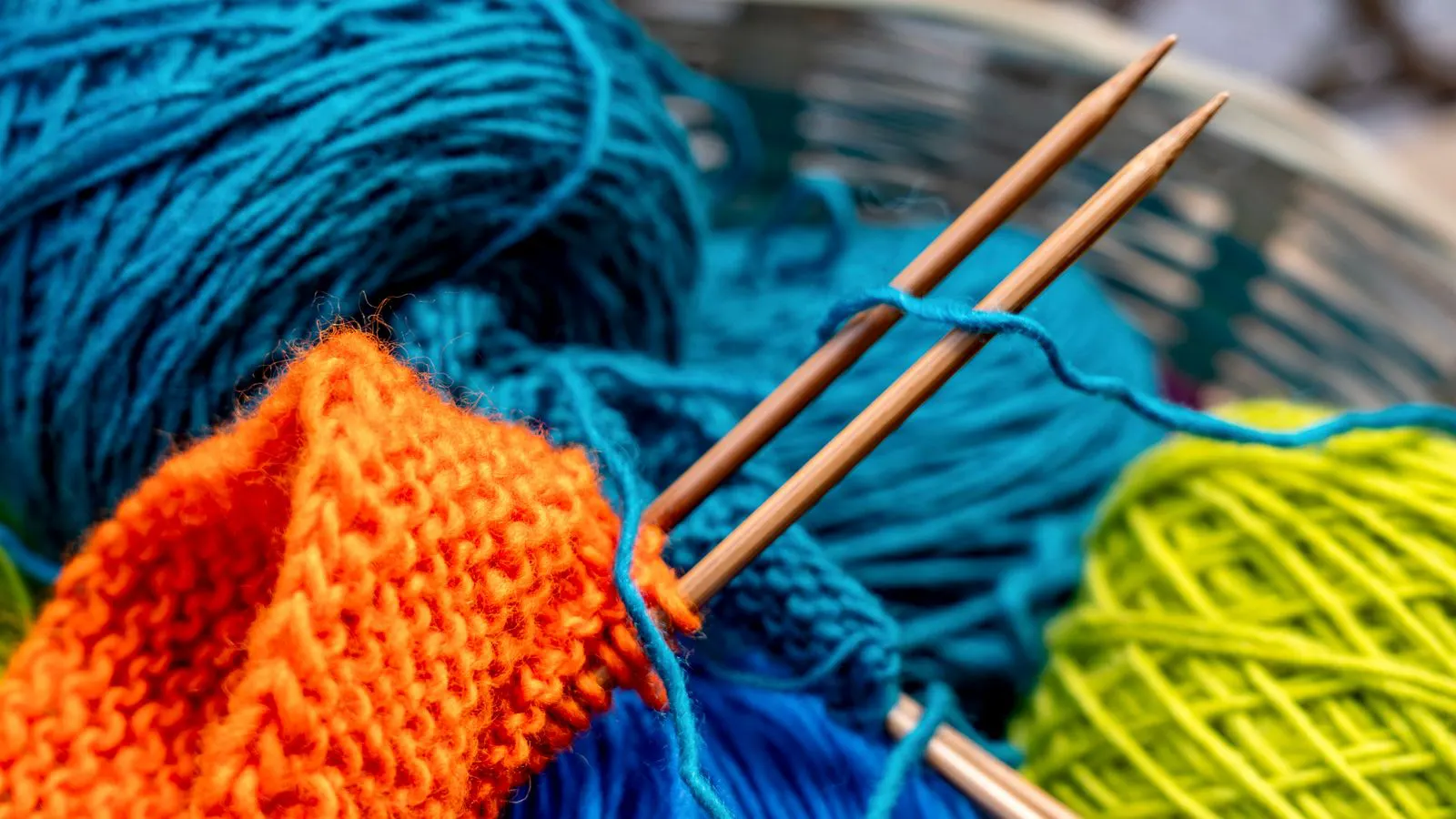
Knitting Machines
Buyers Guide: Choosing Trunk Knitting Machine Gauges
Match trunk knitting machine gauge to target fabric weight and width to ensure stable production and consistent quality. This guide outlines how to evaluate needle

Technical insights on knitting machine types, parts, troubleshooting, and capacity planning for apparel manufacturers.
Match trunk knitting machine gauge to target fabric weight and width to ensure stable production and consistent quality. This guide outlines how to evaluate needle
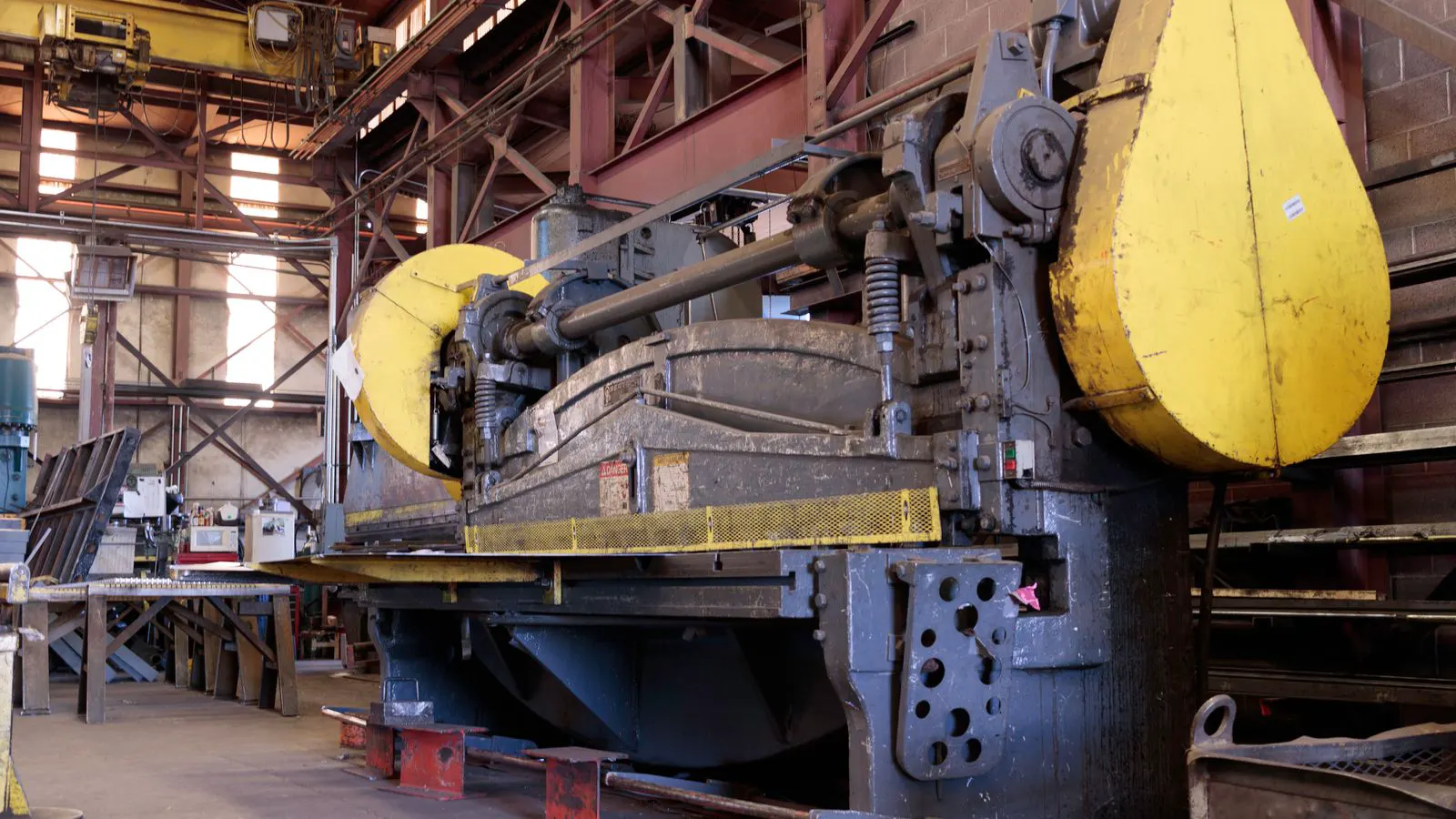
A trunk knitting machine setup requires detailed budgeting for capital equipment, installation labor, and facility modifications. This guide breaks down the primary cost
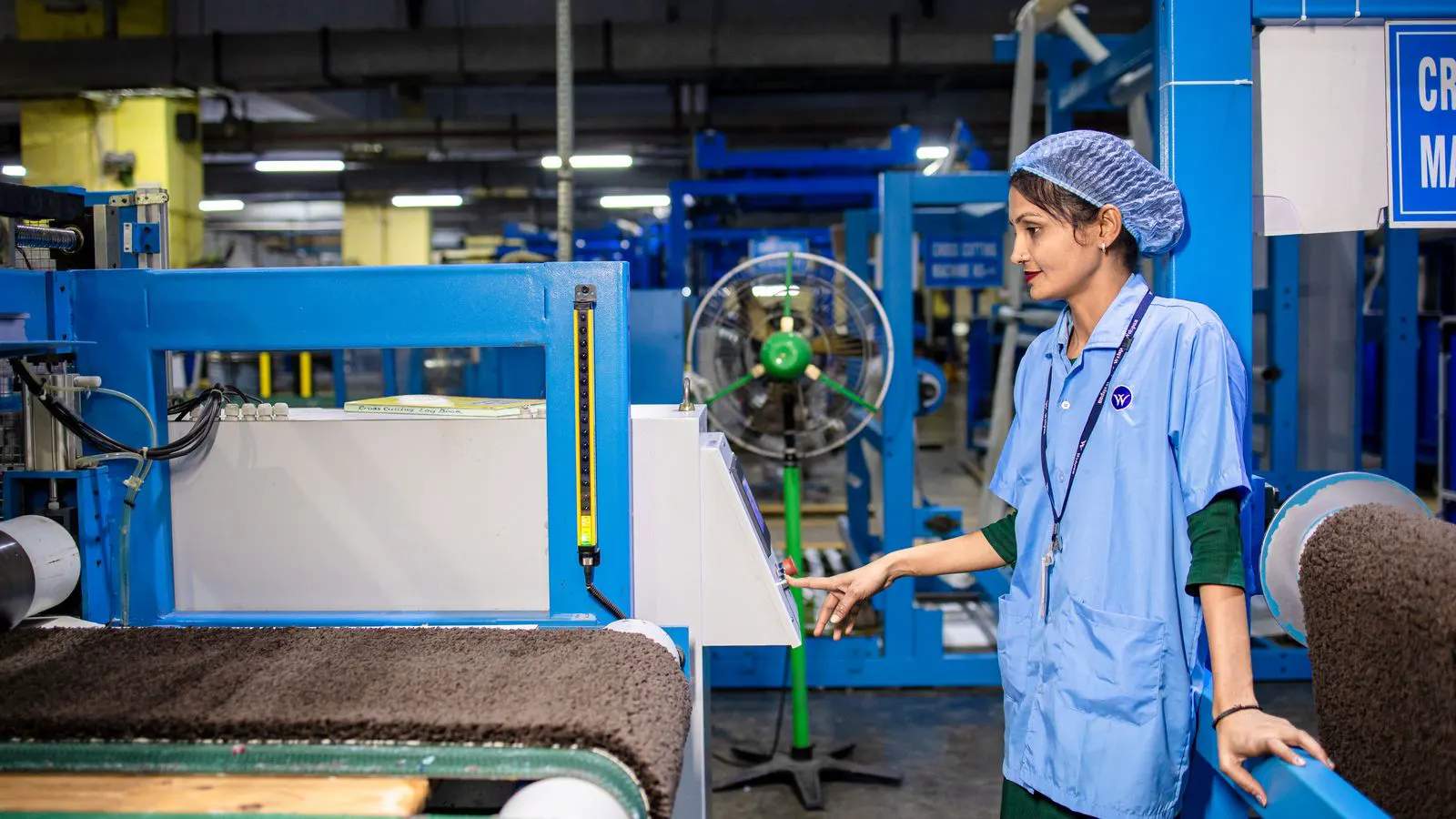
Importers should plan for digital thread monitoring, automated needle repair, predictive maintenance, flexible gauge changes, and data-driven yarn control. These
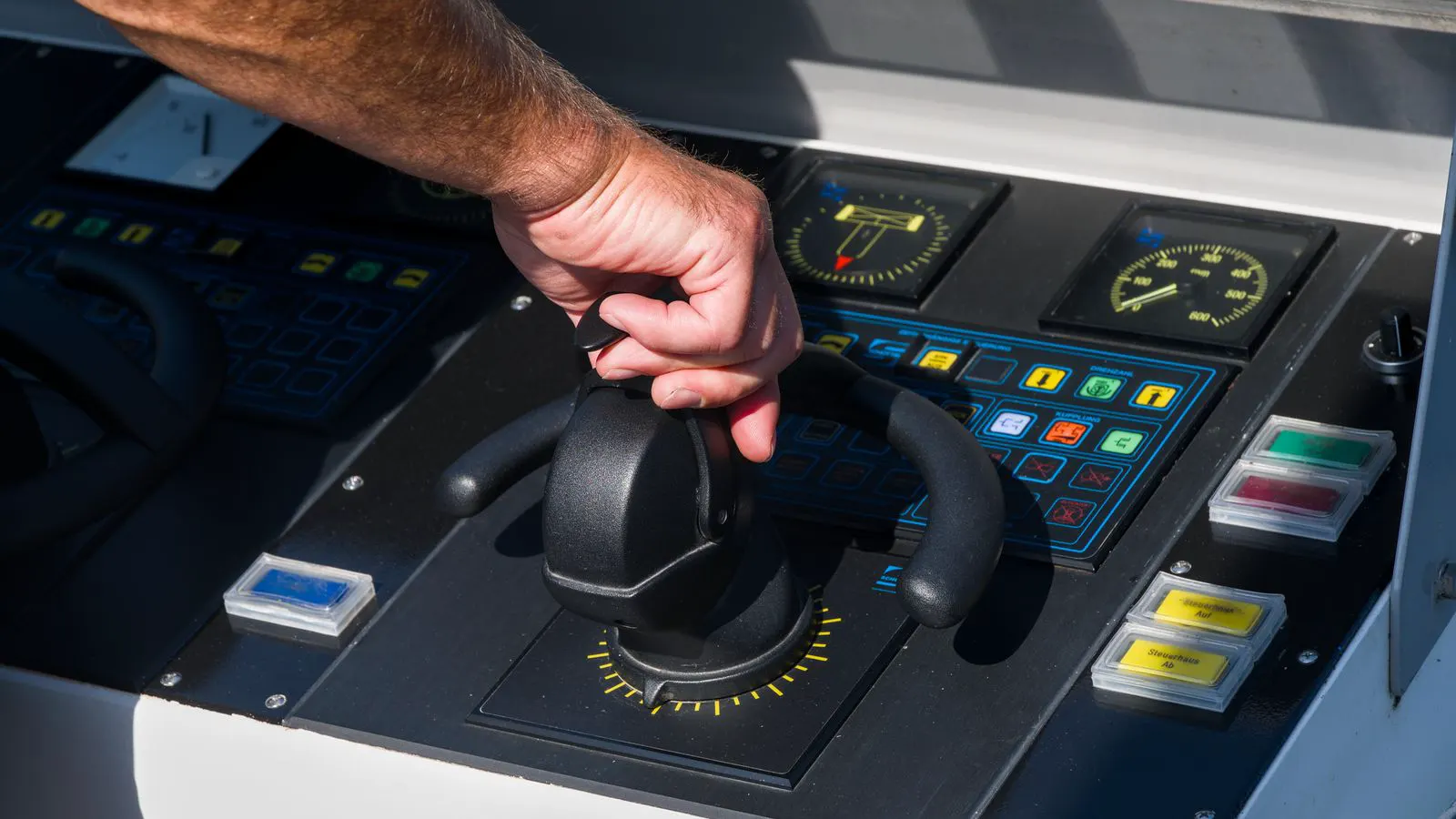
Machine gauge determines stitch density and fabric weight, directly influencing hand feel, shrinkage, and production yield. Choosing the right knitting machine types
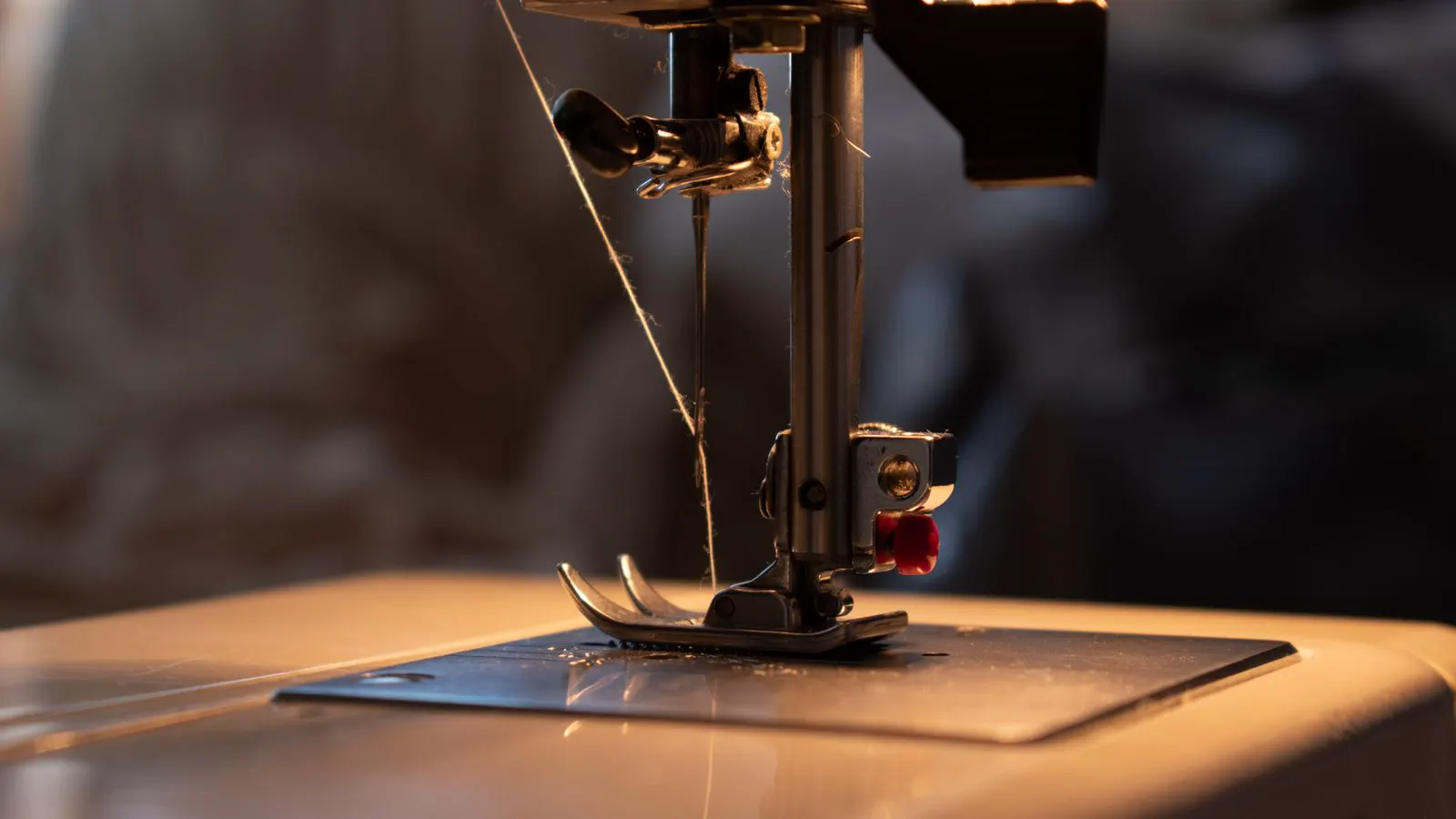
Reduced knitting machine speed usually stems from mechanical friction, worn parts, or electrical instability. This guide lists common symptoms, likely causes, and fixes
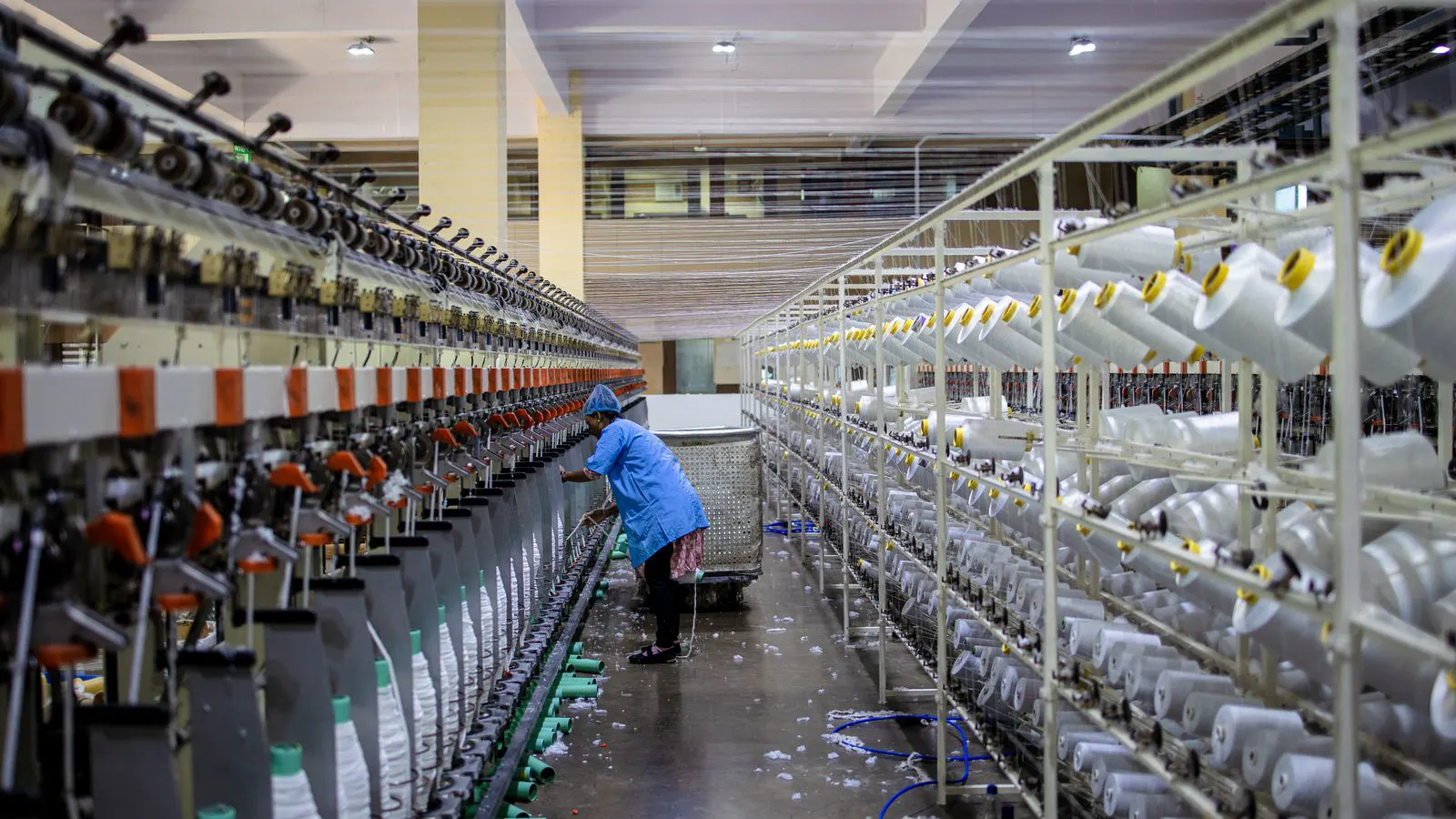
Trunk knitting machine capacity depends on needle count, gauge, speed, and yarn type. Buyers must match these specs to their target output and fabric quality to avoid
Procurement teams should stock needles, yarn feeders, and tensioners first. This checklist groups key spare components by function to help buyers order critical parts
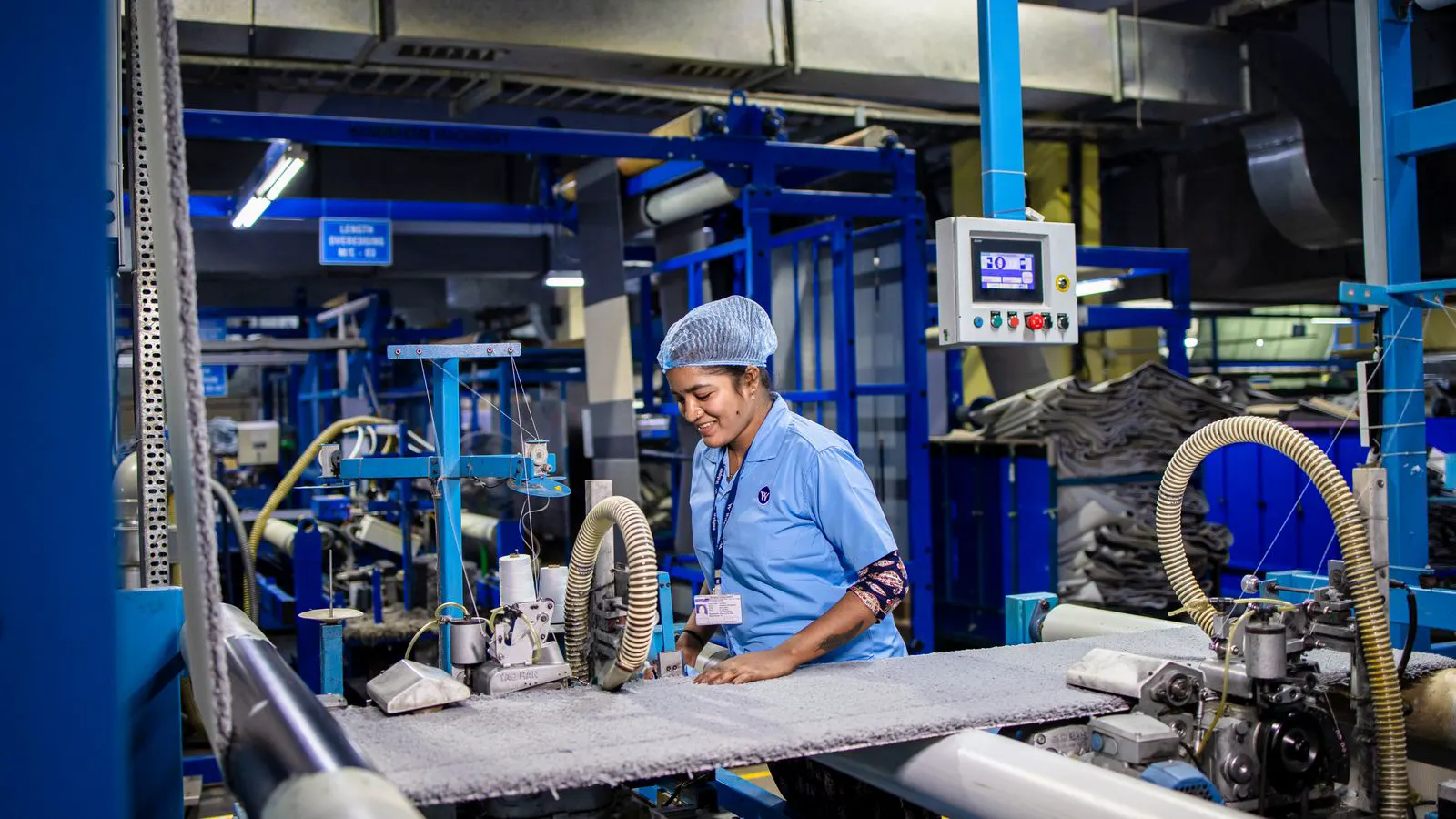
This checklist provides a systematic production readiness audit for knitting machines. It covers mechanical, electrical, and yarn handling checks. It helps operators
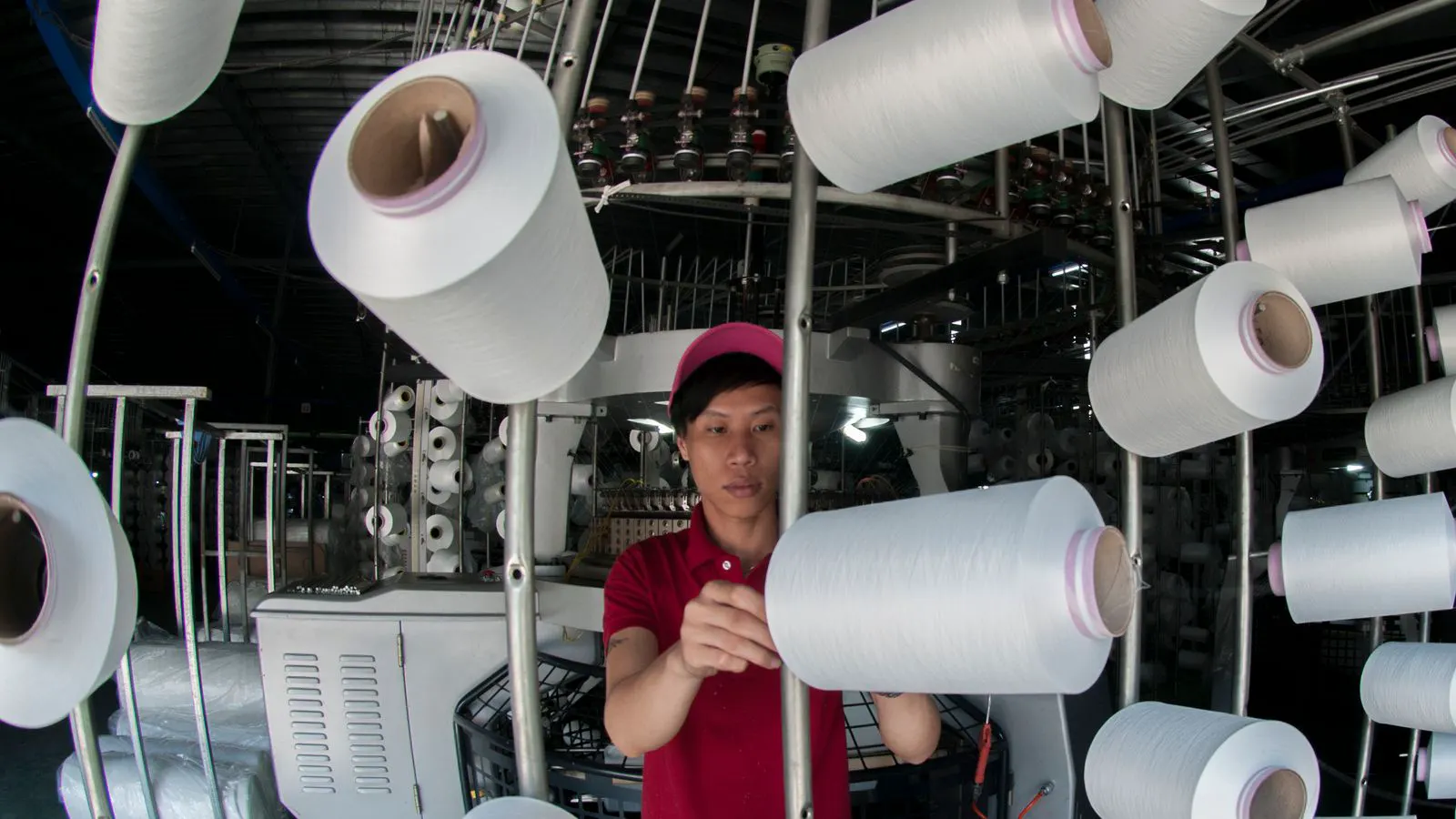
Yarn trends knitting are driving changes in fiber composition and structural behavior. This outlook identifies five material shifts buyers must plan for, focusing on how
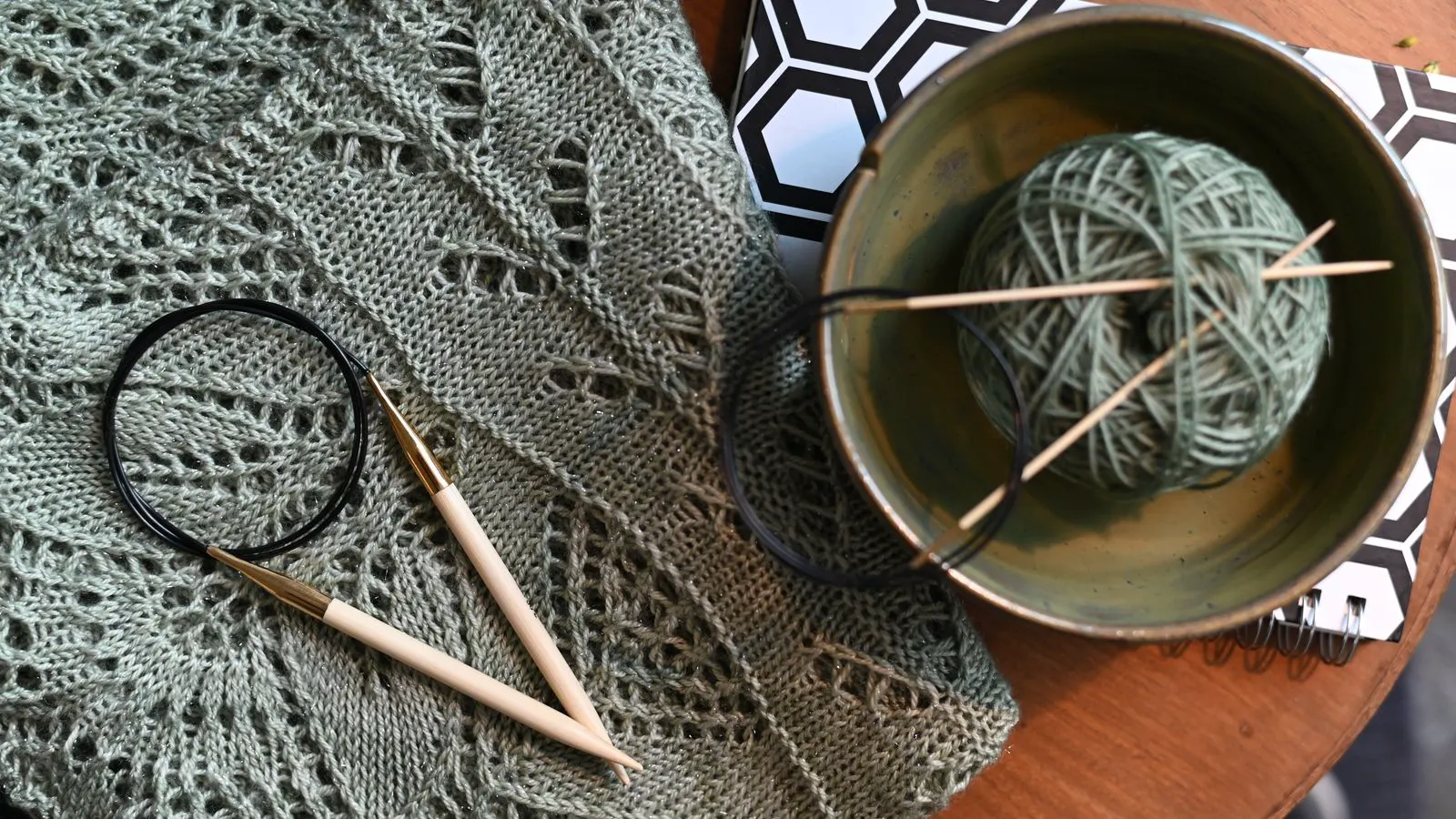
Knit fabric GSM and machine gauge directly determine fabric density. Machine gauge sets the stitch count per inch, while GSM measures total fabric weight. Buyers use
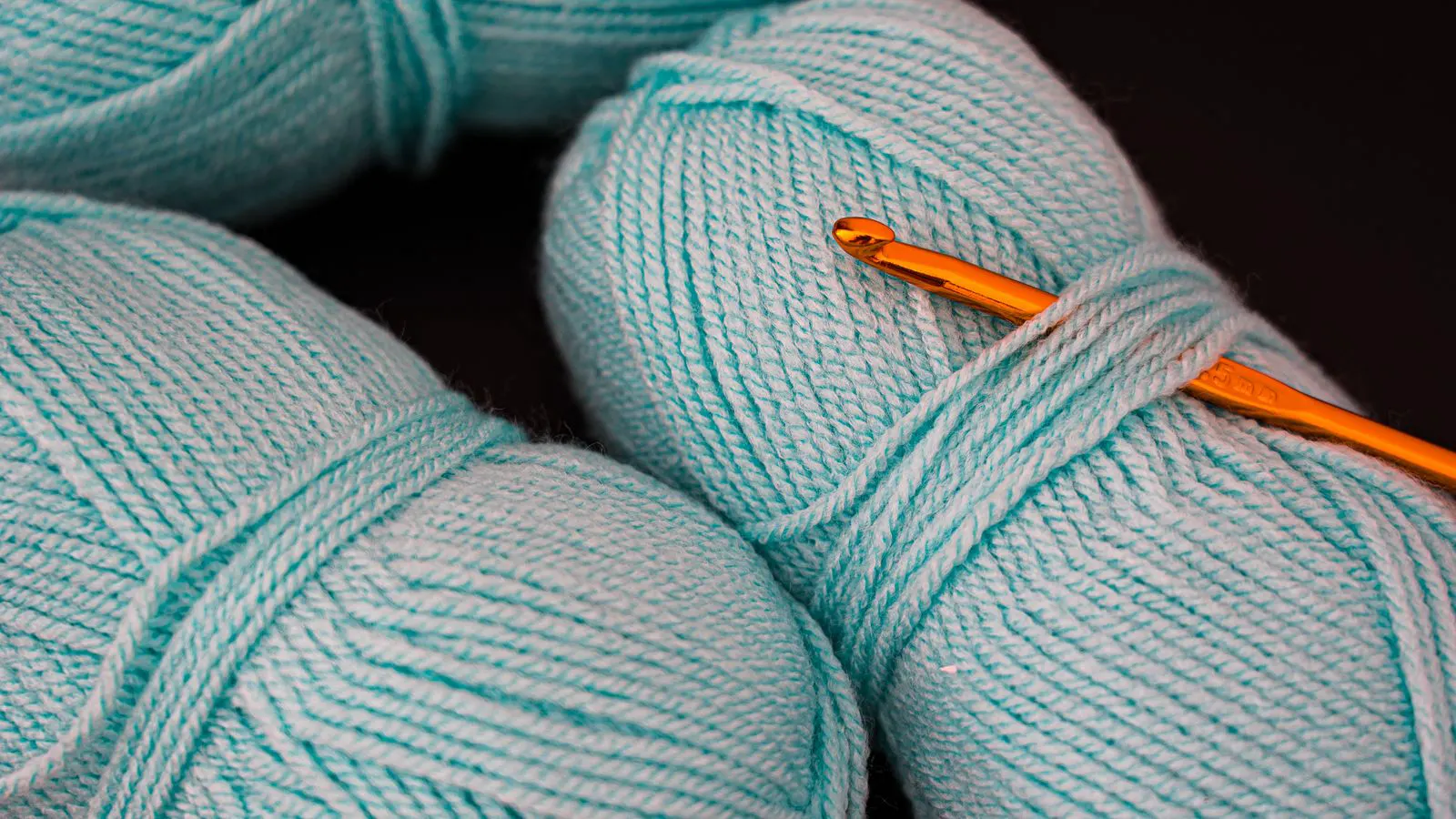
Knitting machine troubleshooting starts with isolating the break point and checking yarn flow. This guide covers common symptoms, likely mechanical or material causes

Evaluate the needle bed, carriage, feeders, and tension system before buying a circular knitting machine. This guide outlines specific criteria for checking these