Outlook: Yarn Trends in Knitting Machine Production
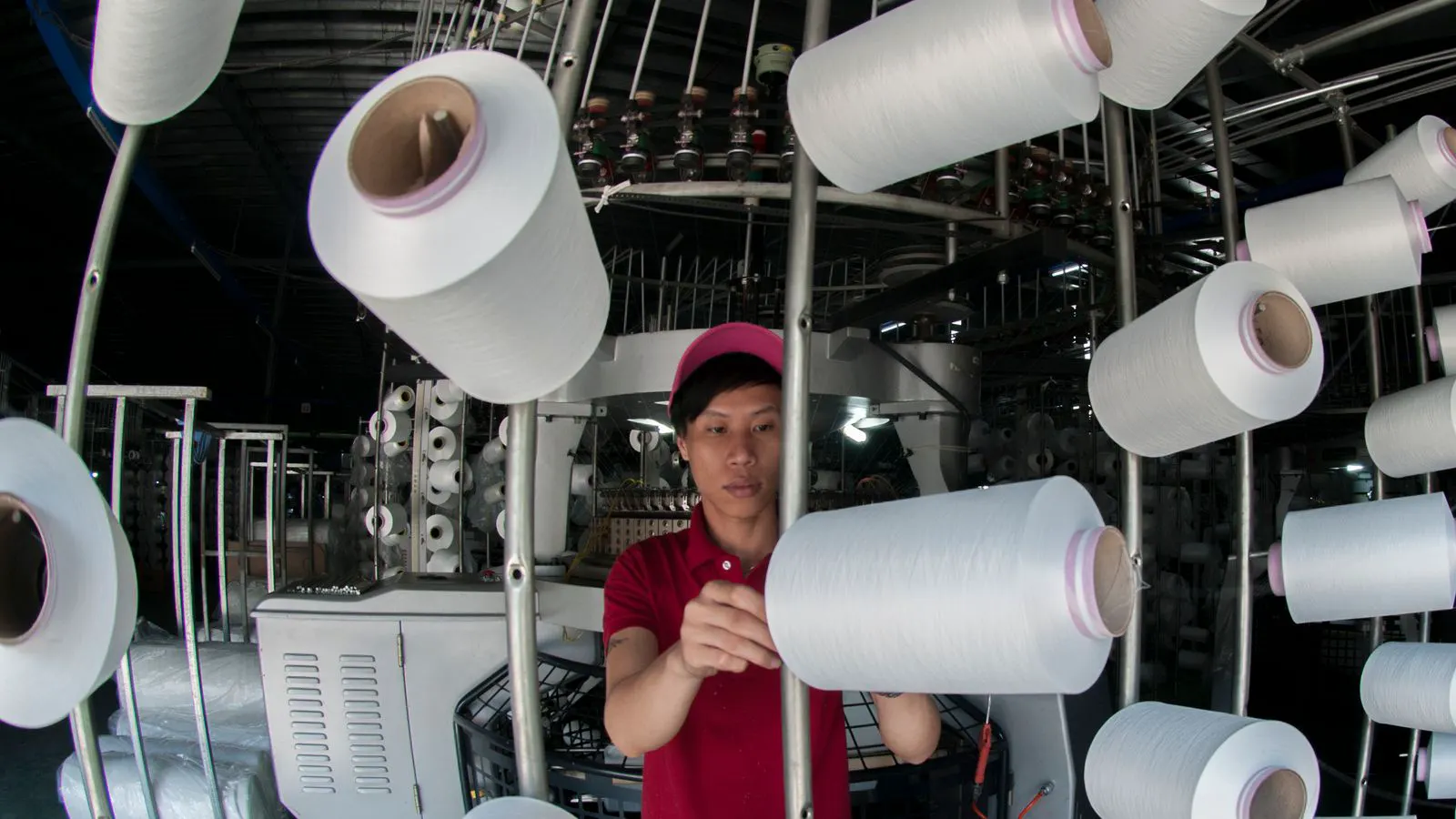
Yarn trends knitting are driving changes in fiber composition and structural behavior. This outlook identifies five material shifts buyers must plan for, focusing on how new yarns affect machine performance, tension settings, and production reliability on circular and flat knitting equipment.
- Fiber blends are shifting toward recycled and low-impact materials that require different tension calibration than virgin synthetics.
- High-elasticity yarns demand tighter machine maintenance routines to prevent breakage and maintain stitch formation.
- Material selection decisions should prioritize machine compatibility, not just fabric aesthetics or cost.
- Production reliability improves when operators receive training on the specific behavior of new yarn lots.
- Regular inspection of needles and guides is mandatory when switching yarn types to avoid premature wear.
How Yarn Composition Changes Machine Behavior
The shift from standard virgin polyester and cotton toward recycled fibers and bio-based blends is the most visible change in the textile industry. Recycled polyester has a different surface friction coefficient than virgin fiber. It often feels less smooth and can trap lint more readily. This changes how the yarn moves through the feed system. The machine may require slower feeding speeds to maintain consistent stitch formation.
Bio-based fibers such as lyocell and modal have higher wet strength but lower dry strength compared to nylon. When these materials are blended with cotton, the resulting yarn stretches more during the knitting process. This increased elasticity puts extra stress on the needles. If the machine tension is set for a stiffer yarn, the elastic blend will pull unevenly. The result is loose loops or dropped stitches.
Buyers who order machines for specific yarn types must define the fiber content in their specifications. A machine set up for high-elasticity yarns will not perform optimally with low-stretch acrylics. The feed rollers, needle guides, and tension discs all interact differently with each material class.
The Impact of Yarn Thickness Variations
Modern yarns are not always spun to a perfect constant diameter. Micro-irregularities in the yarn core affect the knitting cycle. These variations are common in high-twist yarns and in blends where the fiber diameter differs significantly. When a thicker section passes through the machine, it creates a temporary tension spike.
On circular knitting machines, the yarn travels around a large circumference. The needle bed is fixed, but the yarn path changes as the machine rotates. A thick spot can cause a momentary increase in loop tension. If the machine is running at high speed, this spike can snap the yarn or cause a snag. Flat knitting machines face a similar issue, but the yarn path is shorter. The needle bed is stationary, and the yarn is fed back and forth. The tension variation is more direct and easier to monitor.
To handle these variations, operators need to adjust the take-up tension. This is not a one-time setting. It must be checked every few hours during production. The yarn feed rollers should be inspected for wear. Worn rollers grip unevenly and amplify the effect of yarn thickness variations.
Production Reliability with High-Performance Yarns
High-performance yarns used in sportswear and technical wear are designed for stretch and recovery. These yarns often contain elastane or microfiber constructions. The elastane content can range from low single digits to high single digits depending on the final fabric requirements. The more elastane in the yarn, the more the machine must accommodate stretch.
The primary risk with high-elasticity yarns is over-stretching during the knitting cycle. If the yarn is pulled too hard, the elastane fibers can degrade. This reduces the fabric recovery and causes permanent distortion. The machine must be set with a lower take-up tension to allow the yarn to stretch naturally.
Production reliability drops when the machine is pushed beyond its design limits for a specific yarn type. A machine rated for standard yarns may struggle with high-elasticity blends. The needle guides must be smooth to prevent abrasion. Abrasion on elastane yarns creates weak points that break at the needle tip. Regular cleaning of the needle bed is required to remove fiber dust that can increase friction.
Material Selection for Different Machine Configurations
The choice of yarn must match the machine configuration. A machine with a high needle count is designed for fine gauge fabrics. These machines use thinner yarns. A machine with a low needle count handles thicker yarns for heavier fabrics. Mixing these materials causes problems.
Using a thick yarn on a high-gauge machine is inefficient. The yarn does not form clean loops. The machine may jam or drop stitches. Using a thin yarn on a low-gauge machine results in a loose, open fabric. The tension control is difficult to maintain. The yarn may slip off the needles.
Buyers should evaluate their machine gauge before selecting yarn. The gauge determines the maximum and minimum yarn thickness that can be processed. The feed system must be compatible with the yarn diameter. If the yarn is too thick, the feed rollers cannot grip it properly. If the yarn is too thin, it may slip through the tension discs.
Training and Documentation for Yarn Changes
Every change in yarn type requires a documentation update. The machine operator needs a specific setup sheet. This sheet lists the tension settings, feed speed, and needle bed configuration for that yarn. Without this document, operators guess. Guessing leads to defects and waste.
Operators must be trained on the behavior of the new yarn. They need to know how the yarn feels when pinched. They need to know how it stretches and recovers. They need to know how it reacts to moisture. A small change in humidity can alter the tension of a cotton-dominant yarn. The machine may need adjustment after a shift change or after a long production run.
Documentation also helps with troubleshooting. If a snag occurs, the operator can check the setup sheet to see if the tension was correct. They can compare the current yarn lot to the previous lot. They can identify if the problem is machine-related or yarn-related. This separation is critical for maintaining production reliability.
Preparing the Floor for Material Shifts
The knitting floor must be equipped to handle multiple yarn types. A dedicated storage area for yarns is necessary. Yarns should be separated by type and lot. Mixing lots of the same material can cause color variation. Mixing different materials causes tension inconsistency.
The machine must be cleaned thoroughly before switching yarns. Old fiber dust from a previous yarn can contaminate the new yarn. This dust increases friction in the feed system. It can cause snags and breaks. A vacuum attachment on the machine or a dedicated cleaning brush helps remove residue.
The tension discs must be inspected for wear. Worn discs lose their grip and allow the yarn to slip. Slipped yarn causes loose stitches. New tension discs are a low-cost investment that protects the machine. They also improve the consistency of the fabric.
Planning for Future Yarn Innovations
The industry is moving toward yarns with embedded sensors or conductive properties. These yarns are used in smart textiles. The machine must handle these special yarns without damaging the embedded components. The needle tips must be smooth to avoid puncturing the conductive coating. The feed system must be gentle to prevent bending the sensor elements.
Buyers who plan to use smart textiles need to specify this in their machine order. A standard knitting machine may not have the needle tip profile required for conductive yarns. The machine may need modified guides to prevent abrasion. This is a niche market, but it is growing. Preparation now avoids costly retrofits later.
The trend toward yarns with lower water usage and less chemical processing is also strong. These yarns may have different surface treatments. The surface treatment affects friction. A yarn with a smooth finish moves easily. A yarn with a textured finish grips better but requires more tension. The machine must be adjusted for each surface type.
Summary Table of Yarn Shifts and Machine Impacts
| Yarn Shift | Machine Impact | Preparation Required |
|---|---|---|
| Recycled Fibers | Higher friction, lint trapping | Clean needle bed, adjust feed speed |
| Bio-based Blends | Higher elasticity, lower dry strength | Lower take-up tension, inspect needles |
| High-Elastane | Over-stretch risk, abrasion | Smooth needle guides, regular cleaning |
| Micro-irregularities | Tension spikes, snags | Adjust take-up tension, inspect feed rollers |
| Smart Textiles | Puncture risk, bending | Modified needle tips, gentle feed system |
Key Actions for Buyers
- Define the exact fiber content and twist level in your machine specifications.
- Request sample knitting runs with the new yarn before full-scale production.
- Update operator training materials for each new yarn type.
- Inspect tension discs and needle guides before switching yarn lots.
- Maintain a separate storage area for different yarn materials.
Frequently asked questions
How do recycled yarns affect knitting machine tension?
Recycled yarns often have a rougher surface texture than virgin fibers. This increases friction in the feed system. Operators usually need to slow the feed speed or increase tension slightly to maintain consistent stitch formation.
What is the biggest risk when using high-elasticity yarns?
Over-stretching the yarn during the knitting cycle is the primary risk. This can degrade the elastane fibers and reduce fabric recovery. The machine must be set with lower take-up tension to allow natural stretch.
Does the machine gauge matter when selecting yarn?
Yes, the machine gauge determines the needle spacing and loop size. It sets the maximum and minimum yarn thickness the machine can process. Using a yarn that is too thick or too thin for the gauge causes defects and jams.
How often should tension discs be replaced?
Replacement depends on production volume and yarn type. Abrasive yarns wear discs faster. Inspect discs monthly. Replace them when the surface shows grooves or uneven wear. Worn discs cause yarn slippage and loose stitches.
Can a single machine handle multiple yarn types?
A machine can handle multiple types, but it requires setup adjustments for each. The tension, feed speed, and needle bed configuration must be changed. Proper documentation and operator training are required to maintain quality.