Comparison: Single vs Twin Needle Sewing for Knit Garments
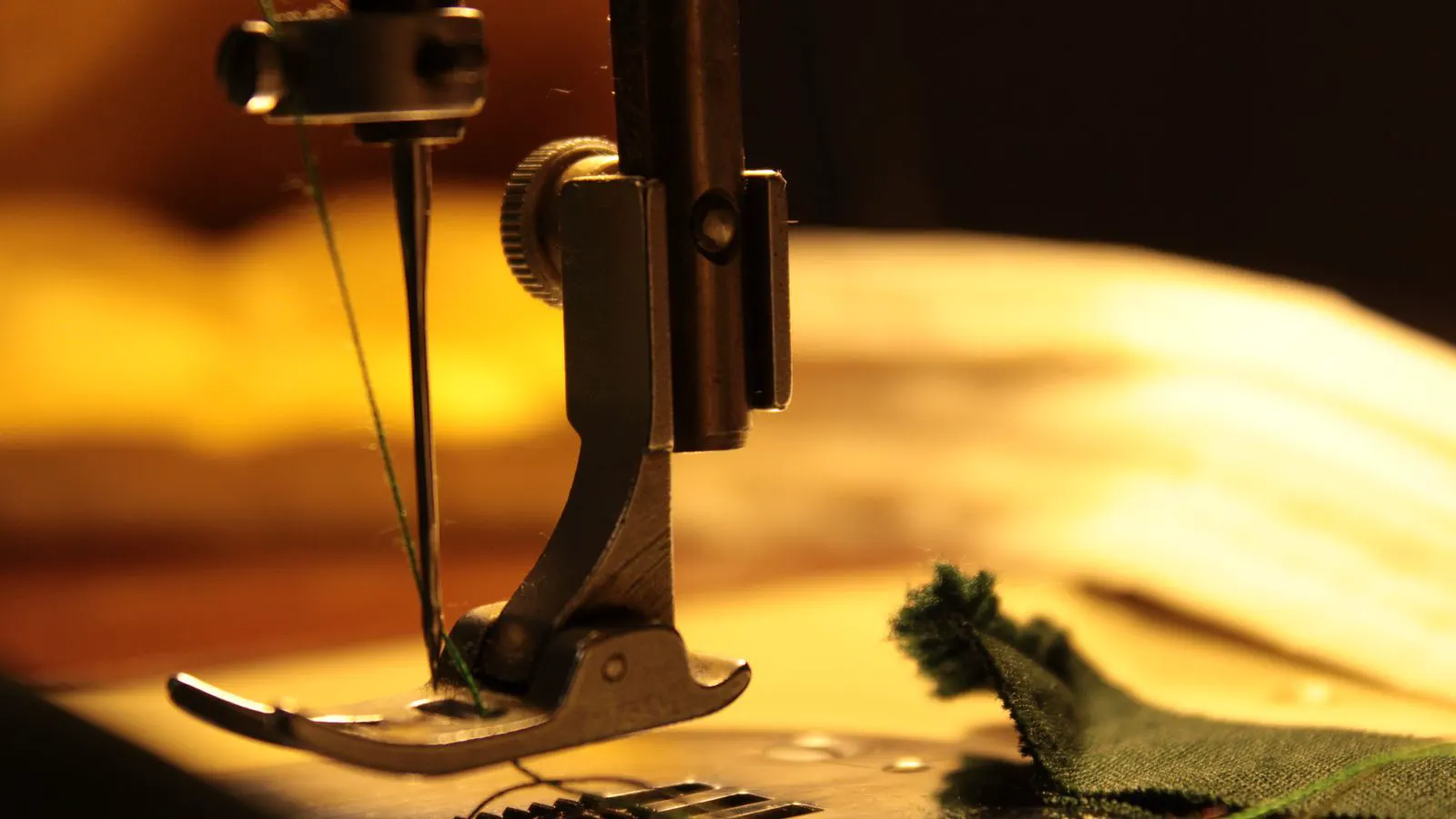
For knit garment sewing, twin needle systems generally improve speed and reduce seam stress on stretch fabrics. Single needles offer better control for high-precision areas. The right choice depends on fabric weight, seam type, and production volume.
- Twin needle setups reduce operator time per seam and lower the risk of fabric distortion on standard stretch knits.
- Single needle systems remain superior for tight curves, high-precision seams, and very heavy or delicate knits where needle load must stay low.
- Needle type and tension calibration matter as much as the number of needles when sewing stretch fabrics.
- Production volume and seam complexity should drive the final sewing machine selection decision.
- Regular needle inspection and proper presser foot pressure checks are critical for consistent quality in either system.
What Changes When You Move from Single to Twin Needles
A twin needle sewing machine uses two needles in close proximity to create a chain-stitch seam that resembles a lockstitch on the right side. The left needle carries the thread to the needle plate area, while the right needle forms the visible seam. A single needle machine uses one needle and one thread path to create a standard lockstitch or overlock-adjacent seam.
The main difference is how the fabric is handled during the stitch cycle. Twin needle machines pull the fabric through two needle holes at the same time. This can create a slight draw effect on stretch knits if the presser foot pressure is too high or the needle spacing is not matched to the fabric width. Single needle machines apply load through one point. That makes them easier to control on narrow seams, but slower when running long straight seams.
For knit garment sewing, the choice affects three things. First, stitch speed. Twin needles can complete a seam in roughly half the time of a single needle on the same stitch length, assuming the machine is set up correctly. Second, seam appearance. Twin needle seams show a flat, dense line on the right side. Single needle seams show a narrower line. Third, fabric stress. Stretch knits move under tension. A twin needle setup that is too aggressive can leave visible puckering or pull the seam open over time.
How Seam Type Shapes Your Sewing Machine Selection
Not every seam on a knit garment behaves the same. A side seam on a jersey t-shirt is a long, straight line with moderate stretch. A shoulder seam may need to handle more bulk at the shoulder cap. A neckline seam may require a very tight curve and a seam allowance that will be folded back.
For long straight seams on standard-weight knits, twin needle machines are often the faster option. The operator can run a full side seam without stopping to thread the machine multiple times. The chain-stitch seam also distributes thread tension across a wider area, which can reduce the chance of a single thread breaking under stretch.
For neckline seams and sleeve openings, single needle machines give more control. The operator can reduce stitch length to 2.0 mm or lower and increase the presser foot pressure slightly to keep the fabric from shifting. A twin needle machine may struggle on a tight curve because the two needles occupy a fixed distance apart. If the seam allowance is narrower than the needle spacing, the left needle may hit the seam edge or create a hole in the fabric.
For sleeve openings on heavier knits such as fleece or interlock, the decision depends on the fabric construction. Fleece has a soft, nap-like surface. A single needle with a ballpoint needle can penetrate cleanly. A twin needle may work, but the operator must lower the presser foot pressure to avoid crushing the nap. Interlock knits are denser and more stable. They handle twin needle sewing well because the fabric does not distort as easily under tension.
Key Factors in Knit Garment Sewing
Several factors influence the decision. The first is fabric weight. Lightweight single jersey stretches more and is more sensitive to needle load. A twin needle setup may work, but the presser foot pressure must be reduced and the needle spacing may need to be adjusted if the machine allows it. Heavier knits such as rib knits or double jersey hold their shape better. They tolerate twin needle sewing with less risk of distortion.
The second factor is seam allowance. Twin needle machines require a minimum seam allowance equal to the distance between the two needles plus a small margin. If the garment pattern uses a 1.0 cm seam allowance and the needle spacing is 3.0 mm, there is enough room. If the pattern uses a 0.8 cm seam allowance and the needle spacing is 4.0 mm, the left needle may be too close to the seam edge. In that case, a single needle machine is the safer choice.
The third factor is production volume. A small batch of 200 garments may be better suited to a single needle machine because the setup time for twin needle threading and balancing is higher. A large run of 10,000 garments benefits from the speed of a twin needle system. The operator can run multiple seams in a shorter time, and the machine can be kept at a consistent speed without frequent stops.
The fourth factor is stitch quality. Twin needle seams can show a slightly raised line on the right side. For a casual t-shirt, this is usually acceptable. For a formal knit shirt or a garment where a flat, invisible seam is required, a single needle with a fine needle may be preferred. The thread choice also matters. A heavier thread on a twin needle setup can make the seam look bulky. A fine thread keeps the seam flat.
Needle Types and Their Role in Selection
Needle type is often overlooked when comparing single and twin needle systems. The needle must match the fabric construction. A standard sharp needle will catch the loops in a knit fabric and create skipped stitches or holes. A ballpoint or stretch needle has a rounded tip that slides between the yarns instead of piercing them.
For single needle sewing of knits, a ballpoint needle in a size that matches the thread weight is the standard. If the fabric is very lightweight, a smaller needle size reduces the hole size and lowers the chance of the fabric puckering. If the fabric is a heavy rib knit, a larger needle is needed to penetrate the dense yarns cleanly.
For twin needle sewing, both needles must be the same type and size. If one needle is a ballpoint and the other is a sharp, the seam will be uneven and the thread tension will be inconsistent. The left needle, which carries the thread to the needle plate, also needs to be sharp enough to penetrate the fabric cleanly. If the left needle is too dull, the thread will drag and create a loose stitch.
Needle condition matters as much as needle type. A bent or burr needle will skip stitches and damage the fabric. In a high-speed production environment, needles should be checked every few hours. In a small batch environment, checking needles at the start of each shift is usually enough. A single damaged needle in a twin needle setup can ruin a full seam, so the operator should listen for changes in the machine sound and look for skipped stitches at the beginning of each seam.
When to Choose Each System
A twin needle system is the better choice when the production run is large, the seams are long and straight, and the fabric is a standard-weight knit with a stable construction. The speed gain is significant. The operator can complete a garment in less time, and the seam quality is consistent when the machine is set up correctly. Twin needle machines also reduce thread consumption because the chain-stitch seam uses less thread than a double lockstitch.
A single needle system is the better choice when the seams are short, curved, or require high precision. It is also the better choice for very lightweight knits where the needle load must be minimized. Single needle machines are easier to set up for small batch production because there is only one needle to thread and balance. The operator can also change stitch length quickly without affecting the twin needle timing.
A hybrid approach is common in many garment factories. The factory uses twin needle machines for side seams and sleeve openings on standard knits. It uses single needle machines for neckline seams, placket seams, and other areas where precision matters. This approach balances speed and quality. The factory can assign the twin needle machines to high-volume operations and keep the single needle machines available for complex seams.
Practical Checks Before Starting Production
Before running a full batch, the operator should check the presser foot pressure. For knit fabrics, the pressure should be low enough to allow the fabric to move freely but firm enough to prevent shifting. A common mistake is to set the pressure too high because the fabric is not moving. On a twin needle machine, this is especially dangerous because the two needles pull the fabric through two points at the same time. Excess pressure can cause the fabric to stretch and the seam to distort.
The needle plate should be clean. A burr or a piece of lint on the needle plate can catch the thread and cause skipped stitches. The needle should be seated fully in the needle bar. A needle that is not seated correctly will vibrate and break during high-speed operation. The thread should be wound evenly. A twisted thread spool can cause uneven tension and a weak seam.
The operator should also check the fabric width. If the fabric is narrower than the twin needle spacing, the left needle may hit the edge of the fabric. In that case, the operator should reduce the needle spacing if possible or switch to a single needle machine. The seam allowance should be measured and marked. A consistent seam allowance is critical for garment fit. A variation of even 0.5 mm across a side seam can affect the final garment width.
Final Thoughts on Sewing Machine Selection
The choice between single and twin needle sewing is not about which is better. It is about which is better for the specific fabric, seam, and production volume. Twin needle systems offer speed and efficiency for long, straight seams on standard knits. Single needle systems offer control and precision for curved, short, or high-precision seams. The right sewing machine selection depends on the operator’s skill, the machine’s setup, and the quality standards of the garment.
A factory that uses both systems can cover the full range of knit garment requirements. The key is to match the machine to the seam, not the other way around. A twin needle machine is not a problem for a simple t-shirt side seam. A single needle machine is not a problem for a neckline seam. The mistake is to force one system to do a job it is not designed for.
The final check is always the finished garment. The seam should be flat, even, and strong. The fabric should not be puckered or stretched. The thread should be the right color and weight. If the seam passes these checks, the machine selection is correct. If it does not, the operator should adjust the presser foot pressure, the needle type, or the stitch length before running more fabric.
Frequently asked questions
Can a twin needle machine sew very lightweight jersey?
Yes, but the presser foot pressure must be reduced and a fine ballpoint needle must be used. The needle spacing may also need to be adjusted to match the fabric width.
What is the main quality risk with twin needle sewing on knits?
The main risk is fabric distortion. If the presser foot pressure is too high, the fabric can stretch during the stitch cycle, leaving visible puckering or pulling on the seam.
How does needle type affect stitch quality in knit garment sewing?
Needle type determines how the needle penetrates the fabric. A ballpoint needle slides between yarns and reduces skipped stitches. A sharp needle pierces the yarns and can create holes.
Is twin needle sewing always faster than single needle sewing?
For long, straight seams, yes. For short or curved seams, the speed difference may be minimal because the operator needs to stop and reposition the fabric more often.
What should I check first if I see skipped stitches on a knit seam?
Check the needle first. A dull, bent, or burr needle is the most common cause. If the needle is good, check the presser foot pressure and the fabric type.