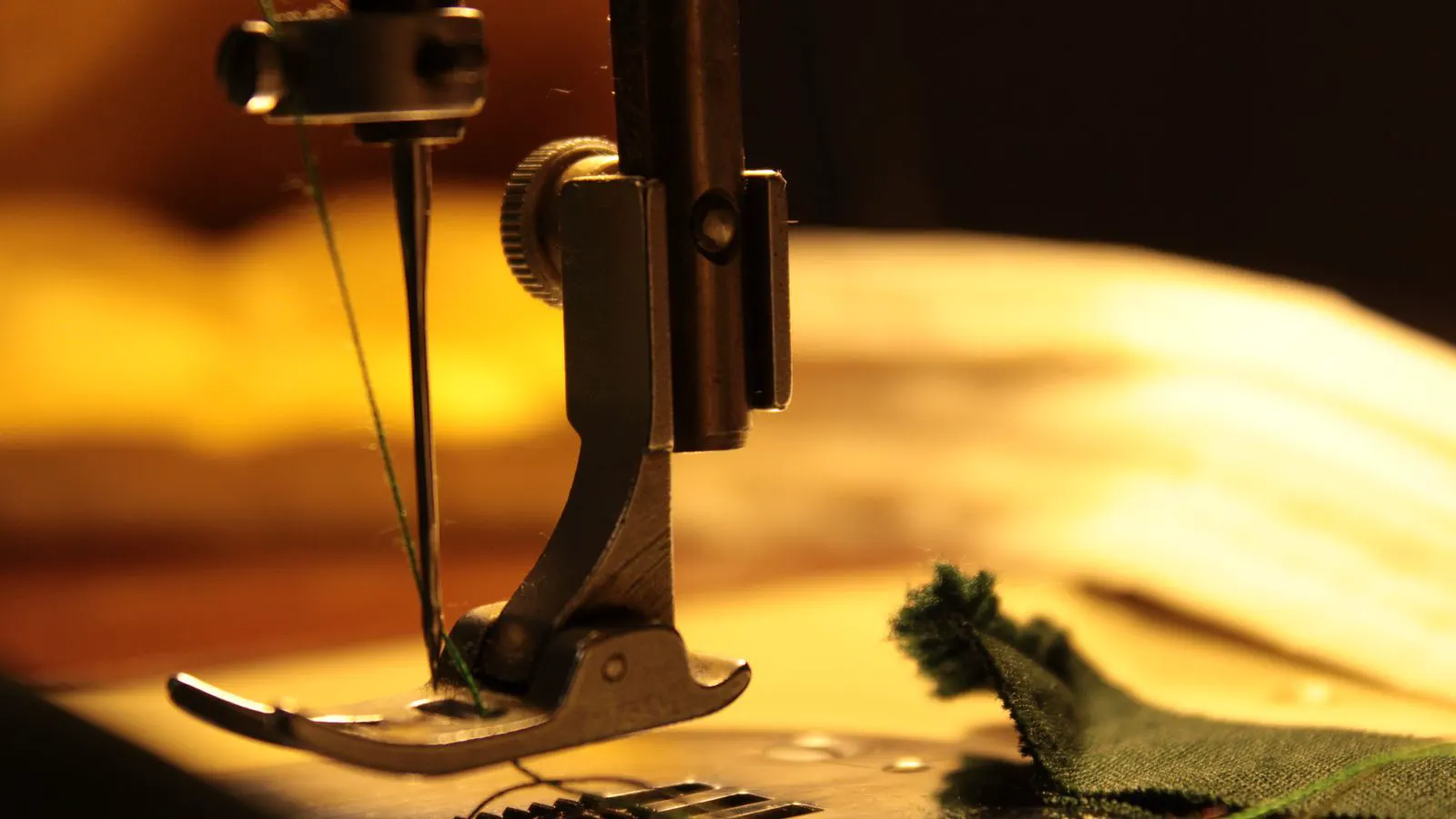
Circular vs Flat Knitting Machines for Stock
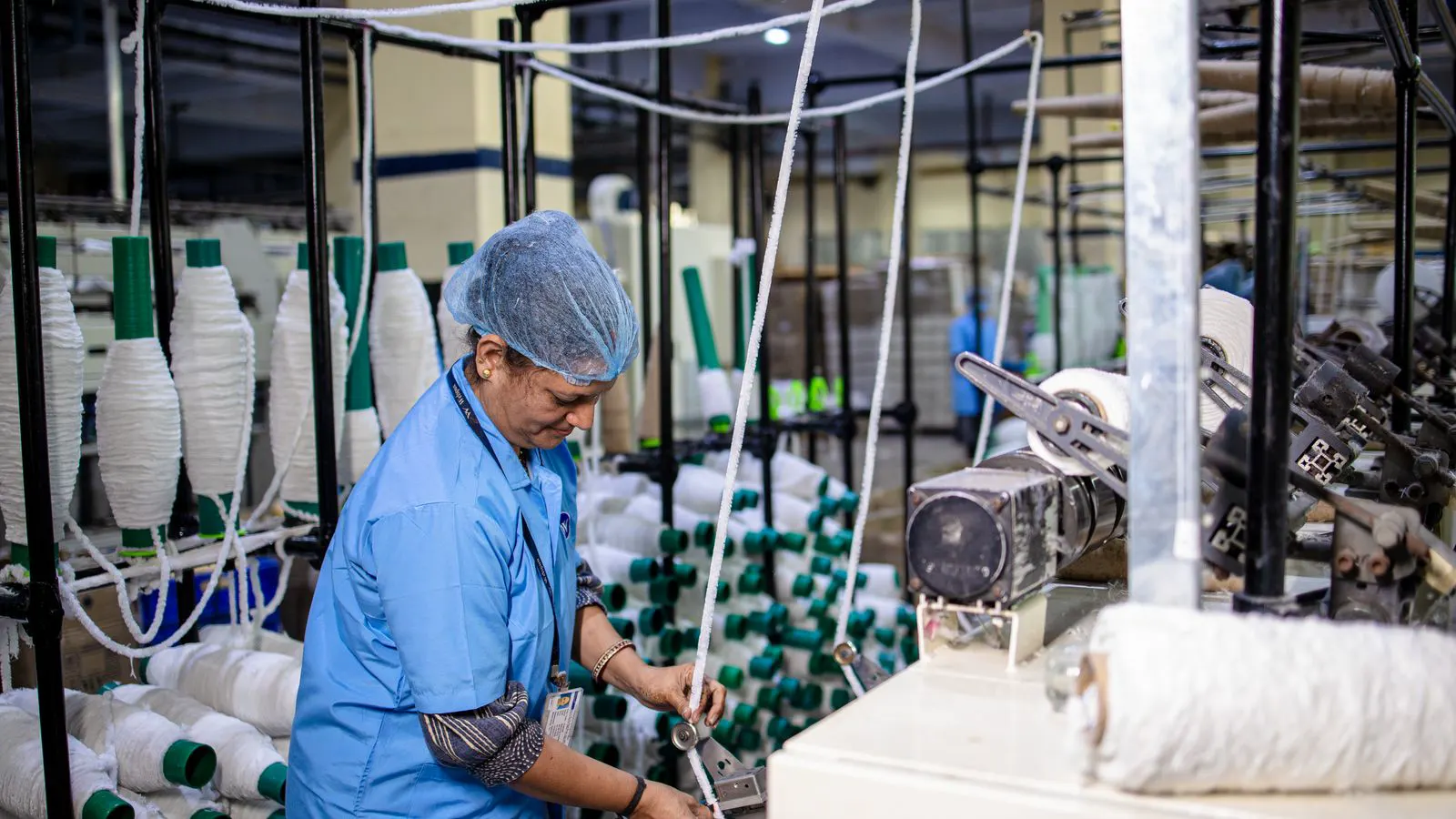
Circular machines suit high-volume, consistent stock production with continuous output. Flat machines handle complex patterns and lower volume batches with more setup time. The correct choice depends on your target production volume and fabric complexity.
- Circular knitting machines produce continuous fabric on large-diameter tubes, ideal for high-volume stock runs.
- Flat knitting machines create flat panels, allowing for complex patterns and lower minimum batch sizes.
- Production volume is the primary factor in choosing between machine types for stock planning.
- Setup times and fabric complexity requirements must align with your inventory strategy.
- Machine selection directly impacts lead time, cost per meter, and quality control consistency.
Why machine type changes the stock plan
Circular and flat knitting machines process the same raw yarn but create fabric in fundamentally different geometries. Circular machines form a continuous tube on large needles arranged in a circle. Flat machines produce a flat panel by moving needles back and forth across a bed. This structural difference drives every decision about production volume, fabric complexity, and inventory management.
Stock planning fails when the machine type does not match the order profile. A high-volume jersey stock run on a flat machine creates changeover delays that inflate unit costs. A complex patterned batch on a circular machine may require post-production cutting or additional finishing to remove the tube seam. The geometry of the fabric determines the downstream operations, and those operations determine the cost structure of the stock.
When you plan stock, you are not just counting meters. You are predicting how much fabric will sit in the warehouse, how quickly it will turn, and what happens when the design changes. The machine you select sets the pace for all three variables. A mismatch between machine capability and stock demand leads to either excess inventory of the wrong style or stockouts of the right one.
How circular machines handle production volume
Circular knitting machines run continuously. The fabric forms a tube as the needle bed rotates. There is no need to cut the fabric at the end of each pass. This continuous loop suits production volume targets that exceed a few thousand meters per shift.
The main advantage for stock planning is output consistency. Once parameters are set for a specific yarn gauge and stitch pattern, the machine maintains those settings through long runs. For a 50,000-meter stock order, a circular machine minimizes the time spent on setup and quality checks relative to total output.
The limitation appears when the stock plan includes multiple small batches. Each change of yarn, needle count, or stitch pattern on a circular machine requires downtime. Cleaning, re-threading, and recalibrating the needles eat into the run time. If your stock profile shows orders under 5,000 meters with frequent style changes, the circular machine becomes inefficient.
Consider a warehouse that holds 30,000 meters of plain rib stock for a sportswear distributor. The distributor places one large order per month. The circular machine runs for three days, produces the full quantity, and then goes idle or switches to a minor adjustment. The idle time is acceptable because the stock turns quickly. Now imagine the same warehouse receives ten orders of 3,000 meters each, with different yarns and colors. The machine spends more time changing over than knitting. The cost per meter rises sharply.
How flat machines handle production volume
Flat knitting machines produce fabric on a flat bed. The needles move across the width of the machine in a reciprocating motion. The fabric emerges as a flat panel rather than a tube. This geometry supports complex patterns, intarsia work, and color changes across the fabric width.
For production volume, flat machines shine in lower-volume, high-complexity stock. A 500-meter order with three color zones and a textured pattern is practical on a flat machine. The same order on a circular machine requires cutting the tube and possibly adding seam construction or pattern work after the fact.
The trade-off is output speed. Flat machines generally produce fewer meters per hour than circular machines of equivalent needle count. A 150,000-meter stock order on a flat machine extends the lead time significantly compared to the same order on a circular unit.
Flat machines also handle edge construction differently. The fabric edges are stable and do not require the same tension management as a circular tube. This makes them better suited for items where the edge quality matters, such as panels for outerwear or structured garments.
If your stock plan includes a lot of sample runs or prototype fabrics, the flat machine is often the default choice. The setup is slower, but the output is more forgiving for small, varied batches.
Circular vs flat knitting comparison for stock
| Option | Best for | Limitations |
| Circular knitting | High volume stock runs, consistent jersey and rib fabrics, low setup frequency | Complex patterns limited, tube seam management, minimum efficient batch size |
| Flat knitting | Low volume batches, complex patterns, intarsia, textured fabrics, short lead time for small orders | Lower output speed, higher setup time for pattern changes, higher cost per meter at volume |
| Hybrid approach | Mixed stock portfolio with both large and small orders | Requires two machine types, doubles maintenance footprint, complicates scheduling |
| Single flat machine | Pattern-heavy stock with no large volume commitments | Long lead times for volume orders, limited capacity for continuous stock replenishment |
This table summarizes the core trade-offs. The decision is rarely about which machine is better. It is about which machine fits the dominant shape of your stock.
When to pick circular for stock
Choose circular knitting when the stock profile shows a dominant volume segment. If the majority of your inventory turns come from base fabrics like plain jersey, ribbed cuffs, or basic t-shirt body stock, the circular machine aligns with that demand.
The stock plan benefits from continuous production. A circular machine can run the same yarn and pattern for days without interruption. Quality control focuses on monitoring tension, needle wear, and yarn feed rather than managing pattern changes. For a warehouse that maintains 20,000 meters of stock for one style, this setup keeps the cost per meter low.
The constraint is pattern flexibility. If the stock plan includes seasonal patterned items that make up a large share of revenue, the circular machine may not handle them efficiently. Intarsia and multi-color patterns require specialized circular needle configurations or post-production work that adds cost.
Circular machines also require careful yarn preparation. The yarn must feed smoothly into the needle bed without twisting or tangling. Any inconsistency in yarn tension shows up in the fabric as loops or uneven stitches. For high-volume stock, a single yarn defect can waste hundreds of meters.
When to pick flat for stock
Choose flat knitting when the stock profile is driven by pattern complexity and small batch sizes. If your inventory turns through a mix of color-blocked panels, textured fabrics, and one-off style runs, the flat machine matches that profile.
The flat machine supports the production volume needs of a fashion-focused stock plan. Each order may be under 2,000 meters, but the pattern work justifies the setup time. The cost per meter is higher than circular, but the stock does not sit idle in the warehouse because the fabric matches the design specification without secondary processing.
The limitation is capacity. If the stock plan grows and volume orders enter the mix, the flat machine cannot keep pace. A 100,000-meter order stretches the lead time and may require multiple machines or a shift to circular production.
Flat machines also allow for more precise control over edge finishing. The edges are knit in place, which reduces the need for hemming or overlocking during finishing. This is a significant advantage for garments where the edge quality affects the final look.
How production volume drives the final choice
Production volume is the deciding factor in most stock planning scenarios. Calculate the average order size and the frequency of orders. If the average order exceeds 10,000 meters and the pattern remains consistent, circular knitting reduces the cost per meter. If the average order is under 3,000 meters and the pattern changes frequently, flat knitting protects margin despite lower output speed.
The hybrid approach works when the stock portfolio is split. Many stock planners run one circular machine for base fabrics and one flat machine for patterned items. This setup requires managing two sets of maintenance schedules, two sets of operator training, and two inventory streams. The cost structure reflects that complexity.
Consider a stock plan that includes 80% base jersey and 20% patterned knit. The circular machine handles the 80% efficiently. The flat machine handles the 20% without slowing down the base fabric production. If you tried to run the entire stock plan on one machine type, you would either overpay for the small patterned batches or struggle to meet the volume demand on the base fabrics.
Practical checks before committing to a machine type
Before finalizing the machine selection for stock, run three checks. First, map the last six months of stock orders by fabric type and meter quantity. Identify the volume threshold where circular output becomes cheaper than flat output. Second, review the pattern complexity of each order. Count the number of color changes, intarsia panels, and texture zones. Third, assess the lead time tolerance of your customers. A flat machine may be acceptable if the customer accepts a two-week lead time for a 1,000-meter patterned order. A circular machine may be unacceptable if the customer needs a 50,000-meter stock replenishment in under ten days.
These checks turn the circular versus flat decision from a gut feeling into a stock-based calculation. The machine that fits your volume and complexity profile will keep inventory turns healthy and reduce the cost of excess or shortage.
Frequently asked questions
Can I run small patterned batches on a circular knitting machine?
Yes, but the pattern complexity is limited compared to flat machines. Intarsia and multi-color patterns require specialized needle work or post-production processing that adds time and cost.
What is the typical minimum efficient batch size for circular knitting?
The threshold depends on yarn type and pattern complexity. As a general rule, orders above 5,000 meters favor circular machines because setup time becomes a smaller share of total production time.
How does flat knitting affect lead time for small orders?
Flat machines can start production quickly after setup, which suits small batches. However, the lower output speed means larger orders take longer to complete compared to circular machines.
Do I need both circular and flat machines for a mixed stock portfolio?
Many stock planners do. Running both types allows the base fabric volume to be produced efficiently while patterned items are handled without delaying the volume run.
Can I convert a circular machine to flat knitting?
No. The needle arrangement and fabric formation are structurally different. A circular machine produces tubes; a flat machine produces panels. They are separate machine types.