Troubleshooting: Frequent Needle Breakage in Industrial Sewing Machines
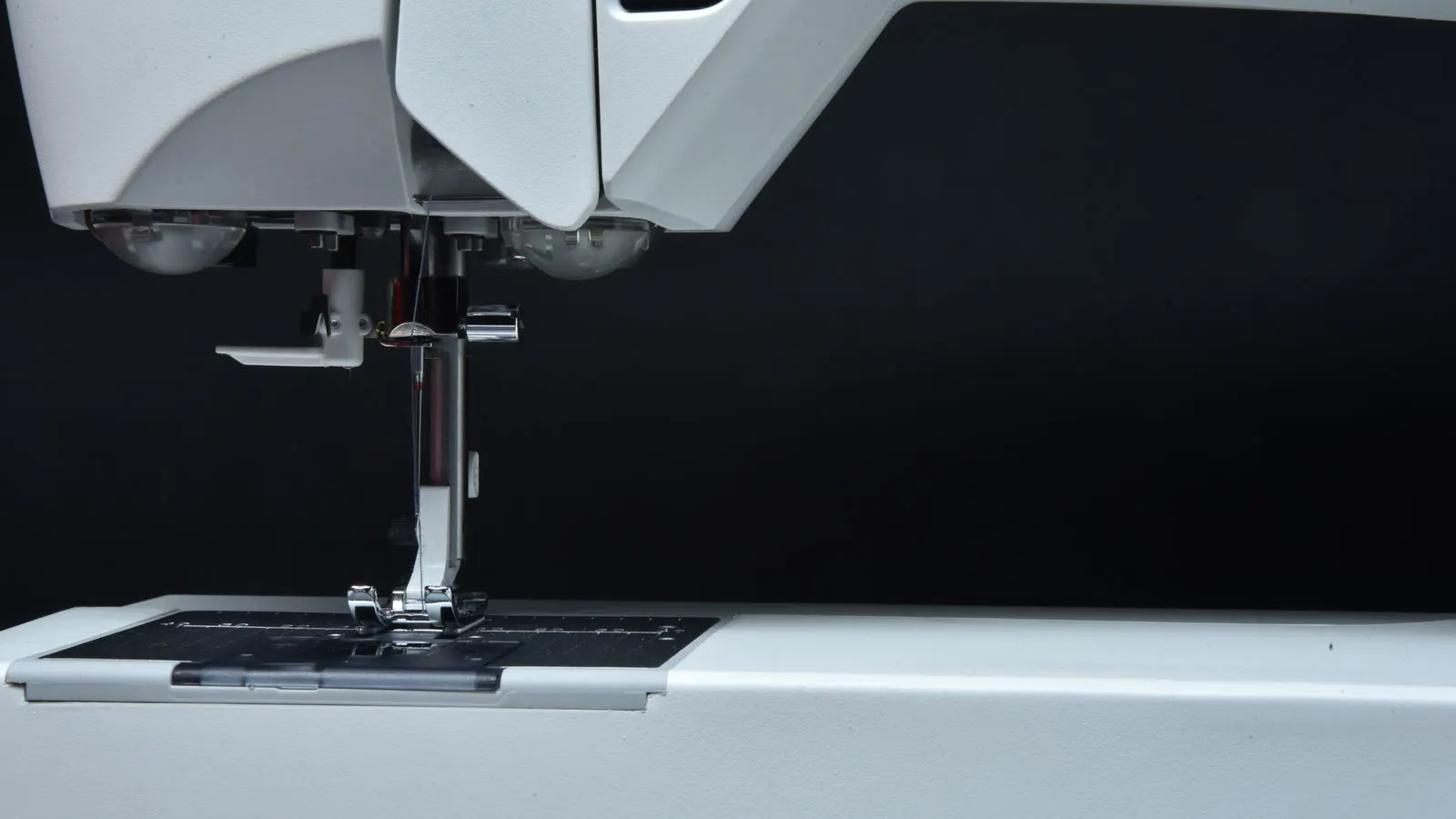
Sewing machine needle breakage usually stems from a mismatch between needle type and fabric, a dull or bent needle, or a machine setup that places excessive stress on the needle. Engineers can reduce downtime by standardizing needle selection, tightening tension settings, and implementing a scheduled inspection routine for hooks, presser feet, and feed dogs.
- Match needle type and size to the fabric and thread being used to prevent excessive stress on the needle shaft.
- Replace needles on a fixed interval, not only when a break occurs, to catch fatigue before it causes failure.
- Check the hook race, presser foot, and feed dogs for wear, as damage here often leads to bent needles and breakage.
- Standardize needle change procedures across the line to reduce operator error and variation in machine setup.
- Log needle breakage events by machine and shift to identify patterns that point to a specific maintenance or material issue.
Why Needle Breakage Happens
A broken needle is rarely a random event. In most cases, it is the end result of a stress point that was ignored or a component that has worn beyond its tolerance. When an industrial sewing machine breaks a needle repeatedly, the machine is telling the operator something is wrong with the material, the tension, or the mechanical alignment.
Engineers and maintenance leads should treat needle breakage as a signal to investigate, not just as a part replacement cost. The frequency of failure matters. A single break per week may be within normal wear for heavy denim work. Three or four breaks per shift usually points to a systemic issue that will keep costing money if left unaddressed.
The goal is to move from reactive repair to proactive prevention. This means understanding how the needle interacts with the fabric, the thread, and the internal mechanism of the machine.
The Main Symptoms and Their Causes
Before opening the machine, it helps to categorize the problem. Different symptoms point to different root causes. A needle that snaps at the eye is very different from a needle that bends and hits the hook. The table below summarizes the most common patterns observed on production floors.
| Symptom | Likely cause | What to do |
|---|---|---|
| Needle snaps at the eye or upper shaft | Thread friction, incorrect needle size, or a burr in the needle plate hole | Inspect the needle plate hole for damage. Switch to a finer needle or a different thread weight. Check for a burr on the needle itself. |
| Needle bends and hits the hook race | Presser foot height too low, fabric too thick for the needle, or a dull hook point | Adjust the presser foot clearance. Use a heavier needle. Replace or dress the hook if the point is worn. |
| Needle snaps at the bottom (shank) | Needle not seated fully, broken needle bar, or excessive stitch length | Ensure the needle is inserted to the top limit. Check the needle bar for cracks. Reduce the stitch length if the machine is pulling too hard. |
| Needle bends repeatedly in one direction | Misalignment of the needle bar or hook timing | Check the vertical position of the needle relative to the hook point. Adjust the needle bar drop if necessary. |
| Random breaks with no visible damage | Vibration, loose machine mounting, or a worn motor bearing | Tighten the machine to the table. Check for loose fasteners. Inspect the motor and drive belt for wear. |
Needle Selection and Material Match
The most common cause of avoidable breakage is a mismatch between the needle and the material. Industrial sewing machines are often used for a variety of garments, and operators may stick with one needle type for simplicity. This creates a problem when the fabric changes.
A needle designed for light cotton will not handle heavy canvas without excessive friction. The fabric drags against the needle shaft, creating heat and stress. Conversely, a heavy needle used on a lightweight silk will create a large hole and vibrate significantly, leading to fatigue.
Operators should match the needle type to the fabric weight. General purpose needles work for medium weights. Stretch or ball point needles are needed for knits to prevent skipping and reduce stress on the fabric. For heavy denim or leather, a sharp, heavy duty needle is required. The needle size must also match the thread. Using a thick thread in a small needle hole increases friction and heat, which weakens the needle over time.
Tension and Thread Path
Needle breakage is often linked to how the thread moves through the machine. If the thread is under too much tension, it pulls against the needle as the fabric is fed. This drag can bend the needle or snap it if the thread catches on something.
Check the upper tension dial. It should be set according to the thread weight and fabric type. A high tension setting is not always better. In fact, it often causes more problems. The thread should flow freely through the thread guide, tension discs, and needle. If there is lint or debris in the thread path, the thread can jam, creating sudden spikes in tension that snap the needle.
Clean the thread path regularly. Remove lint from the tension discs and the needle bar area. Check that the thread guide is not worn or damaged. A worn thread guide can rub the thread, creating a weak point that fails under load. The needle threader, if present, should also be checked for sharp edges that might nick the thread.
Mechanical Inspection Points
When the needle and thread settings are correct, the problem usually lies in the machine’s mechanical components. The hook race, presser foot, and feed dogs are the first things to inspect.
The hook race is the channel where the hook point moves. If the hook point is dull or damaged, it will not pick up the thread loop cleanly. This forces the needle to work harder, increasing the risk of bending. The hook race itself can wear down, creating a gap that causes the needle to hit the hook at the wrong angle.
The presser foot must be flat and clean. A warped presser foot creates uneven pressure on the fabric. This can cause the fabric to shift, pulling the needle off its intended path. The presser foot screws should be tight. A loose screw allows the foot to twist, which changes the needle clearance.
The feed dogs must be moving smoothly. If one dog is stuck or worn, the fabric will not feed evenly. The machine will pull on the fabric with uneven force, which can snap the needle. Check the feed mechanism for oil and wear. The timing of the needle and hook must be correct. If the hook point passes the needle at the wrong moment, it will strike the needle directly.
Standardizing the Maintenance Routine
Ad-hoc maintenance leads to inconsistent results. A scheduled routine ensures that every machine is checked at the same interval. This is where prevention becomes easier than repair.
- Replace needles after a set number of stitches or hours. Do not wait for a break. A new needle is a low cost. Downtime from a break is high.
- Clean the needle plate hole. Use a fine needle or a burr remover to clear any burrs that form in the hole.
- Inspect the hook race and hook point. Look for nicks, wear, or damage. Dress the hook if the point is dull.
- Check the presser foot and feed dogs for wear and alignment. Tighten screws and replace worn parts.
- Lubricate the machine according to the manufacturer’s schedule. Dry mechanisms create friction and wear.
Keep a log for each machine. Record the needle number, the date of replacement, and any breaks that occur. This data helps identify patterns. If Machine 4 breaks needles twice as often as Machine 3, there is a specific issue with Machine 4 that needs attention.
Troubleshooting Frequent Sewing Machine Thread Breakage
Needle breakage and thread breakage often happen together. When the needle breaks, the thread is usually damaged or tangled. This can lead to a cascade of thread breaks if not cleaned up properly.
If you are seeing frequent thread breakage alongside needle issues, clean the entire thread path. Check the take-up lever, thread guide, and tension discs. A damaged thread guide can fray the thread, causing it to snap. The needle eye must be smooth. A burr in the eye will cut the thread. If the thread is breaking near the needle, replace the needle and clean the eye.
Also check the bobbin area. A dirty or worn bobbin case can drag the thread, creating tension spikes. Clean the bobbin case and check for lint. The thread tension between the top and bottom must be balanced. If the bottom tension is too high, it will pull the top thread down, causing the needle to work against the fabric.
Quality Control and Production Impact
Frequent needle breakage affects more than just the machine. It impacts production quality and throughput. When a needle breaks, the operator must stop the machine, remove the broken needle, replace it, and restart. This downtime adds up quickly.
It also creates defects. A broken needle can leave a hole in the fabric or cause a skipped stitch. This requires rework or scrap. For garment production, quality control must account for these defects. Inspect the area around the break for fabric damage.
Track the cost of breakage. Include the cost of the needle, the downtime, the labor to replace the needle, and any rework or scrap. This data helps justify maintenance investments. It also helps identify which machines or shifts have the highest cost.
Prevention Tips for the Production Floor
Prevention is about creating a system that makes the right thing easy. Operators should have the correct needles available for each machine. Label the needle types by machine or station. This reduces the chance of an operator using the wrong needle.
Provide a simple needle change checklist. Include steps for cleaning the needle plate hole and checking the presser foot. Post this checklist next to the machine. Training should cover not just how to change a needle, but how to check the machine settings.
Encourage operators to report issues early. If a machine starts breaking needles more often, they should report it before it becomes a major failure. A maintenance team should respond quickly to investigate.
Finally, keep spare parts on hand. Hooks, presser feet, feed dogs, and needle bars should be available in the maintenance room. This reduces the time it takes to repair a machine when a part fails.
When to Call a Technician
Some issues require professional repair. If the needle bar is cracked, the hook timing is off, or the motor is worn, a technician is needed. Do not force the machine if there is a major misalignment. This can cause further damage.
If the breakage continues after cleaning, needle replacement, and tension adjustment, schedule a full inspection. A technician can check the internal alignment, the motor, and the drive system. This is better than replacing parts one by one and hoping for the best.
Keep the manual for the machine. It lists the specific intervals and settings for that model. Follow these guidelines. They are based on years of testing and experience.
Final Thoughts
Sewing machine needle breakage is a solvable problem. It is not a mystery. By understanding the cause, inspecting the machine, and standardizing the maintenance routine, engineers can reduce downtime and improve production quality.
Focus on the basics. Match the needle to the fabric. Clean the thread path. Check the mechanical components. Log the data. These simple steps will make a significant difference in the long run.
The machine is a tool. It works best when it is maintained properly. Treat it with respect, and it will serve the production line well.
Frequently asked questions
How often should I replace the needle on an industrial sewing machine?
Replace the needle every 8 to 12 hours of production, or immediately if you notice bending or skipping. The frequency depends on the fabric weight and the machine type.
Can a dull needle cause breakage?
Yes. A dull needle creates more friction and heat as it pierces the fabric. This weakens the needle shaft and can lead to snapping, especially under high tension.
What is the first thing to check if a needle breaks at the eye?
Check the needle plate hole for a burr. A burr can catch the needle shaft and bend it. Also, ensure the needle size matches the thread weight.
Does the presser foot height affect needle breakage?
Yes. If the presser foot is set too low, the needle may not have enough clearance to move freely. This can cause the needle to hit the hook or the fabric, leading to bending and breakage.
How do I know if the hook timing is off?
If the needle bends in a consistent direction or hits the hook point, the timing may be off. This requires a technician to adjust the needle bar or hook position.