Explainer: How Overlock Machines Prevent Garment Edges from Fraying
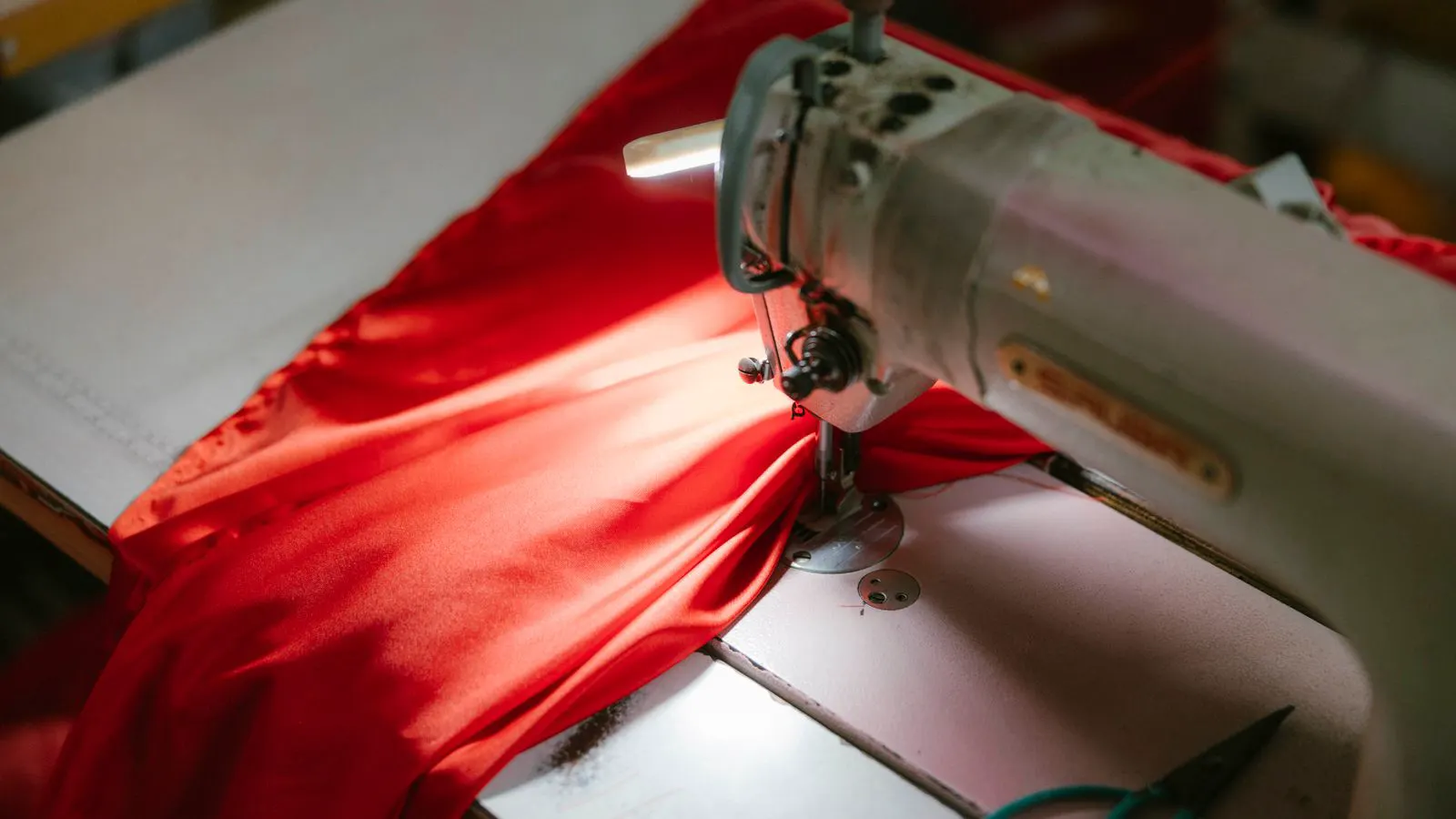
An overlock machine function centers on looping thread around raw fabric edges and stitching them into a lock. This process trims loose fibers and creates a durable, neat finish. Understanding the mechanics helps buyers select the right industrial equipment for their production volume and fabric type.
- Overlockers use a loop-forming mechanism to trap raw fibers and prevent unraveling.
- Machine speed and thread count directly affect production throughput and edge quality.
- Proper tension and loop formation balance finish quality against needle life.
- Matching overlock equipment to fabric type and order volume is critical for cost efficiency.
- Routine maintenance of looper and needle assemblies prevents common edge defects.
Overlockers sit at the intersection of trimming and stitching in garment production. They handle raw edges that sewing machines leave exposed after cutting. The machine function combines multiple actions in a single pass. It loops thread around the fabric edge, trims excess material, and locks the fibers in place. This prevents the natural unraveling that weakens garment seams over time.
What is the core function of an overlock machine
The basic overlock machine function involves a needle that pierces the fabric edge and a looper that creates a loop around it. The fabric feeds through the machine at a controlled speed. The needle forms a stitch while the looper catches the thread and forms a loop around the raw edge. A second needle or looper often works in tandem to complete the lock.
Two-needle two-looper machines form the most common configuration in garment factories. The left needle stitches the fabric. The right needle works in coordination. The left looper forms the primary loop around the edge. The right looper catches the left looper loop and forms the final lock. All four threads work together to bind the raw fibers.
The machine trims the excess fabric between the needle and looper assembly. This cut happens at the same moment the threads lock. The result is a clean, finished edge where no loose threads remain. The fabric edge holds together even under tension. This is why overlocking matters for garments that stretch, bend, or experience repeated wear.
How the looper forms the edge lock
The looper is the critical component in overlock machine function. It moves in a circular or elliptical path that differs from the needle. The needle moves vertically through the fabric. The looper moves in a plane that allows it to reach around the fabric edge.
As the needle pierces the fabric, the looper positions itself to catch the thread. It forms a loop that sits around the raw edge. The next needle stroke pulls this loop through the fabric. The second looper then catches the first loop and forms a second loop. These loops interlock and trap the raw fibers.
The shape and speed of the looper path determine the quality of the edge. A slow looper may not catch the thread properly, creating open loops or missed stitches. A fast looper can cut the thread or create uneven tension. The loop formation must stay consistent across the fabric width and through all production hours.
How thread tension affects the finished edge
Thread tension controls how tightly the loops bind around the fabric. Each thread path needs its own tension setting. The needle thread, looper thread, and differential feed all interact. Too little tension leaves the edge loose. Too much tension pulls the fabric into pucker or breaks the thread.
The left needle thread often carries slightly more tension than the right. The left looper thread needs enough tension to hold the fabric edge. The right looper thread must be tight enough to catch the left loop without breaking. Balancing these tensions is a daily task for machine operators.
Fabric type changes the required tension. Stretch fabrics need looser tension to allow movement. Stiff denim or canvas requires firmer tension to hold the edge. Blends behave differently than pure cotton or polyester. Operators adjust tension based on the material and the desired finish.
How speed and feed affect production
Overlock machine function depends on consistent fabric feed. The differential feed controls how much the fabric moves compared to the needle. Positive differential feed pushes the fabric slightly forward, useful for stretch fabrics. Negative differential feed pulls the fabric, useful for gathers or pinking.
Speed is the main variable in industrial overlocking. High-speed machines handle large production runs. Lower-speed machines offer better control for delicate fabrics. The operator must match speed to the fabric type and the complexity of the edge.
Feed consistency matters as much as speed. If the fabric skips or bunches, the looper misses the edge. The resulting defects appear as open loops, skipped stitches, or uneven trimming. The differential feed mechanism must stay clean and properly adjusted to maintain even movement through the machine.
How edge quality changes with fabric type
Different fabrics require different overlock settings. Cotton twill holds a standard overlock well. The fibers separate cleanly and the thread locks tightly. Polyester knits stretch, so the edge needs more give. The looper must form a wider loop to accommodate movement.
Denim and canvas present a different challenge. The fabric is thick and stiff. The needle must pierce without breaking. The looper must reach around the edge without getting caught. Heavier fabric often requires a larger needle and a looper that can handle the thickness.
The fabric width also affects the result. Narrow edges finish quickly. Wide edges require the machine to handle more material at once. The looper path must cover the full width without missing fibers. Operators often run multiple passes on very wide edges to ensure complete coverage.
How maintenance affects long-term edge quality
Worn parts change the overlock machine function. The needle wears down and loses its point. The looper tip becomes rounded and cannot catch the thread cleanly. The blade dulls and tears the fabric instead of cutting it. Each of these problems creates a different defect.
Needle changes happen regularly in production. The timing between changes depends on fabric type and speed. A sharper needle pierces cleaner and creates a smaller hole. The hole size affects thread tension and loop formation.
The looper needs regular inspection. The tip must stay sharp to form clean loops. The blade must stay sharp to trim the edge without pulling. Both parts require cleaning to remove thread fragments and fabric dust. A buildup of debris changes the timing and creates uneven edges.
Routine checks keep the machine in working order. Operators inspect the needle and looper each shift. Technicians perform deeper maintenance weekly or monthly. The timing, tension, and feed all need adjustment as parts wear. This prevents small defects from becoming production problems.
How overlockers compare to other finishing methods
Overlocking sits alongside other edge finishing methods in garment production. A serger performs the same function with a different machine design. The mechanics are similar, but the machine structure differs. A lockstitch edge uses a single needle and thread. It does not trim the edge and leaves fibers exposed.
A chainstitch edge uses multiple needles to form a continuous loop. It offers durability but requires more thread. An overlock edge uses fewer threads and trims the edge in one pass. This makes it faster for most garment applications.
The choice depends on the garment and the production line. Stretch garments often need a chainstitch edge for durability. Denim may need a heavier overlock. Knit garments often use a standard two-needle overlock. The right machine matches the fabric and the design.
| Machine Type | Thread Count | Edge Trim | Typical Use |
|---|---|---|---|
| Two-needle overlocker | 2 | Yes | Standard garment edges |
| Four-needle overlocker | 4 | Yes | Heavy fabric and wide edges |
| Chainstitch edge machine | 2 | No | Stretch and durability edges |
| Lockstitch edge machine | 1 | No | Decorative and light edges |
How buyers evaluate overlock equipment
Sourcing overlock equipment requires understanding the machine function and matching it to production needs. The buyer must consider fabric type, order size, and quality requirements. A small workshop and a large garment factory need different machines.
Thread count determines the edge quality and speed. A two-needle machine handles standard edges. A three or four-needle machine handles heavy fabric and complex edges. The number of needles affects thread cost and machine complexity.
The differential feed range matters for stretch fabrics. A machine with a wide differential feed range handles more fabric types. The speed rating determines production capacity. The operator must match the speed to the fabric and the order.
Maintenance access and parts availability affect long-term cost. A machine with easy access to the looper and needle saves time. Parts that are hard to find increase downtime. The buyer should evaluate the service network before purchase.
Worked example: finishing a cotton T-shirt sleeve
A cotton T-shirt sleeve comes off the cutting table with a raw edge. The edge needs finishing before the garment is ready. The operator feeds the sleeve through a two-needle two-looper overlocker. The needle pierces the edge. The left looper forms a loop around the raw fibers. The right looper catches the left loop and forms the final lock. The blade trims the excess fabric. The operator adjusts the tension for the cotton twill. The edge comes out clean and holds together under stretch.
The operator checks the edge for skipped stitches or uneven trimming. If the edge puckers, the tension needs adjustment. If the edge opens, the looper timing needs checking. The sleeve is ready for assembly. The overlock edge prevents the fabric from unraveling during wear.
The same process applies to other garment parts. The collar edge, the hem, and the sleeve opening all need finishing. The overlock machine handles them in a single pass. The operator adjusts settings as needed. The result is a consistent, professional finish across the whole production run.
Frequently asked questions
What is the main difference between an overlock and a lockstitch edge?
An overlock loops thread around the raw edge and trims it in one pass. A lockstitch stitches along the edge without trimming or looping.
How many needles does a standard overlock machine use?
Most garment factories use a two-needle overlock machine. Heavier fabrics may require three or four needles.
Can an overlock machine handle stretch fabrics?
Yes, with the right tension and differential feed settings. Stretch fabrics need looser tension and a wider looper loop.
What causes skipped stitches in an overlock?
Worn needles, dull looper tips, or incorrect timing cause skipped stitches. Cleaning and part replacement fix most issues.
How does thread count affect production speed?
More needles increase thread tension and edge security. They can slow the machine slightly but handle heavier fabric better.