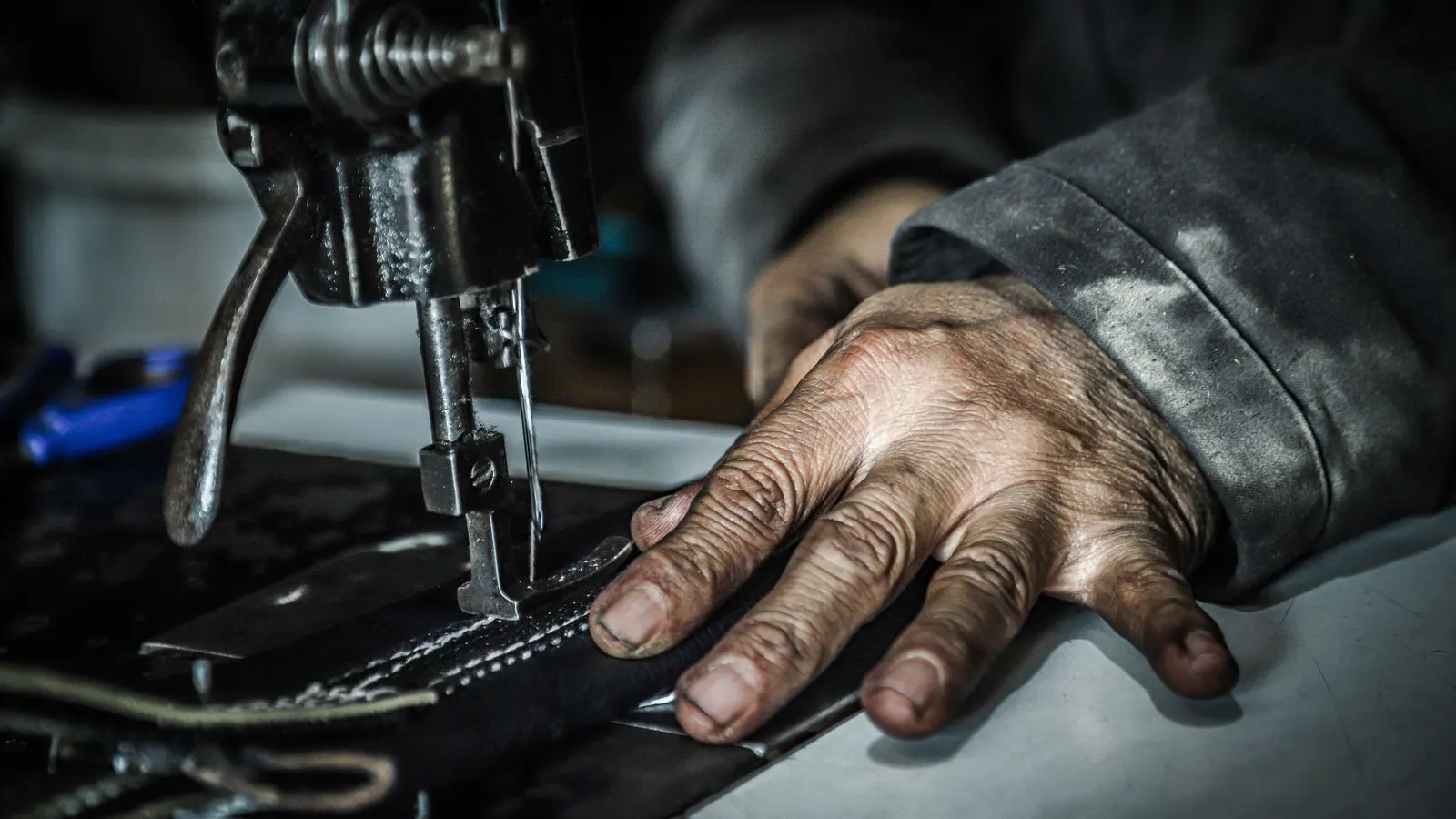
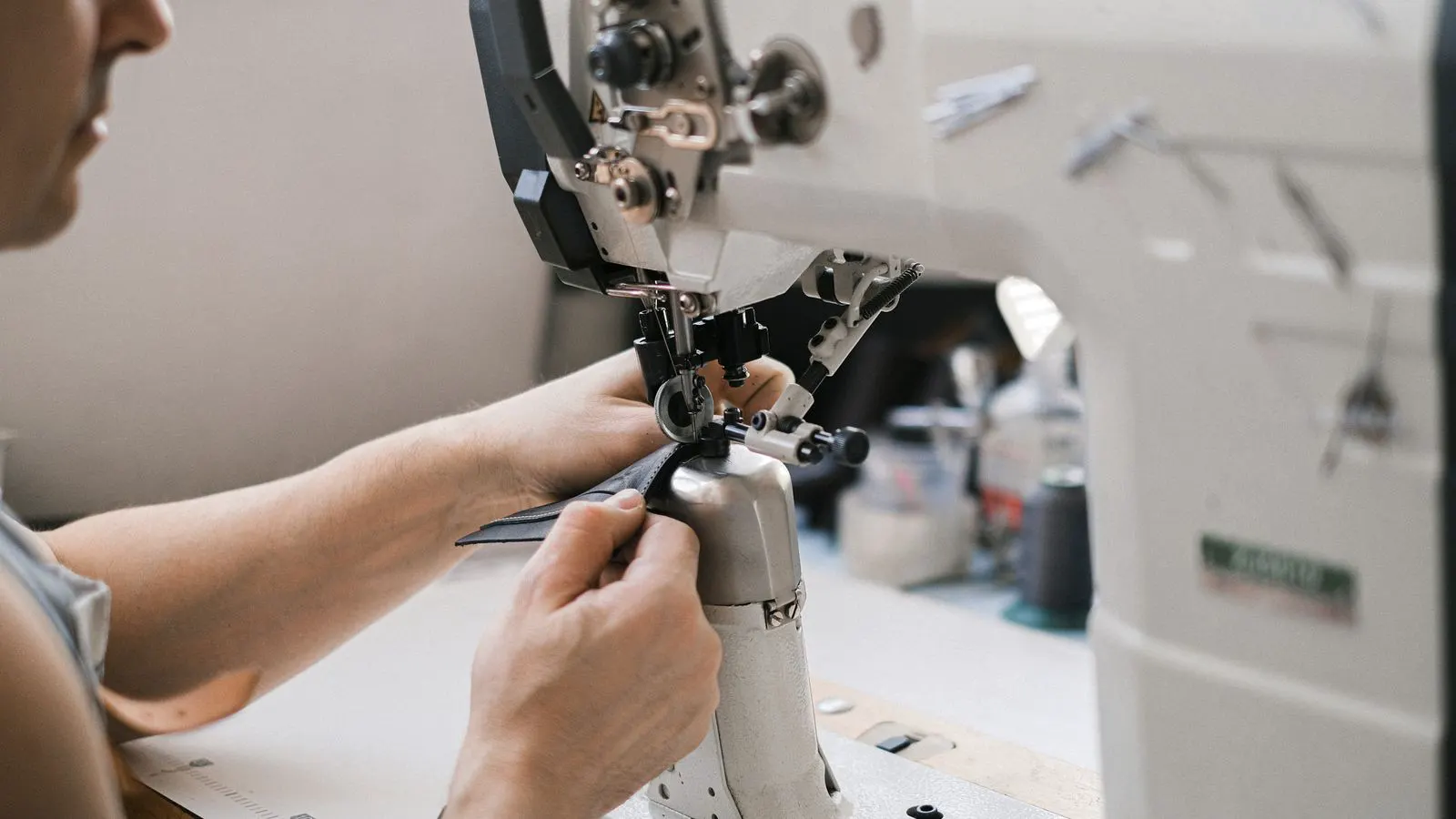
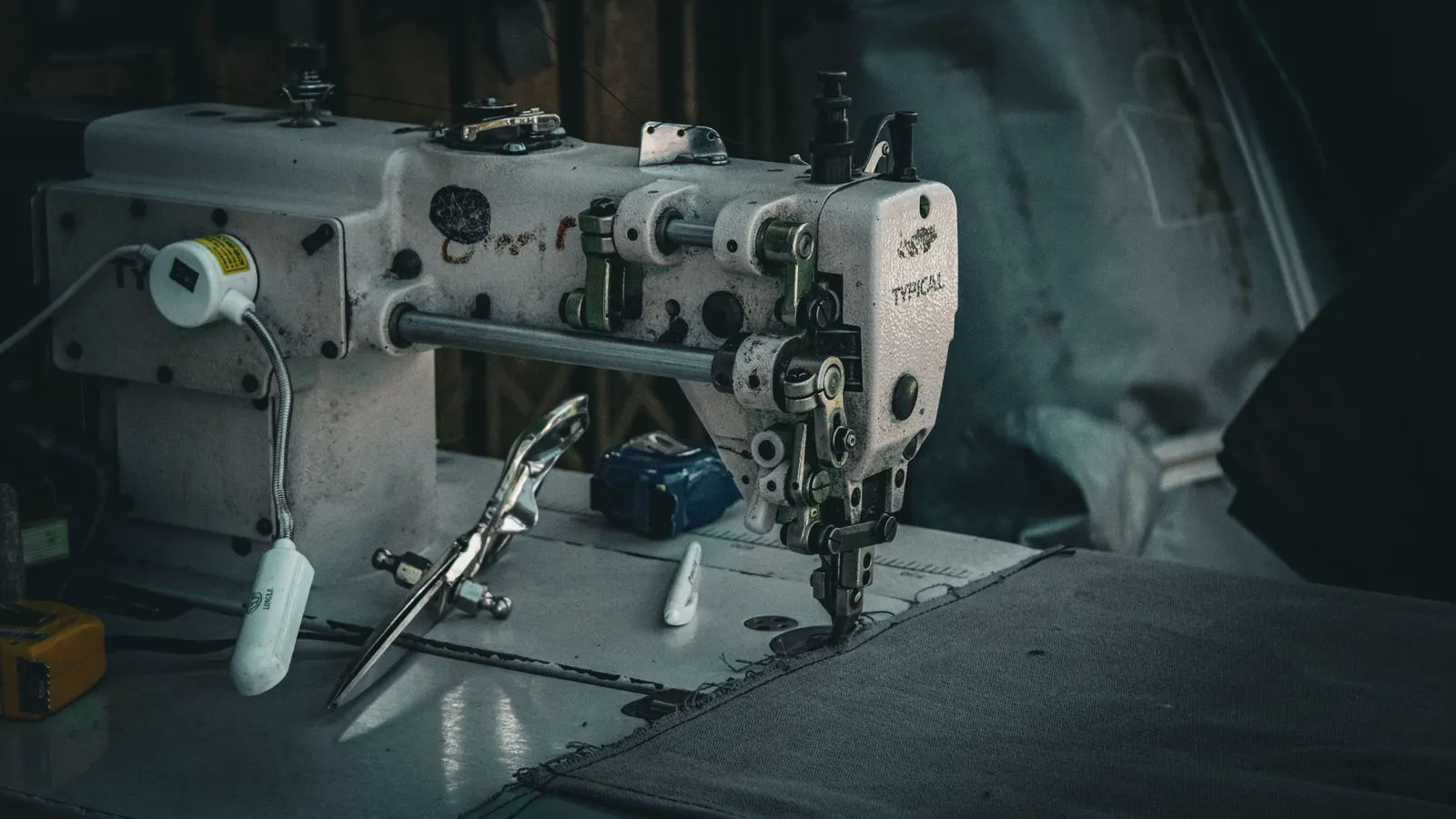
Comparison: Single-Needle vs Twin-Needle Sewing Machines
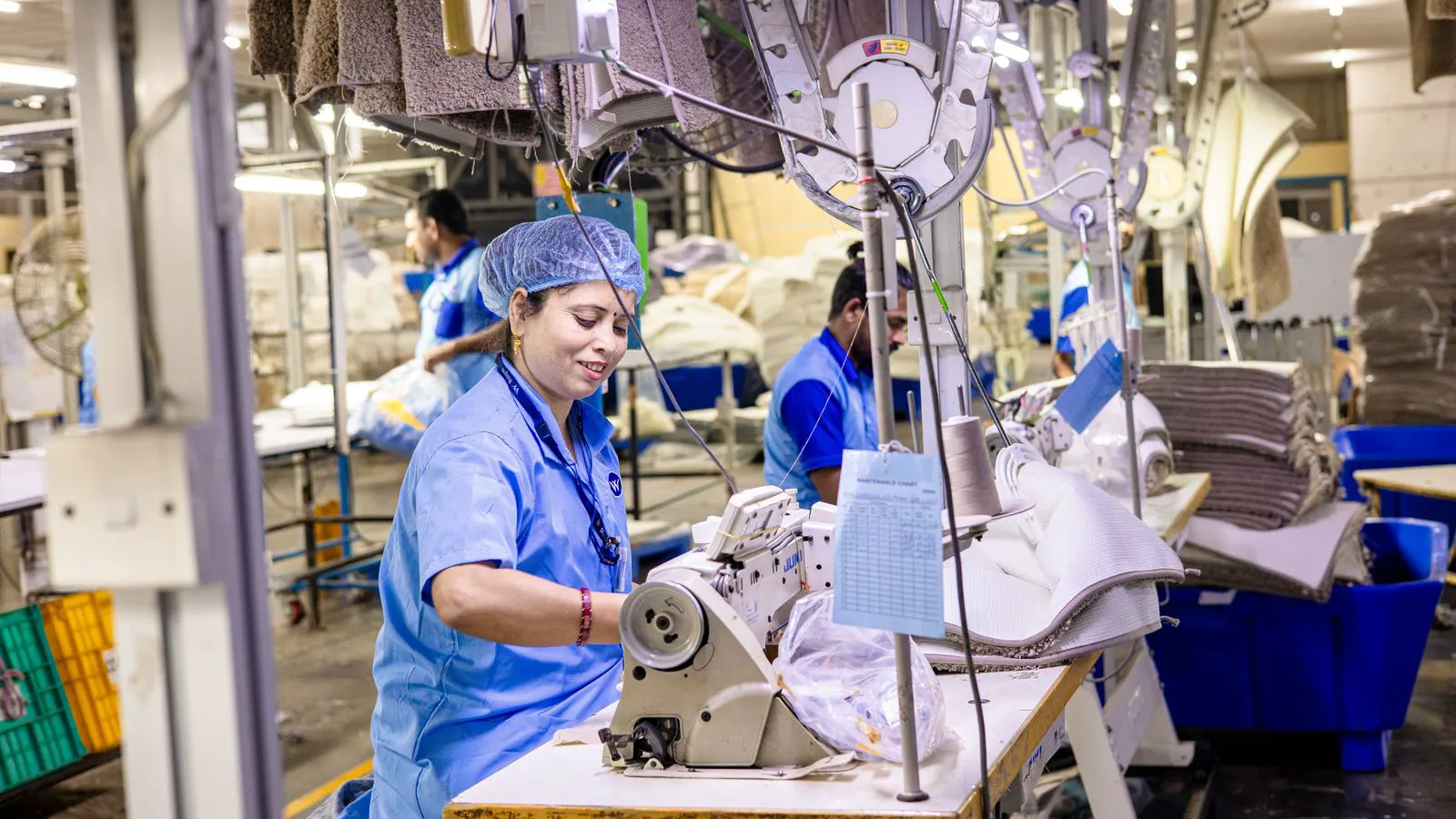
Single-needle machines handle wide fabric widths with fewer threads and less tension control. Twin-needle machines speed up straight seam assembly by doubling the needle count. Choose based on fabric type, seam width, operator skill, and line throughput requirements.
- Single-needle machines are simpler to balance and suit heavy fabrics, wide hems, and first-time line setups.
- Twin-needle machines raise straight-seam speed by cutting thread path length and reducing needle penetration time.
- Twin-needle setups demand tighter thread tension control and more careful needle alignment to avoid skipped stitches.
- Match the machine type to the dominant operation on the line, then balance the rest around that choice.
What is the core difference between single-needle and twin-needle machines
A single-needle machine uses one needle and a single upper thread loop, or a single needle with a hook below. A twin-needle machine uses two needles side by side on the same needle bar, each carrying its own thread, to form two parallel stitch paths in one pass.
The physical difference changes how the machine eats into fabric. A twin-needle machine penetrates the material twice in each stroke, but it does so in a single travel cycle. That reduces the number of needle changes per meter of seam and often lifts straight-seam output.
The trade-off is control. Two needles mean two thread paths, two tension points, and two needle positions to keep true. If one needle drifts, the stitch becomes uneven. If tension on one thread is off, the seam puckers or the thread breaks. Operators must watch both threads.
How stitch speed changes in a real garment assembly line
For a standard straight seam on medium-weight woven fabric, a twin-needle machine can move faster than a single-needle machine at the same fabric speed. The reason is simple. The operator feeds the fabric forward once, and the machine makes two stitches in that feed.
With a single-needle machine, the operator still feeds forward once, but the machine makes one stitch. To reach the same output, the operator must feed faster or run the presser foot down at a higher speed. That puts more demand on the operator and on the feed mechanism.
The speed difference depends on fabric. On a light knit, a twin-needle machine can show a larger gap because the fabric is easier to guide and the needle penetration is less damaging. On a thick denim or a layered seam, the twin-needle machine may not gain as much speed because the needle bar must push through more material and the tension must stay balanced.
In practice, the gain is largest on high-volume straight seams. A line building shirts, trousers, or outerwear panels will see the biggest effect on the side seams, waist seams, and hem seams.
A practical comparison table for line setup
| Option | Best for | Limitations |
|---|---|---|
| Single-needle machine | Heavy fabrics, wide hem seams, first-time line setup, low-volume or mixed operations | Lower straight-seam speed, more needle changes per meter, slower on high-volume straight seams |
| Twin-needle machine | High-volume straight seams on medium and light fabrics, consistent garment assembly equipment runs | Requires tighter thread tension control, careful needle alignment, and operator training to avoid skipped stitches |
| Single-needle with twin needle bar | Mixed operations where the line needs both single and double stitching on the same station | More setup time, more thread management, higher maintenance on the needle bar |
| Twin-needle with adjustable needle spacing | Variable seam widths on the same line, such as shirt side seams and trouser inseams | Adds a setup step and requires the operator to adjust spacing before each run |
| Single-needle with differential feed | Heavy or stretch fabrics where fabric movement is the main problem | Lower speed than a twin-needle machine, but better control on difficult materials |
The table shows the main trade-offs. A line that runs mostly straight seams on medium fabric will favor the twin-needle option. A line that runs heavy fabric, wide hems, or a mix of operations will favor the single-needle option.
How fabric handling changes the choice
The fabric is the deciding factor, not the machine label. A twin-needle machine works well on a cotton shirt fabric because the needle penetration is clean and the two threads can be balanced. It works less well on a heavy canvas or a thick denim seam because the two needles must push through the same dense material and the tension must stay even.
On a heavy fabric, a single-needle machine gives the operator more control. One needle, one thread, one tension point. The operator can adjust the presser foot pressure, change the needle, and balance the tension without worrying about two threads fighting each other.
On a stretch fabric, the choice depends on the operation. A twin-needle machine can speed up a straight seam, but the fabric must be guided carefully. If the fabric shifts, the two stitch lines can drift apart. A single-needle machine with a differential feed or a walking foot gives more control, but it runs slower.
The line setup should match the fabric. If the line runs one fabric family, the machine choice is straightforward. If the line switches fabrics often, the single-needle option is easier to change over.
What sewing line setup changes when you pick twin-needle
A sewing line setup changes more than just the machine on the bench. The thread management changes. The operator must manage two upper threads instead of one. The tension discs must be balanced on both threads. The needle alignment must be checked before each run.
The station layout changes too. A twin-needle machine needs a little more space for thread management. The operator must reach both thread paths without straining the thread. The presser foot area must be clear enough to guide the fabric through both needle positions.
The quality check changes. An operator checking a single-needle seam looks at one stitch line. An operator checking a twin-needle seam looks at two stitch lines and the space between them. If one line is tight and the other is loose, the seam will look uneven even if both threads are intact.
The maintenance schedule changes. A twin-needle machine has more moving parts on the needle bar. The needle bar must stay true. The thread take-up springs must stay balanced. The oiling points on the needle bar must be checked more often.
When to pick single-needle for garment assembly equipment
Pick a single-needle machine when the line runs heavy fabric, wide hems, or a mix of operations. The machine is simpler to balance. The operator can focus on fabric movement and thread tension without managing two needle paths.
Pick it when the line is new and the operators are still learning the fabric. A single-needle machine gives clearer feedback. If a stitch skips, the operator knows which thread and which tension point to check. With a twin-needle machine, the cause is harder to isolate.
Pick it when the line runs leather or a thick coated fabric. The needle penetration is more aggressive, and the tension must be even. A single-needle machine gives the operator more control over the presser foot pressure and the needle position.
Pick it when the line switches fabrics often. The changeover is faster. The thread management is simpler. The tension balance is easier to re-check.
When to pick twin-needle for garment assembly equipment
Pick a twin-needle machine when the line runs a high volume of straight seams on medium-weight fabric. The speed gain is real. The operator feeds the fabric once and gets two stitches. The line output goes up without pushing the operator to feed faster.
Pick it when the line runs shirts, trousers, or outerwear panels in large quantities. The straight seams are the dominant operation. The twin-needle machine fits the workflow.
Pick it when the operators are experienced and the line has a stable thread management setup. The machine demands more attention to tension and needle alignment. An experienced operator can keep both threads balanced and catch a drift early.
Pick it when the line has a consistent fabric supply and the changeover frequency is low. The setup is more involved, but the payoff is higher output on the dominant operation.
How to test both options before buying
Before committing to one type, run a short test on the actual fabric and seam. Put a single-needle machine and a twin-needle machine on the same bench. Run the same seam width, the same fabric, and the same operator.
Measure the output per hour. Count the meters of seam produced in a set time. Compare the number of skipped stitches per meter. Check the thread breakage rate. Note the operator effort.
Check the quality. Look at the seam from both sides. Check for puckering, thread loops, and uneven stitch density. Check the seam strength on a small sample.
Check the changeover. Swap the fabric and re-run the test. See how long it takes to balance the tension and align the needles. The machine that changes over faster is often the better fit for a mixed line.
Use the test to decide. If the twin-needle machine wins on speed and the quality is clean, buy it. If the single-needle machine wins on ease of setup and the fabric is heavy, buy that.
Final check before you commit to a machine type
The machine type is not the whole story. The line setup is the whole story. The operator skill, the fabric supply, the quality standard, and the changeover frequency all matter.
Pick the machine that fits the dominant operation. If the line is mostly straight seams on medium fabric, the twin-needle machine is the natural fit. If the line is mixed or heavy fabric, the single-needle machine is the safer choice.
Run the test. Measure the output. Check the quality. Make the decision on the numbers, not on the brochure.
Frequently asked questions
Can a single-needle machine be converted to a twin-needle setup?
Some single-needle machines can be fitted with a twin-needle bar, but the needle bar must be strong enough and the thread take-up must handle two threads. Check the machine specifications before buying an upgrade kit.
Does a twin-needle machine use more thread?
Yes. It uses two upper thread paths instead of one. The thread consumption per meter is higher, but the thread length is shorter per stitch. The total thread use depends on the stitch density and the fabric.
Which machine is easier for a new operator to learn?
A single-needle machine is usually easier to learn. There is one needle, one thread path, and one tension point to balance. A twin-needle machine requires the operator to manage two threads and two needle positions.
Can a twin-needle machine handle denim?
It can, but it depends on the weight and the seam. A twin-needle machine can run a straight seam on medium denim. On heavy denim or a thick layered seam, a single-needle machine often gives better control and fewer skipped stitches.
How does the machine choice affect the sewing line setup?
It changes the thread management, the station layout, the quality check, and the maintenance schedule. A twin-needle line needs tighter tension control and more careful needle alignment. A single-needle line is simpler to set up and change over.