Comparison: Flatbed vs Walking Foot Sewing Machines for Heavy Fabric
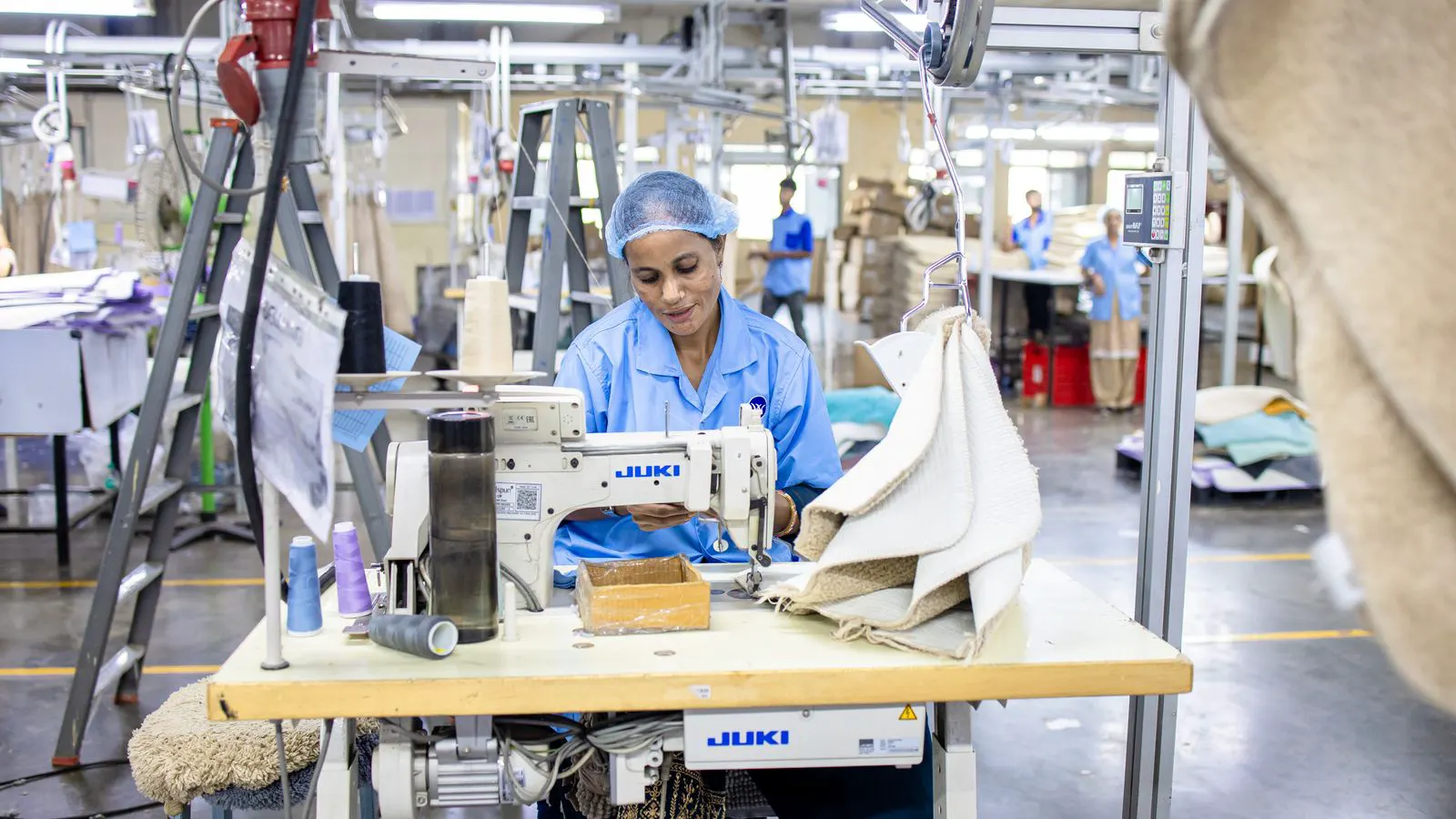
Flatbed machines suit stable thick fabrics with manual feed control, while walking foot machines handle unstable or layered materials with automatic feed. Choose based on fabric stability, seam complexity, and production volume.
- Flatbed machines give manual control over fabric movement, which helps with stable thick materials and complex seam work.
- Walking foot machines feed both top and bottom layers simultaneously, reducing puckering on unstable or layered fabrics.
- Choose based on fabric stability, seam complexity, and production volume before selecting a machine type.
- Needle selection, presser foot pressure, and thread tension adjustment matter more than machine type for consistent heavy fabric stitching.
Choosing the Right Machine for Thick Materials
Heavy fabric sewing machines face different demands than standard garment equipment. Thick denim, canvas, upholstery leather, and layered outerwear stress the feed system, needle, and presser foot. The two most common setups for this work are flatbed machines and walking foot machines. Both handle heavy materials well, but they approach the problem differently.
A flatbed machine relies on the operator to manage fabric movement. The lower feed dogs push the bottom layer forward while the operator guides the top layer with hands or a presser foot. A walking foot machine adds an upper feed mechanism that pushes the top layer at the same rate as the bottom feed dogs. This synchronization matters when the fabric shifts, puckers, or has multiple layers.
The choice depends on fabric stability, seam complexity, and production volume.
How Each Machine Handles Fabric Feed
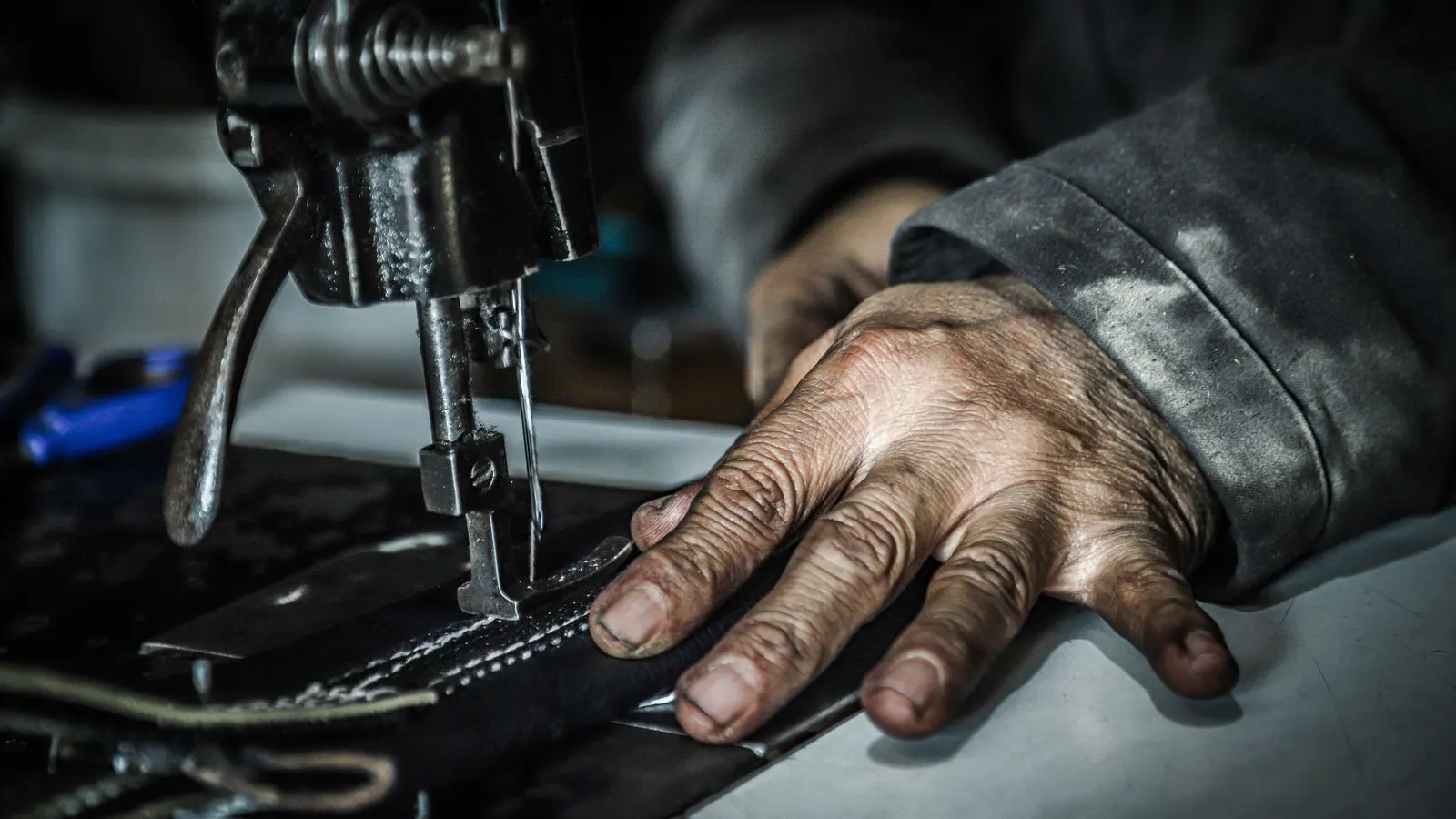
Flatbed machines use a single feed system. The feed dogs move the bottom fabric layer forward. The top layer moves because the operator pulls it forward, or the presser foot applies downward pressure that creates friction against the lower layer. This works well when the fabric is stable and predictable.
Walking foot machines use a dual feed system. The upper feed mechanism moves the top layer in sync with the lower feed dogs. Both layers advance at the same speed. This prevents the top layer from lagging behind, which causes puckering, shifting, or uneven stitches.
For stable heavy fabrics like thick denim or canvas, flatbed machines work well. The operator can control the feed rate and adjust for seam curves. For unstable materials like leather, suede, or layered outerwear, walking foot machines reduce operator effort and improve consistency.
The feed system also affects the types of stitches possible. Flatbed machines allow more manual control over stitch placement, which helps with complex seams. Walking foot machines prioritize consistent feed, which suits straight seams and repetitive operations.
Comparison of Machine Types
| Option | Best for | Limitations |
|---|---|---|
| Flatbed heavy fabric sewing machine | Stable thick fabrics, complex seams, manual precision work | Requires skilled operator to manage top layer feed; slower on unstable materials |
| Walking foot heavy fabric sewing machine | Unstable or layered fabrics, leather, suede, outerwear | Less manual control over stitch placement; upper feed adds mechanical complexity |
| Lockstitch flatbed with differential feed | Heavy fabrics needing controlled stretch and seam alignment | More expensive; requires regular maintenance of differential mechanism |
| Overlock flatbed for heavy fabric | Seam finishing on thick outerwear and canvas | Limited to overlock operations; not for flat seams or complex stitching |
| Walking foot overlock for heavy fabric | Finishing unstable or layered heavy fabrics | Less common; setup complexity increases with material thickness |
Each option has a specific role in the production line. A garment factory may use flatbed machines for main seams on stable denim jackets and walking foot machines for finishing leather trims. The setup depends on the material and the operation.
When to Pick a Flatbed Machine
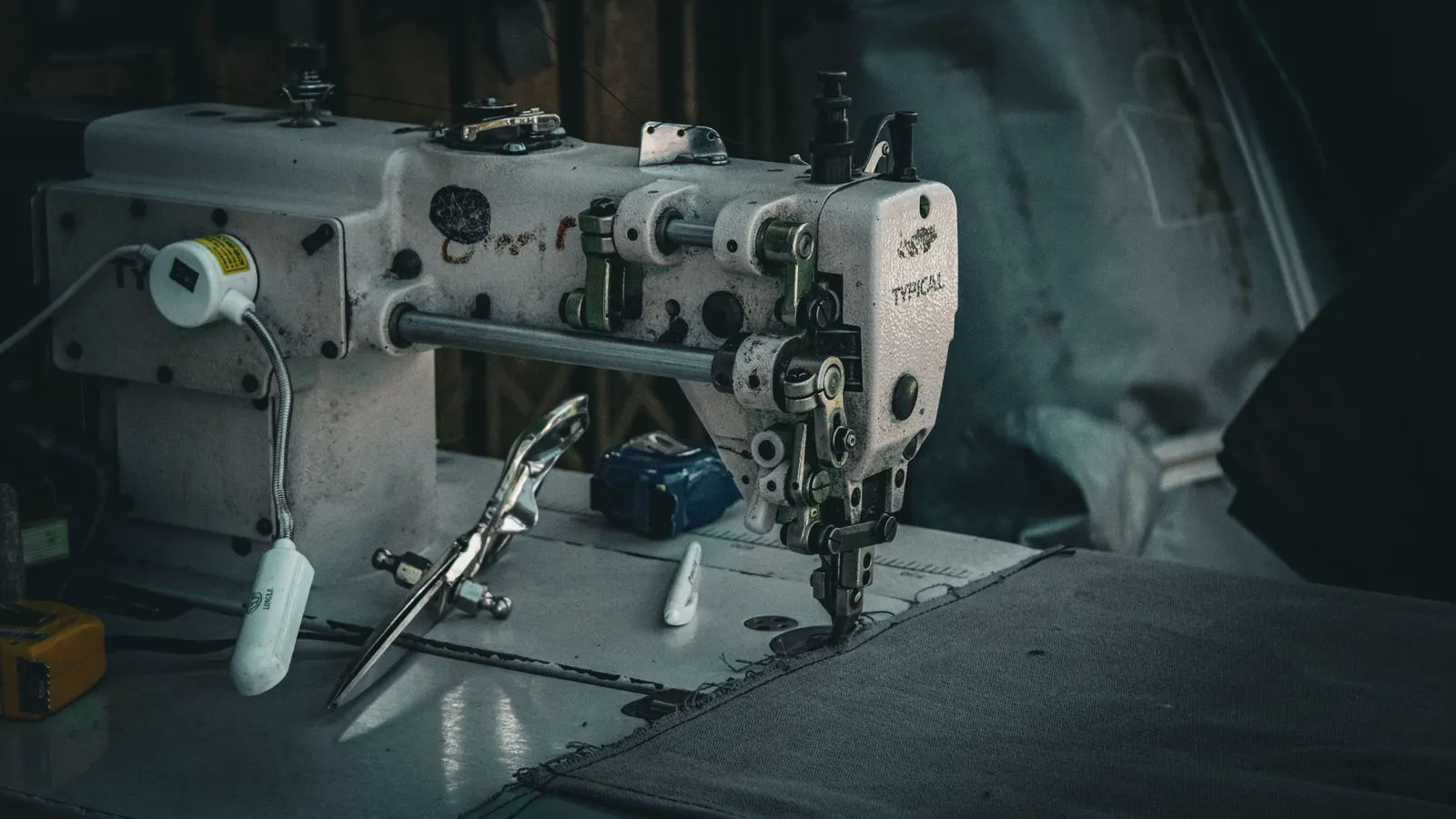
Flatbed heavy fabric sewing machines suit production lines that handle stable thick materials with complex seam work. Denim jackets, canvas bags, and structured outerwear often benefit from the manual control that flatbed machines offer.
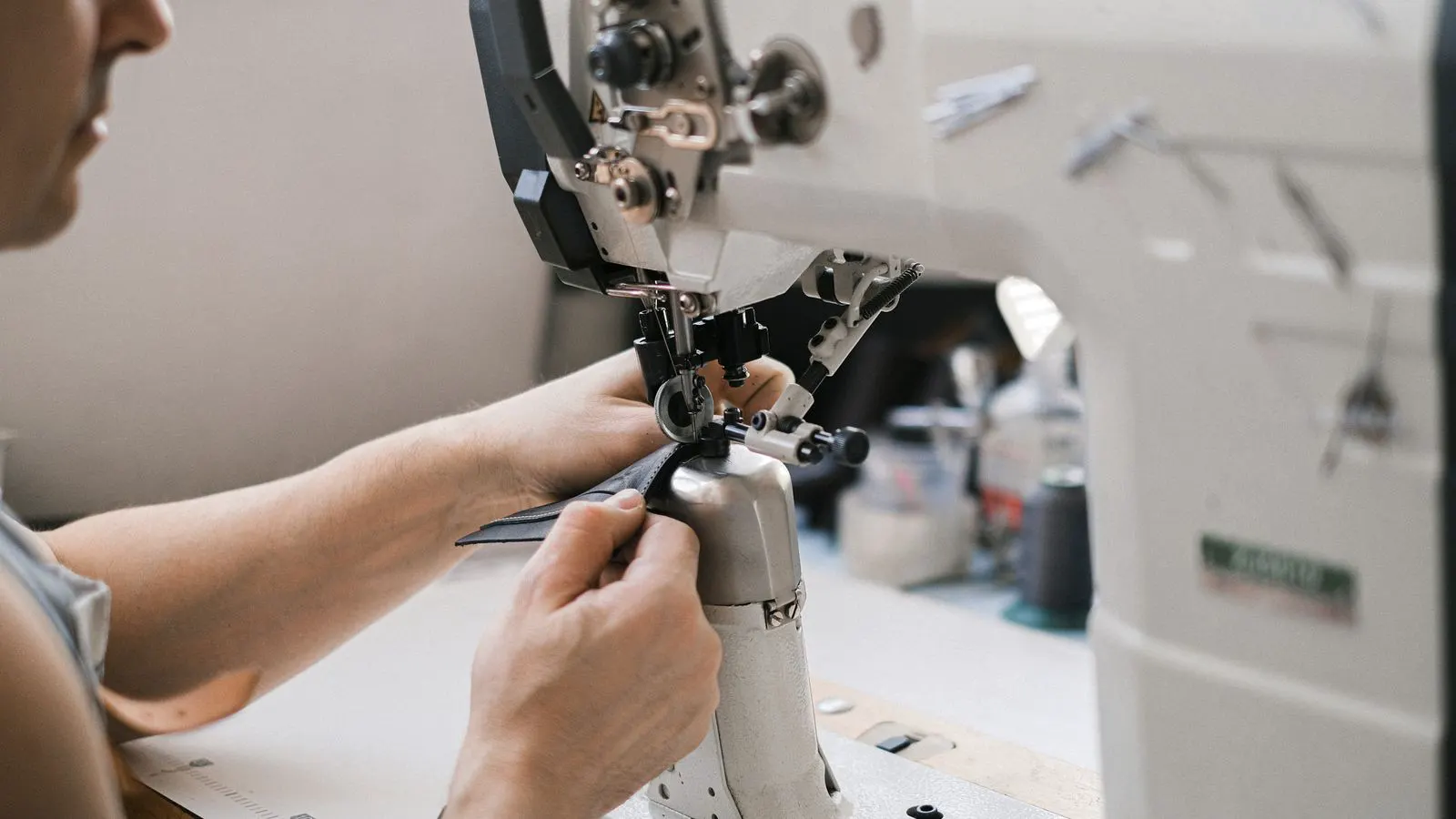
The operator can adjust fabric tension, guide curves, and manage multiple layers by hand. This skill level matters. A flatbed machine on a heavy fabric line requires experienced operators who understand how to manage feed without causing puckering or shifting.
Flatbed machines are also easier to maintain. The feed system has fewer moving parts than a walking foot setup. The lower feed dogs, presser foot bar, and needle bar do most of the work. This simplicity reduces downtime for routine service.
For short production runs or custom work, flatbed machines offer flexibility. The operator can switch between fabric types and adjust settings quickly. Walking foot machines, by contrast, often require more setup time when changing materials.
When to Pick a Walking Foot Machine
Walking foot heavy fabric sewing machines suit unstable or layered materials that shift during stitching. Leather, suede, and outerwear with multiple layers often require the synchronized feed that walking foot machines provide.
The upper feed mechanism pushes the top layer forward at the same rate as the lower feed dogs. This keeps the layers aligned and reduces puckering. The operator focuses on guiding the fabric and monitoring stitch quality rather than managing feed manually.
Walking foot machines work well for repetitive operations. A factory producing leather bags or canvas outerwear can maintain consistent stitch quality without requiring highly skilled operators to manage each seam. The machine does more of the work.
The trade-off is cost and maintenance. The upper feed mechanism adds moving parts that require regular inspection. The feed timing must stay aligned, and any drift affects stitch quality. A well-maintained walking foot machine produces consistent results. A poorly maintained one creates uneven seams.
Setup and Maintenance Considerations
Machine type affects setup and maintenance. Both flatbed and walking foot machines need the right needle, presser foot, and thread for heavy fabric. The needle must be thick enough to penetrate the material without bending. The presser foot must apply even pressure without crushing the fabric. The thread must be strong enough to handle the tension of thick layers.
Flatbed machines need regular cleaning of the feed dogs and needle plate. Fabric lint and thread fragments collect in these areas and cause uneven feed. Walking foot machines also need these areas cleaned, plus inspection of the upper feed mechanism. The feed timing must stay precise, and any wear in the upper feed parts affects stitch quality.
Operator training matters for both types. Flatbed machines require operators who understand manual fabric control. Walking foot machines require operators who understand the machine’s limits and can adjust for material changes. A short training session on the specific fabric and machine setup reduces defects.
The production line setup also affects machine choice. A line with multiple heavy fabric operations may use a mix of flatbed and walking foot machines. The main seam machine might be flatbed for stable denim, while the finishing machine uses a walking foot setup for leather trims. The layout should match the material flow and operator skill levels.
Common Mistakes in Heavy Fabric Sewing
Selecting the wrong machine type is one mistake, but setup errors cause more defects. Using a needle that is too small for the fabric causes breakage and poor penetration. Using a presser foot that is too narrow for the material causes uneven pressure. Using thread that is too thin for the tension creates weak seams.
Another common mistake is ignoring feed alignment. On a walking foot machine, if the upper and lower feed rates do not match, the top layer lags or leads. This causes puckering or loose stitches. Checking feed timing during setup and after maintenance prevents this issue.
Operator habit also affects quality. Pulling the fabric too hard on a walking foot machine defeats the synchronized feed. The machine is designed to move both layers at the same rate. Forcing the fabric creates uneven tension and inconsistent stitch length.
How to Decide for Your Production Line
Start with the fabric. If the material is stable and thick, a flatbed machine works well. If the material is unstable or layered, a walking foot machine reduces operator effort and improves consistency. If the production line includes both stable and unstable materials, consider a mix of machine types.
Next, look at the seam type. Complex seams with curves, multiple layers, and variable tension need manual control. Flatbed machines give that control. Straight seams on repetitive materials work well with walking foot machines.
Finally, consider the operator base. A line with experienced operators can run flatbed machines effectively. A line with less experienced operators benefits from the automatic feed of a walking foot setup. The machine type should match the skill level and the material requirements.
The right setup reduces defects, lowers operator fatigue, and improves throughput. Heavy fabric sewing machines are a match for the material and the operation. Pick the machine that fits both.
Frequently asked questions
Can a flatbed machine handle leather?
Yes, but it requires skilled operator control and proper needle and presser foot selection. Walking foot machines reduce operator effort on leather because the synchronized feed keeps layers aligned.
Which machine type is faster for heavy fabric?
Walking foot machines often reach higher speeds on repetitive straight seams because the automatic feed reduces operator handling. Flatbed machines work well when manual adjustment is needed.
Do walking foot machines work on stable thick fabrics?
Yes. The synchronized feed also works on stable materials, though the operator loses some manual control over stitch placement compared to a flatbed setup.
What needle size should I use for heavy fabric?
Use a needle thick enough to penetrate the material without bending. The size depends on the fabric thickness and the machine's needle bar strength. Check the machine manual for the maximum needle size.
How often should I check feed alignment on a walking foot machine?
Check it during setup and after any maintenance that affects the feed mechanism. Drift in feed timing causes puckering and uneven stitches.