Explained: How Cutting Tables Improve Garment Throughput
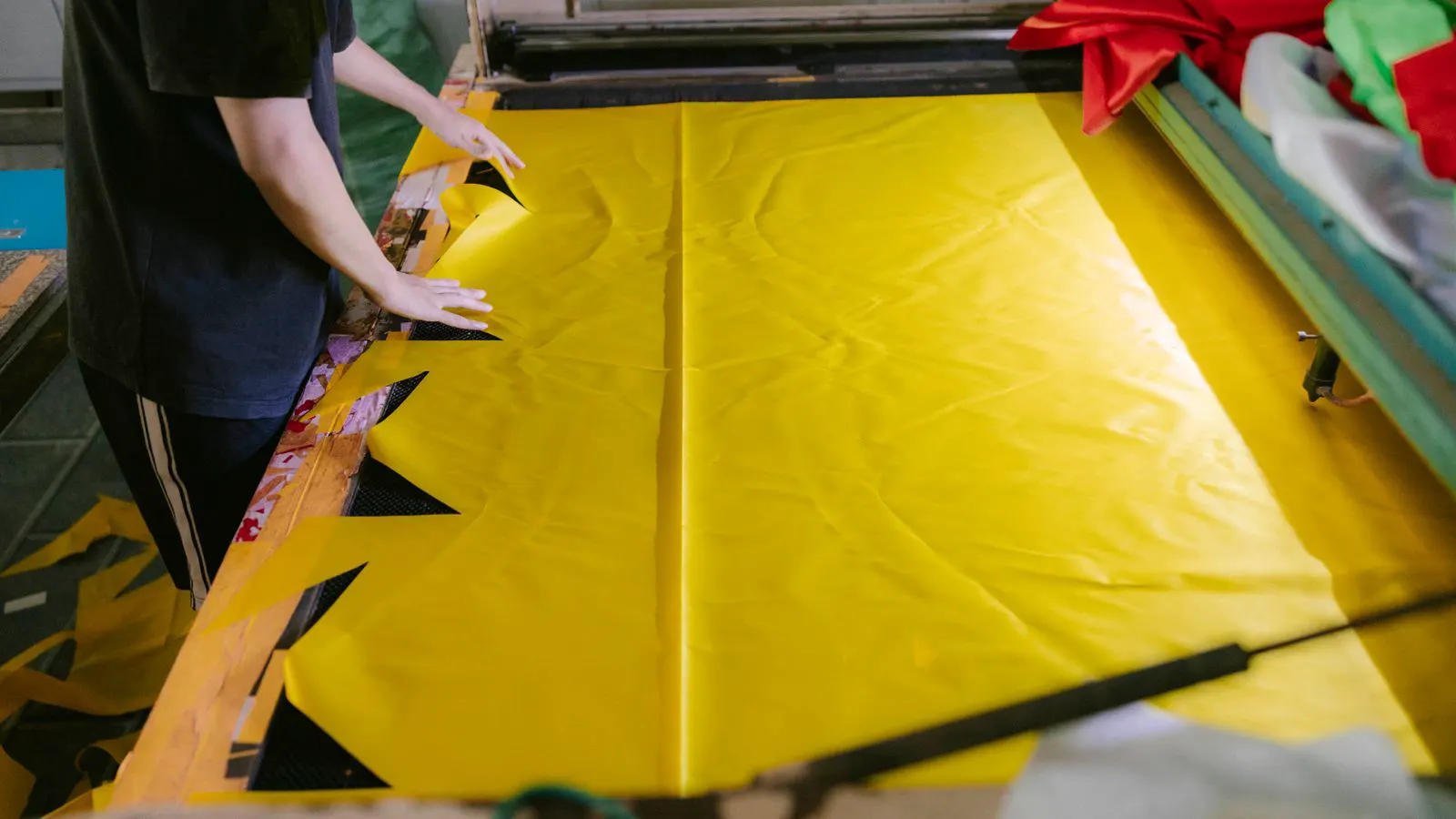
Cutting tables improve garment throughput by reducing manual handling, standardizing layer placement, and enabling faster blade movement. Faster cutting directly supports garment production scheduling and reduces waste.
- Cutting table throughput depends on layer height, pattern size, and blade path efficiency.
- Table size and material stability directly affect how fast patterns can be cut.
- Sourcing decisions should match the specific fabric types and order mix the plant handles.
- A well-placed table reduces manual transport and keeps the line moving.
A cutting table is the flat work surface where fabric is stacked, positioned, and cut into pattern pieces. In a modern garment plant, the table sits between the cutting room and the sewing floor. Its speed determines how quickly raw fabric becomes usable components.
Throughput here means the number of pattern pieces produced per unit of time. A faster table does not just cut quicker. It changes how the room is laid out, how many operators are needed, and how much fabric is left on the bolt.
What controls cutting table throughput?
Four factors set the baseline speed. The first is layer height. A stack of ten layers cuts faster than a stack of two, but only if the fabric does not shift. The second is pattern size. Small pieces require more stops and repositioning. Large pieces need a bigger blade path.
The third factor is blade technology. A straight blade moves in a fixed line. A rotary or oscillating blade can cut curves and complex shapes without lifting the carriage. The fourth is material stability. Some fabrics slip. Others stretch. If the fabric moves, the operator must stop and correct the stack.
Each factor interacts. A high stack of loose knit fabric moves slowly. A low stack of stiff denim can cut fast if the blade path is direct. The table must handle the specific mix the plant actually receives.
How layer placement affects speed
The operator places fabric layers on the table before the blade moves. The goal is to keep the stack flat and aligned. If layers shift during the cut, the finished pieces may not match. Retesting or trimming adds time.
A stable table surface reduces slippage. Many tables use a textured top or a vacuum hold-down system. The vacuum holds the fabric down without damaging the material. This allows the operator to increase layer height and reduce the number of passes.
Layer placement also affects the cutting sequence. Cutting the largest pieces first often leaves less waste on the table. It also makes it easier to cut the remaining scrap into smaller shapes. The operator plans the sequence based on the pattern layout.
How blade path efficiency changes output
The path the blade follows determines how much time is spent moving. A direct path covers the shortest distance. A path that zigzags across the table wastes time.
Modern cutting tables often use a programmable blade carriage. The operator loads a pattern into the system. The carriage then moves the blade along the programmed path. This removes manual guidance and keeps the speed constant.
The speed of the carriage matters. A slow carriage increases the time per pass. A fast carriage can cause the blade to bounce on the fabric. The operator must find a speed that matches the fabric type. A heavy fabric needs a slower, stronger cut. A light fabric needs a faster, lighter touch.
The blade path also affects the table size needed. A large pattern may require a table that is wider than the fabric width. The extra space allows the carriage to return to the start without leaving the table. A table that is too small forces the operator to reposition the fabric, which breaks the flow.
How table size and fabric type interact
The table size must match the largest fabric width the plant processes. If the table is too small, the operator must cut in sections. This doubles the setup time and increases the chance of misalignment.
Fabric type changes the required table features. Stiff fabrics like denim benefit from a rigid table top. They do not need much support. Light fabrics like chiffon need a vacuum system to hold them flat. Stretch fabrics need a table that allows slight movement without losing tension.
The sourcing decision here is direct. A plant that handles mostly cotton twill does not need the same table as one that handles silk and knits. Buying a table that is too large increases cost. Buying one that is too small limits the range of orders the plant can take.
The table also affects the cutting room layout. A large table needs more floor space. It may require a dedicated cutting area. A smaller table can sit in a shared room. The layout choice impacts how many cutting stations the plant can run.
How a worked example shows the effect
Consider a plant that produces basic T-shirts. The fabric is a medium-weight cotton knit. The pattern includes a front panel, a back panel, and sleeve pieces. The fabric width is standard for the market.
The operator places eight layers of fabric on the table. The vacuum system holds the stack flat. The blade carriage follows a programmed path. The path starts at the edge of the fabric. It cuts the front panels first. Then it moves to the back panels. Finally, it cuts the sleeves.
Because the fabric is held down, the operator does not need to stop to correct the stack. The blade moves at a constant speed. The pieces come out aligned. The operator then rolls the cut pieces and moves them to the sewing floor.
If the table had no vacuum hold-down, the layers would shift. The operator would need to stop the blade and smooth the fabric. This breaks the rhythm. The total time for the cut increases. The sewing floor receives the pieces later. The whole line slows down.
This example shows how a single feature, the vacuum system, changes the flow. It allows a higher layer height. It reduces manual correction. It keeps the blade moving. The result is more pieces per hour.
How cutting equipment choices affect sourcing
When buying a cutting table, the buyer must look beyond the blade. The table is a system. The surface, the support, the control panel, and the blade all work together.
A table with a manual carriage is cheaper to buy. It is also slower. The operator must guide the blade by hand. The speed depends on the operator. A programmable carriage costs more. It cuts faster and more consistently.
The control interface also matters. A simple switch panel is easy to use. A screen-based system allows the operator to load patterns and adjust speed. The screen system takes longer to set up. It also allows for better planning.
The buyer should match the table to the order profile. A plant that takes small, custom orders needs a flexible table. A plant that runs large, standard orders benefits from a fast, automated table. The wrong choice creates bottlenecks. The right choice keeps the line balanced.
How throughput supports garment production
Garment production relies on a steady flow of cut pieces. The cutting table is the first major step. If it runs slow, the sewing machines sit idle. If it runs fast, the sewing floor can stay busy.
A high-throughput table also reduces waste. When the operator can cut more layers at once, the number of setups is lower. Each setup has a fixed cost in time. Fewer setups means more fabric is cut and less is left on the table.
The table also affects quality. A fast, stable cut produces cleaner edges. Cleaner edges reduce the need for trimming. Trimming takes time and labor. A clean cut saves that time.
The connection to garment production is direct. A plant that cuts faster can meet tighter deadlines. It can take on larger orders. It can keep its sewing line at full capacity. The table is not just a cutting tool. It is a part of the production system.
How to evaluate a new cutting table
The evaluation starts with the fabric list. The buyer lists the main fabric types. They note the typical width and weight. They check for any difficult materials like stretch or light weaves.
The next step is the pattern mix. The buyer lists the average pattern sizes. They check for complex shapes. They note the number of layers usually cut. This data shows what the table must handle.
The buyer then tests the table. They cut a sample stack. They measure the time per pass. They check for fabric shifting. They look at the edge quality. They watch the operator for signs of strain.
The final check is the room layout. The buyer measures the space. They check the power supply. They look at the storage for the cut pieces. The table must fit the room without crowding.
A careful evaluation prevents a bad purchase. A rushed purchase creates a bottleneck. The table must match the plant’s actual work. It must be practical, not just fast.
Frequently asked questions
What is the main factor that limits cutting table throughput?
Layer stability is the main factor. If the fabric shifts during the cut, the operator must stop and correct the stack. This breaks the flow and slows production.
Can a smaller table be faster than a larger one?
A smaller table can be faster if the patterns are small and the fabric is light. A larger table is needed when the fabric width or pattern size requires it. The speed depends on the specific work.
How does vacuum hold-down affect cutting speed?
Vacuum hold-down keeps the fabric layers flat and aligned. It allows the operator to use a higher layer height without shifting. This reduces stops and increases the number of pieces cut per pass.
What should a buyer check before purchasing a cutting table?
The buyer should check the fabric types, pattern sizes, and room layout. They should test the table with a sample stack. They should measure the cut time and edge quality. This ensures the table fits the plant's actual work.
How does cutting table throughput affect sewing machine utilization?
A fast cutting table delivers pieces to the sewing floor on time. This keeps the sewing machines busy. A slow table causes delays and idle time. The flow from cutting to sewing is continuous when the table is fast enough.