How Needle Gauge Affects Trunk Knitting Machine Output
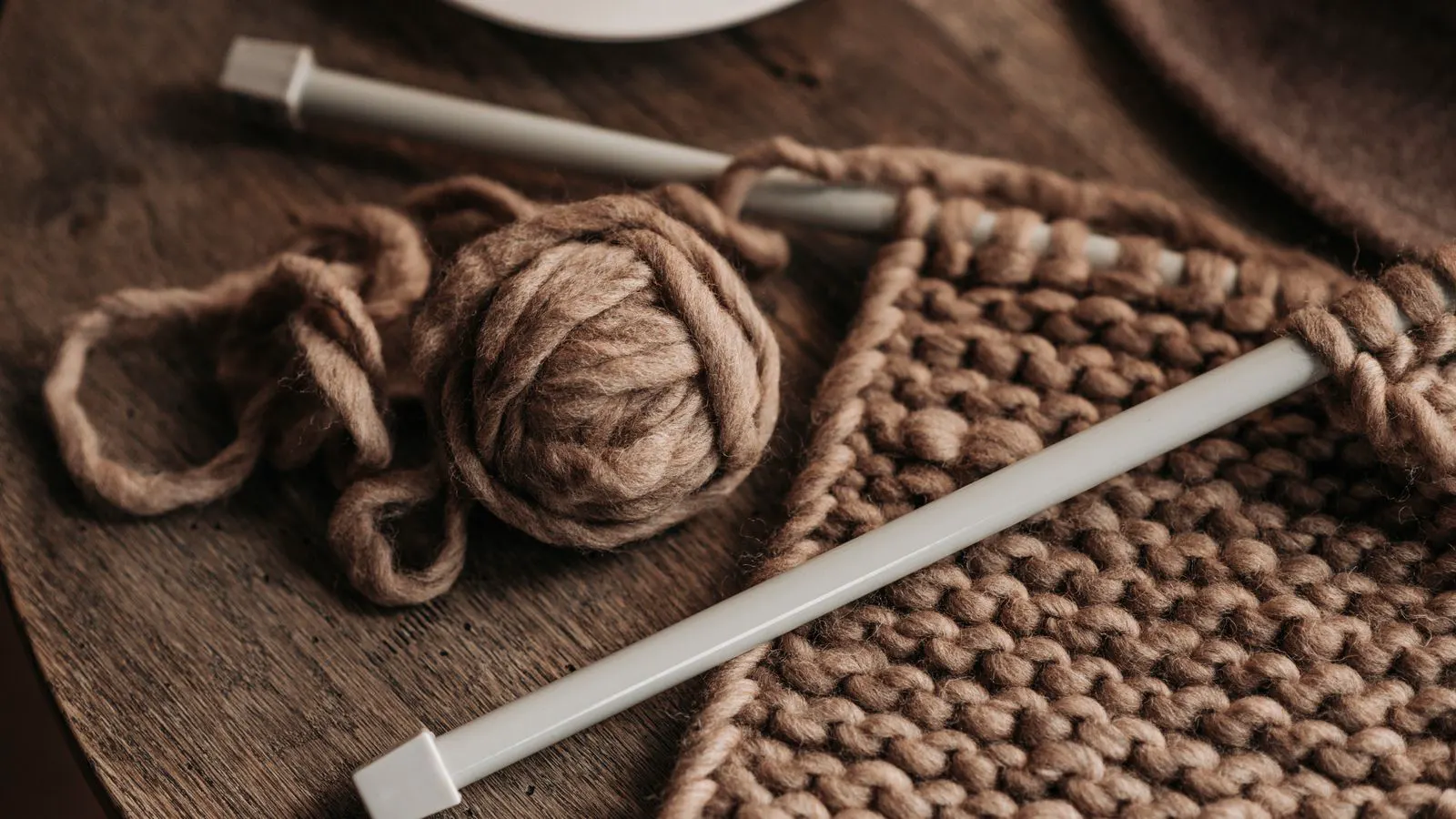
Needle gauge directly controls the number of stitches per inch on a trunk knitting machine. Finer gauges produce tighter, lighter fabrics, while coarser gauges yield thicker, faster-running knits. Understanding this relationship is key to matching machine selection with production capacity targets and fabric specifications.
- Needle gauge sets the stitch density and directly influences how much fabric a trunk knitting machine can produce per hour.
- Coarser needles allow faster cycle times and thicker fabrics, while finer needles slow production but create lighter, tighter knits.
- Sourcing a trunk knitting machine requires matching the needle gauge to the target fabric weight and required production volume.
- Needle condition and spacing must align with the gauge to prevent skipped stitches, uneven tension, and machine downtime.
- A worked example shows how changing from a medium to a fine gauge alters both output speed and fabric thickness.
What Needle Gauge Means on a Trunk Knitting Machine
Needle gauge defines the number of knitting needles per inch of machine bed. A machine labeled 18 gauge has eighteen needles in one linear inch. An 18 gauge trunk knitting machine creates a fine, tight fabric. An 8 gauge machine creates a thicker, looser knit. The gauge is fixed by the machine bed spacing. It cannot be changed without replacing the bed or using a different machine.
The gauge determines stitch size. It also sets the maximum width of the fabric the machine can produce in one pass. A wider bed with the same gauge produces a wider fabric, but the stitch density remains the same. For trunk knitting, which runs fabric on a long, open bed rather than in a circular loop, the gauge also affects how the yarn feeds and how the fabric gathers on the take-up.
When sourcing a trunk knitting machine, the gauge is one of the first specifications to verify. It works alongside bed length, needle count, and yarn feed configuration to set production capacity.
How Gauge Changes Stitch Density and Fabric Thickness
Finer gauges place more needles closer together. Each stitch is smaller. The fabric becomes tighter and lighter. The yarn is pulled through more openings per inch, which increases the mechanical load on the yarn feed and the tension system.
Coarser gauges space the needles farther apart. Each stitch is larger. The fabric becomes thicker and heavier. Less yarn is used per unit of area, so the fabric drapes differently and feels more open.
The relationship is not linear in all cases. A jump from 14 gauge to 16 gauge changes the stitch size noticeably, but the change in fabric weight depends heavily on yarn thickness and twist. A 3 ply yarn on a fine gauge creates a different fabric than a 3 ply yarn on a coarse gauge. The gauge sets the stitch frame. The yarn fills that frame.
For engineers, the practical effect is that gauge selection limits the range of usable yarns. A fine gauge machine may struggle with thick or low-twist yarns because the needles cannot accommodate the bulk. A coarse gauge machine may produce a loose fabric that does not meet the specification for a fine-gauge target.
How Needle Gauge Affects Production Capacity
Production capacity on a trunk knitting machine is measured in meters of fabric per hour. Gauge directly affects this number.
A coarser gauge machine runs faster because each needle moves through a larger loop per cycle. The fabric is produced more quickly by the length of the take-up. The same machine, set to a finer gauge, produces shorter loops per cycle and must complete more cycles to build the same length of fabric.
The cycle rate is limited by several factors. The needle bar speed, the tension of the yarn, the stiffness of the fabric, and the take-up mechanism all interact. A fine gauge fabric is stiffer and tighter. It resists movement on the take-up. The machine must work harder to pull the fabric off the bed. This reduces the maximum sustainable speed.
A coarse gauge fabric is looser and more pliable. It feeds more easily. The machine can maintain a higher speed without risking fabric distortion or needle stress.
This does not mean a coarse gauge machine always produces more fabric. The bed width matters. A 40 inch bed at 8 gauge produces a much wider fabric than a 40 inch bed at 18 gauge. The total meters per hour depend on both width and speed. But for the same bed width, the coarse gauge will almost always deliver a higher linear output rate.
How Needle Gauge Interacts with Machine Parts
The needle gauge is not an isolated specification. It determines the design of several key parts.
The needle bar spacing must match the gauge. If the bar spacing is wrong, the needles will not align with the stitch hooks. This causes skipped stitches or broken needles.
The tension discs and yarn guides must be sized for the gauge. Fine gauge machines use smaller discs and tighter guides. Coarse gauge machines use larger components that handle heavier yarns without friction points.
The take-up roller diameter and surface texture are often selected based on gauge. A fine gauge fabric needs a smoother, smaller diameter roller to avoid creating creases. A coarse gauge fabric can use a larger, more textured roller to grip the thicker knit.
When inspecting a trunk knitting machine, the needle gauge must be verified against the machine documentation. If the gauge has been changed through unauthorized modification, the tension system, feed mechanism, and take-up will no longer be balanced. This leads to uneven fabric, increased needle breakage, and reduced capacity.
Worked Example: Choosing Gauge for a Production Run
A buyer needs to produce 500 meters of single jersey fabric per day for a garment line. The target fabric weight is medium. The yarn is a standard 2 ply polyamide.
The buyer considers two machines.
Machine A has a 16 gauge bed. The fabric produced at 16 gauge with the specified yarn is lighter than the target. To reach the target weight, the buyer must either use a heavier yarn or accept a fabric that is too light for the garment specification.
Machine B has a 12 gauge bed. The fabric produced at 12 gauge with the same yarn matches the target weight. The 12 gauge machine runs at a lower speed than a fine gauge machine would, but the fabric width is wider due to the larger stitch size. The total linear output per hour is sufficient to meet the 500 meter daily target within the planned shift.
The 16 gauge machine is rejected because the fabric does not meet the weight specification. The 12 gauge machine is selected. The buyer then verifies that the tension discs, yarn guides, and take-up roller are configured for 12 gauge. The machine is set up, and the first run confirms the output rate and fabric quality.
This example shows that gauge selection is not just about speed. It is about matching the fabric specification to the machine capability.
How Needle Condition Affects Gauge Performance
Even with the correct gauge, worn or damaged needles reduce effective output. A bent needle bar creates an uneven stitch height. A pitted needle tip catches the yarn and creates weak points in the knit. A needle that is not fully seated in the bar causes a dropped stitch.
These defects force the machine to run slower or cause rework. The production capacity is lost not because the gauge is wrong, but because the needles do not perform to the gauge specification.
Inspecting the needles is a routine task. Each needle tip should be checked for burrs, dents, and wear. The needle bar should be straight. The needles should move freely in their holes without excessive play. Any needle that shows visible wear should be replaced.
For a trunk knitting machine, the number of needles is high. A single bad needle in a long bed can create a visible flaw that runs through the fabric. The cost of rework and customer complaints can far exceed the cost of preventive needle inspection and replacement.
Sourcing Decisions Based on Gauge
When sourcing a trunk knitting machine, the gauge must be selected based on the target fabric, not on a preference for speed or a preference for thin fabric.
The first step is to define the fabric specification. Weight, hand feel, drape, and intended garment use all point toward a gauge range. A performance fabric for compression wear may require a fine gauge. A thermal layer may require a coarse gauge.
The second step is to match the gauge to the production volume. A fine gauge machine may be slower, but if the fabric specification requires it, the buyer must accept the lower speed or invest in multiple machines to meet the volume.
The third step is to verify the machine parts. The seller should confirm that the tension system, feed mechanism, and take-up are rated for the selected gauge. A machine that was originally built for a different gauge and modified is a higher risk.
The final step is to require a sample run. The buyer should specify a yarn and ask the seller to produce a small length of fabric. The sample should be inspected for evenness, weight, and stitch consistency. This confirms that the gauge, needles, and tension system work together as expected.
Common Mistakes in Gauge Selection
The most common mistake is choosing the finest gauge available to make the fabric look high quality. A fine gauge creates a tight fabric, but it may not suit the yarn or the garment use.
Another mistake is ignoring the bed width. A buyer may select a fine gauge but choose a bed that is too short to produce the required fabric width in one pass. This forces a slower production process and increases labor.
A third mistake is assuming that a higher gauge always means better quality. Quality depends on yarn, tension, needle condition, and machine maintenance. A well-tuned coarse gauge machine can produce a high quality fabric. A poorly tuned fine gauge machine will produce defects.
A fourth mistake is not checking the needle spacing documentation. Some machines have adjustable spacing, but many have fixed spacing. If the spacing is fixed, the gauge is fixed. Buying a machine with the wrong fixed gauge means the machine cannot be used for the intended fabric.
Final Considerations for Engineers
Needle gauge is a fixed parameter that shapes the entire production process. It sets the stitch size, limits the usable yarn range, and determines the maximum sustainable speed. For a trunk knitting machine, the gauge must be chosen before the machine is purchased, not adjusted after installation.
The engineer must look at the full system. The needle gauge works with the tension system, the take-up, the feed mechanism, and the needle condition to determine the actual output. A machine with the right gauge but poor maintenance will underperform. A machine with the wrong gauge will not meet the fabric specification.
The practical rule is simple. Define the fabric. Select the gauge that matches the fabric. Verify that the machine parts are built for that gauge. Run a sample. Confirm the output. Only then commit to the full production run.
Frequently asked questions
Can I change the needle gauge on an existing trunk knitting machine?
No. The gauge is set by the needle bar spacing in the machine bed. Changing it requires a different bed or a different machine.
Does a finer gauge always produce a stronger fabric?
Not necessarily. A finer gauge creates a tighter stitch, but strength depends on yarn quality, twist, and tension. A well-made coarse gauge fabric can be stronger than a poorly made fine gauge fabric.
How does needle gauge affect yarn consumption?
A coarser gauge uses less yarn per unit area because the stitches are larger. A finer gauge uses more yarn per unit area because the stitches are smaller and the fabric is tighter.
What should I check before buying a trunk knitting machine based on gauge?
Verify the fixed gauge, the bed width, the tension system rating, and the take-up configuration. Request a sample run with your intended yarn before finalizing the purchase.
Does needle gauge affect the width of the fabric produced?
The gauge affects the stitch size, not the fabric width. The fabric width is determined by the bed length and the number of needles. A wider bed produces a wider fabric at the same gauge.