Explainer: How Spindle Tension Affects Knit Fabric Quality
Spindle tension sets the force that holds yarn during loop formation. Too much tension tightens the fabric and risks yarn breakage. Too little causes loose loops and poor recovery. Correct setup stabilizes fabric weight and structure.
- Spindle tension directly sets loop size and fabric thickness in a knitting machine.
- Incorrect tension creates fabric defects like loose loops, tight stitches, and yarn breakage.
- Buyers should verify spindle tension settings during machine trials before finalizing sourcing.
- Consistent tension across all needles is required for uniform fabric quality.
What is spindle tension and how it works
Knitting machine spindle tension is the controlled force applied to the yarn as it moves through the machine. It is not a single dial. It is a system of parts that work together to hold the yarn at the right tightness during each stitch formation.
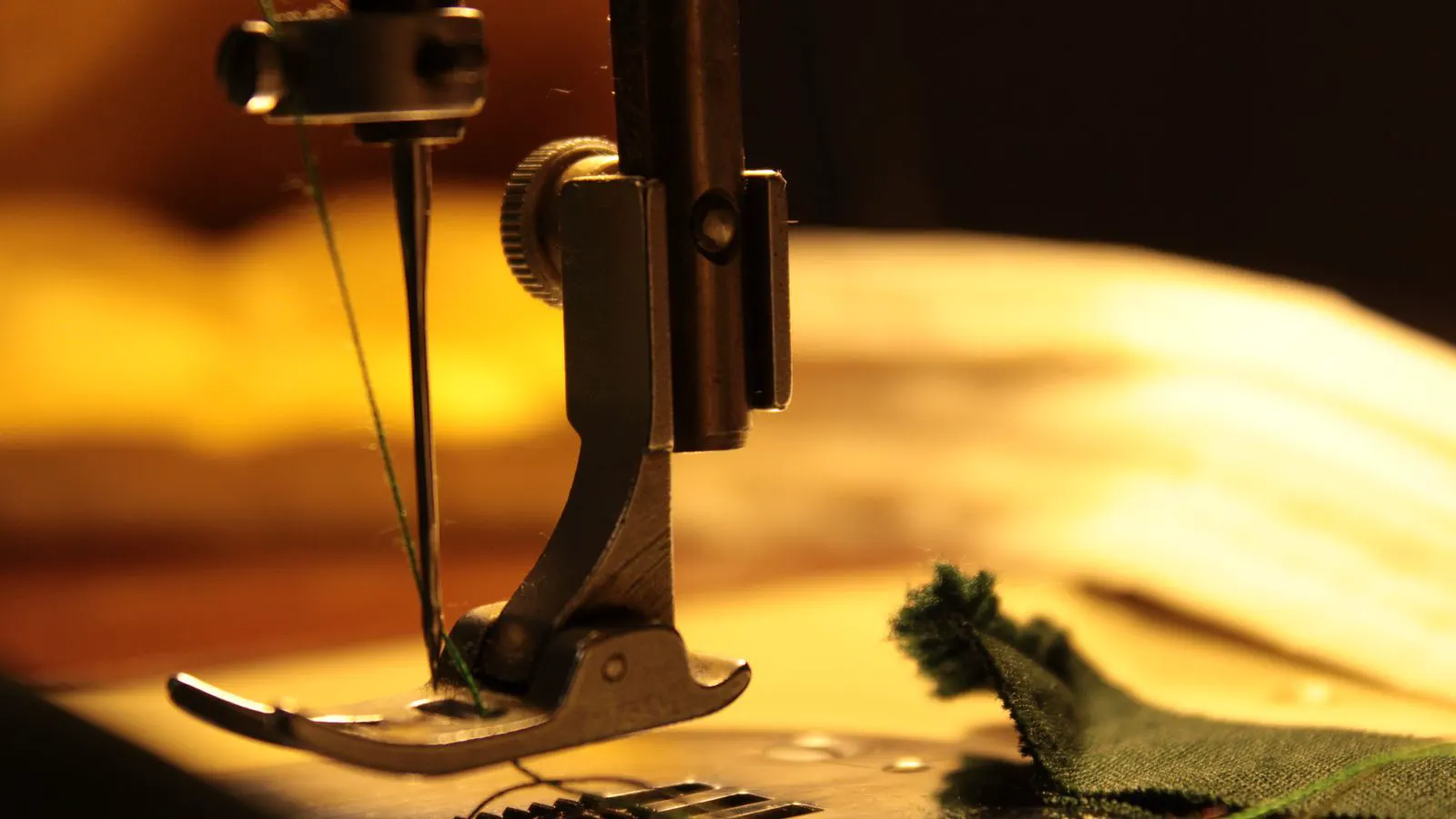
The main parts are the spindle itself, the tension discs, the tension spring, and the yarn path guides. The yarn passes through these components before it reaches the needle. The spring applies pressure to the discs. The discs grip the yarn. The amount of grip controls how much resistance the yarn feels when the needle pulls it into a loop.
This resistance is what determines the final size of the loop. If the yarn is held too tight, the loop becomes smaller. If the yarn is held too loose, the loop becomes larger. Both extremes change the fabric structure.
How tension affects loop size and fabric weight
Loop size is the most direct result of spindle tension. Every loop in a knit fabric is a small unit of structure. The machine repeats this unit thousands of times per minute. A small change in tension changes every loop.
When tension is higher, the yarn is pulled more firmly during stitch formation. The loop closes with less slack. The fabric becomes denser. The weight per square meter increases. The fabric may feel stiffer and less stretchy.
When tension is lower, the yarn is held with less force. The loop closes with more slack. The fabric becomes lighter. The weight per square meter drops. The fabric may feel softer and more open.
This is why spindle tension is a primary setup variable. It works alongside needle size and yarn thickness to set the fabric gauge. A buyer cannot judge fabric quality without understanding how tension interacts with the other machine settings.
What happens when tension is too high
Excessive spindle tension creates several visible and functional problems. The most common issue is yarn breakage. The yarn is held so tightly that the friction at the discs or guides exceeds the fiber strength. The yarn snaps during production.
Breakage stops the machine or creates a defect in the fabric. The operator must stop the machine, fix the broken end, and restart. This reduces output and increases labor.
High tension also changes the fabric hand feel. The loops are pulled tight against each other. The fabric becomes less elastic. Garments made from this fabric may feel tight and uncomfortable when worn.
Another problem is increased wear on machine parts. The tension discs and guides see higher friction. Over time, the discs can become uneven. The guides can become worn. This leads to inconsistent tension across the machine. One side of the fabric may be tighter than the other.
What happens when tension is too low
Low spindle tension creates a different set of problems. The loops are formed with too much slack. The fabric becomes loose and open. The weight per square meter drops. The fabric may not hold its shape well.
Loose loops are also more prone to snagging. Small hooks or rough surfaces can catch the yarn and pull the loop out. This creates a run, or ladder, in the fabric. A single snag can ruin a large section of knit.
Low tension also affects recovery. When the fabric is stretched and released, the loops should return to their original shape. If the tension is too low, the loops may not recover properly. The fabric can look distorted after cutting or sewing.
In some cases, low tension causes the yarn to slip out of the tension discs entirely. The yarn then runs with almost no control. This can lead to loops that are too large and uneven. The fabric looks irregular, and the weight is inconsistent.
How tension setup connects to sourcing decisions
When sourcing a knitting machine, spindle tension is one of the first things to verify during a trial run. The machine may look clean and run smoothly, but the tension settings may not match the yarn and fabric you need.
A buyer should ask the supplier to run a sample with the exact yarn specification. The sample should be checked for weight, stretch, and loop size. If the supplier cannot adjust the tension to meet the target fabric, the machine may not be suitable.
This is why spindle tension is a key part of the knitting machine parts selection. The tension discs must be in good condition. The spring must be within its working range. The guides must be smooth and correctly positioned. A worn tension assembly will not produce consistent fabric, no matter how new the needles are.
During machine inspection, a buyer should check the tension discs for wear marks. The discs should be smooth and evenly shaped. Any grooves or flat spots will create uneven grip. The spring should be firm but not brittle. If the spring is weak, it cannot apply enough force to the discs.
Worked example in plain words
A buyer wants to source a circular knitting machine for a mid-weight jersey fabric. The yarn is a standard cotton blend. The target fabric should have a balanced feel, with enough stretch for a T-shirt but not so loose that it drapes poorly.
The machine is set up with the yarn installed and the needles in place. The operator runs a short length of fabric. The first sample comes off the machine and looks too loose. The loops are larger than expected. The fabric feels thin and open.
The operator checks the tension discs. They are clean and smooth. The spring is firm. The problem is the spring setting. It is adjusted slightly to increase the force on the discs. The yarn is now held a little tighter.
A second sample is run. The loops are smaller. The fabric feels denser. The weight is higher. The stretch is still good, but the fabric now holds its shape better. The operator checks the tension across all needles. Each needle pulls the yarn with the same resistance. The fabric is even from edge to edge.
This small adjustment changed the fabric. The machine had the same needles and the same yarn. Only the tension changed. That is why tension setup is not a minor detail. It is the setting that turns the same machine into different fabrics.
Common mistakes in tension setup
The most common mistake is setting tension based on one yarn type and then running a different yarn without adjustment. Yarn thickness, fiber content, and finish all change the friction at the discs. A cotton yarn grips differently than a polyester yarn. A smooth yarn slips differently than a textured yarn.
Another mistake is adjusting tension on only a few needles. The machine may look fine in the center, but the edges may be off. If the tension is not even, the fabric will have a tight band on one side and a loose band on the other. This is hard to fix after the fabric is cut.
A third mistake is ignoring the yarn path. If the yarn is rubbing against a rough guide or a sharp corner before it reaches the discs, the friction adds extra tension. The discs may be set correctly, but the yarn still feels too tight. The path must be smooth and the guides must be aligned.
These mistakes are easy to miss during a short trial. A few seconds of running may look fine. A longer run reveals the inconsistency. That is why a buyer should require a full trial run with the actual production yarn.
How to check tension during machine trials
During a machine trial, the buyer should ask for a sample fabric cut from the middle of the run. This avoids edge effects. The sample should be stretched gently in both directions. The loops should recover quickly. If the fabric stays stretched, the tension is likely too low.
The buyer should also check the fabric weight by hand. Compare the feel to the target fabric or a reference sample. If the sample is too heavy, the tension is too high. If it is too light, the tension is too low.
The operator should show how the tension is adjusted. The buyer should see the discs, the spring, and the guides. They should understand how to make small changes. If the operator cannot explain the adjustment, the machine may not be set up correctly for the buyer’s production needs.
A practical check is to run the machine for a longer period and inspect the fabric at regular intervals. Consistent tension over time is more important than perfect tension at the start. If the tension drifts as the machine runs, the discs or spring may need attention.
Final checks before accepting the machine
Before finalizing a purchase, the buyer should verify that the tension system is clean and in good working order. The discs should be free of yarn residue. The spring should not be corroded. The guides should be smooth and correctly positioned.
The buyer should also confirm that the machine can handle the yarn range they plan to use. Not every tension system is built for the same yarn thickness. A machine set up for fine yarn may struggle with a thick yarn, and vice versa. The supplier should confirm the yarn range during the trial.
If the tension system needs replacement parts before production, the buyer should factor that into the decision. A machine that requires immediate part changes may not be ready for production. The knitting machine parts should be in working condition from the start.
Spindle tension is the setting that connects the machine to the fabric. Get it right, and the fabric is stable. Get it wrong, and the whole production line pays for it.
Frequently asked questions
Can spindle tension be adjusted after the machine is installed?
Yes, tension can be adjusted during setup and during production. The adjustment is usually made by changing the spring force on the discs.
Does the same tension setting work for all yarn types?
No. Different yarns have different friction at the discs. A cotton yarn and a polyester yarn may need different tension settings to produce the same fabric weight.
What is the most common fabric defect caused by wrong tension?
The most common defects are loose loops from low tension and yarn breakage from high tension. Both defects reduce fabric quality and production output.
How do I know if the tension is too high during a trial run?
Check the fabric weight and the yarn breakage rate. If the fabric is too dense and the yarn breaks often, the tension is likely too high.
Should I check tension on all needles or just a few?
Check all needles. Tension must be even across the machine. A small difference on one needle can create a visible band in the finished fabric.