Buyers Guide: Selecting Dyeing Machines for Denim
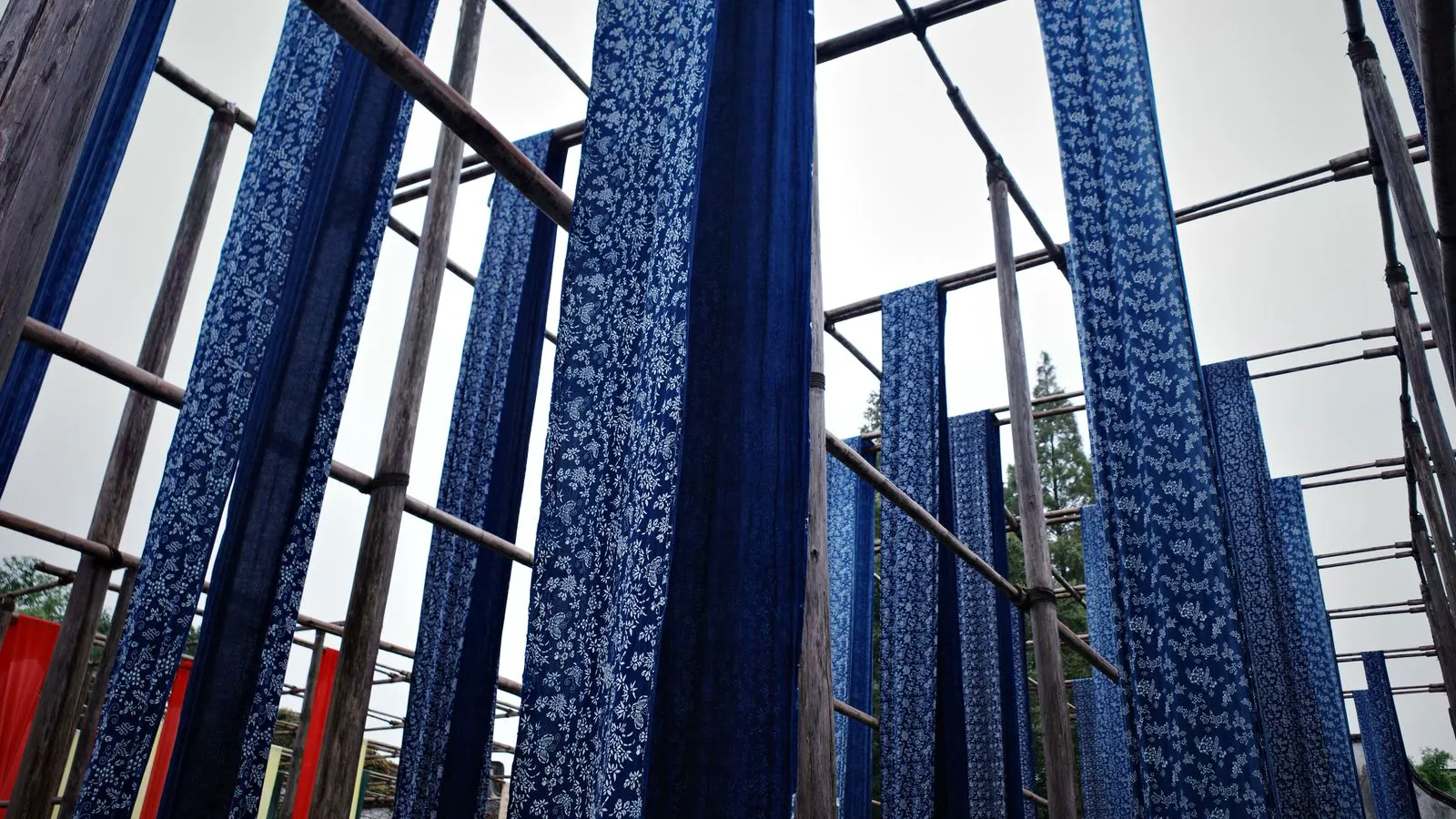
Selecting a denim dyeing machine requires balancing indigo dyeing capacity with heavy fabric handling. Evaluate machine size, drum design, water usage, and control systems to match your production volume and quality standards.
- Match machine capacity to your daily denim output and fabric width.
- Prioritize drum design and agitation for even indigo dye uptake on heavy cloth.
- Check water management and reuse systems to reduce operating costs.
- Verify control systems and instrumentation for consistent color batches.
- Plan maintenance access and spare parts availability before final purchase.
What capacity should your denim dyeing machine support?
Equipment capacity is the first decision point. You must define your daily production target, fabric width, and roll length before contacting suppliers. A small workshop producing 500 meters per day in 150 centimeter width needs a different machine than a plant producing 10,000 meters per day in 220 centimeter width. The difference lies in the physical dimensions of the dye tank, the power requirements of the drum motor, and the volume of the chemical dosing units.
Calculate your required load based on the number of rolls per batch. Heavier denim fabric, such as 14 ounce or higher, increases the mass per meter. This affects how many rolls fit in the machine without overloading the drum or motor. Overloading leads to uneven dye penetration, longer cycle times, and mechanical stress. When a drum is packed too tightly, the fabric layers compress against each other. The indigo solution cannot reach the inner layers effectively. The outer layers may appear darker, while the inner core remains lighter. This creates a shade difference that fails customer inspection.
Consider your growth plan. If you plan to expand production in the next two to three years, a slightly larger machine may save replacement costs. Conversely, buying a machine that is too large wastes energy and increases water usage per batch. A large tank requires more time to heat the water and more chemical input to maintain the correct ratio. Check the rated tonnage or meter capacity from the supplier and verify it against your actual daily schedule. Ask for a calculation sheet that shows the maximum number of meters the machine can process in one batch. Compare that number to your production plan. If the machine is sized for 1,000 meters per batch and you only run 600 meters, you are paying for unused capacity and higher water costs.
How does indigo dyeing affect machine selection?
Indigo is a vat dye that requires a specific reduction environment. The machine must maintain stable temperature, pH, and oxygen levels to keep the indigo in a soluble, dyeable form. This differs from direct or reactive dyes used for other textiles. Indigo is not soluble in water in its oxidized blue form. It must be chemically reduced to a colorless, soluble form, often called indigo white or yellow. The fabric absorbs this soluble form. When the fabric is exposed to air, the indigo oxidizes back to blue on the fiber surface.
Look for machines designed for indigo dyeing. These often include dedicated reduction tanks or integrated chemical dosing systems that control the indigo vat chemistry. The reduction process usually involves sodium hydrosulfite or a similar reducing agent. The machine must add these chemicals gradually to maintain the correct reduction potential. Some machines use continuous indigo dyeing systems where fabric passes through a reduction zone, a dye zone, and an oxidation zone. Others use batch dyeing where rolls are submerged in indigo solution for a set period.
Batch indigo dyeing offers flexibility for different shade requirements. You can adjust dye concentration, time, and temperature for each lot. This is useful if you produce a mix of light, medium, and dark denim shades. You can change the dye concentration and cycle time to match the target shade for each order. Continuous indigo dyeing provides consistent shade and faster throughput, making it suitable for high-volume production. The fabric moves continuously through the system, reducing the time lost to loading and unloading. Choose based on your product mix. If you produce multiple denim shades frequently, batch dyeing may be better. If you run long runs of a single shade, continuous systems can be more efficient. Check the minimum batch size for continuous systems. If your orders are small, you may face production delays due to changeover times.
What features handle heavy fabric dyeing effectively?
Denim is heavy and stiff, especially before washing. The machine must handle the fabric without tearing, stretching, or causing uneven dye distribution. Drum design plays a major role here. Open drum machines use rotating cylinders to move fabric through the dye bath. The drum holes or slits allow liquid to flow through the fabric. For heavy denim, drum diameter and hole pattern matter. Larger drums reduce fabric stress. The fabric wraps around a larger surface area, which reduces the bending radius. This minimizes the risk of fiber breakage.
Hole size must be large enough to allow good liquid circulation but small enough to prevent excessive fabric movement. If the holes are too large, the fabric slips and shifts during rotation. This causes uneven tension and dye distribution. If the holes are too small, the liquid flow is restricted. The fabric does not receive enough dye penetration. Look for machines with adjustable hole patterns or multiple drum options. Verify the maximum fabric weight per meter the machine can handle. If you process 14 ounce denim, ensure the machine is rated for that weight. Check the motor torque rating. The drum must be able to turn the fabric against the resistance of the wet denim. A weak motor will struggle, leading to uneven rotation and poor dye uptake.
Consider the number of fabric layers the drum can handle. More layers increase dye uptake per cycle but reduce penetration depth. The outer layers block the dye from reaching the inner layers. For heavy denim, fewer layers with longer dye times often produce better results. This allows the indigo to penetrate deeper into the fiber structure. Ask the supplier for a layering diagram. Determine the maximum number of layers the drum can hold without overloading.
Agitation and liquid flow are critical. Poor liquid circulation creates dye shadows and uneven color. Look for machines with effective pumping systems and well-designed drum rotation. Some machines include additional agitation arms or internal paddles to move fabric gently. These paddles help keep the fabric suspended in the liquid and prevent it from settling at the bottom of the tank. Check the pump capacity and valve design to ensure steady flow through the fabric. The pump must be able to push the indigo solution through the dense fabric bundle. A high-pressure pump may be needed for heavy denim. Ask about the pump type and its compatibility with indigo chemicals.
How much water does the machine use per batch?
Water consumption is a major operating cost and an environmental concern. Denim dyeing uses significant water, and the machine design affects efficiency. Batch dyeing machines typically use a fixed volume of water per batch. The water-to-fabric ratio determines dye concentration and wash quality. A lower ratio saves water but requires more careful control to avoid dyeing defects. A higher ratio uses more water but gives better dye penetration and easier cleaning.
Some machines include water reuse systems that recover a portion of the dye bath between batches. These systems filter and concentrate the indigo solution, reducing fresh water intake. Evaluate the recovery rate and maintenance requirements of any reuse system. A simple filter may save a portion of the water, while more complex systems can save more but require regular cleaning and chemical management. The recovery system must handle the suspended particles and residual chemicals in the indigo bath. Clogged filters reduce the recovery rate and increase maintenance time. Ask about the filter replacement cycle and the cost of filter elements.
Continuous dyeing machines often use less water per meter of fabric than batch systems, but the difference depends on the design. Check the water usage per meter from the supplier and compare it with your production plan. Factor in pretreatment, dyeing, and washing stages. A machine with high water reuse efficiency may have a higher upfront cost but lower long-term operating expenses. Consider the local water regulations and discharge limits. Some regions have strict limits on indigo discharge. A machine with a closed-loop system may be necessary to meet these standards. Ask about the system’s ability to handle the chemical load.
What control systems and instrumentation are needed?
Consistent color is a non-negotiable requirement for denim production. The machine must maintain stable dye bath conditions throughout the cycle. Look for automated dosing systems that control indigo, alkali, and reducing agents. Manual dosing leads to variation, especially during long runs. Automated systems use sensors and PLC controls to maintain the correct pH, temperature, and chemical concentration.
Temperature control is critical. Indigo dyeing requires precise temperature ranges. A deviation of a few degrees can affect dye uptake and shade. Check the accuracy of the temperature sensors and the responsiveness of the heating and cooling systems. The machine should include redundant sensors or alarm systems to detect drift. If the temperature sensor fails, the machine should alert the operator immediately. A backup sensor ensures that the control system does not lose track of the bath temperature. Ask about the heating element type and its efficiency. Electric heating is common, but gas heating may be used in some facilities. Check the power consumption of the heating system.
Color measurement is a valuable addition. Inline spectrophotometers or portable colorimeters can verify shade consistency. Some machines integrate color measurement into the control panel, allowing operators to compare the current bath to a target shade and adjust dosing automatically. This reduces waste and rework. The spectrophotometer measures the reflectance of the dye bath and compares it to a digital target. If the bath is too dark or too light, the dosing system adds more or less indigo. This closed-loop control ensures that the final shade matches the customer specification. Ask about the accuracy of the color measurement system. Check the calibration requirements. The sensor must be cleaned regularly to maintain accuracy.
How do you evaluate maintenance and spare parts?
Denim dyeing machines operate under harsh conditions. Indigo solution is corrosive, and heavy fabric causes mechanical wear. Maintenance access and spare parts availability directly affect downtime and costs. Inspect the drum, bearings, seals, and pump components. Stainless steel or corrosion-resistant materials are preferable for parts in contact with indigo. Check the design of the drum holes and seals. Easy-to-clean areas reduce downtime. If the machine has removable drum panels or access doors, it simplifies inspection and cleaning.
Ask about the lead time for common spare parts. If a seal or pump impeller fails, you need it quickly. Local availability of parts reduces production loss. Some suppliers provide extended service contracts or on-site support. Evaluate the total cost of ownership, including maintenance, energy, water, and labor. A machine with cheaper parts but higher maintenance labor costs may be more expensive in the long run. Ask about the expected lifespan of the major components. Bearings, seals, and pump impellers are wear items. Knowing their replacement intervals helps you plan your maintenance budget.
Decision checklist for selecting your denim dyeing machine
- Define your daily production target in meters and fabric width.
- Determine the maximum fabric weight in ounces or grams per meter.
- Choose between batch and continuous indigo dyeing based on shade variety and volume.
- Verify the machine is rated for indigo dyeing with proper vat chemistry control.
- Check drum diameter, hole pattern, and agitation design for heavy fabric.
- Calculate water usage per batch and evaluate reuse system options.
- Require automated dosing, temperature control, and color measurement.
- Inspect maintenance access and confirm spare parts availability.
- Compare total operating costs, not just the purchase price.
- Request a trial run with your actual fabric and dye recipe before final purchase.
Frequently asked questions
What is the minimum drum diameter for heavy denim fabric?
There is no universal minimum, but larger drums reduce fabric stress and improve dye penetration. For 14 ounce denim, suppliers often recommend drums with diameters in the upper range of standard sizes to handle the weight without excessive stretching.
How do batch and continuous indigo dyeing machines differ in water use?
Continuous dyeing systems generally use less water per meter of fabric than batch systems, but the difference depends on the design and recovery systems. Batch machines use a fixed volume per batch, while continuous machines circulate dye solution through the fabric.
Can a standard cotton dyeing machine be retrofitted for indigo denim?
Some machines can be modified, but a dedicated indigo dyeing machine is often more reliable. Indigo requires specific vat chemistry and reduction conditions. Retrofitting may be possible, but verify the machine can handle the corrosion and chemical requirements of indigo dyeing.
What is the typical number of fabric layers for denim dyeing?
The number of layers depends on fabric weight and desired dye penetration. Heavier denim often uses fewer layers to ensure even dye uptake. Operators adjust layer count based on shade requirements and production speed.
How do I verify color consistency between dyeing batches?
Use color measurement instruments such as spectrophotometers or colorimeters to compare the final fabric to a standard shade. Some machines include inline color measurement that provides real-time feedback and automatic adjustment during the dyeing cycle.