Outlook: Modular Production Lines in Textile Manufacturing
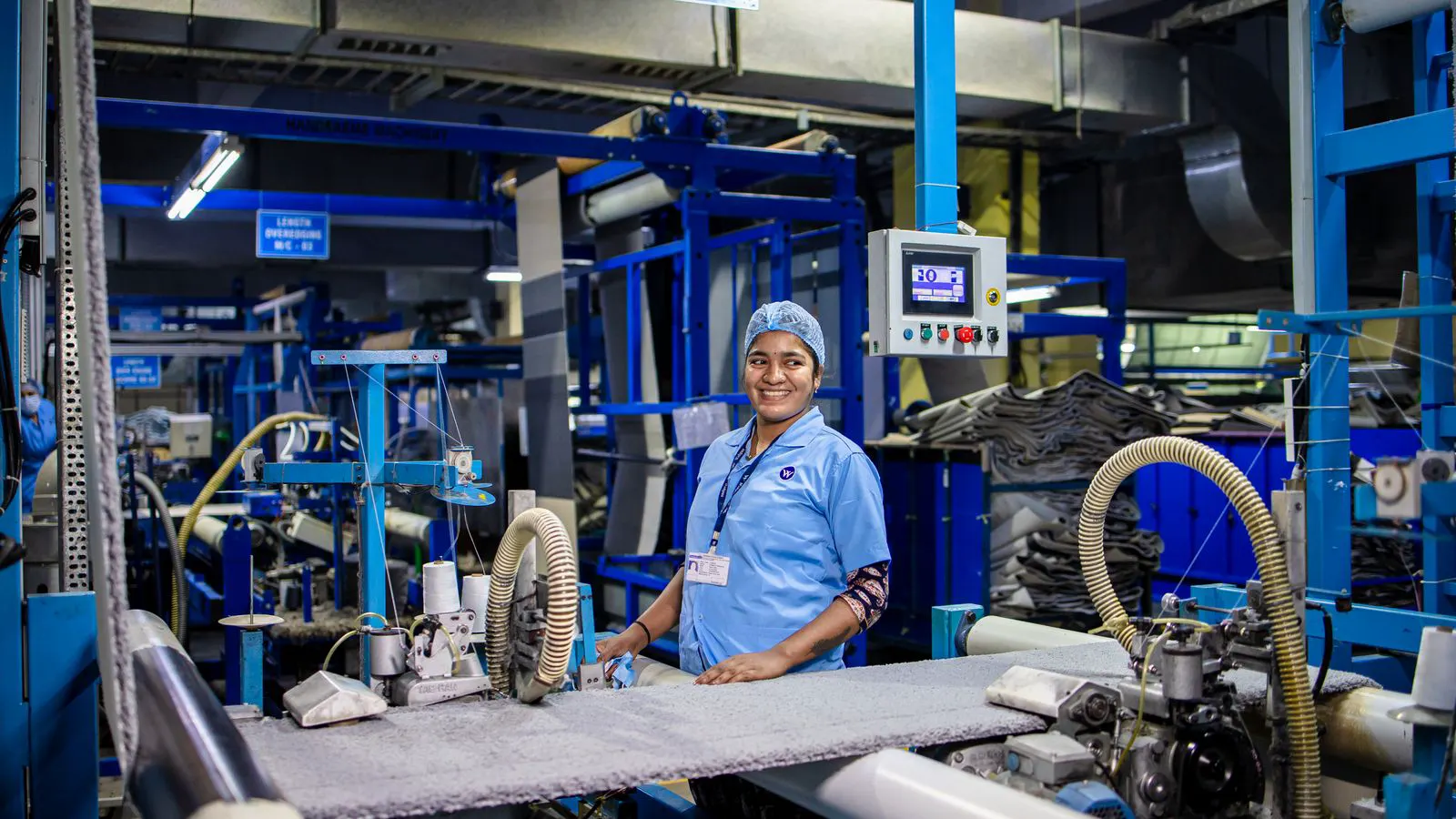
Modular textile production shifts capital planning from large, fixed installations to smaller, scalable units. This approach reduces upfront risk and improves flexibility. It changes how engineers and buyers calculate return on investment for new factory capacity.
- Modular textile production allows buyers to scale capacity in stages rather than committing to a single large capital project.
- Factory layout trends are shifting toward flexible, reconfigurable footprints that support product mix changes.
- Capital planning must now account for modular integration costs, including utilities, controls, and maintenance access.
- Flexible manufacturing systems require careful due diligence on vendor support, spare parts, and upgrade paths.
- ROI calculations should reflect long-term adaptability and reduced obsolescence risk, not just initial throughput gains.
How modular units change the capital planning model
Modular textile production changes how buyers structure capital outlays. Instead of purchasing one large, fixed installation, companies can deploy several smaller units that connect into a single production line. This approach shifts risk from a single high-cost decision to a series of manageable purchases.
The change is practical. A textile mill that needs to expand capacity can install a modular unit in an existing bay rather than building a new hall. The utility connections, floor space, and maintenance access already exist. The buyer avoids a large construction project and the associated delays.
This model changes the timing of cash flow. Rather than a single large payment, the purchase spreads over several quarters. The finance team can align each unit with a specific product run or customer contract. The capex schedule becomes more predictable and easier to justify to the board.
However, the model introduces new costs. Modular systems require more interconnections. Each unit needs its own controls, sensors, and material handling links. The integration work can take more time than expected. The engineering team must plan for these hidden costs before the first unit arrives.
What factory layout trends mean for long-term scalability
Factory layout trends are moving away from rigid, single-purpose lines. Modern mills design spaces that can accommodate different product types, widths, and speeds. This is where modular textile production fits directly into the long-term plan.
A flexible layout uses clear bays and standardized utility points. Each bay can host a different module. When a product line ends or a new one starts, the units can be swapped or reconfigured. This reduces downtime and allows the mill to respond to market shifts.
The physical space itself becomes an asset. Instead of a fixed line that only runs one product, the mill has a platform that can run several. The layout supports multiple product families. This reduces the need for dedicated lines and lowers the fixed cost per unit of output.
The layout also affects maintenance. Modular units are easier to isolate. If one module fails, the others can keep running. The maintenance team can service the unit without stopping the whole line. This improves availability and reduces the cost of unplanned downtime.
How to structure the purchase for better ROI
ROI for modular textile production depends on how the purchase is structured. The buyer should not treat each unit as a standalone machine. The value comes from the system, not the individual parts.
The purchase plan should include the integration scope. This covers the controls, sensors, material handling, and software links between units. The vendor quote should show the cost of the system, not just the hardware. The buyer should ask for a breakdown of the integration work and the expected timeline.
The purchase plan should also include the upgrade path. Modular systems are designed to be expanded. The buyer should confirm that future units are compatible with the current installation. This prevents the need for a full system replacement later.
The ROI calculation should include the cost of flexibility. A flexible system may have a higher initial cost than a fixed line. But it reduces the risk of obsolescence. If the market shifts, the mill can reconfigure the line instead of buying new equipment. This preserves the investment value.
Key shifts buyers should plan for
The shift to modular textile production is not just a change in equipment. It is a change in how the factory operates. Buyers should plan for the following shifts.
- From fixed capacity to staged capacity. The mill does not buy all the capacity it might need. It buys what it needs now and adds units as demand grows. This reduces the risk of over-investment.
- From dedicated lines to shared platforms. The mill does not build a line for each product. It builds a platform that can run multiple products. This reduces the number of lines and the associated overhead.
- From hardware purchase to system purchase. The buyer does not just buy machines. It buys a system that includes controls, sensors, and integration. The value comes from the system working together, not from the individual parts.
- From long-term maintenance to modular maintenance. The mill does not maintain one large line. It maintains several smaller units. This makes maintenance easier and reduces the downtime when a unit fails.
- From static layout to dynamic layout. The mill does not design a fixed layout. It designs a layout that can change. This allows the mill to respond to market shifts without a major construction project.
How to prepare the factory for modular integration
Preparing the factory for modular integration requires more than just clearing space. The buyer must plan for the infrastructure that supports the system.
The floor space must be designed for reconfiguration. The bays must be large enough to accommodate the modules and the material handling. The floor must support the weight of the units and the vibrations from the equipment. The buyer should work with a structural engineer to confirm the floor can handle the load.
The utility connections must be standardized. Each bay needs power, compressed air, and data connections. The buyer should install these connections in a way that allows the modules to be swapped without rewiring. This reduces the integration time and the cost of changes.
The controls system must be compatible with the modules. The buyer should confirm that the controls software can manage multiple units and coordinate them into a single line. The software must support the same protocols as the modules. This prevents compatibility issues during installation.
The maintenance team must be trained on the modular system. The team must understand how the units work together and how to service each unit independently. The vendor should provide training on the controls, the sensors, and the maintenance procedures. This ensures the team can keep the system running efficiently.
Common mistakes to avoid in modular purchases
Buyers often make mistakes when planning modular textile production. The following errors can reduce ROI and increase operational risk.
The first mistake is underestimating the integration cost. The buyer focuses on the hardware price and ignores the cost of connecting the units. The integration work can take more time and money than expected. The buyer should get a detailed quote that includes the integration scope.
The second mistake is ignoring the upgrade path. The buyer purchases units without confirming that future units are compatible. When the mill wants to expand, it discovers that the new units do not work with the existing system. This forces a full replacement. The buyer should confirm compatibility before the first purchase.
The third mistake is not planning for the layout changes. The buyer designs a fixed layout and then tries to fit modular units into it. The units do not fit, and the mill must reconfigure the space. This causes delays and extra costs. The buyer should design the layout for flexibility from the start.
The fourth mistake is skipping the due diligence. The buyer purchases from a vendor without checking its support network, spare parts availability, and upgrade path. The vendor cannot support the system, and the mill faces long downtime. The buyer should perform a thorough due diligence before signing the contract.
| Purchase Factor | Fixed Line Approach | Modular Approach |
|---|---|---|
| Capital Outlay | Single large payment | Staged payments over several quarters |
| Capacity Risk | High risk of over-investment | Lower risk through staged expansion |
| Product Flexibility | Limited to one product type | Supports multiple product types |
| Maintenance Complexity | High, single line to service | Lower, units can be serviced independently |
| Layout Changes | Requires major construction | Minor reconfiguration of bays |
| Integration Cost | Lower, single system | Higher, multiple interconnections |
| Obsolescence Risk | High, single line may become outdated | Lower, units can be replaced individually |
Frequently asked questions
How does modular textile production affect the initial capital budget?
It spreads the capital outlay over several purchases instead of a single large project. This reduces the upfront cash requirement and makes the budget easier to manage.
Can an existing fixed line be converted to a modular system?
In some cases, parts of a fixed line can be replaced with modular units. The conversion depends on the layout and the utility connections. The buyer should assess the existing space before deciding.
What is the main advantage of modular units over a single large line?
The main advantage is flexibility. The mill can scale capacity up or down and change the product mix without a major construction project. This reduces the risk of obsolescence.
How does modular production affect maintenance costs?
Modular units are easier to maintain because they can be serviced independently. If one unit fails, the others can keep running. This reduces downtime and the cost of unplanned repairs.
What should the buyer check before purchasing modular textile production equipment?
The buyer should check the compatibility of future units, the integration scope, and the vendor's support network. The buyer should also confirm the upgrade path and the spare parts availability.