Supplier Audit Checklist for New Textile Machinery
This guide provides a structured supplier audit checklist to evaluate textile supplier reliability. It covers financial health, quality controls, and technical support, helping buyers verify machine quality assurance and reduce procurement risks.
- A systematic audit reduces the risk of purchasing unreliable machinery.
- Verify quality assurance processes before relying on a supplier's verbal promises.
- Check financial stability and after-sales support to ensure long-term reliability.
- Use red flags in the checklist to identify high-risk suppliers quickly.
Introduction
Selecting the right machine supplier is a critical decision for any textile manufacturer. A single poor choice can result in production downtime, quality defects, or significant financial loss. Before signing a contract, buyers need a structured way to verify a supplier’s reliability and technical capability.
This article provides a copyable supplier audit checklist designed for professional buyers and engineers. It groups essential checks into clear themes, offering specific questions and red flags to watch for. By using this guide, you can evaluate a textile supplier more objectively and ensure that machine quality assurance meets your production standards.
Financial and Operational Stability
The first step in any supplier evaluation is understanding the company’s long-term viability. A supplier that goes bankrupt five years after sale leaves you without critical parts or technical support. You need to verify that the company has the resources to sustain operations and honor long-term service agreements.
- Request Financial Statements: Ask for the last three years of audited financial statements. Look for consistent revenue, manageable debt levels, and positive cash flow.
- Verify Business Registration: Confirm that the company is legally registered and has no major litigation history. Check for any recent changes in ownership or management.
- Assess Production Volume: Determine if the supplier has the capacity to handle your order size. A small workshop may struggle to deliver a large batch of machines on time.
- Check Export Experience: If you are purchasing internationally, verify the supplier’s experience with global logistics and customs compliance.
Red Flags:
- Inconsistent financial growth or sudden drops in revenue.
- Reluctance to provide financial documentation.
- High dependency on a single large client.
Quality Assurance and Production Controls
Machine quality is the core of your investment. You must move beyond marketing brochures and inspect the actual quality control processes used during manufacturing. This is where the machine quality assurance process is most visible. Ask how the supplier ensures that every unit leaving the factory meets the same standard.
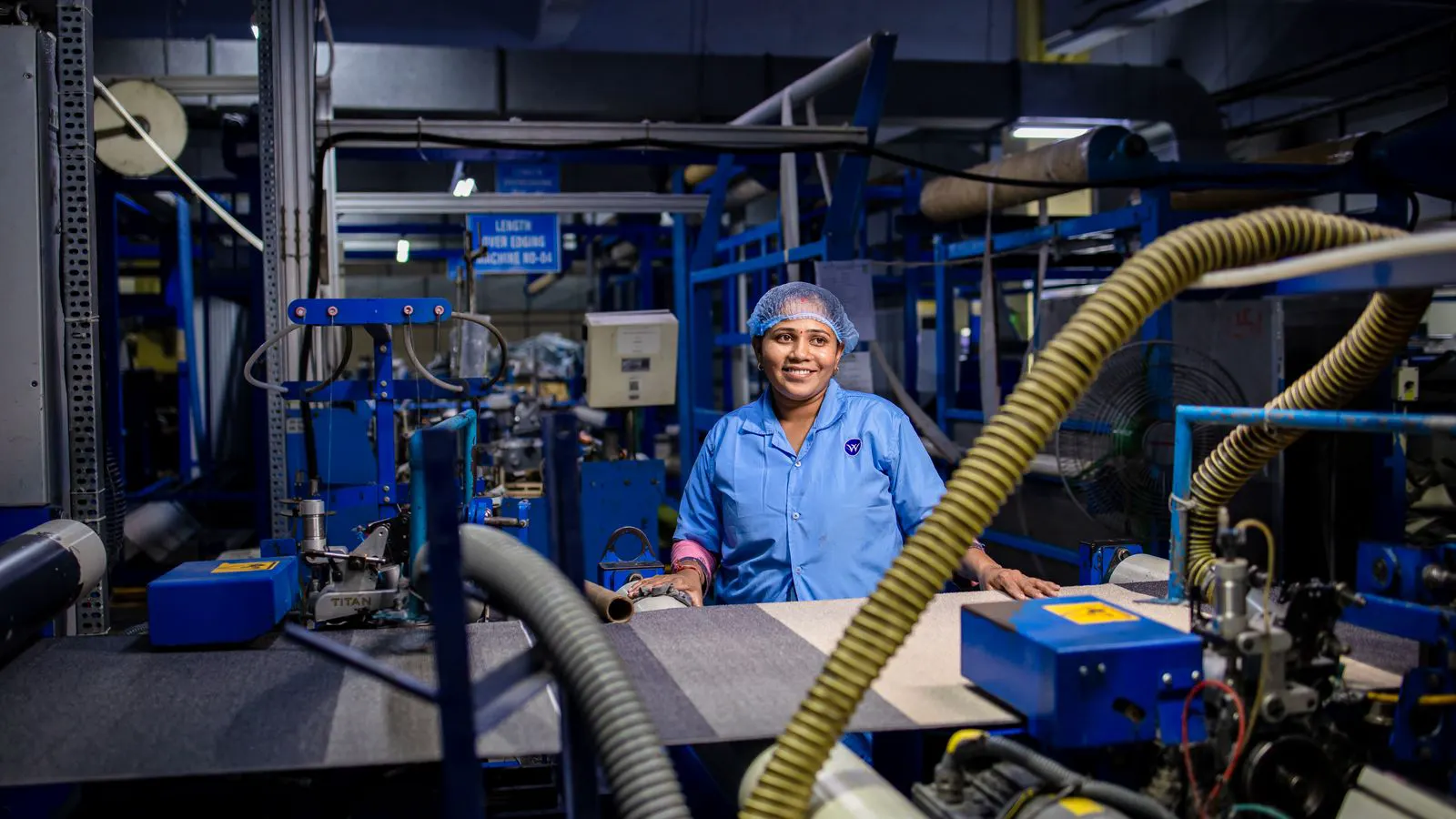
- Inspect the Factory Floor: Schedule a site visit to observe the assembly line. Look for standardized work procedures, calibrated tools, and organized workstations.
- Request Test Reports: Ask for pre-shipment test reports for similar models. These should include performance data, stress test results, and defect rates.
- Verify Material Sourcing: Inquire about the suppliers of key components like motors, bearings, and steel frames. High-quality components are essential for machine longevity.
- Check Calibration Practices: Ensure that the supplier calibrates machines before shipment. Ask how often calibration standards are updated.
Red Flags:
- No formal quality control department.
- Reliance on manual inspection without digital tools.
- Inability to provide traceability for specific components.
Technical Specifications and Compliance
The machinery must meet your specific technical requirements and local regulatory standards. A machine that is perfect on paper but non-compliant in your region is a liability.
- Compare Technical Data Sheets: Cross-reference the supplier’s data sheets with your internal requirements. Pay attention to power consumption, speed, and thread capacity.
- Verify Certifications: Check for relevant industry certifications or safety standards applicable in your country.
- Assess Customization Options: If you need custom features, evaluate the supplier’s R&D capabilities. Can they modify the machine without compromising safety or performance?
- Review Warranty Terms: Understand the scope, duration, and exclusions of the warranty. A short warranty period may indicate a lack of confidence in the product.
Red Flags:
- Vague technical descriptions in data sheets.
- Lack of compliance with local safety regulations.
- Short warranty periods with strict limitations.
After-Sales Support and Service Network
The relationship with a supplier does not end at installation. Ongoing support is crucial for maintaining uptime and training your staff.
- Evaluate Service Response Time: Ask about the average response time for technical issues. Does the supplier offer a 24/7 hotline or on-site support?
- Check Spare Parts Availability: Verify if the supplier maintains a local stock of spare parts or has a reliable global supply chain.
- Review Training Programs: Ask if the supplier provides comprehensive training for your operators and maintenance staff. Look for video tutorials, manuals, and live sessions.
- Assess Service Network: If the supplier has local agents or service centers, verify their training and parts access.
Red Flags:
- No dedicated support team.
- Long lead times for spare parts.
- Lack of training materials or support.
Logistics and Delivery
The delivery process can impact your production schedule significantly. You need a supplier who understands logistics and can communicate clearly.
- Confirm Shipping Timeline: Get a detailed timeline from order placement to delivery. Include milestones for manufacturing, inspection, and shipping.
- Review Packaging Standards: Ask how the machines are packed for transport. Proper packaging prevents damage during transit.
- Clarify Risk and Insurance: Determine who is responsible for damage during shipping. Ensure that insurance covers the full value of the machinery.
- Check Installation Support: Verify if the supplier provides installation services and how long they last.
Red Flags:
- Vague delivery dates.
- No clear responsibility for shipping damage.
- Lack of installation support.
Comparative Analysis Table
To streamline your evaluation, use the following table to compare suppliers side-by-side. This helps you identify strengths and weaknesses objectively.
| Evaluation Criteria | Supplier A | Supplier B | Supplier C |
|---|---|---|---|
| Financial Stability (3 Years) | Strong | Moderate | Weak |
| Quality Control Process | Automated | Manual | Inconsistent |
| Warranty Duration | 2 Years | 1 Year | 6 Months |
| Spare Parts Lead Time | 2 Weeks | 4 Weeks | 6 Weeks |
| Training Provided | On-site & Video | Video Only | None |
| Response Time to Support | < 24 Hours | < 48 Hours | > 72 Hours |
Final Verification Steps
Once you have completed the checklist, perform final checks before signing the contract.
- Legal Review: Have your legal team review the contract terms, including payment schedules, penalties for late delivery, and termination clauses.
- Reference Checks: Contact existing clients of the supplier to ask about their experience. Ask about issue resolution and support quality.
- Pilot Order: If possible, start with a small pilot order to test the machine and the supplier’s service before committing to a large order.
By following this supplier audit checklist, you can make a confident decision. It ensures that you are evaluating a textile supplier based on facts, not just sales pitches.
Frequently asked questions
How long should a supplier audit take?
A thorough audit can take several weeks, depending on the complexity of the machinery and the supplier's responsiveness. Site visits and document review are key time-consuming steps.
What if a supplier refuses a site visit?
A refusal to allow a site visit is a major red flag. It may indicate poor operations or a lack of confidence in their quality control. Consider finding an alternative supplier.
Is it necessary to audit a small supplier?
Yes. Even small suppliers should meet certain standards. Auditing helps you verify their capabilities and ensures they can provide consistent quality and support.
How can I verify machine quality assurance without visiting?
You can request third-party inspection reports, pre-shipment test videos, and detailed quality control documentation. Video calls can also provide insights into their processes.
What are the most common reasons for supplier failure?
Financial instability, poor quality control, and lack of after-sales support are the most common reasons. A structured audit helps identify these risks early.