Outlook: Remote Diagnostics and Predictive Maintenance
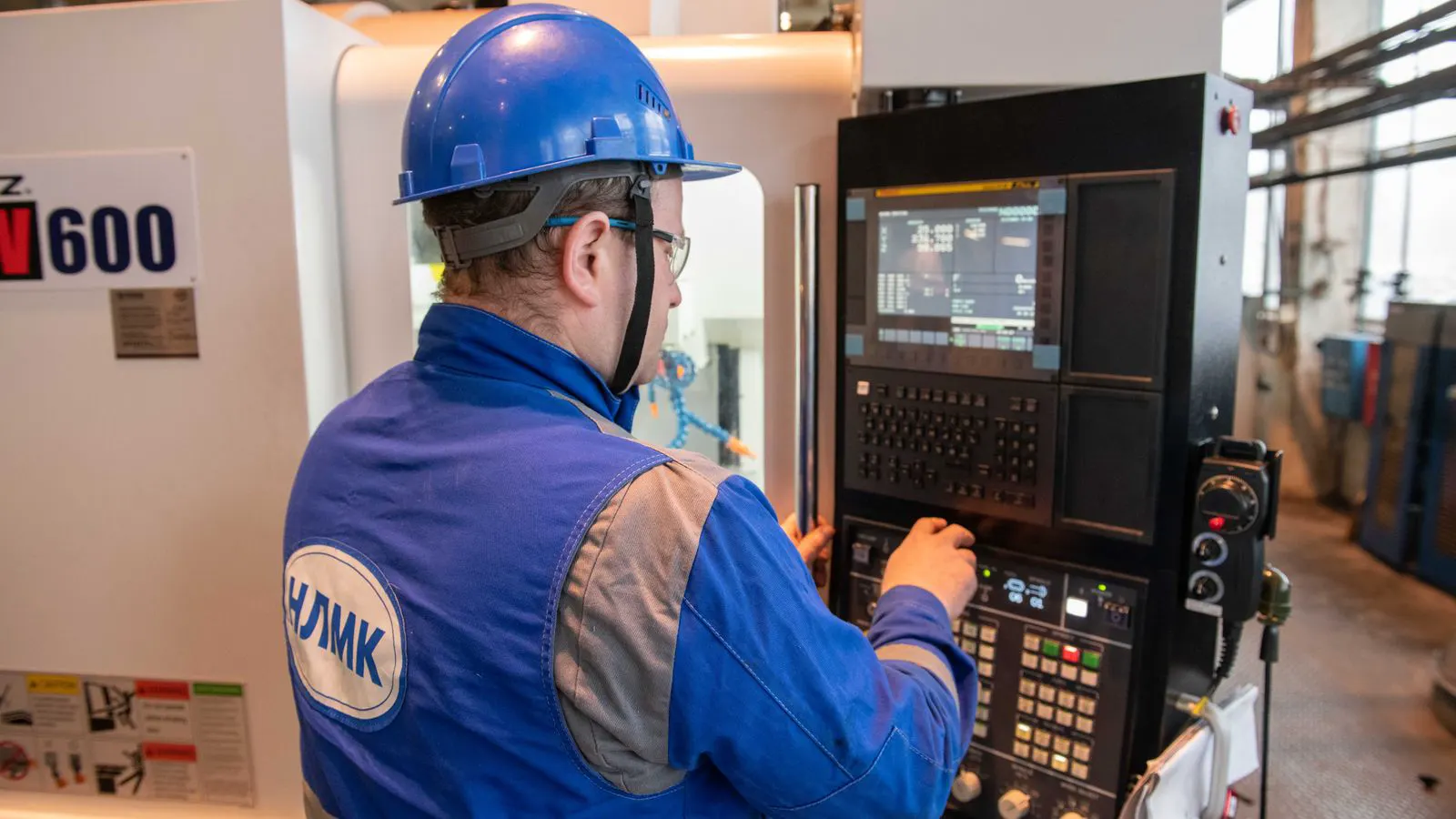
Predictive maintenance uses real-time machine data to prevent unplanned downtime. Buyers should evaluate suppliers on sensor integration, data ownership, remote diagnostics, and IoT monitoring capabilities to protect production schedules and extend equipment life.
- Predictive maintenance relies on reliable sensor data and clear ownership of the information generated by your machines.
- Remote diagnostics allow specialists to troubleshoot issues without waiting for a physical visit, reducing repair response times.
- IoT monitoring creates a continuous record of machine health that supports maintenance planning and spare parts inventory.
- Buyers must verify that supplier software supports standard data protocols and allows export of historical performance records.
- Integrating predictive maintenance into supplier contracts protects against lock-in and supports long-term asset management.
What Changes When Machines Generate Their Own Data
A spinning frame, knitting machine, or power loom no longer operates as an isolated mechanical unit. Sensors attached to motors, bearings, and drive systems now record temperature, vibration, current draw, and cycle speed. The data arrives in real time and creates a continuous log of machine condition.
Predictive maintenance uses this log to identify degradation before it causes a breakdown. Instead of waiting for a bearing to fail or a belt to snap, the system flags abnormal patterns. The maintenance team can schedule a repair during a planned stop rather than reacting to an emergency.
For textile plants, the value is direct. Downtime in a production line carries a high cost. A single machine failure can stop the entire workflow, especially in continuous processes. By shifting from time-based maintenance to condition-based planning, plant managers reduce unplanned stops and extend the useful life of components.
Why Remote Diagnostics Matter for Supplier Selection
Remote diagnostics allow a service provider to access machine data from a location outside the factory. When a technician sees an error code or a deviation in vibration patterns, they can diagnose the root cause before traveling to the site.
This capability changes the relationship between the buyer and the supplier. In the past, a service call often meant waiting for a truck or a technician to arrive. With remote access, many issues can be resolved through software adjustments, parameter changes, or guided troubleshooting from the factory floor.
When evaluating a supplier, you must ask how they support remote diagnostics. Do they provide a dedicated portal or application? Can your maintenance staff access the machine logs without the supplier’s direct intervention? If the answer is no, or if access requires special permissions, the system may create bottlenecks during critical failures.
How IoT Monitoring Supports Maintenance Planning
IoT monitoring extends beyond simple alerts. It aggregates data from multiple machines into a central dashboard. This view shows overall plant health, identifies common failure modes across similar equipment, and supports capacity planning.
For a plant running multiple identical machines, the data reveals patterns. If several units show the same bearing temperature increase, the issue may be related to lubrication intervals or a specific batch of components. The maintenance team can address the root cause rather than replacing parts one by one.
Buyers should consider how IoT data supports spare parts management. If the system predicts a motor replacement in three months, the plant can order the part in advance. This reduces the risk of extended downtime due to supply chain delays. It also allows for better budgeting, as parts are purchased when needed rather than stocked indefinitely.
Five Shifts Buyers Should Plan For
The move toward predictive maintenance requires changes in how textile plants manage their equipment and supplier relationships. Below are five shifts to anticipate.
-
Maintenance becomes data-driven. Technicians no longer rely solely on experience and visual inspection. They interpret sensor data, error logs, and trend lines. Training for maintenance staff must include basic data literacy.
-
Supplier contracts must address data ownership. The information generated by your machines belongs to your operation. Contracts should specify that you retain full access to historical data and that the supplier cannot use your production data for other purposes without explicit consent.
-
Network security becomes a plant concern. Connecting machines to the internet or internal networks introduces risks. Buyers must ensure that supplier software supports secure connections, data encryption, and role-based access controls.
-
Spare parts strategy changes. Predictive maintenance allows for more precise parts planning. Instead of stocking large quantities of generic components, plants can order specific parts based on predicted failure dates. This reduces inventory costs and storage space.
-
Supplier evaluation focuses on software support. A machine that works well mechanically but lacks good monitoring or diagnostic tools may be a poor long-term investment. Buyers must weigh the quality of the software ecosystem alongside the hardware specifications.
How to Prepare Your Plant for Predictive Maintenance
Preparing for a data-driven maintenance model requires practical steps. The goal is to create an environment where machines, people, and suppliers work together effectively.
Start with a baseline assessment. Identify which machines generate the most downtime or have the highest repair costs. These units benefit most from early adoption of predictive maintenance. Do not attempt to retrofit every machine at once. Focus on the assets that impact production the most.
Next, review your existing network infrastructure. Ensure that the factory floor has reliable connectivity for sensor data. If the network is unstable, the data may be incomplete or lost, which undermines the value of the monitoring system. A stable connection is the foundation for accurate diagnostics.
Engage your maintenance team early. Their feedback on the usability of new tools is critical. If the software is difficult to use or provides confusing alerts, the team will ignore it. Involve them in selecting the platform and in training for the new workflows.
Finally, align your supplier selection with these needs. When comparing vendors, ask specific questions about their data infrastructure. Do they offer open APIs? Can you export data to your own analytics tools? How do they handle firmware updates and software patches? The answers to these questions determine whether the supplier is a partner in your digital transformation or a source of lock-in.
Practical Checklist for Supplier Evaluation
The table below outlines key questions to ask when evaluating a supplier for predictive maintenance capabilities.
| Evaluation Area | Key Question to Ask | Why It Matters |
|---|---|---|
| Data Ownership | Do we retain full rights to all machine data generated by our equipment? | Prevents loss of control over valuable operational records |
| Remote Access | Can our maintenance staff access machine logs without supplier intervention? | Reduces dependency and speeds up troubleshooting |
| Data Security | What measures do you take to encrypt data in transit and at rest? | Protects production data from unauthorized access |
| Integration | Does your software support standard data export formats such as CSV or JSON? | Allows integration with existing plant systems |
| Support Model | How is remote diagnostics support included in the warranty or service contract? | Clarifies costs and response times for digital services |
Common Mistakes to Avoid
Buyers often make errors when introducing predictive maintenance into their operations. The following mistakes are common and can be avoided with careful planning.
Ignoring the human element is the most frequent error. Technology alone does not improve maintenance. If the maintenance team does not trust the data or does not understand how to interpret it, the system will fail. Training and change management are as important as the hardware and software.
Another mistake is assuming that all data is equally useful. A sensor that records data every second may create noise that obscures the signal. Work with your supplier to define what data points are relevant for your specific machines. Excessive data can be more distracting than helpful.
Finally, do not neglect the long-term cost of software subscriptions. Many predictive maintenance platforms require recurring fees for cloud storage, analytics, and support. Factor these costs into your total cost of ownership. A cheap machine with expensive ongoing software costs may be a worse investment than a slightly more expensive machine with a straightforward support model.
Aligning Predictive Maintenance with Other Digital Initiatives
Predictive maintenance does not exist in isolation. It works best when integrated with other digital initiatives in the plant. For example, a digital twin of the production line can simulate the impact of a machine failure on overall output. This simulation helps management make informed decisions about repair priorities.
Similarly, predictive maintenance data can feed into quality control systems. If a machine is showing signs of wear, the system can flag the products produced during that period for closer inspection. This connection between machine health and product quality adds another layer of value.
When planning your digital transformation, view predictive maintenance as a core component rather than an add-on. It supports other goals such as energy efficiency, quality control, and supply chain planning. The more interconnected your systems are, the greater the overall benefit.
Final Thoughts for the Buying Process
The shift toward predictive maintenance is already underway in modern textile plants. Buyers who plan for this change now will be better positioned to manage their assets and reduce downtime. The key is to select suppliers who support a data-driven approach and to prepare your internal team for the changes that come with it.
Do not view this as a one-time project. It is a continuous process of monitoring, learning, and improving. Start with the machines that matter most, build the infrastructure, and integrate the data into your daily operations. The result is a more resilient plant and a stronger partnership with your suppliers.
Frequently asked questions
Does predictive maintenance require a complete replacement of existing machines?
No. Many modern machines can be retrofitted with sensors and monitoring modules. However, older models may have limited compatibility, so a baseline assessment is recommended before purchasing.
Who owns the data generated by the machine sensors?
The plant operator typically owns the data. Contracts should explicitly state that the buyer retains full rights to access, store, and use the historical performance records generated by their equipment.
Can remote diagnostics work over a standard factory Wi-Fi network?
It can, provided the network is stable and secure. Many suppliers recommend dedicated industrial networks or wired connections for critical monitoring systems to ensure data reliability and prevent interference.
Is IoT monitoring useful for small textile workshops?
Yes. Even small operations can benefit from monitoring key machines to prevent costly downtime. The initial investment may be lower, and the return on investment can be significant if a single failure can halt production.
How do I verify that a supplier's software supports data export?
Request a demonstration of the data export function during the evaluation process. Ask for sample files in standard formats and confirm that you can access the data without the supplier's direct involvement.