Explainer: GSM, Gauge, and Knitting Machine Capacity
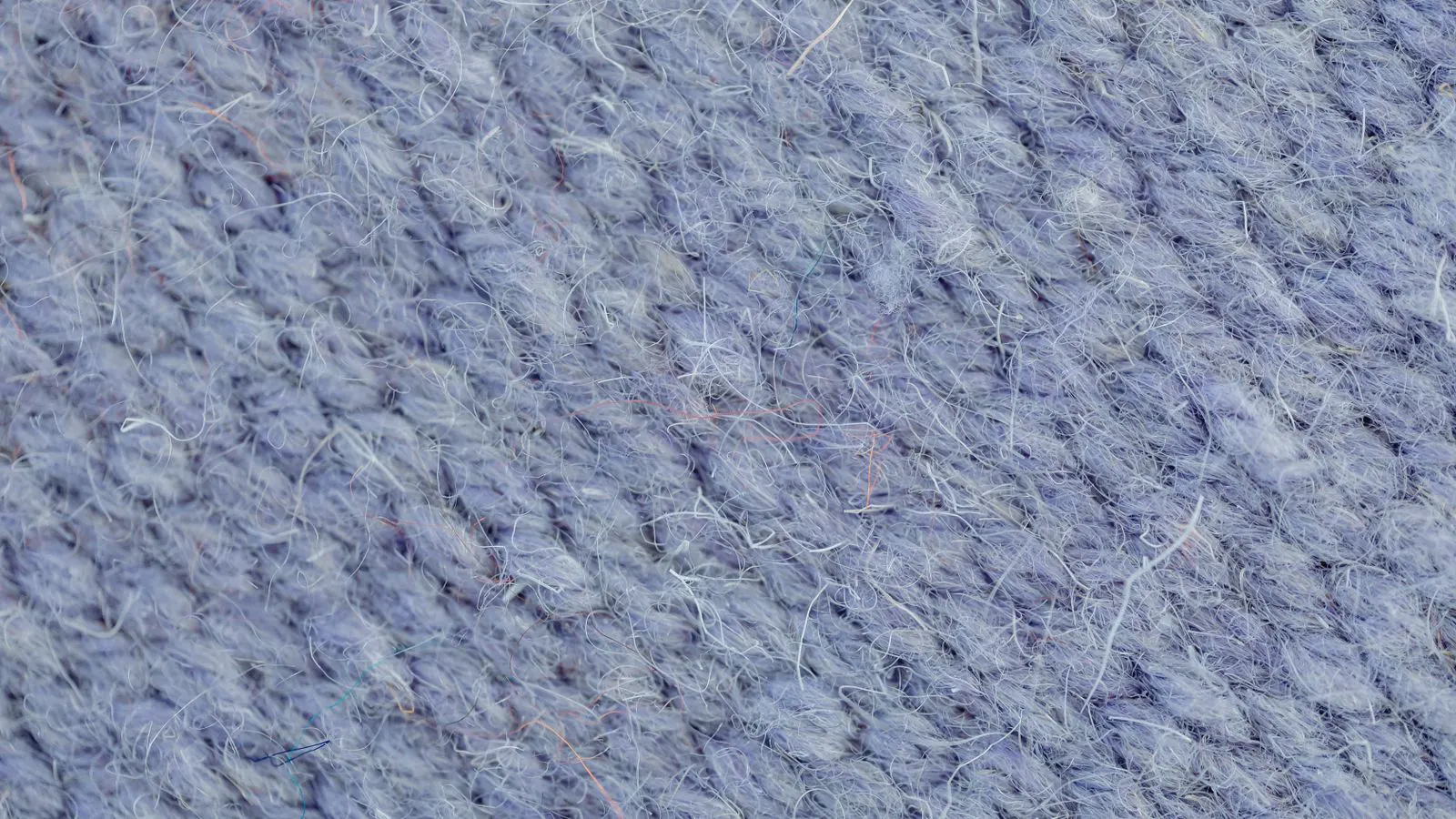
GSM measures fabric weight in grams per square meter, while gauge defines loop density per inch. Buyers must match these knit fabric GSM and gauge values to machine capabilities to ensure target fabric specifications and avoid costly production mismatches.
- GSM defines the mass of a fabric per area, while gauge defines the number of stitches per linear inch.
- Machine specifications must align with the target GSM and gauge to produce the correct hand feel and drape.
- Buyers should verify yarn count and machine size together, as they interact directly with the final fabric weight.
What GSM and Gauge Actually Mean
GSM stands for grams per square meter. It measures the mass of a fabric sample, usually one square meter in size. It is the standard metric for fabric weight. A high GSM value indicates a thicker, heavier material. A low GSM value indicates a lighter, thinner material. Buyers use GSM to compare materials, set retail price points, and specify quality thresholds.
Gauge, or stitch per inch, measures the number of loops or stitches across a fixed width of fabric. It defines the density of the knit structure. A high gauge creates a finer, tighter fabric. A low gauge creates a looser, more open fabric. In technical discussions, gauge is often expressed as a ratio, such as 18 gauge or 24 gauge, though the exact definition can vary slightly by region and machine type.
These two parameters are distinct but connected. You can have a high GSM fabric with a low gauge if the yarn is thick. You can have a low GSM fabric with a high gauge if the yarn is fine. Confusing the two leads to sourcing errors. A buyer who only looks at one number will receive the wrong fabric.
How Yarn Count Changes the Equation
Yarn count is the weight of a specific length of yarn. It is usually expressed as grams per thousand meters. The count of the yarn directly impacts the final fabric weight. Thicker yarn creates more mass per stitch. Thinner yarn creates less mass per stitch.
When selecting a machine, you must look at the yarn count alongside the gauge. A machine set to a specific gauge will produce a different GSM depending on the yarn count used. If the buyer specifies a target GSM and gauge, the engineer must calculate the required yarn count to achieve that combination.
This calculation is a core part of pre-production planning. It prevents mismatches between the machine setup and the buyer’s target specification. It also helps in estimating yarn consumption per meter of fabric, which is a major cost driver.
Machine Specs and Their Limits
Every knitting machine has a maximum and minimum capacity for yarn thickness and gauge. These limits are defined by the machine’s needle size, feed mechanism, and tensioning system.
A circular knitting machine has a specific number of needles. The gauge is determined by the needle pitch. If the needle pitch is fixed, the machine can only produce certain gauges. If the buyer wants a finer gauge than the machine can handle, the machine is unsuitable, no matter how powerful it is.
The table below shows how different combinations of gauge and yarn count affect fabric weight. It uses general terms to illustrate the relationship without specific brand data.
| Gauge Level | Yarn Count Level | Expected Fabric Weight | Typical Use Case |
|---|---|---|---|
| High | Fine | Low to Medium | Socks, underwear, fine shirteye |
| High | Thick | High | Heavy tights, specialty trims |
| Low | Fine | Medium | T-shirts, jersey fabric |
| Low | Thick | High | Sweaters, heavy knits |
This table highlights that gauge alone does not define weight. Yarn count is the variable that shifts the mass. A low gauge with thick yarn can produce a heavier fabric than a high gauge with fine yarn.
Sourcing Decisions and Specification Sheets
When writing a technical specification sheet, you must list both GSM and gauge. Do not rely on the term “medium weight” or “lightweight” alone. These are subjective terms that vary between mills and buyers.
A clear specification sheet should include:
- Target GSM range, with a tolerance allowed for natural variation.
- Target gauge, expressed as stitches per inch or per centimeter.
- Yarn count, if it is fixed, or the acceptable range.
- Fabric width, which affects the total mass per meter.
If these details are missing, the mill will guess. The guess may be close, or it may be wrong. If it is wrong, you face rejection, rework, or a price dispute.
Buyers often ask for samples. Samples are useful, but they are only one data point. The sample must be measured against the specification sheet. If the sample GSM is outside the acceptable range, the sample is rejected, regardless of how good it looks.
Worked Example in Plain Words
Imagine a buyer wants a t-shirt fabric. The target is 180 GSM. The gauge is 18 stitches per inch. The buyer sends this to a mill.
The mill engineer checks their machines. Machine A has a 18 gauge capability. Machine B has a 24 gauge capability. Machine B is immediately disqualified. It cannot produce the required loop density.
Machine A is suitable. The engineer now calculates the yarn count needed to hit 180 GSM at 18 gauge. Let’s say the calculation shows that a yarn count of 30 grams per thousand meters is required. The engineer checks the inventory. They have yarn at 30 count. They set up the machine. They knit a sample. They measure it. It comes out at 178 GSM. This is within the acceptable tolerance.
If the engineer had used a yarn count of 25, the fabric would be lighter. It might come out at 150 GSM. That is too light for the buyer. The t-shirt would feel thin and transparent. The buyer would reject it. The example shows how the three variables work together. Change one, and you must adjust the others.
Common Mistakes in Machine Selection
Buyers often focus on machine speed. They ask for the highest stitch per minute. They ignore the fabric quality parameters. A fast machine that produces the wrong weight is useless.
Another common mistake is ignoring the yarn lot. Different lots of yarn can have slight variations in thickness. Even if the count is the same, the actual mass per meter can differ. This causes the GSM to drift.
Buyers should ask for a yarn testing report. They should check the evenness of the yarn. They should ask for a trial batch. They should measure the GSM on multiple samples from the trial batch. This verifies that the machine and yarn combination is stable.
It is also common to assume that all machines are the same. A low-cost machine may have a wider tolerance for yarn variation. A high-end machine may hold a tighter tolerance. This affects the consistency of the GSM over long production runs.
Verifying the Final Product
Once the fabric is produced, it must be tested. The testing should include GSM measurement, gauge measurement, and physical properties like stretch and hand feel.
GSM is measured by cutting a sample of a specific size and weighing it. The weight is then calculated per square meter. This is a simple test, but it must be done accurately. The sample size must be correct. The scale must be calibrated.
Gauge is measured by counting the stitches over a fixed distance. This can be done with a gauge ruler or a microscope. It is a visual test, but it requires attention to detail.
If the final product fails the GSM or gauge test, the buyer has grounds for rejection. The supplier must fix the problem. This means changing the yarn, adjusting the machine tension, or re-spinning the yarn. The cost of fixing the problem is higher than the cost of getting it right the first time.
Buyers should build these checks into their acceptance criteria. They should not rely on the supplier’s word. They should test the fabric themselves or use a third-party lab. This protects their reputation and their bottom line.
Final Thoughts on Matching Specs to Machines
The relationship between GSM, gauge, and machine capacity is straightforward. It is not a matter of guesswork. It is a matter of calculation and verification.
Buyers must define their target fabric clearly. They must specify the GSM, gauge, and yarn count. They must verify that the machine can handle these parameters. They must test the output against the specification.
This process takes time. It requires communication between the buyer, the mill, and the yarn supplier. It requires technical knowledge. But it prevents costly errors. It ensures that the machine investment is aligned with the product requirements. It leads to consistent quality and satisfied customers.
The terms are simple, but their application is critical. Understanding them is the first step to successful sourcing.
Frequently asked questions
Can I use a low-gauge machine to make a heavy fabric?
Yes, if you use a thick yarn count. The low gauge creates a loose structure, and the thick yarn adds mass to reach the target GSM.
How do I know if my yarn count is correct for the target GSM?
You must run a trial batch and measure the GSM. There is no universal formula because it depends on the knit structure and machine settings.
What is the difference between gauge and stitch density?
Gauge is the standard term for loop density in knitting. Stitch density is a broader term that can apply to weaving or other knits. In this context, they are often used interchangeably.
Does fabric width affect the GSM measurement?
No. GSM is a mass per unit area measurement. It does not depend on the width of the fabric roll. A 100cm wide fabric and a 200cm wide fabric can have the same GSM.
Why do mills ask for a tolerance on GSM?
Because natural variation in yarn and machine settings causes small differences in weight. A tolerance, such as plus or minus 5 percent, accounts for this variation without rejecting good fabric.