Cost and Lead Time: Installing Automated Spinning Frames
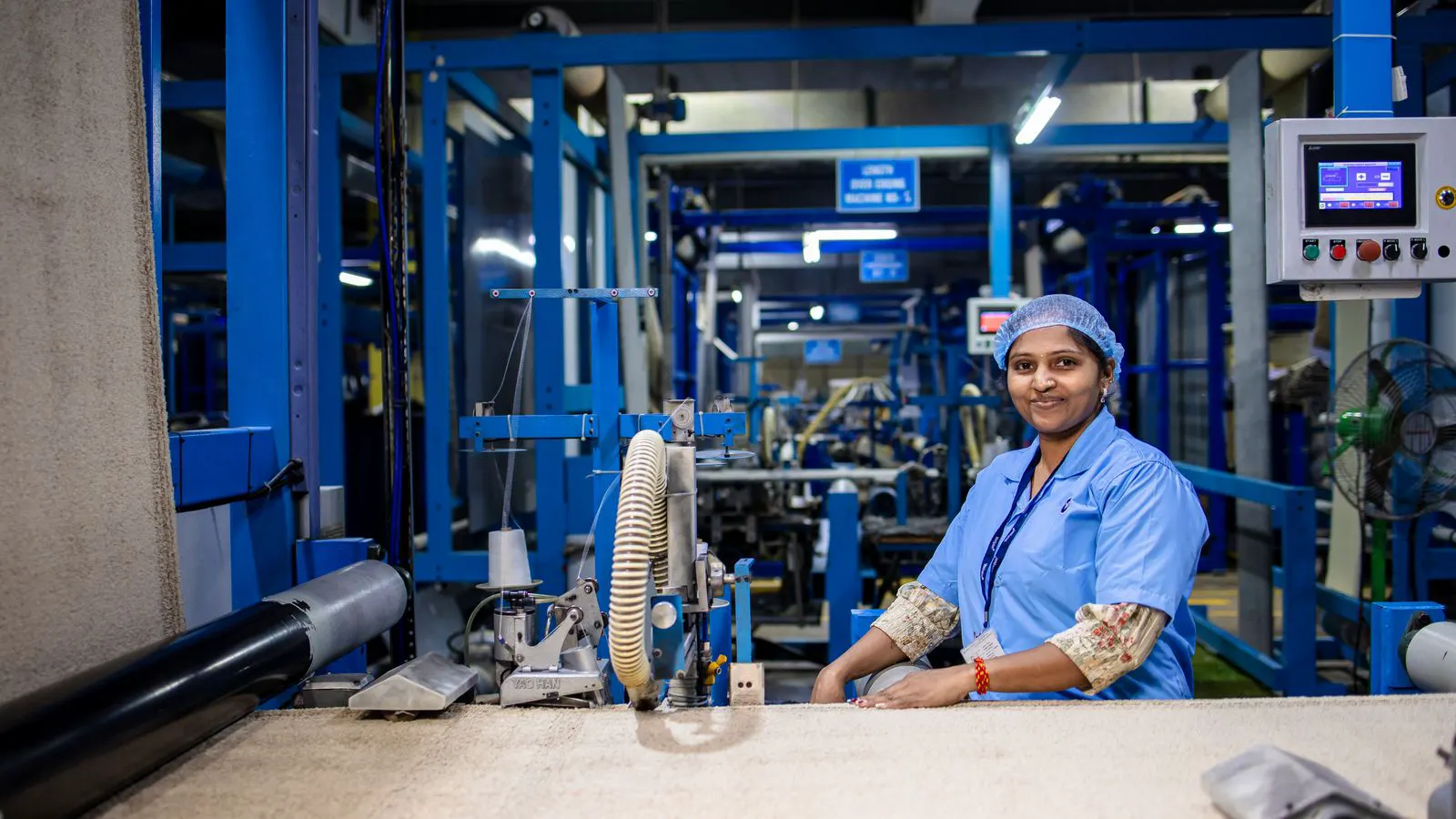
Spinning frame installation costs vary widely based on frame count, automation level, and site readiness. Lead time includes factory delivery and on-site setup. Use a detailed RFQ and compare quotes against identical specifications to avoid hidden expenses and schedule delays.
- Total cost includes machines, installation, utilities, and staff training, not just the frame price.
- Lead time spans factory production, shipping, and on-site commissioning, often spanning multiple quarters.
- A detailed RFQ with site drawings and power specs prevents costly quote revisions.
- Compare quotes on the same basis: same frame model, same automation package, same delivery terms.
- Budget for a commissioning buffer of at least 10 percent of total project cost.
What is included in a spinning frame installation
A spinning frame installation extends well beyond the physical movement of machinery from the factory to the plant. It covers the complete operational path from factory handover to stable, consistent production. The scope encompasses the frame itself, the primary drive system, the yarn package, and the automation package. It also includes the civil and utility work on the buyer’s side. This involves floor loading capacity, power distribution, compressed air lines, and ventilation.
Procurement teams frequently miss the boundary between supplier responsibility and plant responsibility. The machine vendor typically delivers the frame and its immediate controls. The buyer’s contractor or internal team must handle the foundation, the power cabinet, and the final wiring. If these items are not explicitly defined in the contract, the quote will not cover them. This gap often leads to disputes during installation, as the vendor expects the site to be ready for immediate connection.
The cost structure splits into three distinct blocks. The first is the equipment cost. The second is installation and commissioning. The third is ancillary infrastructure. The equipment price is fixed by the specific model and configuration chosen. The installation price depends heavily on site conditions, such as existing infrastructure or the need for new construction. The ancillary cost depends on your existing plant capacity and the gap between current utility levels and machine requirements.
Main drivers of the spinning machine setup cost
Several factors move the total project price up or down. The first is the number of frames. One frame is not the same as ten. The per-frame price drops with volume due to manufacturing efficiencies, but the total project cost rises. The second is the automation level. A basic frame with manual winding differs significantly in price from a frame equipped with an automatic stopper, automatic winding, and remote monitoring.
The third driver is the yarn type. Cotton spinning and synthetic spinning require different mechanical parts and process controls. A frame set up for polyester may need different tensioning systems and cleaning mechanisms compared to a cotton frame. These differences affect the price of the frame components and the subsequent tuning required on site.
The fourth driver is the site condition. A new building with pre-built power and air supply is cheaper to equip than an old mill that requires new cabling and floor reinforcement. The fifth driver is the delivery terms. Delivery to the factory gate is generally cheaper than delivery to the mill door. Installation and commissioning are often billed separately. Some suppliers include these services in the base price. Others do not. The contract must clearly state which is which to avoid surprise costs.
A table of cost drivers helps organize these variables. Use this structure when building your internal budget model to ensure no factor is overlooked.
| Cost Driver | What It Affects | Typical Impact |
|---|---|---|
| Frame count | Total equipment cost | Scales with quantity |
| Automation level | Frame price and controls | Higher with remote monitoring |
| Yarn specification | Parts and tuning | Different for cotton and synthetics |
| Site readiness | Civil and utility work | High if power or air is missing |
| Delivery terms | Freight and handling | Varies by distance and terms |
How lead time affects the textile automation timeline
Lead time consists of three distinct phases. The first is factory production. The frame is built to order based on the configuration specified in the contract. The second is shipping. This includes loading, sea or rail transit, and customs clearance. The third is on-site setup. This includes unloading, foundation work, wiring, and final commissioning.
The factory phase is usually fixed once the order is placed. The shipping phase depends on the route and the port. The on-site phase depends entirely on your internal readiness. If the power is not ready when the frame arrives, the installation clock stops. If the foundation is not poured, the frame cannot be set. The machine will sit in a temporary area, and the commissioning window will shift.
A common mistake is to schedule the frame delivery around the machine schedule rather than the site schedule. The site must be ready before the machine arrives. The timeline should include a buffer. A buffer of 10 to 20 percent is common for large projects. This covers customs delays, parts shortages, or weather-related disruptions. Without this buffer, the plan is fragile and prone to failure.
How to write a clear RFQ for spinning frames
A weak RFQ produces a weak quote. The supplier guesses what you need. The quote covers only the base frame. The extras are added later as change orders. A strong RFQ lists every item explicitly. Start with the production target. State the yarn type, the twist, and the daily output. State the number of frames and the shift pattern. Include the site data. Provide a floor plan. List the available power voltage and current. State the compressed air demand and pressure.
Include the automation requirements. List the stopper system, the winding system, and the monitoring package. State whether you need remote access to the machine data. State the language for the operator interface. Add the delivery and service terms. State the delivery location. State the commissioning standard. State the warranty period. State the response time for spare parts.
A good RFQ is not a letter. It is a specification sheet. It reduces the number of questions the supplier must ask. It also makes it easier to compare two or three quotes. If the RFQ is vague, the quotes will not be comparable. The supplier will fill in the blanks with their standard defaults, which may not match your specific operational needs.
How to compare quotes fairly
Quotes look similar on the surface. The total price may be the same. The line items are different. The first step is to break the quote down. Ask the supplier for a line item. If they will not provide one, treat that as a red flag.
Compare the equipment scope. Check the frame model. Check the drive type. Check the automation package. If one quote includes remote monitoring and the other does not, the price difference is not a discount. It is a scope difference.
Check the installation scope. One quote may include foundation work. Another may not. One may include power cabling. Another may not. Align the scope before comparing the price.
Check the delivery terms. One quote may be ex-works. Another may be delivered to the mill. One may include the unloading crew. Another may not. Convert the terms to the same basis. Use a scoring matrix. Assign weight to price, delivery time, service, and local support. Score each quote. The lowest price does not always win. A longer lead time or weaker service can cost more later.
Commissioning and the first 90 days
Commissioning is not a single event. It is a process. It starts with a factory acceptance test. Then it moves to site installation. Then it moves to a production trial. The goal is to reach the rated output with stable quality.
The first 90 days are critical. They include tuning, troubleshooting, and operator training. Budget for this period. The cost is not just the machine. It is the time your team spends learning the frame.
A common mistake is to skip the training phase. The team operates the frame at a reduced speed. The output is low. The cost per kilogram of yarn is high. The ROI calculation fails.
The commissioning buffer should cover the first 90 days. It should cover spare parts for common failures. It should cover the time for tuning the tension and the twist. It should cover the shift from trial to full production.
Without this buffer, the project overruns. The machine is running, but it is not at full capacity. The budget is spent, but the return is delayed.
Frequently asked questions
How long does a spinning frame installation take?
Lead time depends on the site. It includes factory production, shipping, and on-site setup. The on-site phase requires the power and foundation to be ready before the frame arrives.
What is the biggest hidden cost in spinning frame installation?
Site readiness is the biggest hidden cost. If the power, air, or floor is not ready, the frame waits. The cost of waiting is not in the machine quote.
How do I compare two spinning frame quotes?
Break the quote into line items. Align the equipment scope, installation scope, and delivery terms. Compare the same basis, not just the total price.
Should I include commissioning in the budget?
Yes. Commissioning and the first 90 days are part of the project. Budget for tuning, training, and spare parts. This is where the ROI is made or lost.
What is the best delivery term for a new spinning line?
Choose a term that matches your site readiness. If the site is not ready, do not deliver the frame. Choose a term that gives you time to complete the civil and utility work.