Textile Automation: What Smart Factory Means
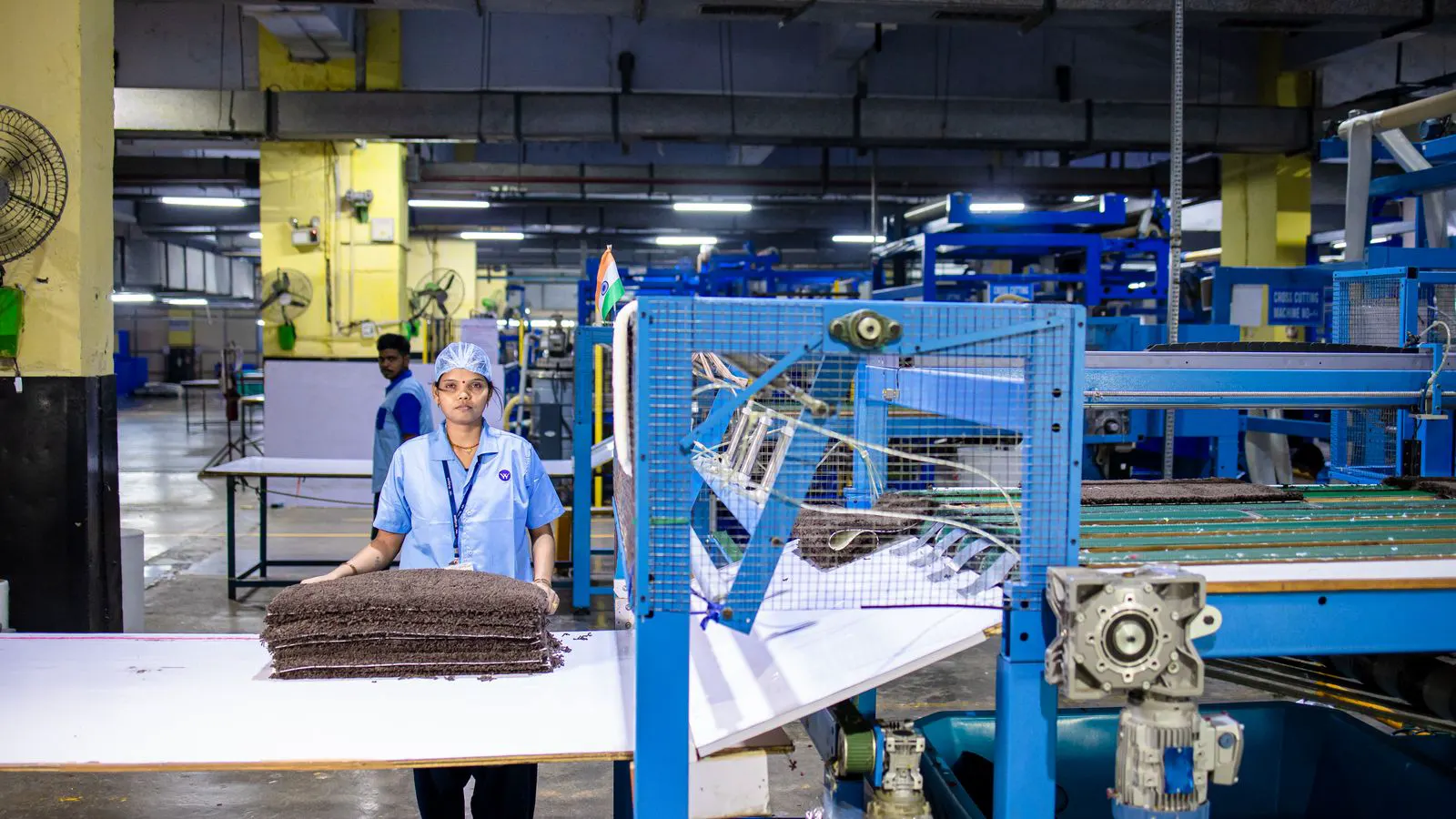
Textile automation connects machines, sensors, and software to run production smoothly. It improves tracking and reduces manual errors. Smart factory textile operations rely on machine integration to share data between equipment and planning tools.
- Textile automation links machines to shared data systems to guide production.
- Smart factory textile environments rely on machine integration for real-time tracking.
- Sourcing decisions should prioritize compatibility, reliability, and support for connected equipment.
- Start with clear data needs before adding advanced automation layers.
- Practical automation reduces manual handoffs and improves traceability on the shop floor.
What textile automation really means
Textile automation means using machines, sensors, and software to reduce manual work in textile production. Instead of operators moving from one machine to another to check status, the machines report their own conditions through a connected system. This helps teams see what is running, what is waiting, and what needs attention.
In plain terms, textile automation is not just about replacing people with machines. It is about making information move as easily as fabric does. A spinning machine can send a signal when thread breaks. A loom can record its output in real time. A warehouse system can match finished rolls to customer orders without paper slips.
For buyers, the key idea is connection. If a machine cannot share data or accept commands from a central system, it may still be useful, but it is not fully part of an automated production flow.
Core components of a smart factory textile environment
A smart factory textile setup usually includes several layers of technology working together. The most common components are sensors, control systems, machines, and data software.
Sensors are small devices that detect physical conditions. They can measure temperature, tension, speed, vibration, and power use. In textile production, they help detect problems early, such as uneven thread tension or a machine running slower than expected.
Control systems are the digital brains of the machine. They take sensor input and adjust machine behavior. For example, a knitting machine may adjust feed speed to keep fabric width consistent.
Machines are the equipment that performs the physical work, such as spinning, weaving, knitting, dyeing, or cutting. In an automated environment, these machines are designed to accept digital signals and report status.
Data software connects all of these parts. It collects information from many machines and presents it in dashboards, alerts, or reports. This is where machine integration becomes visible. Without software that can talk to the machines, each unit would operate in isolation.
How machine integration affects sourcing decisions
When a buyer is evaluating equipment, machine integration is often more important than the highest single-machine speed. Two machines may have similar output, but one may integrate smoothly with the factory’s existing system while the other requires extra adapters, custom coding, or manual data entry.
Here is a practical comparison of what to look for when sourcing:
| Factor | What to look for | Why it matters |
|---|---|---|
| Data output | Does the machine send production counts, downtime, and alerts? | Without data, the factory cannot track real performance. |
| Connectivity | Does it support common industrial networks or communication protocols? | This makes it easier to connect to existing systems. |
| Software access | Can the factory view settings and logs without special support? | This reduces dependence on vendor visits. |
| Maintenance signals | Can the machine warn about likely wear or faults? | Early warning can prevent stopped production. |
| Scalability | Can the machine add more functions later? | This protects the investment as the factory grows. |
A buyer who only checks machine speed may choose equipment that looks impressive on paper but is difficult to manage once it is installed. A buyer who checks integration first is more likely to find equipment that fits the broader production plan.
A worked example in plain words
Imagine a small-to-medium fabric mill that makes knitwear. The mill has a row of knitting machines and a dyeing area. Before automation, the production manager walks the floor several times a day. Operators write output on paper, and the manager counts finished rolls by hand.
After adding textile automation, each knitting machine sends its output to a central screen. The screen shows which machine is running, which is paused, and how much fabric each has produced. When a machine stops, the system sends an alert to the maintenance team. The dyeing area uses sensors to track temperature and chemical levels, and the system records the dye lot for each batch.
At the end of the day, the manager sees a simple report. They know which machine had the most stops, which dye batch needs more water, and which finished rolls are ready for inspection. The manager no longer needs to rely on memory or paper notes. The information is already collected, organized, and available.
This example does not require a full factory transformation. It shows how a few connected machines can change daily decision-making.
What automation changes in day-to-day operations
Textile automation changes how teams respond to problems. In a manual setup, a problem is discovered when someone sees it, hears it, or finds it later. In an automated setup, the problem is often flagged before it becomes a major loss.
For example, if a weaving machine develops a minor tension issue, a sensor may detect a change in thread pull. The system can alert the operator before the fabric is damaged. The operator can adjust the machine quickly instead of discovering a defect hours later.
Automation also changes planning. When machines report their actual output, planners can compare planned production with real production. This makes it easier to see where delays are coming from. A factory may think the problem is the loom, but the data may show that material was late from the yarn supplier.
For sourcing, this means the value of a machine is not only what it makes. It is also what it tells the factory about the production process.
Common misconceptions about textile automation
A common misconception is that textile automation means every machine must be brand new. That is not always true. Older machines can sometimes be upgraded with sensors, control modules, or communication interfaces. The key is whether the machine can share useful data and accept digital control.
Another misconception is that automation removes the need for skilled operators. In reality, operators still need to understand the machines and the quality of the fabric. Automation changes their role. Instead of watching every machine constantly, they can focus on quality checks, troubleshooting, and process improvement.
Some buyers also assume that a large smart factory requires a large budget. This is not always true. A factory can start with one process, such as tracking machine uptime or recording dye batches. Once that system works, it can be expanded to other machines and departments.
How to evaluate automation for your factory
When evaluating textile automation, start with the production problem you want to solve. If the main issue is tracking output, focus on data collection and reporting. If the main issue is quality, focus on sensors and defect detection. If the main issue is scheduling, focus on machine integration and communication between planning software and the shop floor.
Before buying equipment, ask these questions:
- Can the machine send real-time production data?
- Can the machine receive commands or adjustments from a central system?
- Does the machine support standard communication methods used by other equipment?
- Can the factory view machine settings and logs without special software?
- What happens if the machine stops, and how quickly can the team find out?
- Can the system grow as new machines are added?
- What support is available if the machine needs configuration or updates?
These questions help separate marketing claims from practical capabilities. A machine that can produce fabric is useful. A machine that can produce fabric and explain what happened during production is more valuable in an automated environment.
Final thoughts
Textile automation is about making production information visible and usable. In a smart factory textile setting, machines do not just operate; they communicate. Machine integration connects that communication to planning, quality control, and maintenance.
For buyers, the most important step is to define what information the factory needs and how it will be used. Once that is clear, it is easier to choose equipment that fits the production system rather than equipment that only looks advanced. Automation does not have to be complicated to be useful. It starts with clear data, reliable machines, and a practical plan for how the information will be used.
Frequently asked questions
What is the difference between textile automation and smart factory textile?
Textile automation refers to using machines and software to reduce manual work in production. Smart factory textile describes a broader environment where equipment, data, and people are connected for real-time decision-making.
Does machine integration require replacing all machines?
No. Some existing machines can be upgraded with sensors or communication modules. The key is whether the machine can share data and accept digital control.
What is the first step to start textile automation?
Identify one production problem that would benefit from better information, such as tracking downtime, recording output, or monitoring quality.
Can small textile factories use automation?
Yes. Small factories can start with basic data collection and simple alerts. Automation can be expanded over time as needs grow.
What should a buyer check before purchasing automated textile equipment?
Check data output, connectivity, software access, maintenance signals, scalability, and vendor support. These factors affect how well the machine fits into the factory’s overall system.