Outlook: AI Vision in Textile Quality Control
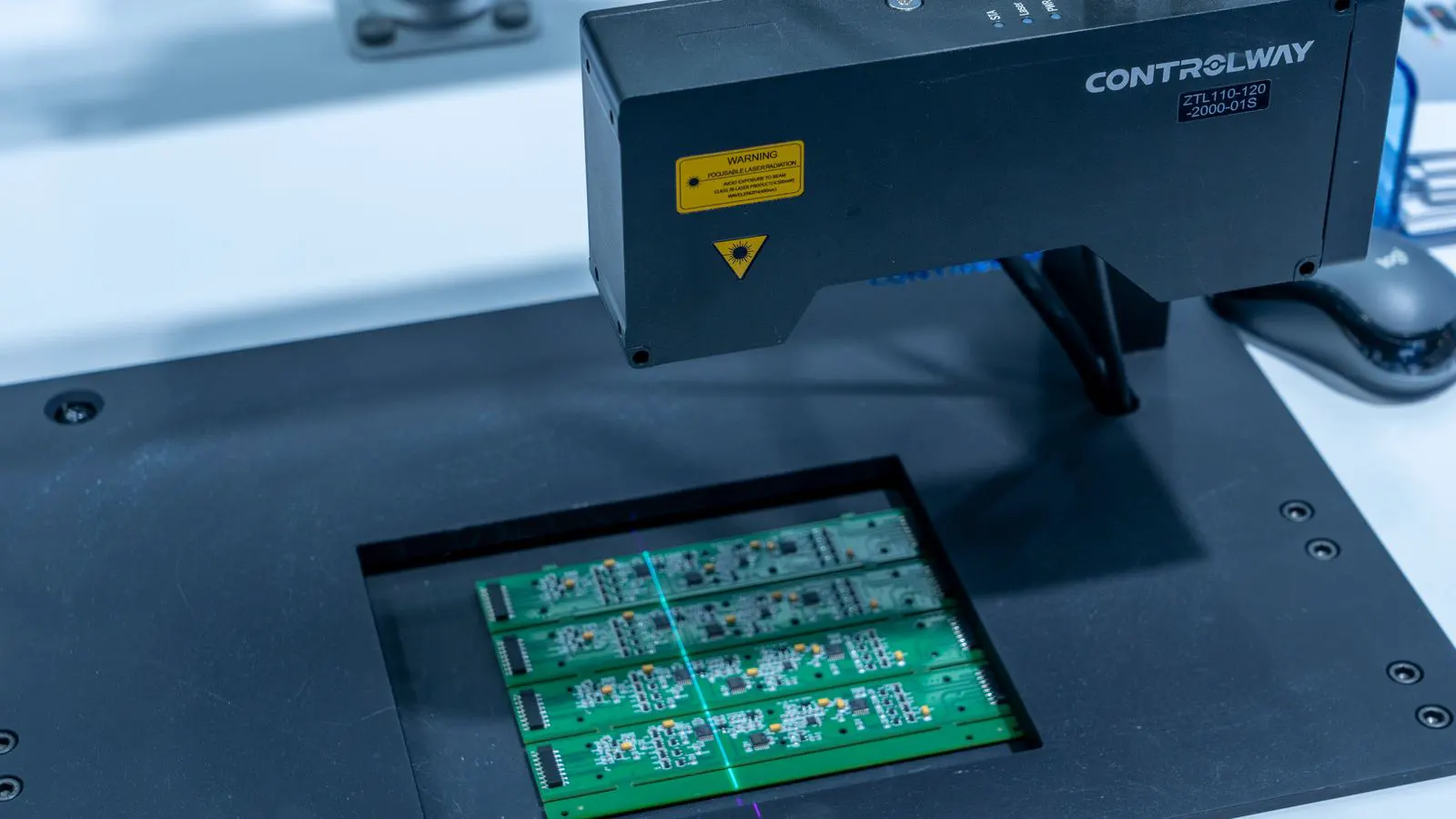
AI vision systems are moving from pilot projects to standard quality control tools in textile plants. This outlook explains five major shifts in adoption, the practical steps for preparation, and how to integrate these technologies into existing textile automation frameworks.
- AI vision is shifting from manual inspection to continuous, data-driven quality control.
- Preparation requires standardizing data formats and defining clear defect categories.
- Integration with existing PLC and SCADA systems is critical for full automation.
- Start with specific, high-value defects to measure ROI before scaling.
- Workforce training and change management are as important as the hardware itself.
Is AI Vision Ready for Daily Production Use?
The gap between laboratory demos and daily production use is narrowing. In spinning mills and weaving plants, operators are seeing AI vision systems move from experimental corners to the main quality control workflow. These systems are not replacing human judgment entirely, but they are changing what that judgment looks like. The shift is from periodic sampling to continuous, high-speed inspection.
The key change is the nature of the data. Manual checks provide a pass or fail at specific points. Vision systems provide a continuous stream of visual data. This changes the problem from finding a defect to understanding the pattern of defects. For a mill processing cotton or synthetic yarn, this means tracking slubs, thickness variations, and color inconsistencies in real time.
Buyers should view this as a data infrastructure project first and a hardware purchase second. The cameras and sensors are the entry point. The value comes from how that data feeds into the broader textile automation environment. If the vision system cannot talk to the PLCs controlling the looms or the SCADA system managing the production line, the data is isolated.
The adoption timeline is not uniform. It depends on the product type, the speed of the machinery, and the margin structure of the operation. High-value specialty fabrics see faster adoption because the cost of a missed defect is higher. Standard commodity products take longer but are increasingly moving toward automated checks as labor costs rise.
What Are the Five Major Shifts in Adoption?
The transition to automated quality control is driven by five distinct shifts in how textile plants operate and how they view the cost of quality.
- From Sample-Based to Continuous Inspection: The traditional method of pulling samples at set intervals is being supplemented or replaced by cameras that monitor the output continuously. This shifts the detection window from minutes to seconds.
- From Reactive to Predictive Maintenance: Vision systems do not just flag bad fabric. They detect the early visual signs of machine issues, such as thread tension problems or guide wear. This allows maintenance teams to act before a major stoppage occurs.
- From Static Rules to Adaptive Models: Early systems used fixed thresholds for color and thickness. Modern systems use machine learning models that adapt to the specific batch, yarn type, and lighting conditions. The system learns what “normal” looks like for that specific production run.
- From Manual Sorting to Automated Rejection: The data from the vision system is now being linked to the machine controls. When a defect is detected, the system can trigger an automatic stop, a rewinding command, or a sorting action without waiting for an operator to notice the issue.
- From Siloed Data to Integrated Dashboards: Quality data is no longer trapped in the vision software. It is integrated into the plant’s central dashboard, allowing managers to see yield, defect rates, and machine performance in a single view.
How to Prepare Your Infrastructure Before Buying Hardware
Before selecting a camera or an AI software platform, the foundation needs to be ready. Most failed implementations stem from poor data integration, not poor hardware.
Standardize Your Defect Categories
The machine needs to know what it is looking for. A generic “defect” label is not useful for training a model. Break down quality issues into specific, measurable categories. For example, separate “slub” from “thin place” and “color speck” from “stain.” Each category needs a clear visual definition. This requires input from quality engineers and experienced operators.
Ensure Machine Speed Compatibility
The resolution and frame rate of the vision system must match the production speed. A high-speed weaving mill requires a different sensor setup than a slow-drying unit. Verify that the camera can capture the necessary detail at the line speed without motion blur. This is a technical requirement that must be confirmed during the pilot phase.
Plan the Data Flow
Decide where the data goes. Does it stay in the vision system? Does it feed a local PLC? Does it go to the SCADA system for historical tracking? The architecture needs to be defined before the hardware is installed. A common mistake is buying a high-end system that generates data but has no clear path to the production management system.
| System Component | Primary Function | Key Integration Point |
|---|---|---|
| Vision Camera | Captures high-speed images of the product | Mounting on machine frame |
| Edge Processor | Runs AI inference locally | Connects to machine network |
| PLC Controller | Manages machine speed and stops | Receives rejection signals |
| SCADA System | Aggregates plant-wide data | Receives quality logs |
| Database | Stores historical defect data | Receives raw image data |
The Role of AI in Defect Classification
The term “AI” in this context usually refers to computer vision algorithms, specifically convolutional neural networks. These algorithms are trained on thousands of images of known good and bad products. The system learns the patterns of defects rather than following a list of rules.
This approach is particularly useful for complex defects that are difficult to define with simple math. A color variation that depends on the lighting angle and the specific dye lot is hard to code with traditional logic. A trained model can learn the context.
However, the model is only as good as its training data. If the training set only includes cotton yarn, the model will perform poorly on wool or synthetic blends. The training data must reflect the variety of products the plant actually manufactures.
The Human-in-the-Loop Model
Even with advanced AI, human oversight is required. The system should flag ambiguous cases for operator review. This serves two purposes. First, it prevents false positives from stopping the line unnecessarily. Second, it provides a feedback loop. When an operator confirms or rejects a flag, that data can be used to retrain the model. This iterative process improves accuracy over time.
Integration Challenges with Existing Machinery
Integrating AI vision into older machinery presents specific hurdles. Many existing textile machines were not designed for real-time data exchange. The communication protocols may differ, and the mechanical mounts may not accommodate new sensors.
Retrofitting vs. New Builds
For older machines, a retrofit approach is common. This involves adding cameras and a small computing unit to the existing frame. The challenge is ensuring the unit does not interfere with moving parts or heat sources. For new machinery, the integration is cleaner. The OEM can design the mounting points and the data ports from the start.
Communication Protocols
The vision system needs to talk to the machine controller. Common industrial protocols like Ethernet/IP or Profinet are often used. If the existing machine uses an older protocol, a gateway or converter may be needed. This adds cost and potential points of failure.
Mechanical Vibration
High-speed textile machinery generates significant vibration. This can affect camera focus and sensor alignment. Robust mounting solutions and anti-vibration mounts are necessary. The system also needs to account for thermal expansion, which can shift the camera position slightly over time.
Workforce and Change Management
The technology is only half the equation. The people operating the machines need to understand the new workflow. Operators are no longer just watching for defects; they are managing a system that flags them.
Training Requirements
Training should focus on data interpretation, not just operation. Operators need to understand what the dashboards are showing and how to act on the flags. They should know when to trust the system and when to override it. This requires clear documentation and hands-on practice.
Role Changes
The role of the quality inspector shifts from a visual checker to a data analyst. They spend less time looking at samples and more time reviewing reports and tuning the system parameters. This change can be resisted. It is important to communicate the value of the new role clearly. The inspector becomes a critical part of the automation team, ensuring the system stays accurate.
Overcoming Resistance
Change is often slow. Start with a small group of willing operators. Let them experiment with the system and share their findings. Once they see the benefits, such as less time spent on manual checks or clearer data for quality disputes, resistance usually decreases.
Financial Considerations and ROI
The cost of AI vision systems varies widely based on complexity. A simple check for color consistency is less expensive than a full multi-defect detection system. The investment includes hardware, software licensing, installation, and ongoing maintenance.
Measuring ROI
The return on investment is not always immediate. It comes in stages. First, reduced waste from defective products. Second, less downtime from early maintenance detection. Third, labor efficiency, as fewer manual checks are needed.
To measure this, baseline the current waste rate and downtime hours before installation. After six months, compare the numbers. A reduction in waste of even a small percentage can offset the hardware cost over time. The labor savings are harder to quantify but contribute to the overall picture.
Hidden Costs
Budget for hidden costs. These include the cost of retraining the model as product lines change, the cost of IT support for the data infrastructure, and the cost of downtime during initial setup. A realistic budget should include a contingency for these variables.
Long-Term Outlook and Future Trends
The next phase of textile automation will see deeper integration of vision systems with other smart factory technologies. The data from quality control will be used to optimize the entire production line. For example, if a vision system detects a consistent thickness issue, it can send a signal to the twisting machine to adjust its settings automatically.
Edge Computing
More processing will move to the edge, closer to the machine. This reduces latency and bandwidth requirements. It also makes the system more resilient to network issues. As edge computing becomes more standard, the integration of vision systems will become smoother.
Standardization
The industry is moving toward more standard data formats. This will make it easier to switch vendors and to integrate systems from different manufacturers. Standardization will reduce the friction of integration and lower the total cost of ownership.
Sustainability Link
Quality control has a direct link to sustainability. Less waste means less raw material used and less energy consumed. As sustainability becomes a key performance indicator, the data from AI vision will be increasingly used to report on environmental impact. This adds another layer of value to the system.
Final Thoughts
The adoption of AI vision in textile quality control is moving from a niche experiment to a standard practice. The shift is driven by the need for higher quality, lower waste, and better data visibility. Buyers should prepare by standardizing their data, understanding the integration requirements, and training their workforce.
The key to success is not just buying the hardware. It is building the data infrastructure and the organizational readiness to use it. Start with a focused pilot. Measure the results. Scale based on proven value. The plants that treat this as a data project, rather than just a hardware upgrade, will get the most out of it.
The future of textile automation is not about replacing people. It is about giving people better tools to make better decisions. The AI vision system is that tool. How you prepare for it determines how much value you get.
Frequently asked questions
How long does it take to implement an AI vision system?
Implementation time varies based on machine complexity and integration needs. A simple retrofit might take a few weeks. A full integration with existing automation systems can take several months.
Can AI vision systems handle different types of textiles?
Yes, but the system needs to be trained on the specific product type. A model trained on cotton will not work well on wool without retraining. The training data must match the production mix.
What is the main benefit of integrating vision with SCADA?
Integration allows quality data to be viewed in the context of overall production. This helps managers identify patterns, such as if a specific machine is producing more defects than others, and take corrective action quickly.
Do I need to replace my existing machinery?
No. Most existing machines can be retrofitted with vision systems. The key is ensuring the machine can support the new sensors and that the data can be communicated to the control system.
How does this affect the quality control team?
The role shifts from manual inspection to data analysis and system monitoring. Team members need training on the new software and dashboards. The focus moves from finding defects to understanding and preventing them.