Comparison: Manual vs Automated Fabric Inspection
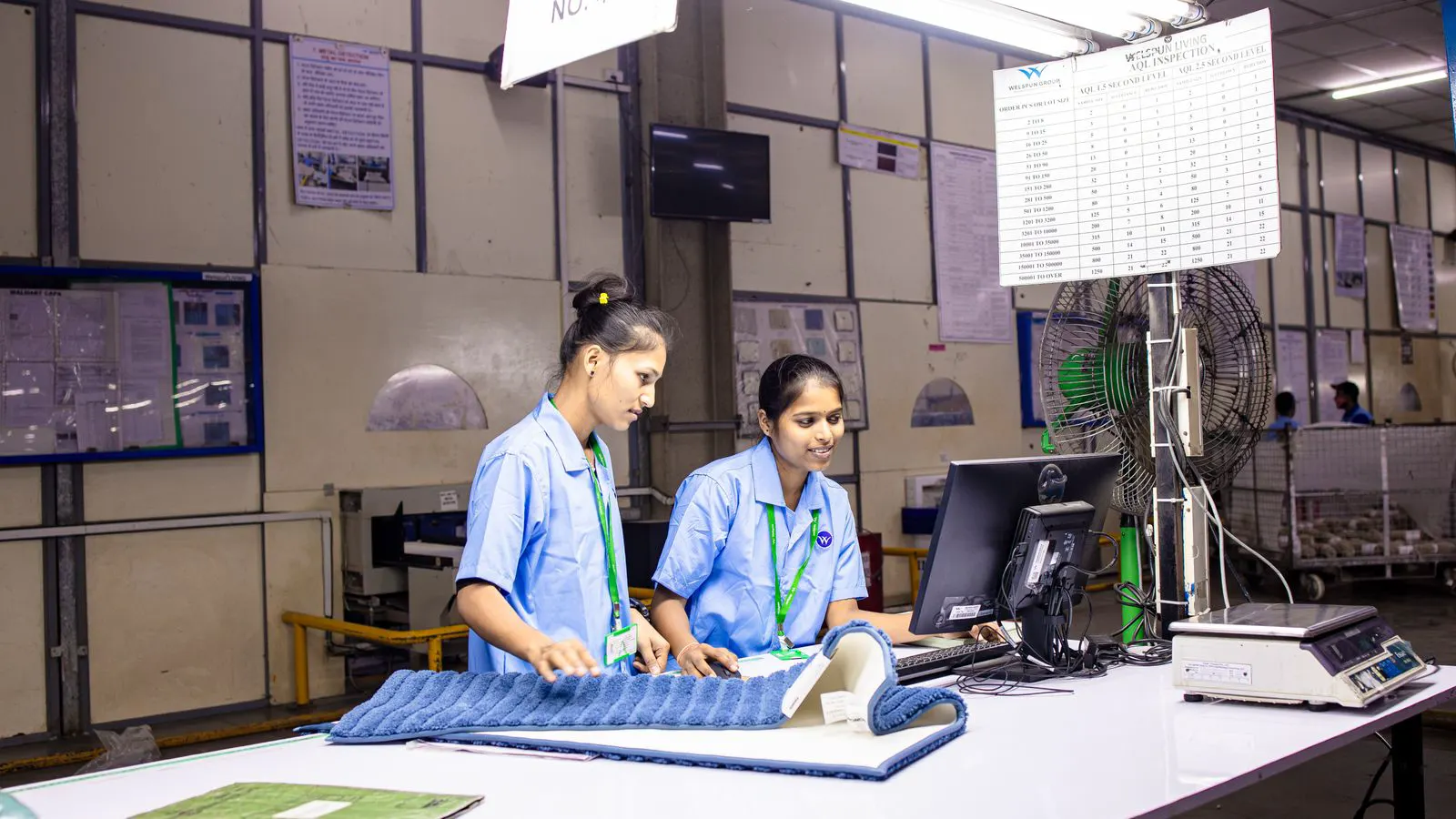
Manual fabric inspection relies on trained eyes and physical checks, while automated systems use cameras and sensors. The choice depends on production volume, defect types, and budget. Automated quality control speeds up processing but requires calibration and maintenance.
- Manual inspection depends heavily on operator experience and lighting conditions.
- Automated systems detect small defects consistently but need regular calibration.
- Hybrid approaches allow high-risk fabrics to receive double checks.
- Selection depends on fabric type, defect size, and production speed.
- Maintenance and sensor cleaning are critical for reliable automated results.
What changes when you move from manual to automated inspection
Fabric inspection sits at the end of the weaving or knitting process, but its value depends on how accurately defects are caught before the fabric reaches the customer. Manual inspection uses a trained eye, a light box, and a measuring tape. Automated inspection uses cameras, lighting rigs, and software to scan the material at line speed.
The shift is not just about speed. It changes who makes the final call on a batch. In manual systems, a technician walks the fabric or holds it against a light. In automated systems, the machine flags a defect and the operator confirms or rejects it. Both methods aim to reduce waste and protect customer relationships, but they differ in consistency, cost, and the type of defects they catch.
When you move from manual to automated inspection, the decision changes from a labor management problem to an engineering and data management problem. Manual inspection relies on the physical presence of an operator who can adjust their gaze and lighting in real time. Automated inspection relies on fixed sensors and software algorithms that process pixels. The transition affects the layout of your quality room, the training requirements for your staff, and the way you record quality data. It also changes how you interact with customers. Some buyers expect a digital defect report, while others still prefer a stamped paper certificate. Understanding these operational shifts is necessary before you evaluate the technical specifications of any inspection system.
How manual inspection actually works
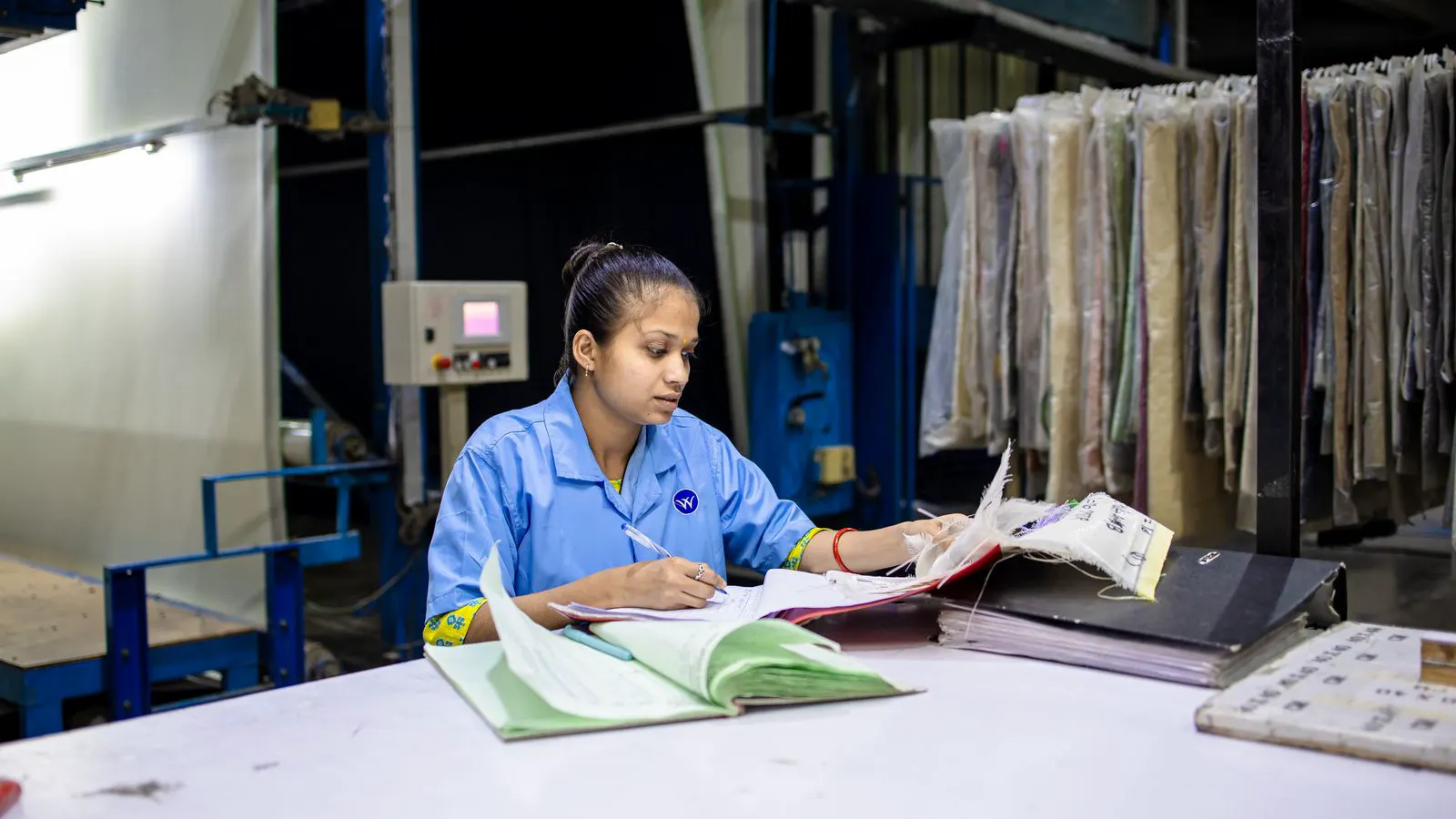
Manual inspection usually happens in a dedicated room with controlled lighting. The technician unrolls the fabric and walks along the length, looking for slubs, holes, color variations, and thread breaks. They may hold sections up to the light to see structural issues like weak points or uneven tension.
This method works well for complex fabrics where a machine might miss a subtle color shift or a small hole. A skilled inspector can spot a faint pattern break or a localized dye issue that a camera might classify as normal. The operator also checks the fabric’s hand feel, which is difficult to automate.
In practice, manual inspection involves several specific actions. The inspector often inspects the fabric in two directions, crosswise and lengthwise, to detect warp and weft issues separately. They use a light box for dark or opaque fabrics and a backlit table for sheer materials. A common setup includes a roll of fabric moving on a table while the inspector scans with their eyes. For high-value wovens, inspectors may use a magnifying glass to examine thread breaks or selvedge defects. They record defects on a paper checklist or a handheld tablet, noting the meter number and defect type.
The limitations are clear. Inspection speed is limited by how fast a person can walk and look. Fatigue increases error rates, especially during long shifts. Two inspectors may disagree on the severity of the same defect. Consistency depends on the person, not the machine. An experienced inspector can detect a faint weft loop that a camera might miss, but a tired inspector may overlook a small hole that a new trainee would catch. This variability makes manual inspection difficult to standardize across different shifts or different plants.
How automated fabric inspection works
Automated systems mount cameras above a conveyor or inspection table. The fabric moves through a controlled lighting area, and the cameras capture images at a fixed frame rate. Software analyzes each frame for defects like holes, slubs, color spots, and pattern errors.
The system can log the location of each defect. This data helps trace problems back to the weaving or knitting machine that produced the affected section. Some systems integrate with quality control software to track defect frequency by fabric type or shift.
The main constraint is the type of defect. Automated inspection excels at visual, surface-level problems. It struggles with subtle issues that require a human judgment call, such as a slight color difference that is within tolerance but still visible under certain lighting. The system also needs regular cleaning of lenses and calibration of lighting.
Inside the automated system, the fabric passes under multiple cameras that capture the material from different angles. Some systems use line sensors that create a continuous image, while others use area sensors that take snapshots. The lighting is critical. Uniform, diffused lighting prevents shadows from being misidentified as defects. Many systems use LED panels with adjustable color temperature to match the lighting conditions of the customer’s inspection room. The software processes the images in real time. It uses image recognition algorithms to identify anomalies. For example, a hole detector looks for a sudden change in pixel density. A slub detector looks for a localized increase in thickness or irregularity. The software also compares the image to a reference pattern to detect pattern breaks or color shifts.
The data output is detailed. Each defect is assigned a code, a location in meters, and a timestamp. This data can be exported to a database. You can generate reports that show the number of defects per 1,000 meters of fabric. You can also track which specific loom or knitting machine produced the most defective fabric. This traceability is a major benefit. If a customer reports a defect, you can find the exact meter and the exact machine that produced it. This allows you to adjust that specific machine or change the yarn batch used on it.
Comparison of manual versus automated approaches
| Option | Best for | Limitations |
|---|---|---|
| Manual inspection | Complex fabrics, subtle color issues, small production runs | Slow, inconsistent, labor intensive, fatigue prone |
| Automated inspection | High volume, consistent defect detection, data tracking | Expensive, requires calibration, misses subtle issues |
| Hybrid approach | Mixed production, high value fabrics, quality assurance | Requires coordination, increases space needs |
| Light box inspection | Structural checks, small defects, operator training | Manual, slow, not scalable for large batches |
The table above summarizes the core trade-offs. Manual inspection is flexible but slow. Automated inspection is fast but rigid. The hybrid approach tries to capture the benefits of both. Light box inspection is a subset of manual inspection that focuses on structural integrity. It is often used for training new inspectors because it makes small defects easier to see.
When to choose manual inspection
Manual inspection fits specific scenarios. If you produce small batches of high-end fabric, a skilled inspector adds value. The fabric may have complex patterns or delicate finishes where a machine might flag a normal variation as a defect.
It also works when the customer requires a human sign-off. Some contracts specify that a quality manager must verify the fabric before shipment. Manual checks allow that documentation with less equipment investment.
For small workshops with low volume, the cost of automated systems may not justify the output. The labor cost of a trained inspector is lower than the capital cost of a full automated line, and the speed requirement may not demand it.
In many small weaving houses, manual inspection is the standard. The fabric is produced in rolls of 100 to 500 meters. An inspector checks each roll and marks the defects. The cost of the labor is absorbed into the price of the fabric. The customer receives a simple defect report. This works well when the fabric is standard and the defect tolerance is clear. However, if you need to produce more than a few thousand meters per week, the labor cost becomes significant. You may need multiple inspectors working in shifts. The inconsistency in defect detection becomes a problem. Two inspectors may mark different defects as rejectable, leading to disputes with customers.
When to choose automated inspection
Automated inspection makes sense when volume is high and consistency is a priority. If you produce thousands of meters per day, manual inspection cannot keep pace without adding many operators. Automated systems run continuously and log every meter.
The data from automated systems supports continuous improvement. You can see which defects appear most often and adjust the production process accordingly. This feedback loop is difficult to build with manual checks alone.
The investment is higher. Cameras, lighting, software, and integration costs add up. You also need technical support for maintenance. But the return comes from reduced waste and faster processing.
Automated inspection is common in large textile mills that produce standard fabrics for the apparel industry. The fabric moves through the system at a speed that matches the production line. The system captures images as the fabric moves. It identifies defects and marks them on the fabric with a dye pen or a laser pointer. The operator reviews the flagged defects on a screen. If the defect is real, the operator marks it for rejection. If it is a false positive, the operator dismisses it. This review step is important. It prevents the system from automatically rejecting good fabric. Over time, the operator learns the patterns of false positives. The software can also be adjusted to reduce false positives based on operator feedback.
The speed is a major advantage. An automated system can inspect 100 meters of fabric in a few minutes. A manual inspector might take 30 minutes to inspect the same amount. This speed allows the mill to keep the production line running without stopping for inspection. The fabric continues to be produced while the previous roll is being inspected. This improves throughput and reduces idle time.
When to use a hybrid approach
A hybrid approach combines both methods. Automated systems handle the bulk of the inspection, and manual checks verify flagged defects or sample random sections. This setup is common in large mills that produce a mix of standard and premium fabrics.
The automated line catches obvious defects quickly. The manual check catches subtle issues that the machine might miss. This reduces false rejections and false acceptances.
The main downside is complexity. You need space for both systems and training for operators who work both. The workflow must be clear so that flagged fabric is routed to manual review without delay.
In a hybrid setup, the automated system handles the initial scan. It flags defects and logs the data. The flagged fabric is rolled onto a separate cart and sent to a manual inspection station. A technician reviews the flagged sections. They confirm or reject the defect. They also check random sections that the automated system did not flag. This second check ensures that the automated system is not missing any subtle issues. The technician also checks the hand feel and the drape of the fabric, which the automated system cannot do.
The workflow requires careful planning. The automated system must be able to mark the fabric clearly so that the technician can find the flagged sections quickly. The technician must have access to the data from the automated system to understand why the defect was flagged. They can also provide feedback to the system about false positives. This feedback helps improve the accuracy of the automated system over time.
Practical considerations for selection
Before choosing a method, define what you are inspecting. The type of fabric matters. Woven cottons with small defects are easier to automate than knitted fabrics with stretch and complex patterns. The defect size also matters. A hole larger than a few millimeters is easy to detect. A color shift of a single unit may require a human eye.
Consider your production speed. If the fabric moves at 10 meters per second, manual inspection is not an option. If it moves at 1 meter per second, you have more flexibility.
Budget is another factor. Automated systems require capital outlay and ongoing maintenance. Manual inspection requires labor cost and training. The total cost of ownership over five years should drive the decision, not just the purchase price.
When evaluating a specific fabric type, consider the surface finish. A matte fabric is easier to inspect than a glossy one. Glossy surfaces create reflections that can confuse cameras. You may need special lighting or polarizing filters to reduce reflections. The thickness of the fabric also matters. Thick fabrics may hide small defects. You may need to use a different inspection method, such as a backlit table, to see through the fabric.
The production speed of the fabric is also a critical factor. If the fabric is produced at a high speed, you need an automated system that can keep up. If the fabric is produced at a low speed, you have more time to inspect it manually. The speed of the fabric also affects the layout of your inspection room. Fast-moving fabric requires a longer inspection table. Slow-moving fabric can be inspected in a smaller space.
When calculating the budget, include all costs. For automated inspection, include the cost of the cameras, lighting, software, and integration. Also include the cost of maintenance and technical support. For manual inspection, include the cost of labor, training, and the cost of the lighting equipment. The total cost of ownership over five years should be compared. This gives you a more accurate picture of the cost. It also helps you understand the long-term financial impact of your decision.
Common mistakes to avoid
- Assuming automation solves all quality issues. It catches visual defects, but it does not replace human judgment for subtle problems.
- Ignoring calibration. A dirty lens or misaligned camera creates false defects.
- Over-relying on manual checks. Fatigue leads to missed defects, especially at the end of a shift.
- Not tracking data. If you do not log defect locations and types, you lose the main benefit of automated inspection.
- Skipping training. Operators who do not understand the system will misinterpret flags or ignore valid alerts.
These mistakes are common in the industry. Many mills buy automated systems without understanding their limitations. They expect the system to catch every defect. In reality, the system has specific strengths and weaknesses. You need to calibrate your expectations. You also need to train your operators. An operator who does not understand the system will not trust it. They may ignore valid alerts or dismiss real defects. This reduces the value of the system.
Final selection guidance
The right choice depends on your production profile. For small batches and complex fabrics, manual inspection gives you control and flexibility. For high volume and standard fabrics, automated inspection provides speed and data. For mixed production, a hybrid approach balances cost and quality.
Start by defining your defect types and production speed. Then evaluate the total cost of ownership. Do not choose based on speed alone. Choose the method that matches your quality requirements and your operational capacity.
Frequently asked questions
Can automated inspection replace manual inspection entirely?
No. Automated systems catch visual defects well, but they struggle with subtle color shifts and hand feel. Many mills keep manual checks for verification.
What is the main advantage of manual fabric inspection?
Human judgment. A trained inspector can spot subtle defects and make context-based decisions that machines may miss.
How much faster is automated inspection than manual?
Automated systems typically run at line speed, while manual inspection is limited by walking speed. The exact ratio depends on fabric width and defect density.
Do automated systems need regular maintenance?
Yes. Cameras need cleaning, lighting requires calibration, and software needs updates. Neglecting this leads to false defects.
Is hybrid inspection worth the extra cost?
It is worth it when you produce a mix of standard and premium fabrics. It reduces false rejections and improves overall quality.